Roval is owned by Specialized and has been seen on their bikes for some years now. Roval is now trying to build towards becoming a more independent brand with a focus on also offering wheel options for aftermarket buyers.
For 2017, Roval has refreshed many of their wheels and have released an all-new Control SL carbon wheelset that is lighter and wider than previous models. Take a look at the press release below for more information on the new Control SL wheelset and the rest of the 2017 range of Roval wheels.
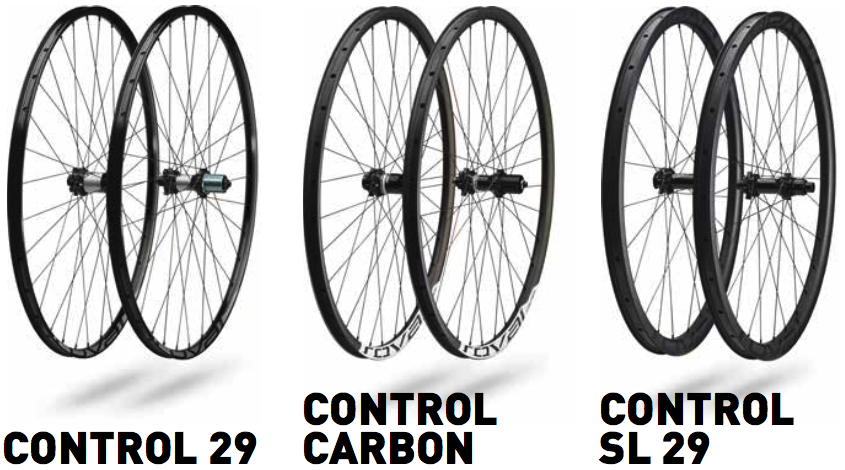
Control SL 29
Ask Jaroslav Kulhavý, and he’ll tell you—every gram counts in cross country racing. But with XC tracks becoming more aggressive than ever, just being a flyweight wheel is no longer sufficient. Now, wheels need to be as tough and stiff as they are light, with all of the handling characteristics that seasoned XC riders have come to expect. These days, wheels need to be more like the new Control SL.
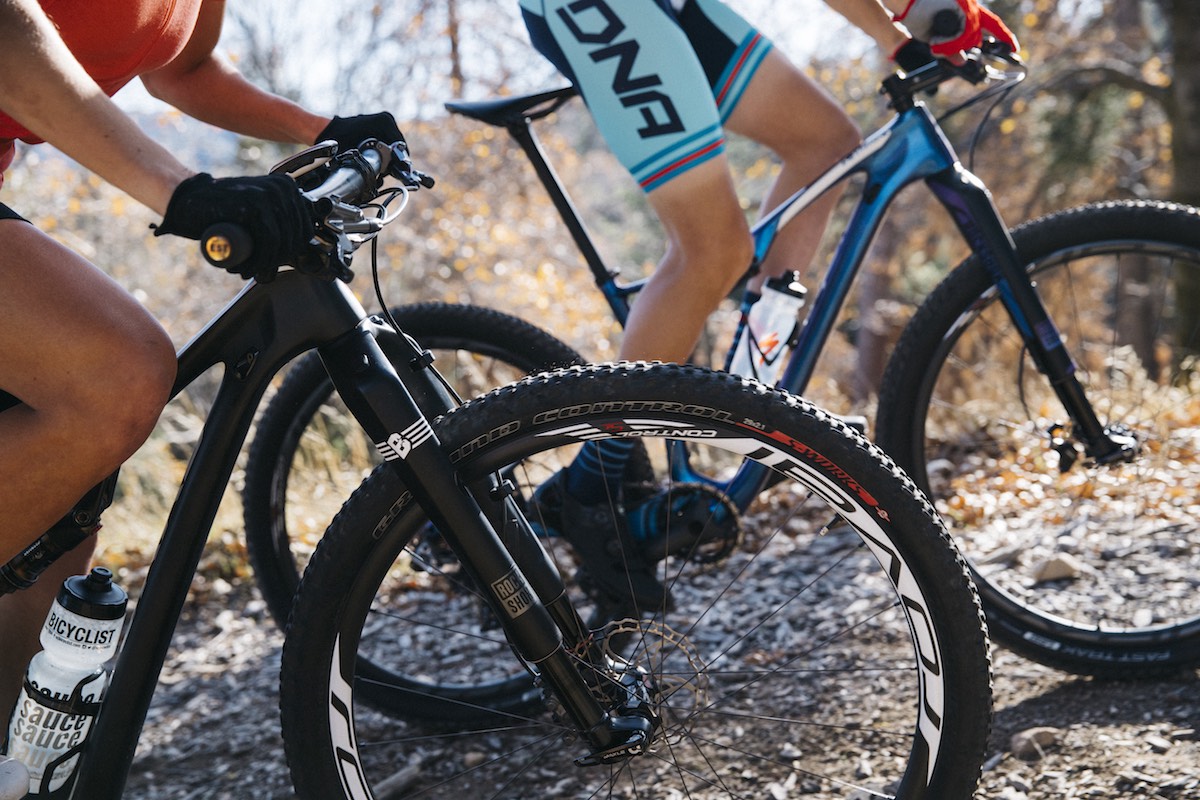
When our riders asked us for the ultimate cross-country wheels, we knew that they were really asking for some pretty specific features.
They had to be light in order to be low in the inertia and weight departments, strong enough to take on rocks and roots on a short-travel race bike, and wide enough so that the tyre profile was optimised for both traction and rolling resistance—not an easy feat.
To check all of these design boxes, we started by looking at our Traverse SL rim to see if we could extract the wide-rim benefits while keeping the weight at, or below, the previous Control SL. Based on the width, that we knew was ideal for the desired ride characteristics, we tuned the rim shape to optimise the stiffness, weight, and ride quality of the system as a whole—too tall and the ride is too stiff; too shallow, and the wheel is too flexy. Our engineers meticulously went through rim shape developments to find the perfect balance and optimal geometry, and after fine-tuning multiple layup iterations and schedules, we ended with a 30.4-millimeter deep rim, with a 25-millimeter internal width.
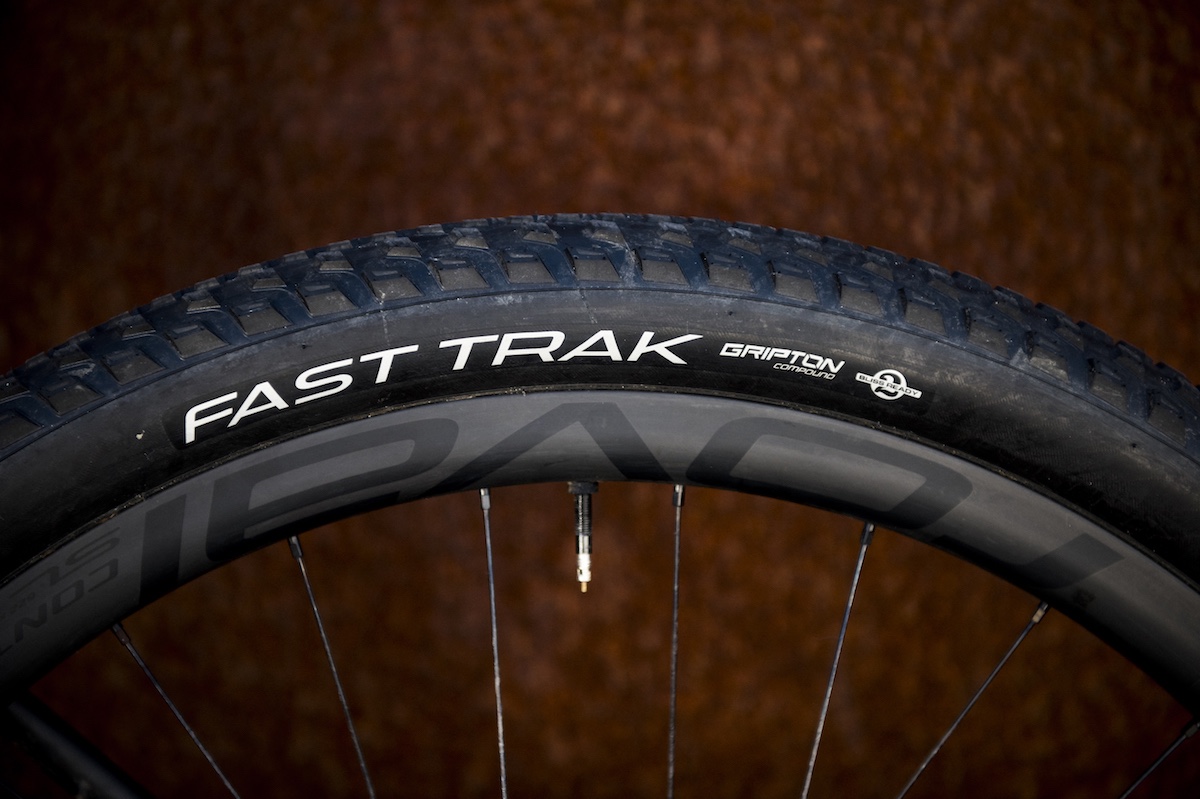 Photo credit: Ian Collins Photography.
Control SL 29 Specifications
Rim Type: Carbon, tubeless-ready, Zero Bead Hook design
Rim Material: Carbon
Rim Width: 25mm internal
Front Spoke Pattern: Radial/Three-cross (2:1), TT: Two-cross
Rear Spoke Pattern: Three-cross (1:1)
Spoke Count: 24/28
Spoke Type: DT Swiss Competition Race
Nipple Type: DT Swiss Pro Lock hexagonal
Front Hub: Alloy, DT Swiss Internals/SRAM Predictive steering
Rear Hub: CNC machined alloy body, high quality DT 240 internals and 54t quick engagement ratchet system cassette
Assembly Method: Hand-built
Weigths: 100/142: 1320g; 110/148: 1330g; TT/142: 1371g; TT/148: 1381g
Being able to add material and width (three millimetres to be exact), without a weight penalty, makes for a stronger XC wheel, but we weren’t content settling with just an increase in strength. With our goal being the fastest XC wheelset available, we took the new and old rims, paired them with a set of 2.0 Specialized Fast Trak tyres, and performed rolling resistance tests at both 20 and 30 PSI. The result? The new, wider rim tested faster at both pressures.
Keeping the Zero Bead Hook design, the new Control SL wheels keep all the sought-after…
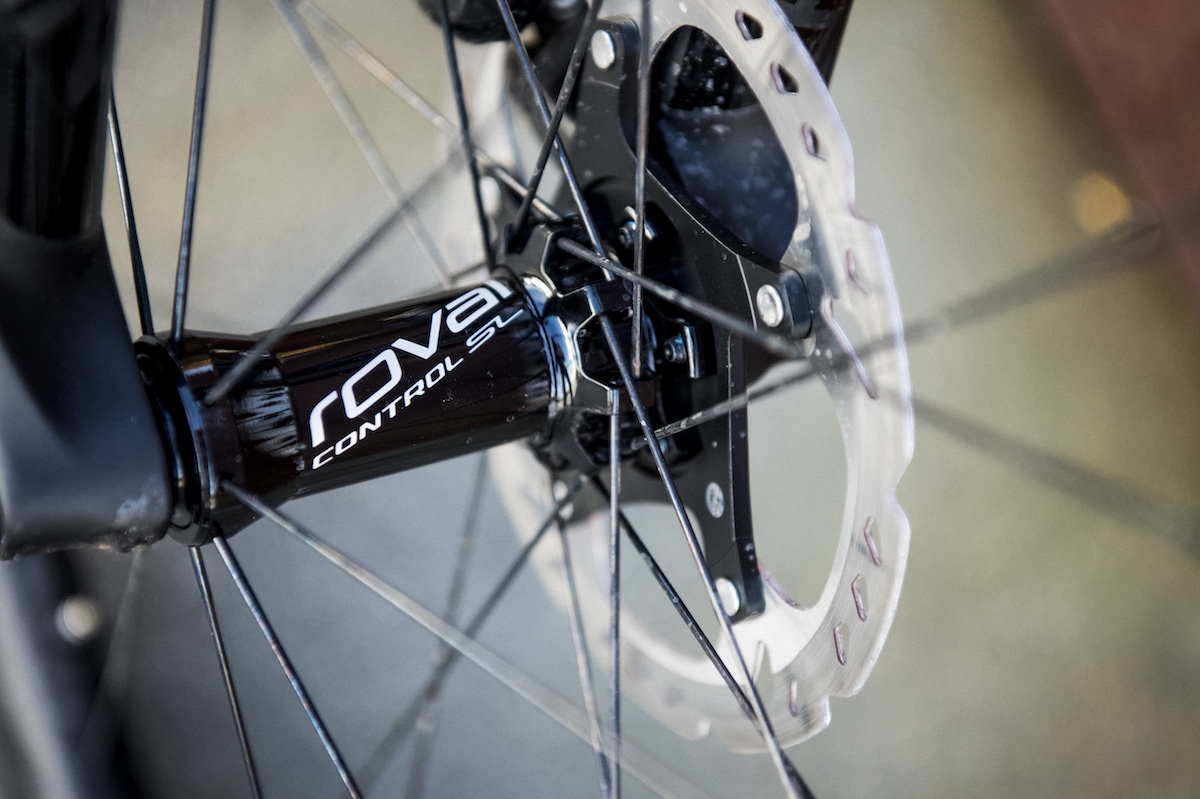 Photo credit: Ian Collins Photography.
Focusing on the wheels as a system, we kept with our core design tenants of lightweight and durability, so we made sure not to skimp on the build. Each wheel is built by hand, and while this is somewhat of a lost art, we know that a real person can achieve qualities that a machine simply can’t. When hand-building, little discrepancies can be found that would otherwise be missed by a machine, so we took the refined 2Bliss Ready rim and matched it with our CNC machined hubs with DT Swiss Competition Race spokes. The hub internals feature sealed bearings and DT Swiss 240 internals with a 54-tooth star ratchet in the rear, making for lightning fast engagement. In our quest to save as much weight as possible, we also implement our Tubeless Plug System, replacing a traditional rim strip.
The new Control SL wheels will be available in South Africa later this year.
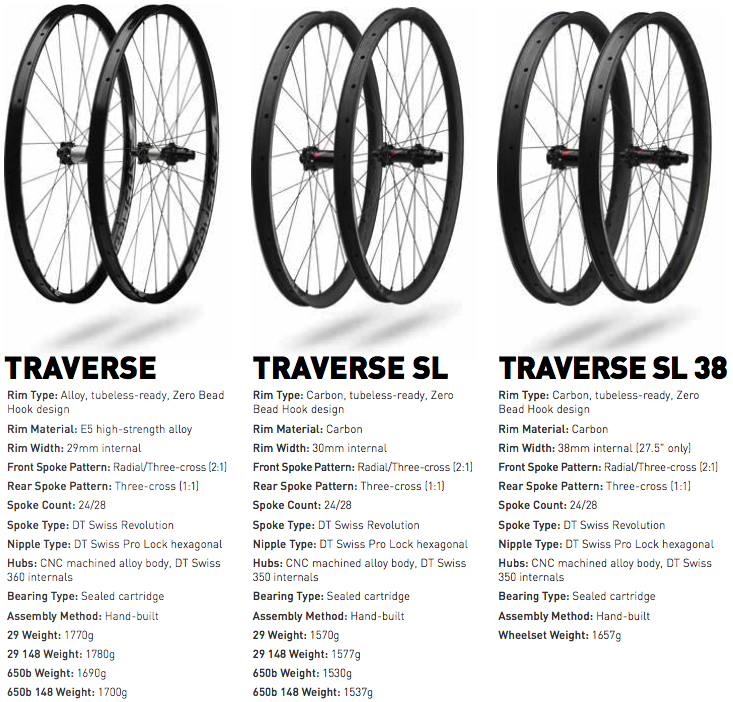
Traverse
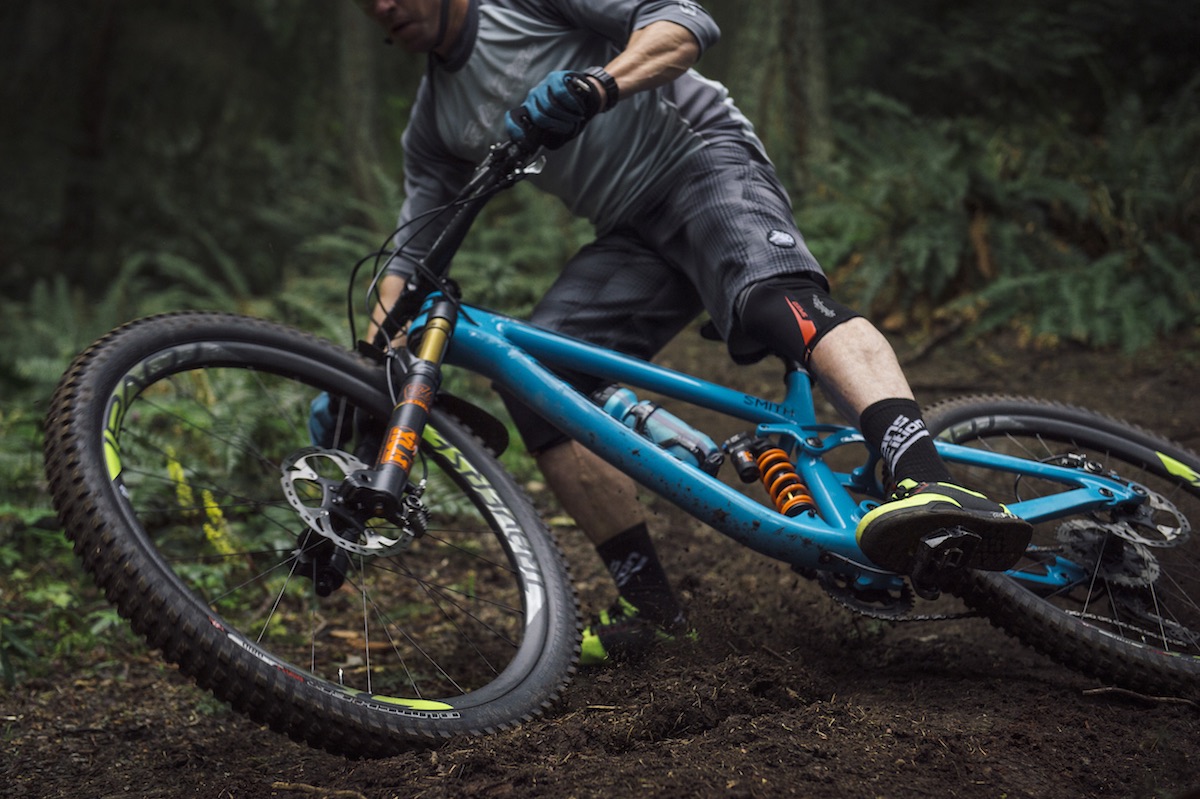
When your wheel system needs to be tough, light, and ready to race, nothing outperforms our control line of wheels. and for the gravity hounds of the world that require a focus on handling, strength, and rowdiness, traverse is ready and waiting to ride.
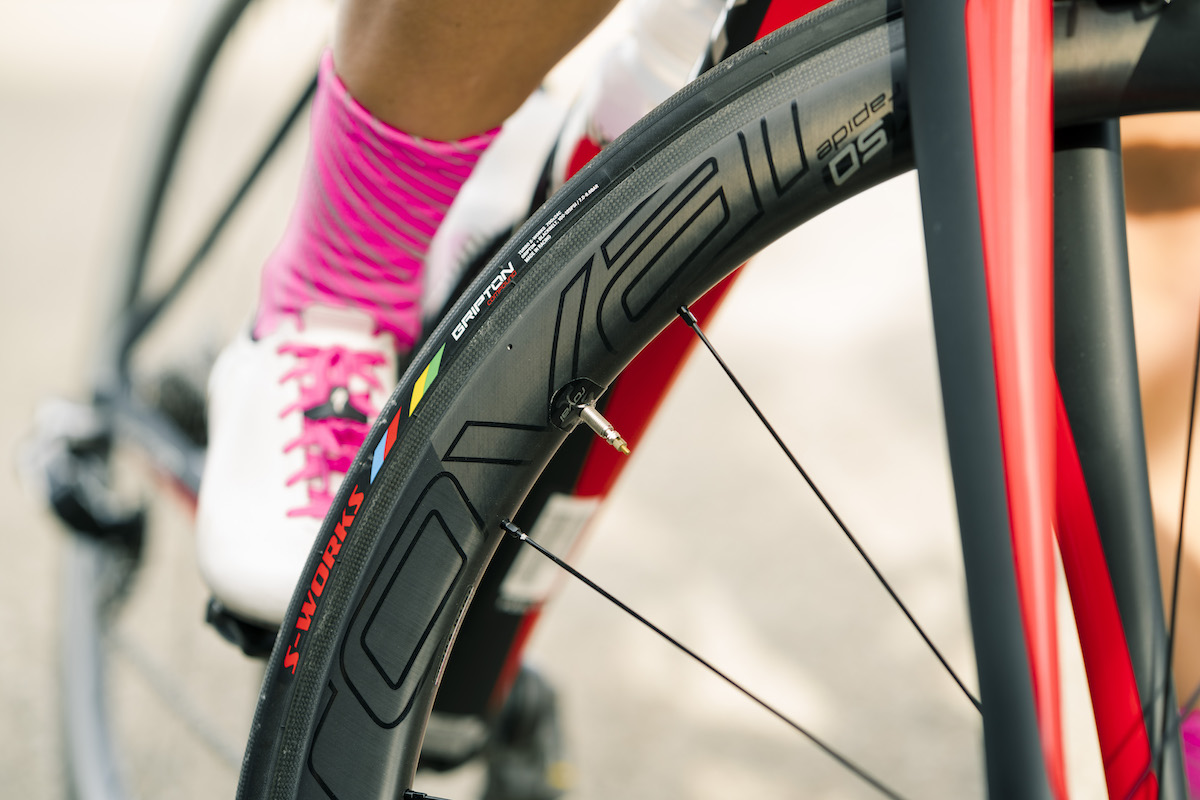
Road Range
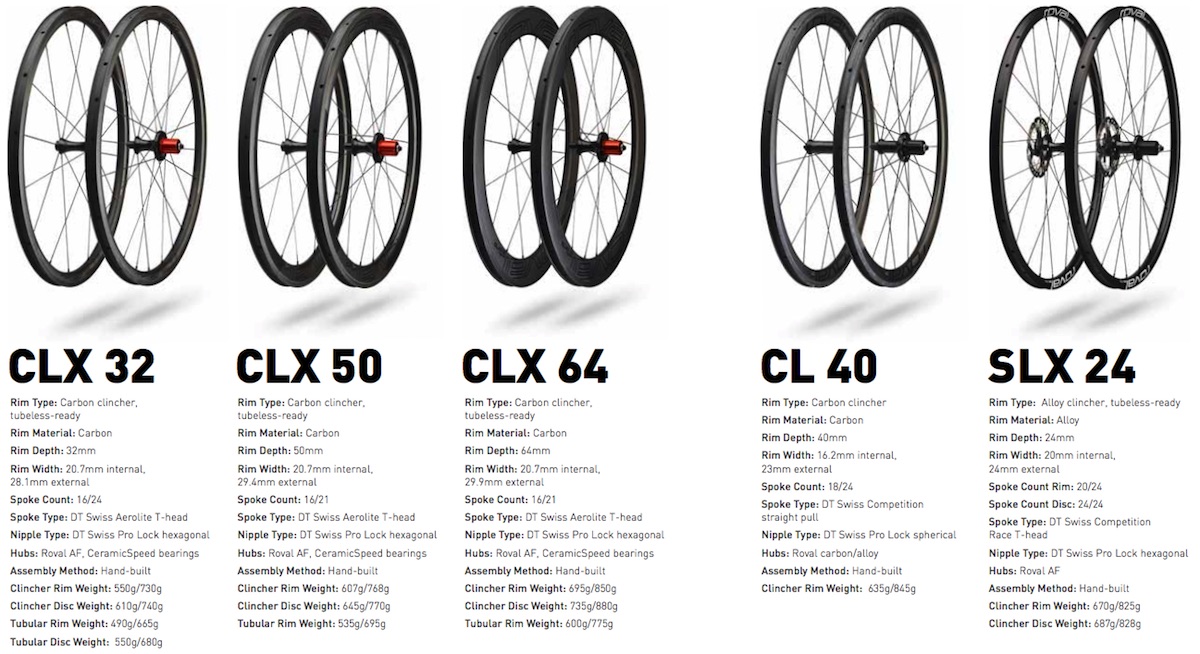
When French civil engineer, and bike enthusiast, Claude Lanhauer became heavily involved with cycling in the early ‘80s, he noticed a common problem—all of the current wheels had the same design. Whether riders were climbing mountains or time trialling, they were running box-section, three-cross wheels that were far from ideal. Thinking outside of the “round box” designs of the era, Lanhaur set out to make a paradigm shift in the market, and after teaming up with him in 2005, we’ve kept that same spirit alive. From the World- Championship-winning CLX 64, to the Saturday-shredding Traverse, our wheels are designed as a system to give you the ride of your life.
Depth of field
First came our CLX 64. Then the 32s. And after racking up multiple wins in Grand Tours, Worlds, and everything in between, we knew that our best bet was to take the line to new heights, or well, new depths. We needed to design one wheel that was a true quiver killer. One wheel that had the aerodynamic benefits of the 64 in a package that climbed like the 32, and that’s where the all-new CLX 50 comes in.
Designing a unicorn
After the success of both our CLX 64 and 32s, we knew that the best option was to continue to expand our wheel range. And while the 64s are the fastest wheels we’ve ever tested, and the 32s have the best combination of aerodynamics and weight, we needed one wheel to be a true quiver killer—and that’s where the CLX 50 comes in.

When we set out to create the CLX 50, we had clear goals in mind—create wheels that are 45 to 55mm deep, 2Bliss Ready, aerodynamically optimised, ultra- wide, and under 1400 grams. This meant that they’d have to borrow some weight savings techniques that we developed for the CLX 32, while taking some aero guidance from the CLX 64, if we were going to create what we like to call “the unicorn wheel.”
We implemented every lightweight trick in the book without sacrificing anything to durability. And from there, we performed a variety of studies on different wheel depths, ultimately deciding that meeting our strict weight and stiffness targets would be a big gamble with something too deep, which is where 50mm was born from.
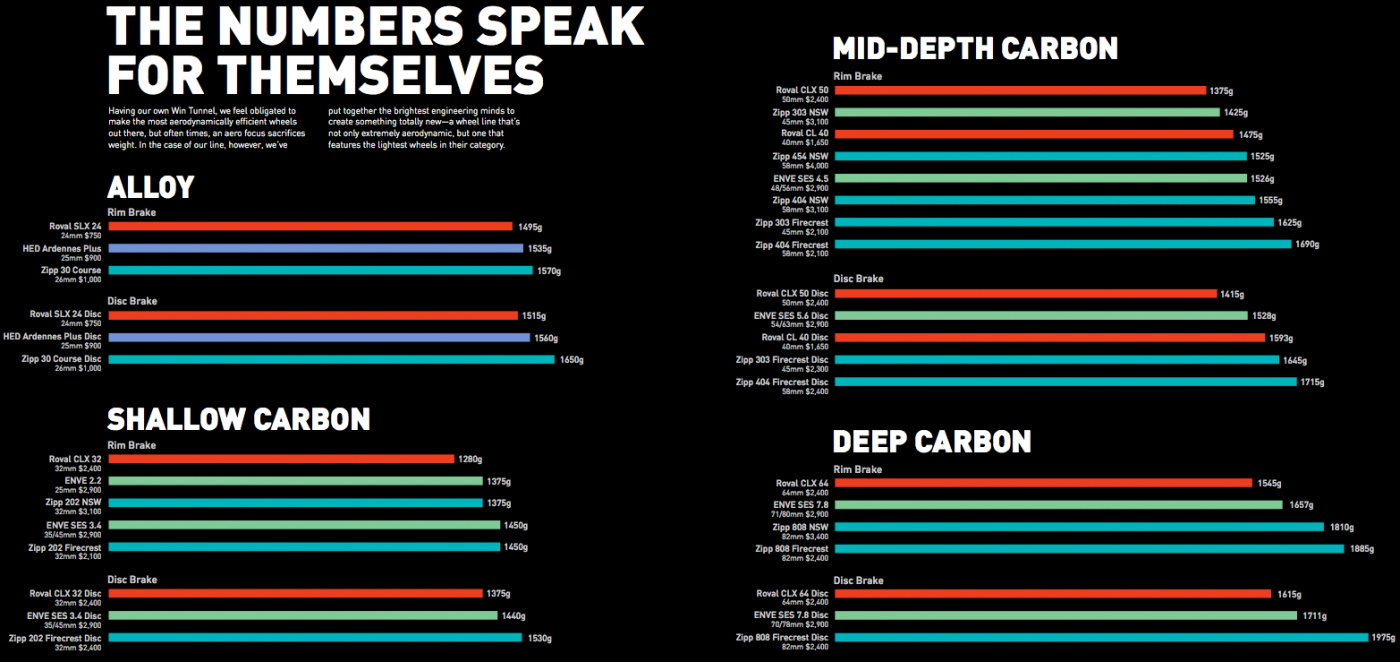
After the depth was determined, we jumped headlong into Computational Fluid Dynamics computer modelling to arrive at various rim shapes that could make the CLX 50 as fast as possible. It took a while, but we narrowed the rim shape down to three contenders that were then CNC machined into rims, built into wheels, and put into our Wind Tunnel. In the tunnel, we tested every wheel, ours and the competition’s, with a 24C (measuring ~26mm wide) Specialized S-Works Turbo tyre in rated to 100 PSI, as tyres can drastically affect performance. Testing wheels by themselves, not on a bike, is often seen as malpractice, but in our years of testing experience, the numbers have shown that the deltas between bike and wheel, and wheel alone, to be consistent.
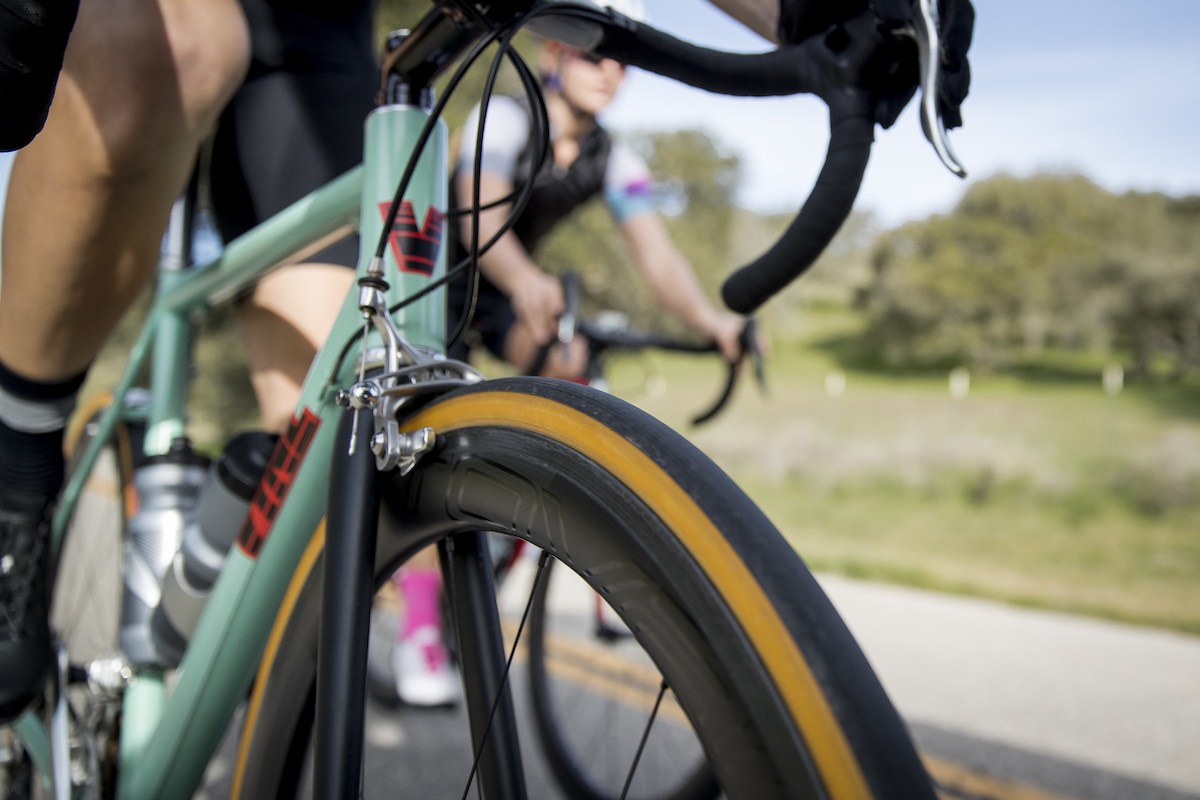
Riders often wrongly opt for shallower wheels on windy days, but the windier it is, the more your wheels will help you. The hesitation usually lies in the lack of predictability of a deep wheel in the wind, but the CLX 50 has been designed with this in mind. By moving the wind’s centre of pressure behind the steering axis, you stop it from turning your handlebars unexpectedly, making the CLX 50 exceptionally predictable in crosswinds.
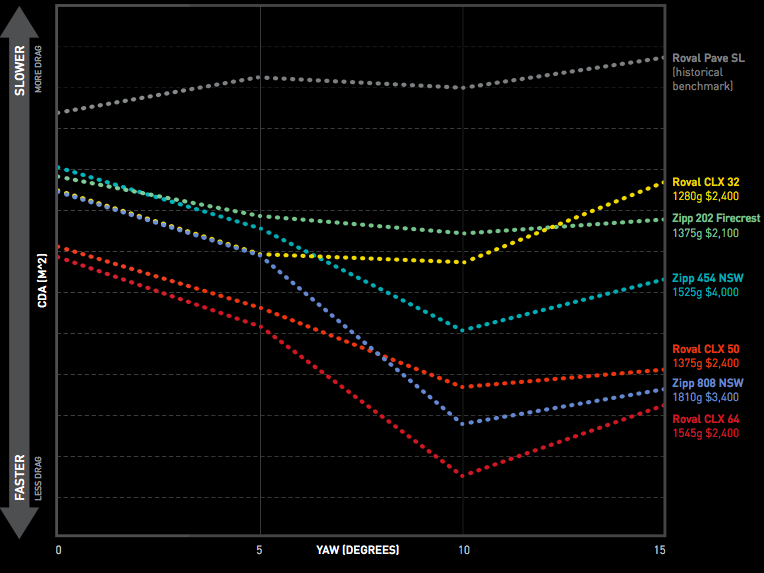
After finding the most optimised rim shape that supported our svelte weight requirements, we opted to lace the rims to our Aero Flange (AF) hubs, which feature the legendary CeramicSpeed bearings, via 16/21 DT Swiss Aerolite spokes. Now it was time for final testing validation. The result? A 50mm-deep, 1375-gram clincher wheelset that’s not only ~200 grams lighter than the competition’s similar depth wheel, but is also measurably faster in every conceivable test than every wheel in its category.