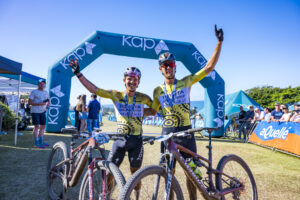
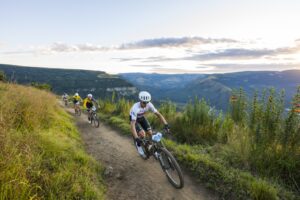
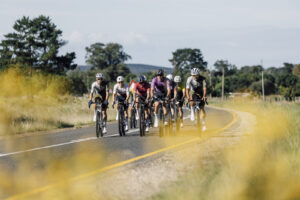
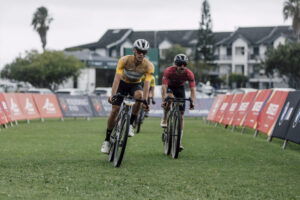
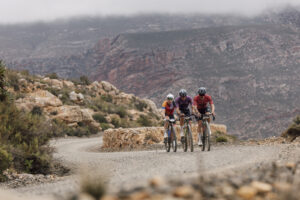
My first ever taste of gravel riding was at the 2018 edition of Tour de Braai and it left me with fond memories of garden route gravel. When the opportunity to be part of the inaugural edition of the Garden Route Giro came up, I didn’t hesitate, and I’m so glad I was there.
The Details
The Garden Route Giro is a six-stage gravel stage race organised by Dryland Event Management. Starting at Jakkalsvlei Private Cellar near Mossel Bay and finishing in Wilderness, the race traces a spectacular coast-to-Karoo-and-back arc through some of South Africa’s most dramatic landscapes. Over six days, riders cover 570 kilometres and climb 10 850 metres of elevation. The route includes iconic passes, including Garcia Pass, Rooiberg Pass, the Swartberg Pass (twice, from both sides), and the Queen Stage’s centrepiece, Prince Alfred’s Pass, South Africa’s longest continuous gravel road pass.
Stages range from the manageable 73-kilometre opener to the 127-kilometre Queen Stage, with daily climbing topping 2 000 metres on three of the six days.
Each race village is located in a small town, and the entry packages are structured to be flexible: allowing riders to choose a ride-only package which includes lunch, on route support and a final night at ANEW Resort in Wilderness, or add on accommodation, tents and dinner packages depending on their needs. This allows those with families and supporters to make a week of it and book accommodation in each town, and those who prefer to keep it simple to stay on site.
Stage 0: Logistics
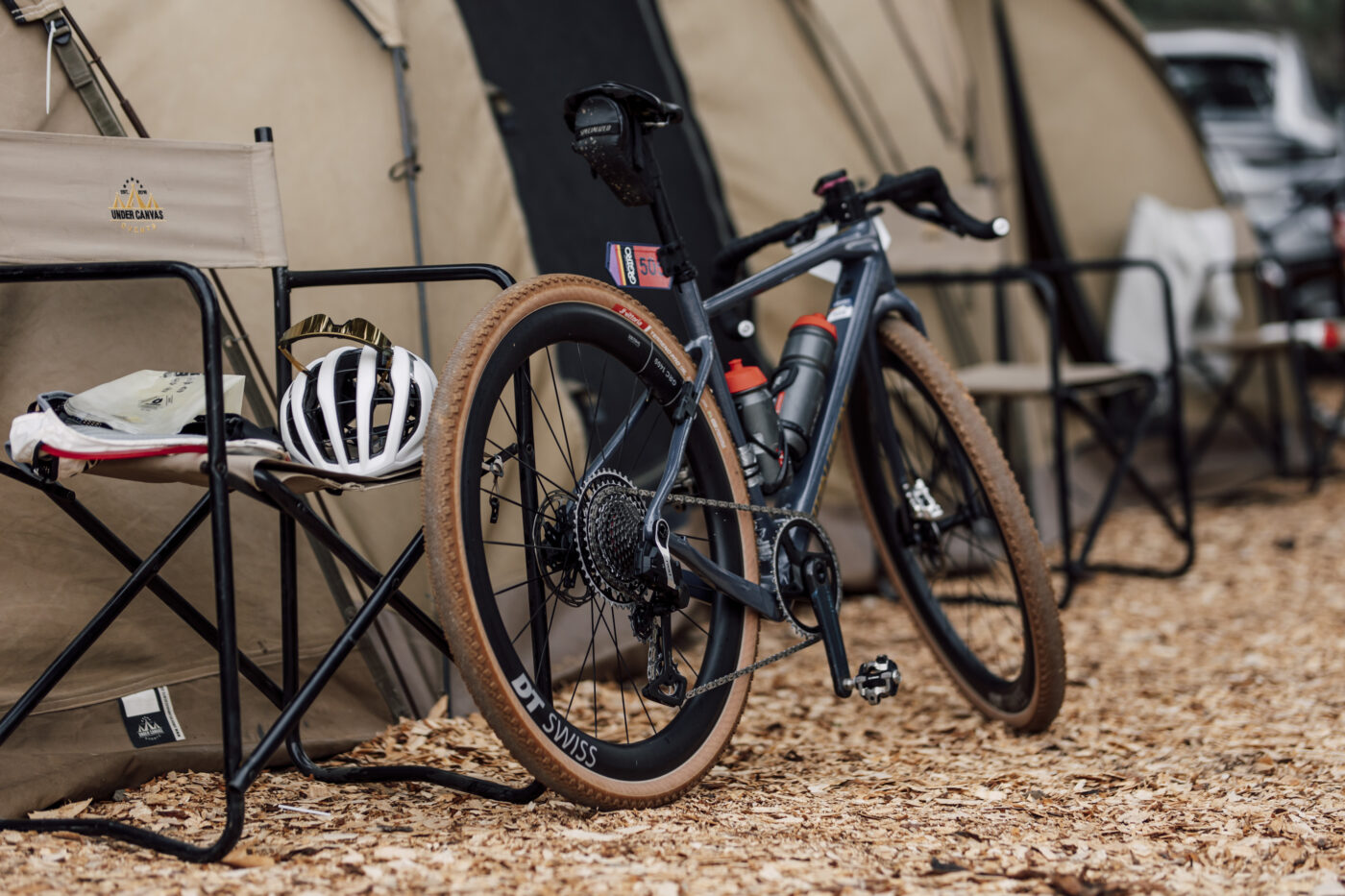
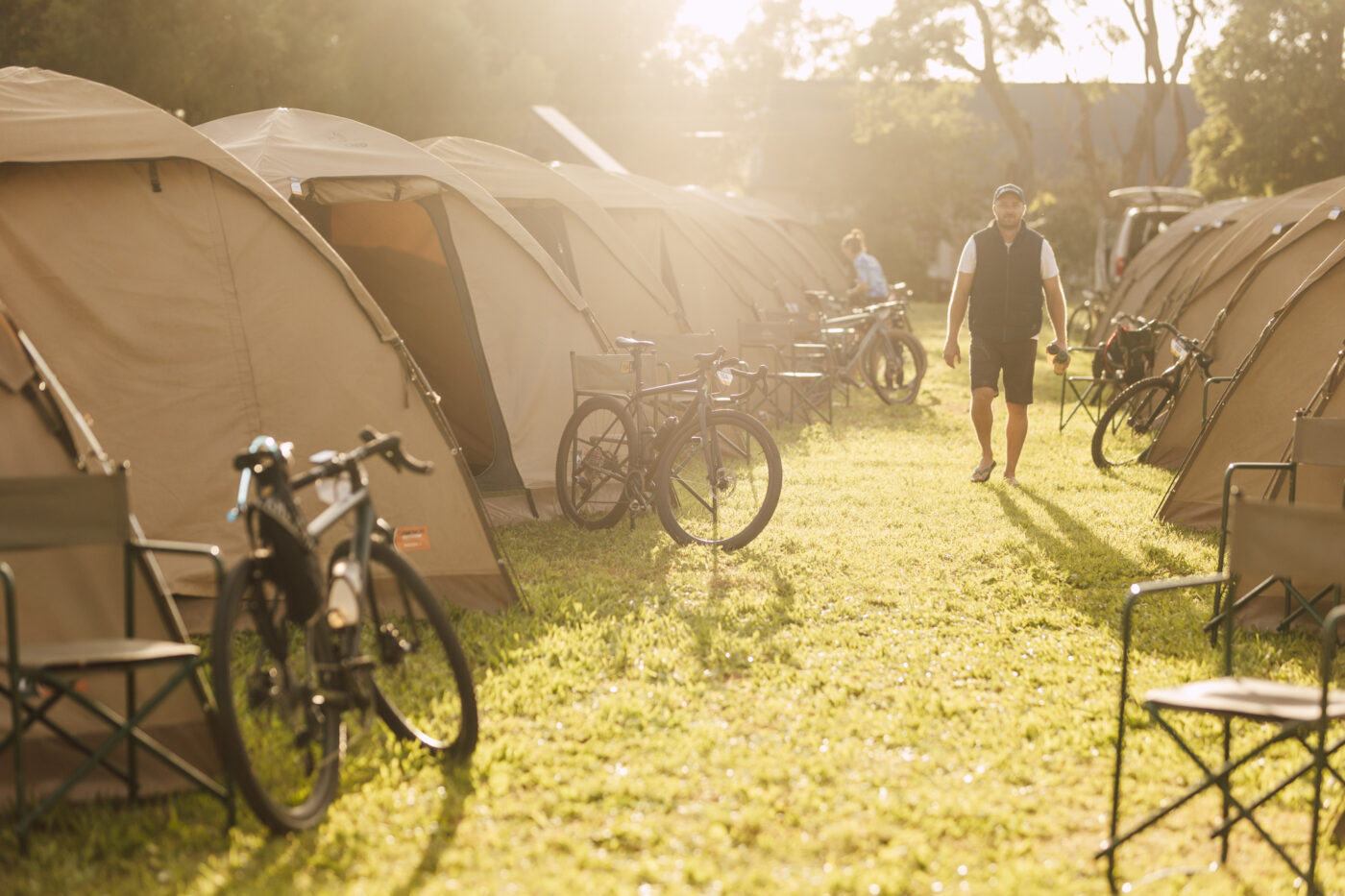
I haven’t done a camping, point-to-point stage race in years and was suitably anxious about tackling six days of race village life. The luxury tent option was an absolute game-changer for me. Having space, a proper bed and bedding, a light, a table and chair and charging points in the tent meant I was comfortable the whole week. Things like prepping nutrition, finding spares and locating kit can become an absolute nightmare in a confined, dark space. From an ease of planning perspective, I’d say this was the best bet.
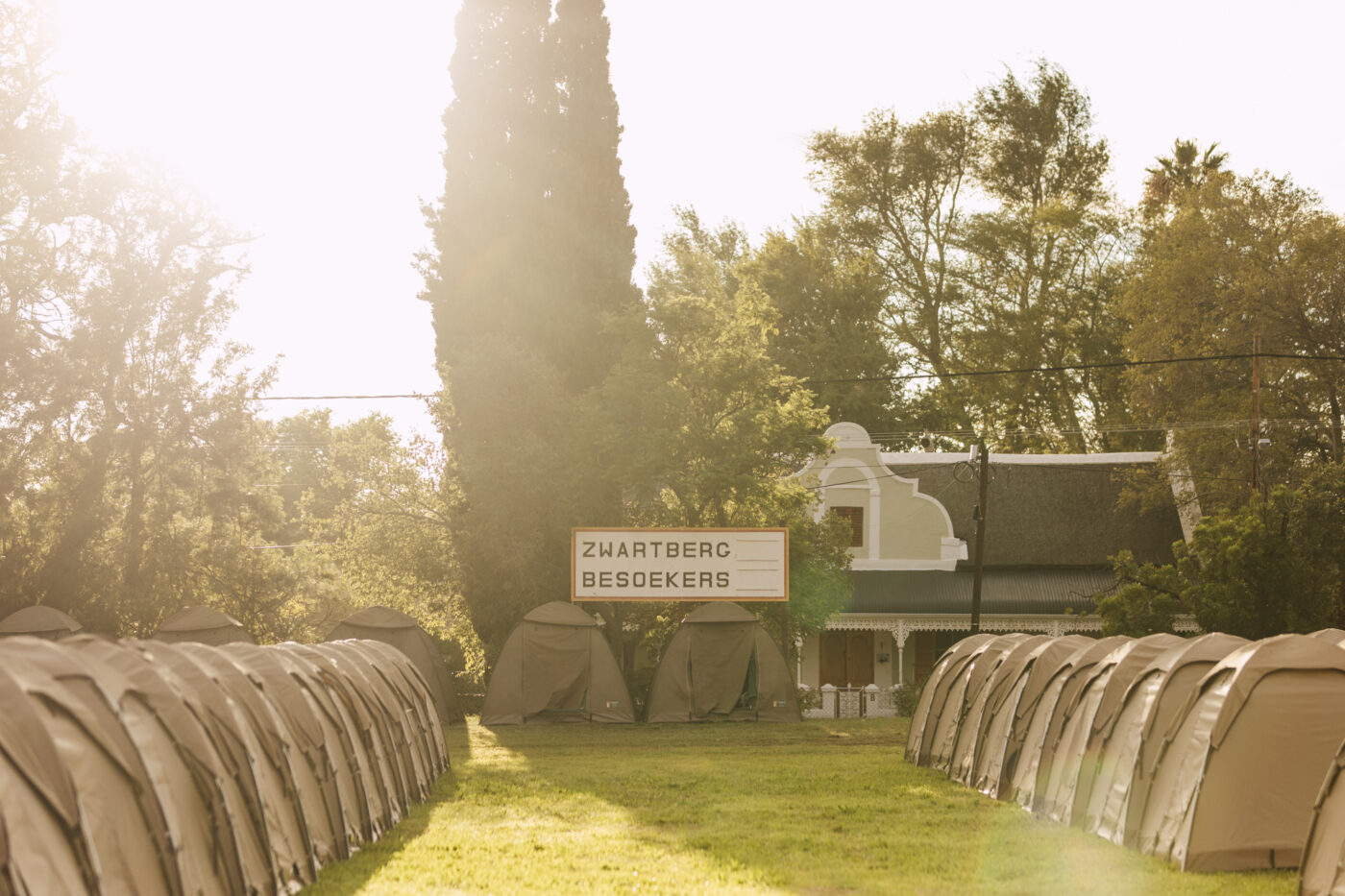
The Garden Route Giro is well served by two practical options for getting to and from the start. Those flying can land at George Airport – the closest major airport to both the start and finish. The event does offer an airport shuttle service. Those driving from Cape Town, roughly a four-hour drive, can make use of a car shuttle service that transfers your vehicle from the start at Jakkalsvlei to the finish in Wilderness, making for a seamless point-to-point experience. For those who prefer their car close at hand throughout the week, a village-to-village vehicle shuttle is also available.
A personal highlight of the agenda was the 9AM starts. While this did mean riding in the heat more than I would have liked, it also allowed for a proper night of sleep each night, and less panic in the morning trying to get packed and ready for the transfer.
Stage 1: Jakkalsvlei Private Cellar → Riversdale
Jakkalsvlei Private Cellar → Riversdale | 73 km | 950 m elevation gain | View on Strava
The opening stage distance was reduced and the start venue changed from Mossel Bay to Jakkalsvlei due the Foot and Mouth Disease situation in the area. A change I was extremely grateful for. The new route served almost like a Prologue: a short and intense effort that blew out the cobwebs and set the scene for the next five days.
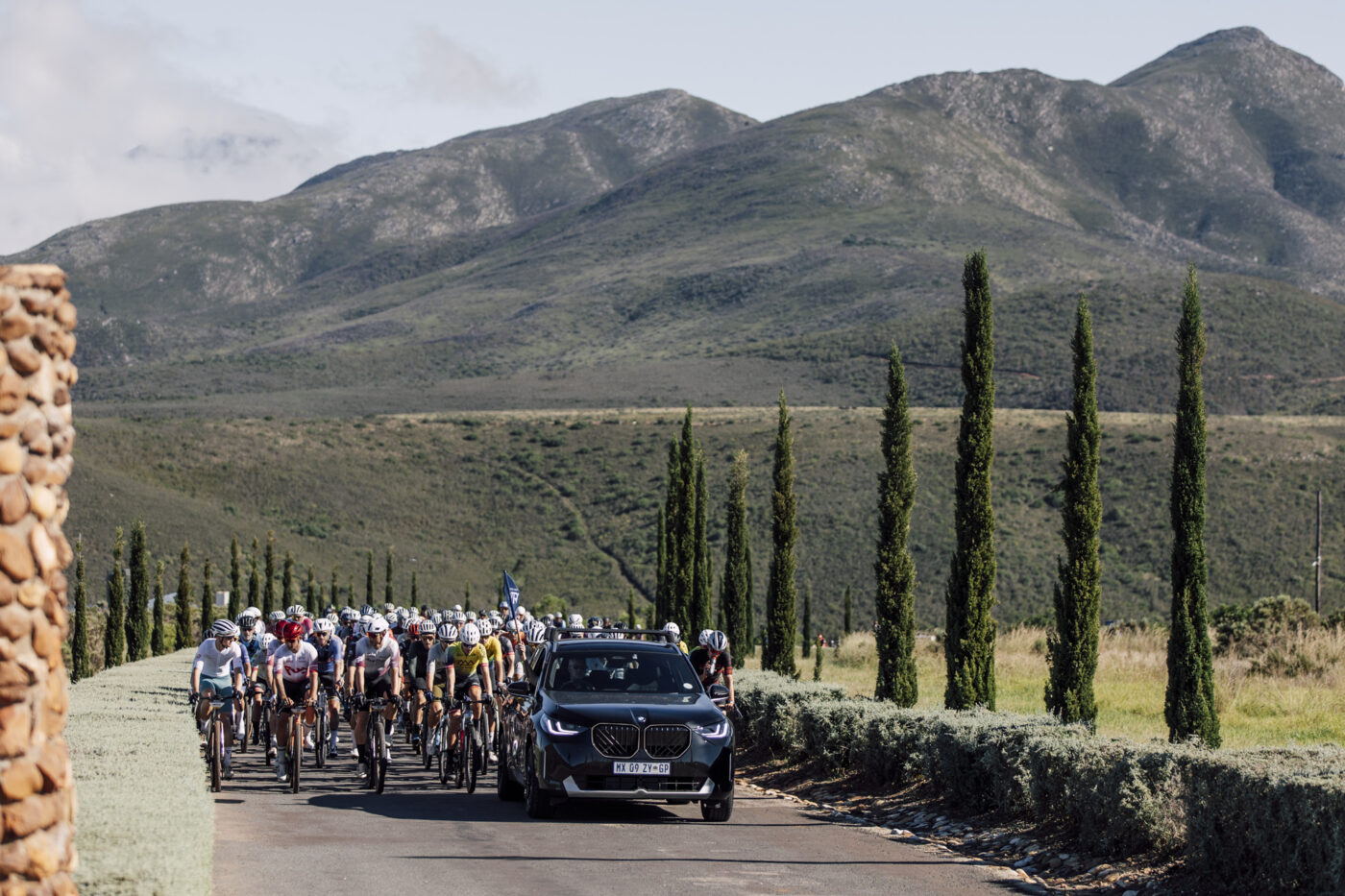
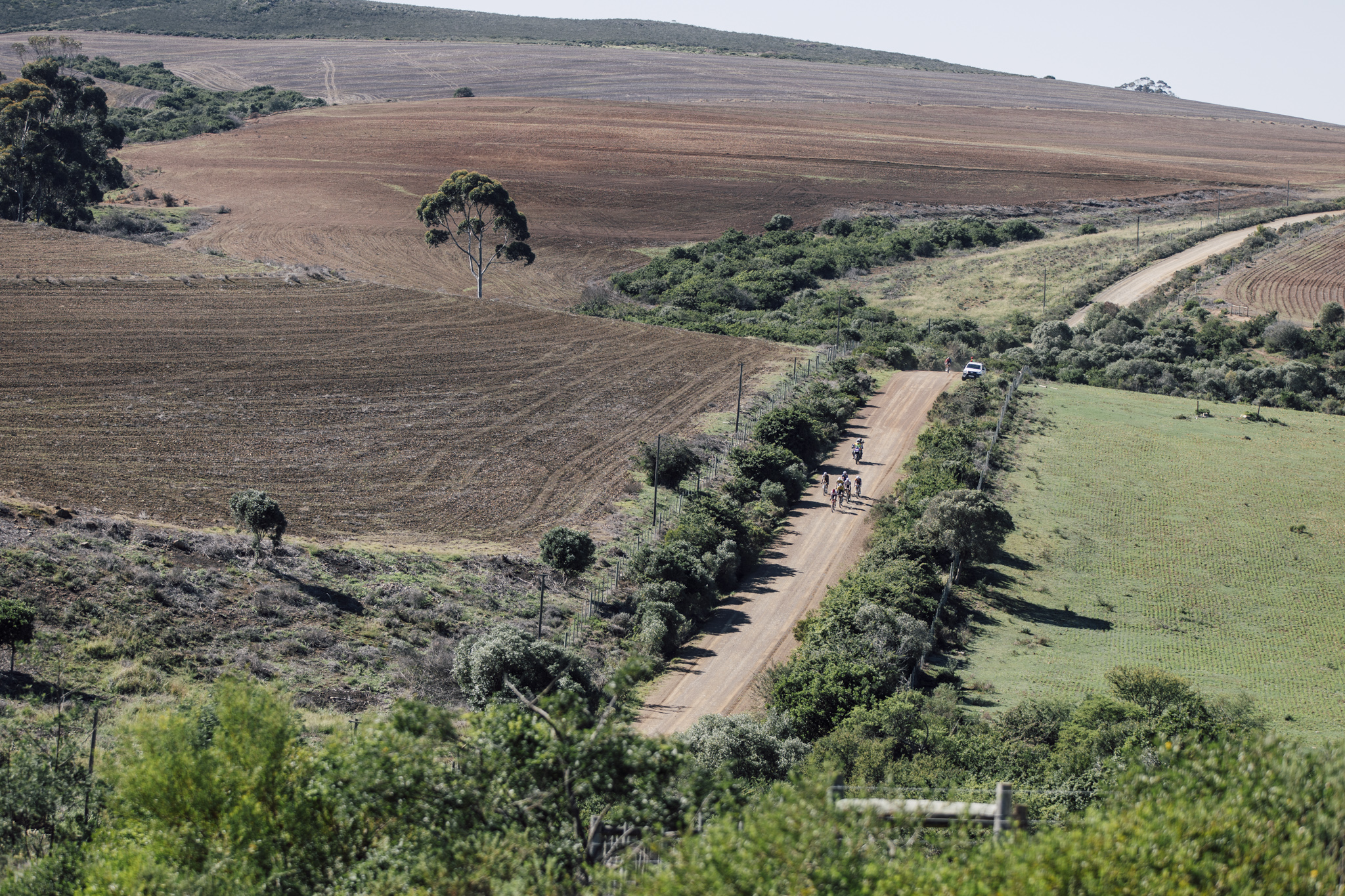
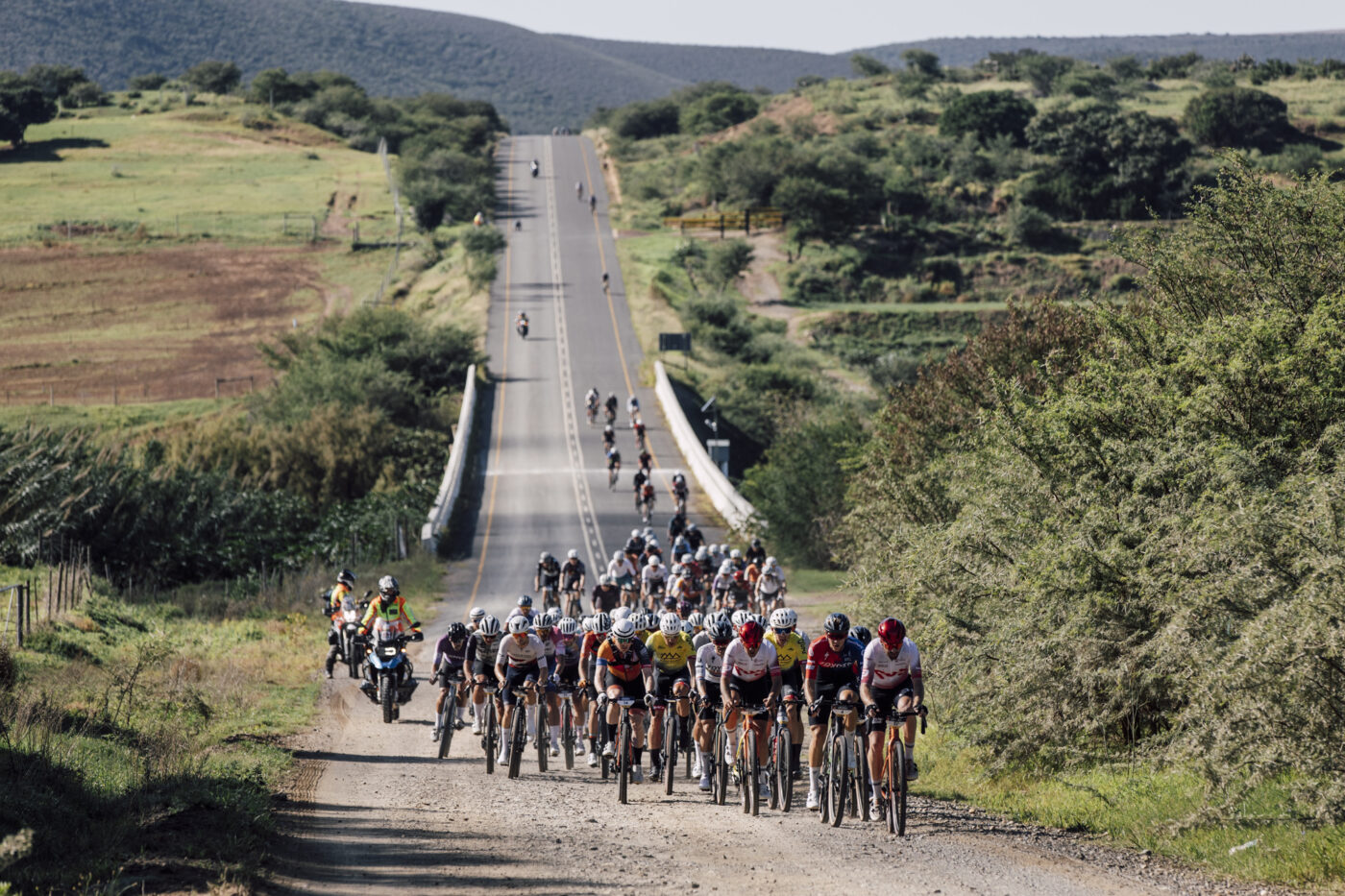
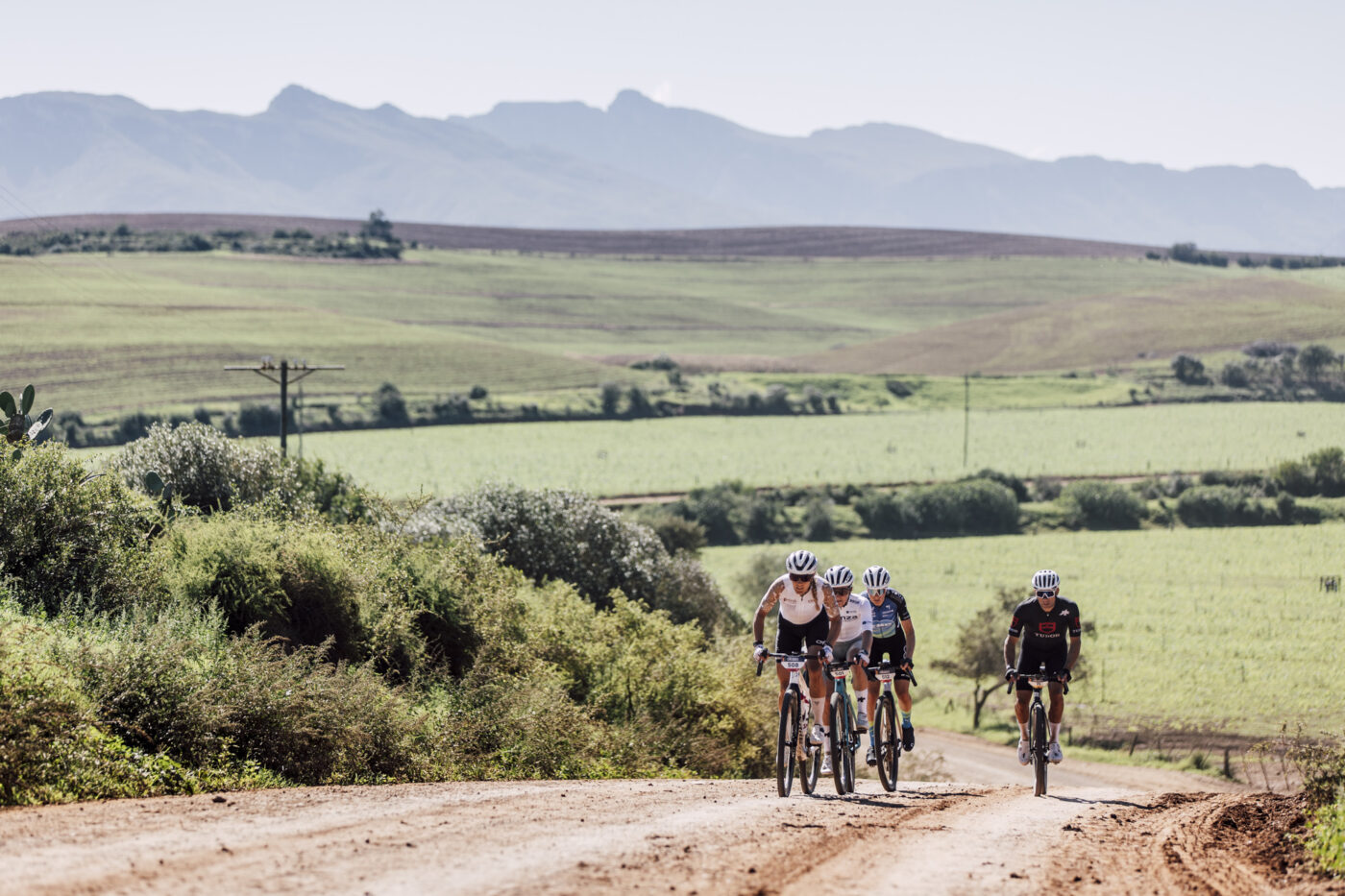
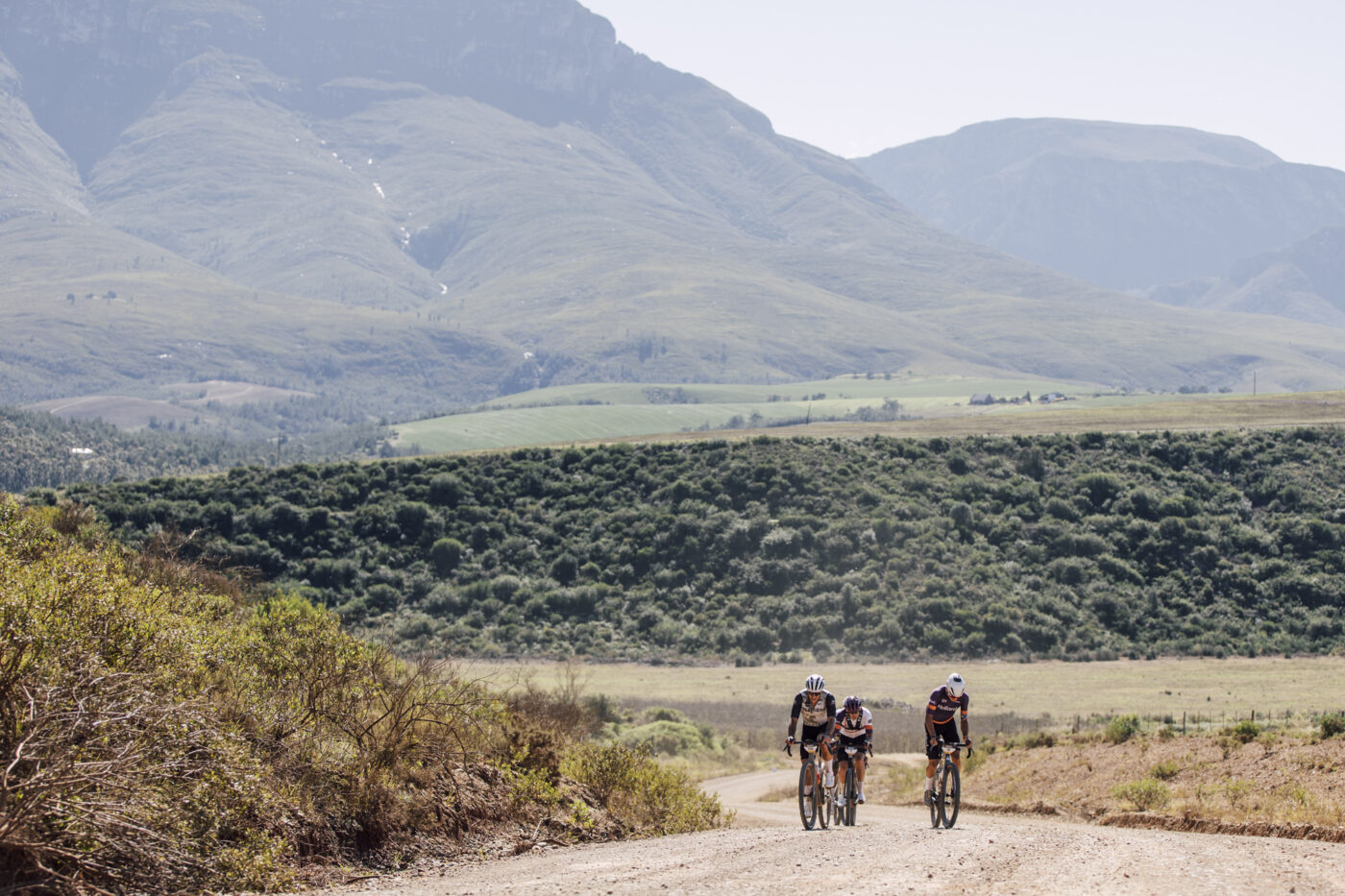
This stage served as a tough lesson in the importance of bunch riding and choosing your group wisely and the wind on the unsheltered flats was ruthless.
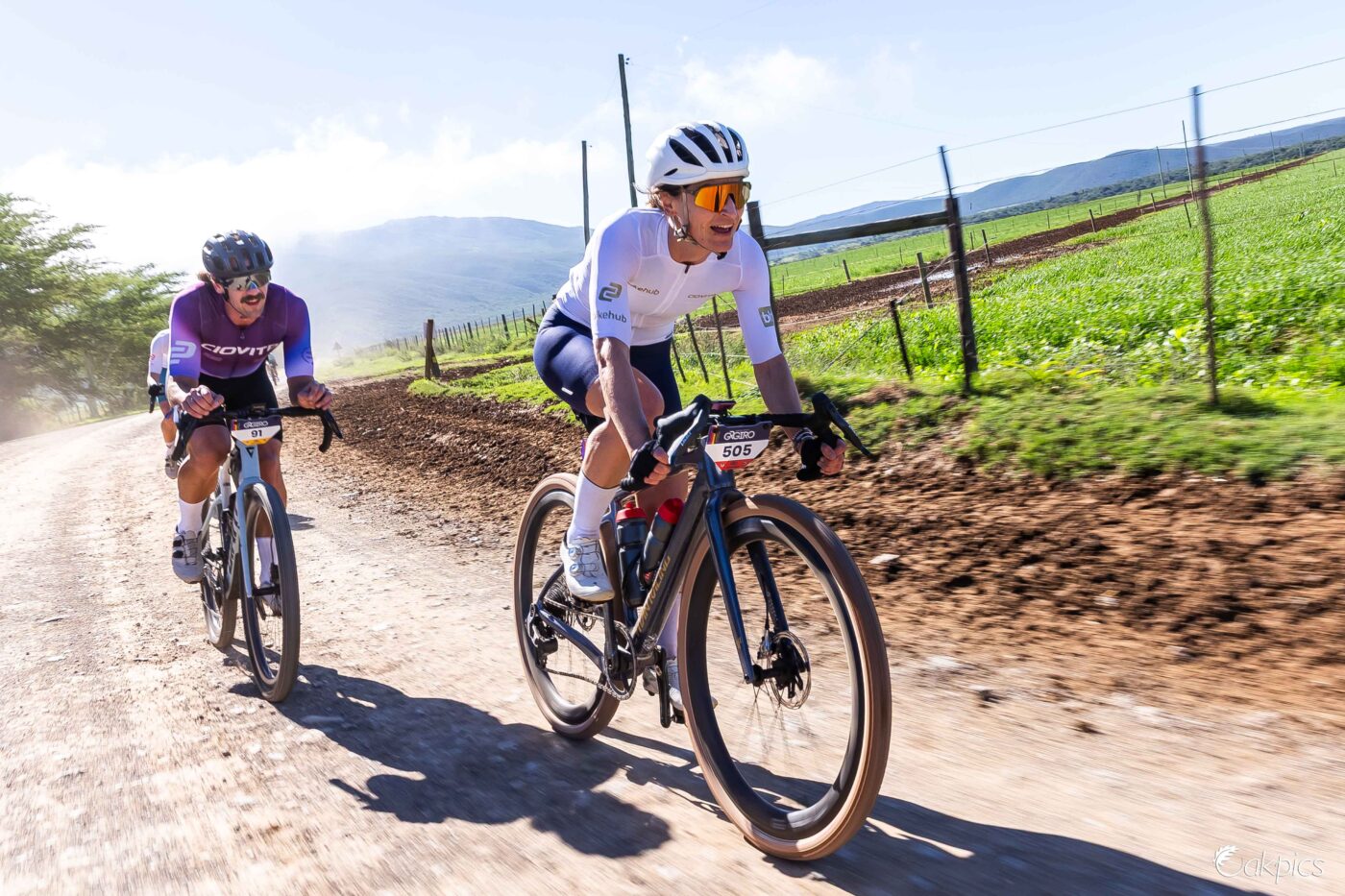
The route took us through cattle farms and canola fields, and despite some initial jarring sections the gravel was largely smooth and fast rolling. The Hoër Landbouskool Oakdale was our home for the night as we settled into the rhythm of race village life and prepared for one of the toughest and longest stages of the event on Stage 2.
Stage 2: Riversdale → Calitzdorp
Riversdale → Calitzdorp | 119 km | 2 050 m elevation gain | View on Strava
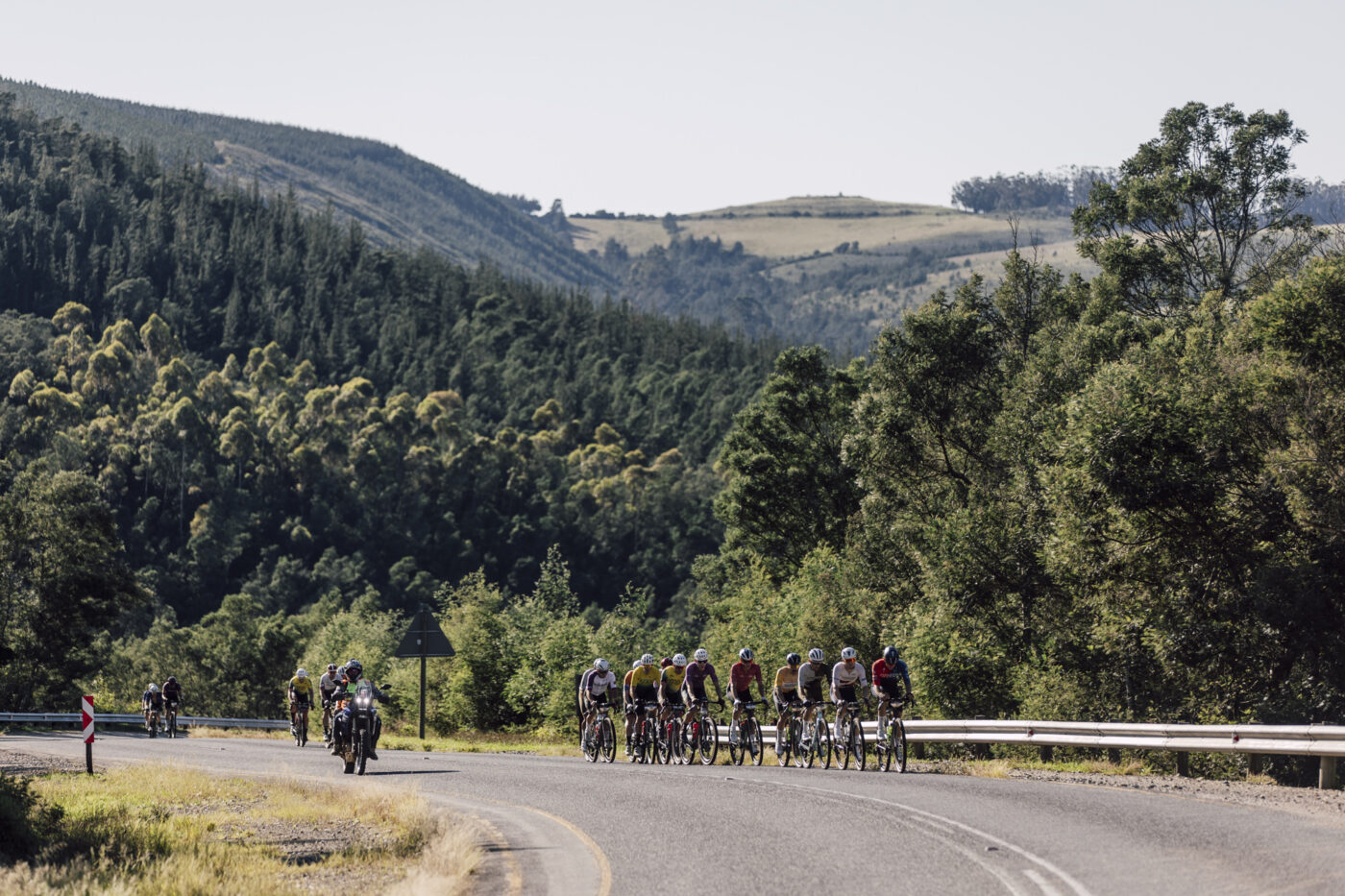
Stage 2 was the first of the big mountain days. We started out straight into a climb up Garcia Pass on tar, legs burning after the sharp effort of the previous day, and were promptly confronted with a block headwind which ripped the bunch apart.
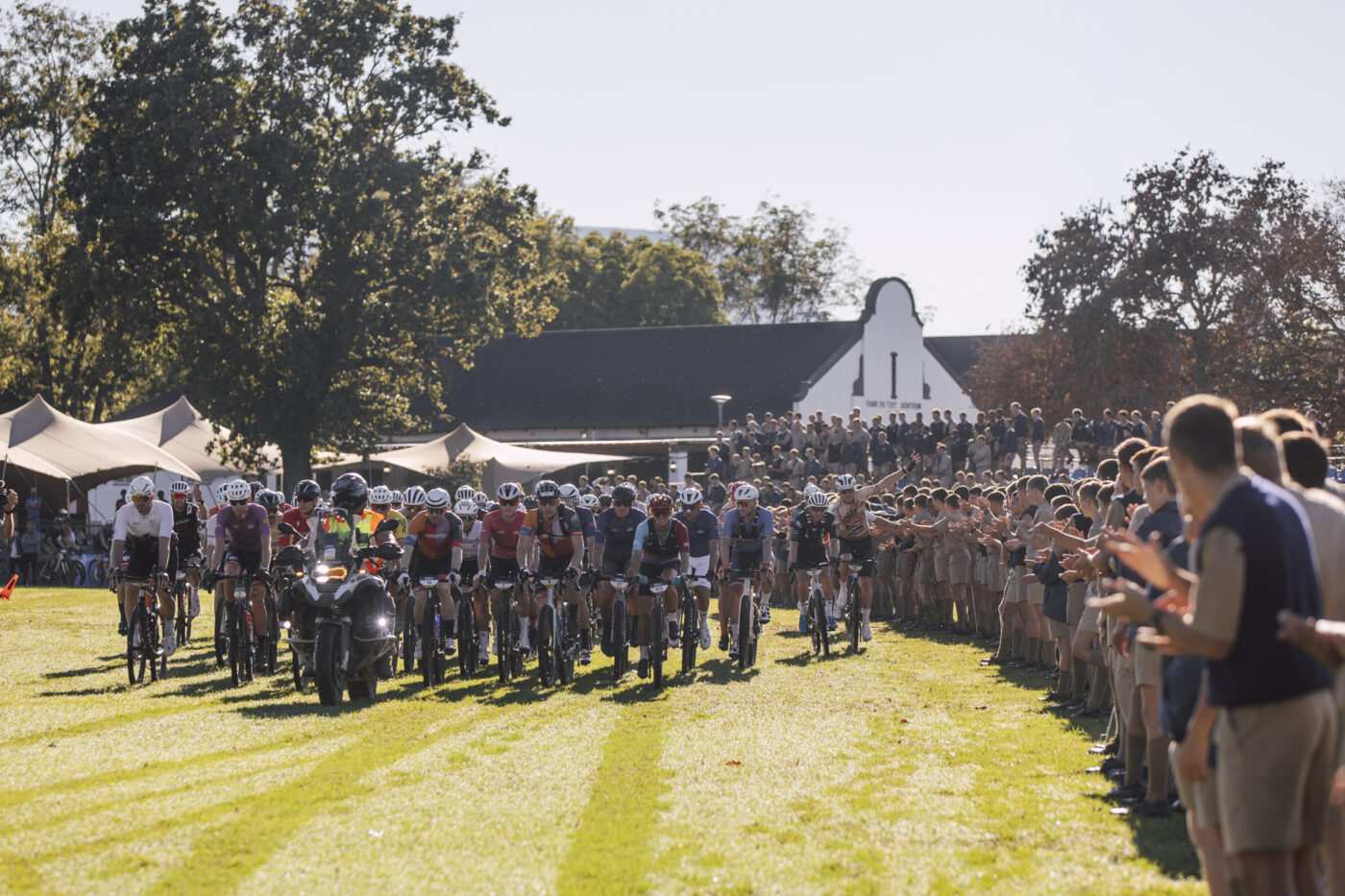
Leaving the green Garden Route farmland behind us, we turned off the tar into the Klein Karoo, and onto some of the fastest gravel sections of the week. Over forty kilometres of fast, undulating gravel roads took us to the water point at Van Wyksdorp. From here the gradient trended upward and the heat started to kick in. This was by far the toughest stage for me, and I nursed myself up Rooiberg Pass pedalling squares and trying to appreciate the magnificent scale of the pass and the views. It really is one of the most humbling places to ride a bike. Fortunately, there were plenty of others in the same boat or worse off, which helped make me feel better.
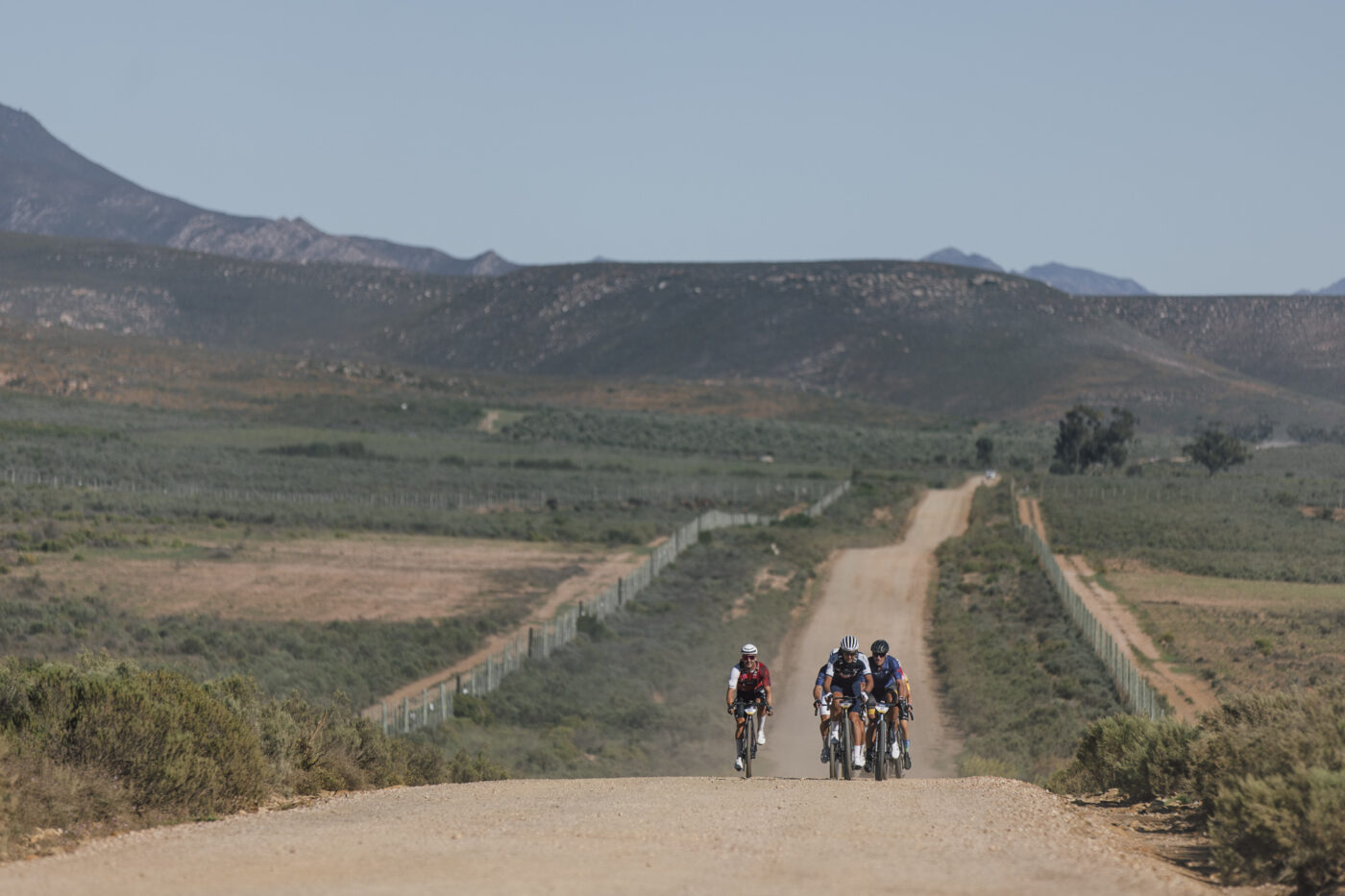
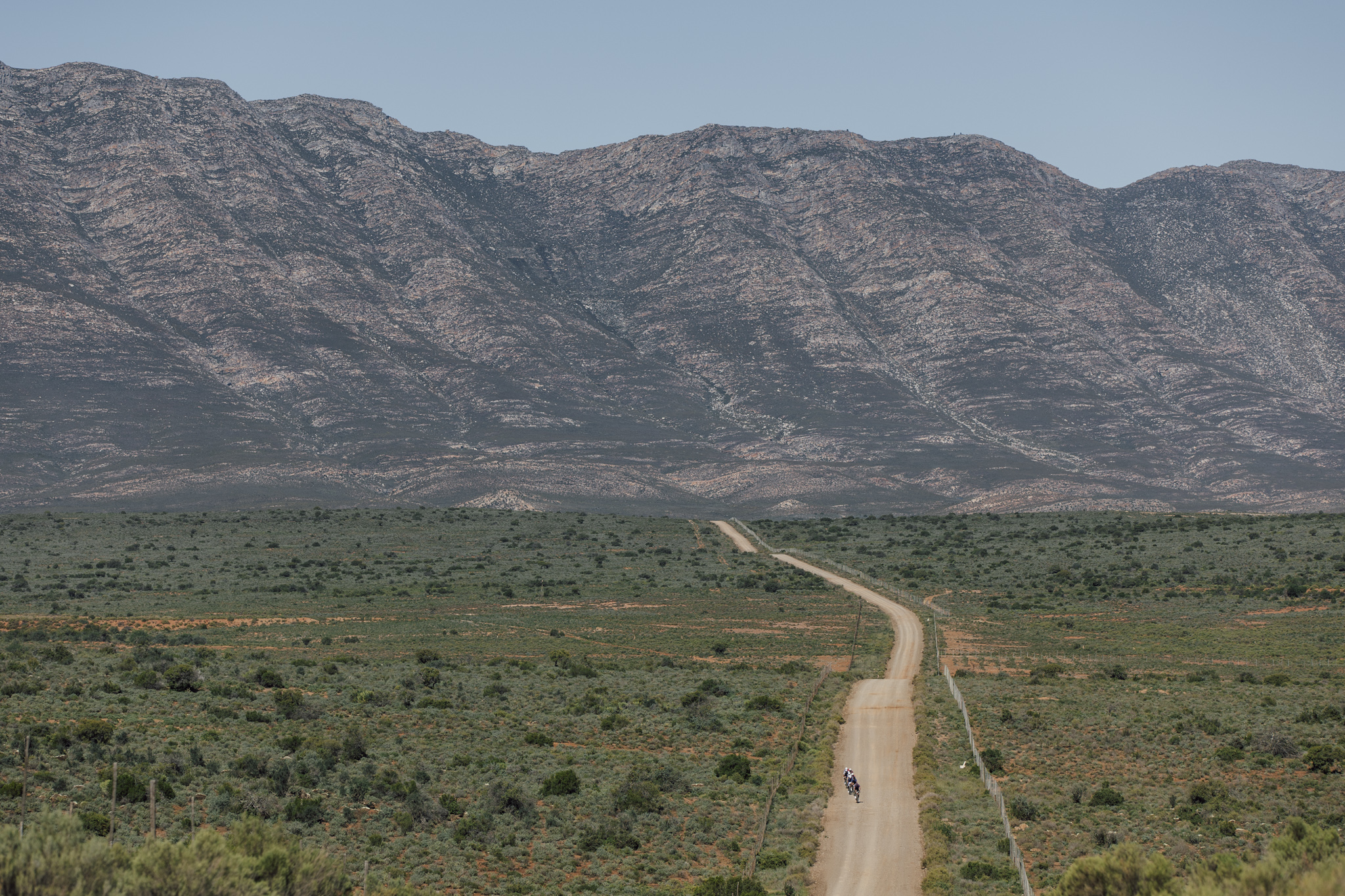
The descent off Rooiberg was rough, but manageable, and I was expecting a fast roll home on the tar. Cue another block headwind. Our little group dragged itself home rolling turns and losing members to cramps as we went. It was a relief to pull into Calitzdorp Station and descend like hungry vultures on the lunch table. This stage left me too tired to do anything except lie with my legs up and hope for better days to come.
Stage 3: Calitzdorp → Prince Albert
Calitzdorp → Prince Albert | 89 km | 2 200 m elevation gain | View on Strava
We started Stage 3 in very welcome rain. The mighty Swartberg Pass formed the centrepiece of the stage, and I was extremely grateful for the cooler conditions. We left Calitzdorp and headed straight onto rolling gravel roads through a beautiful, lush, green valley — a surprising contrast to the relatively arid Karoo vegetation we’d been experiencing.
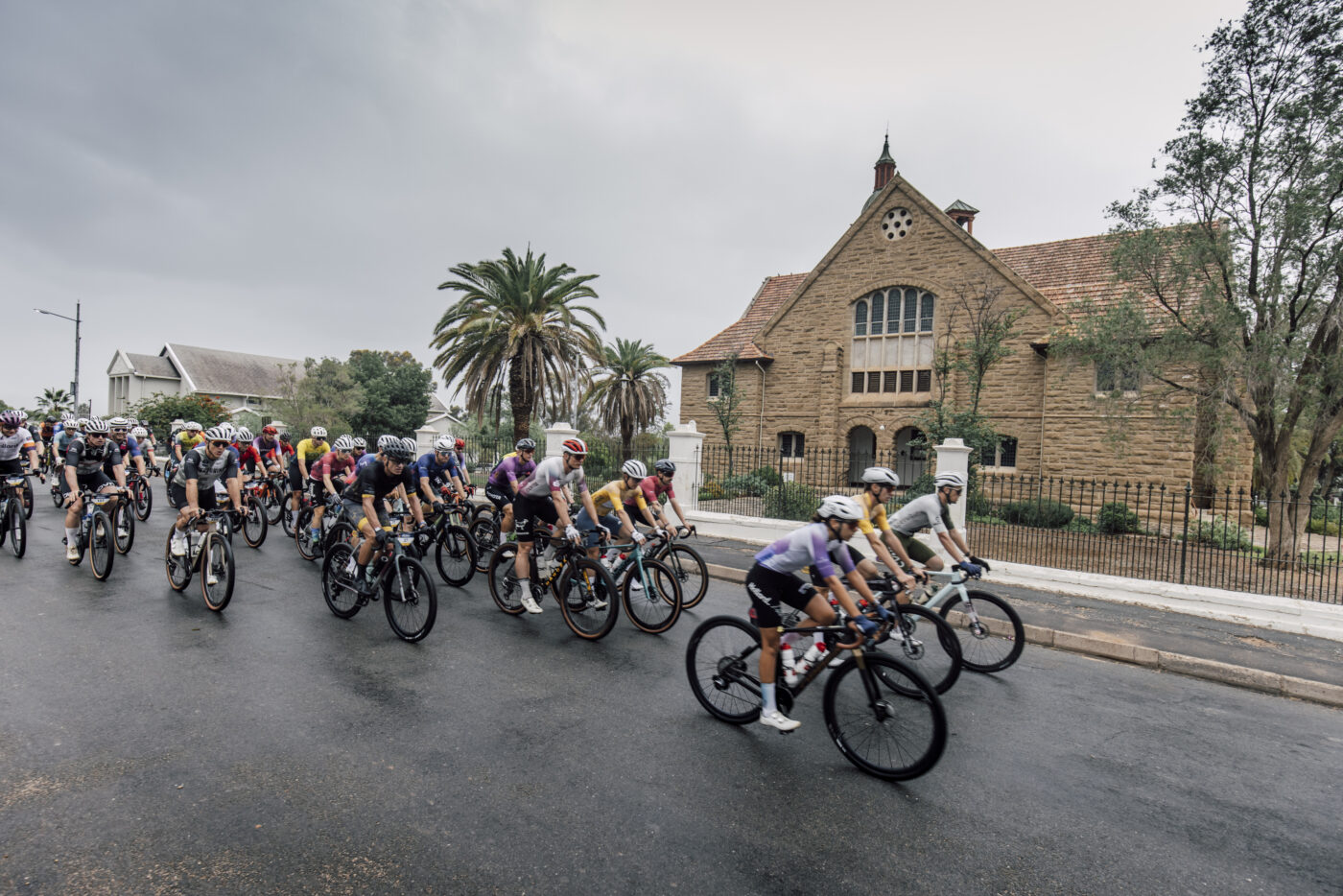
The rollers quickly grew in magnitude, and the elevation started stacking up. Once again choosing the right group was key. Go too hard and you would burn your legs before the climb, or worse, end up alone in no man’s land.
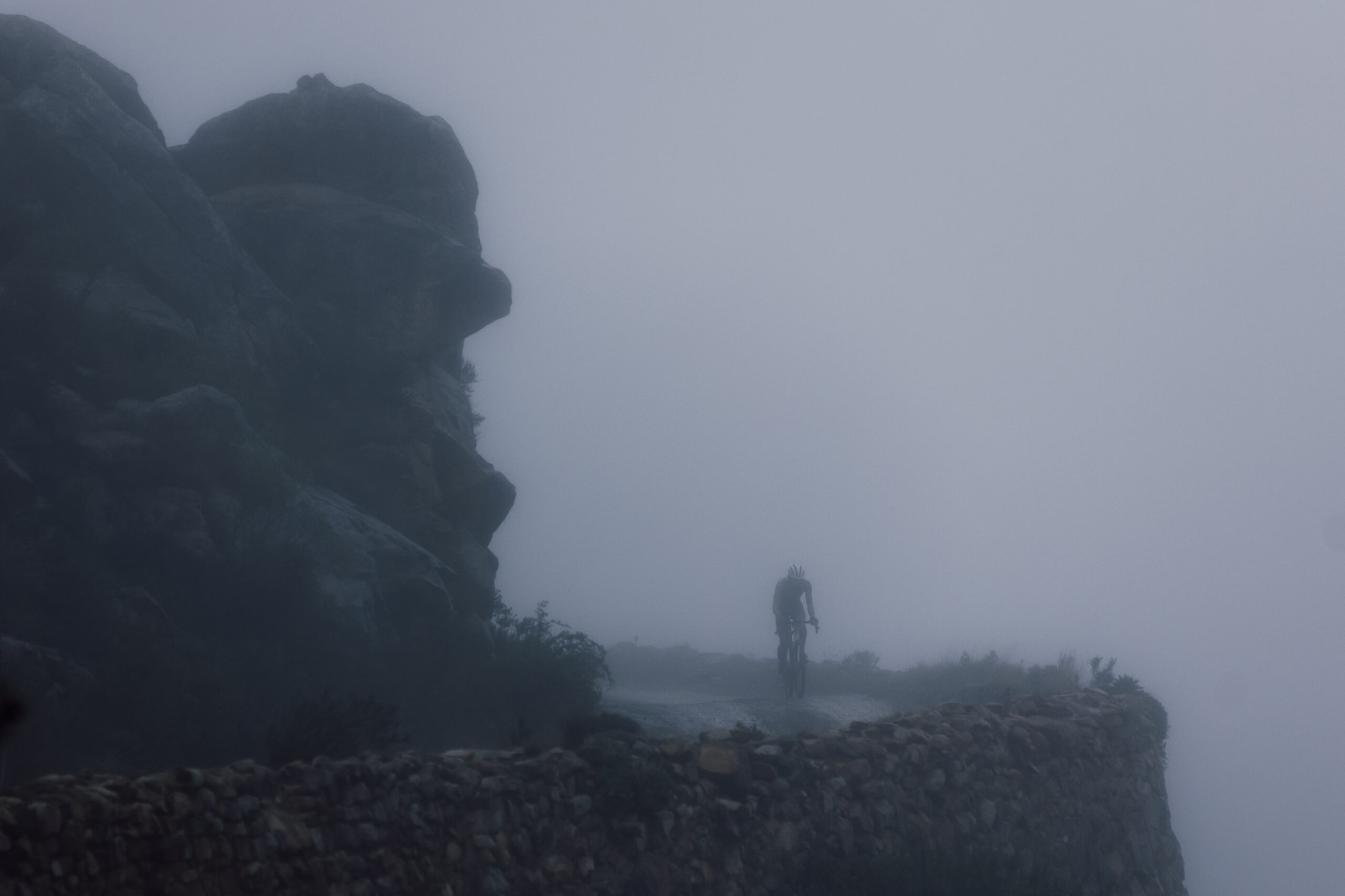
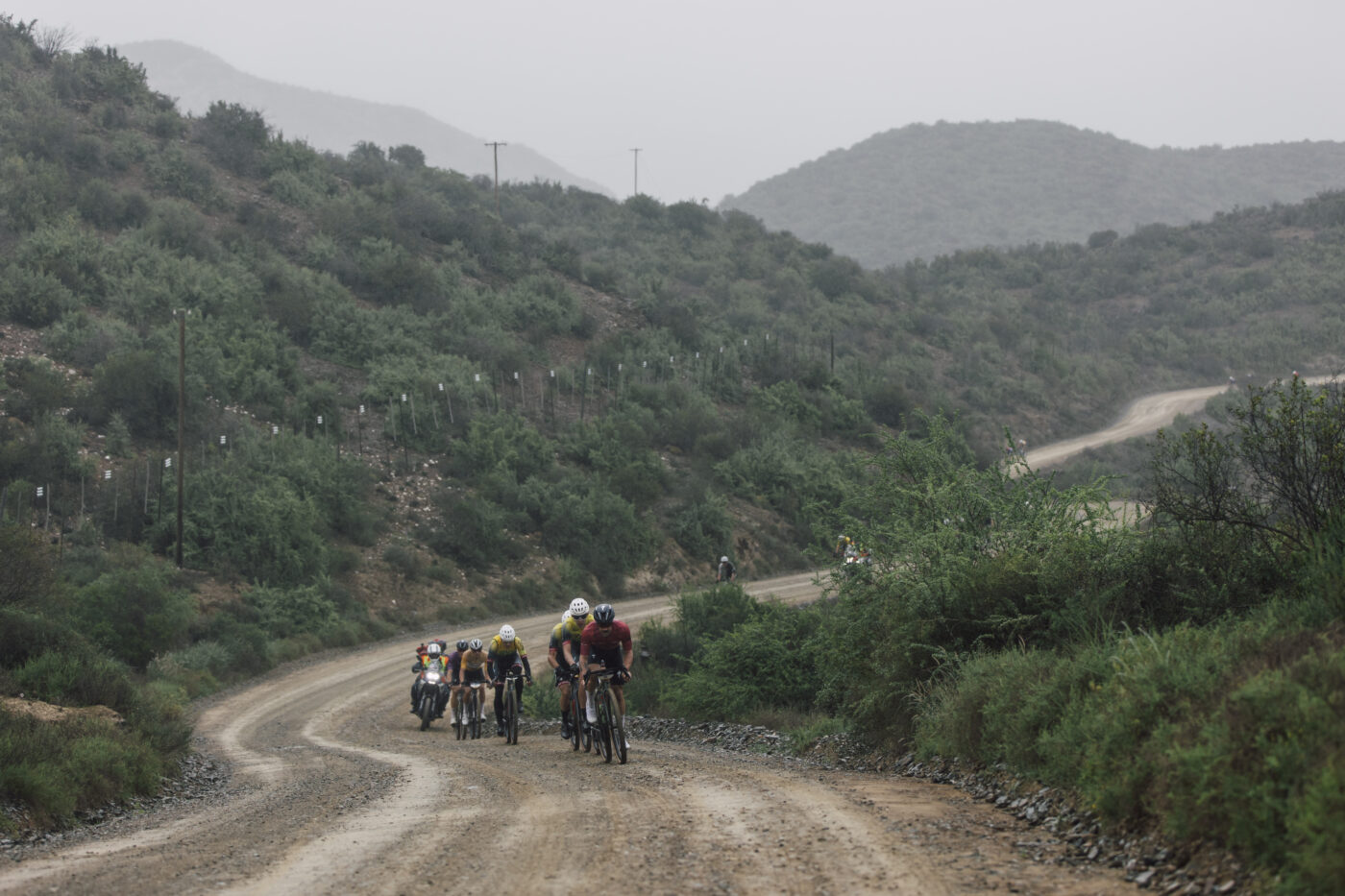
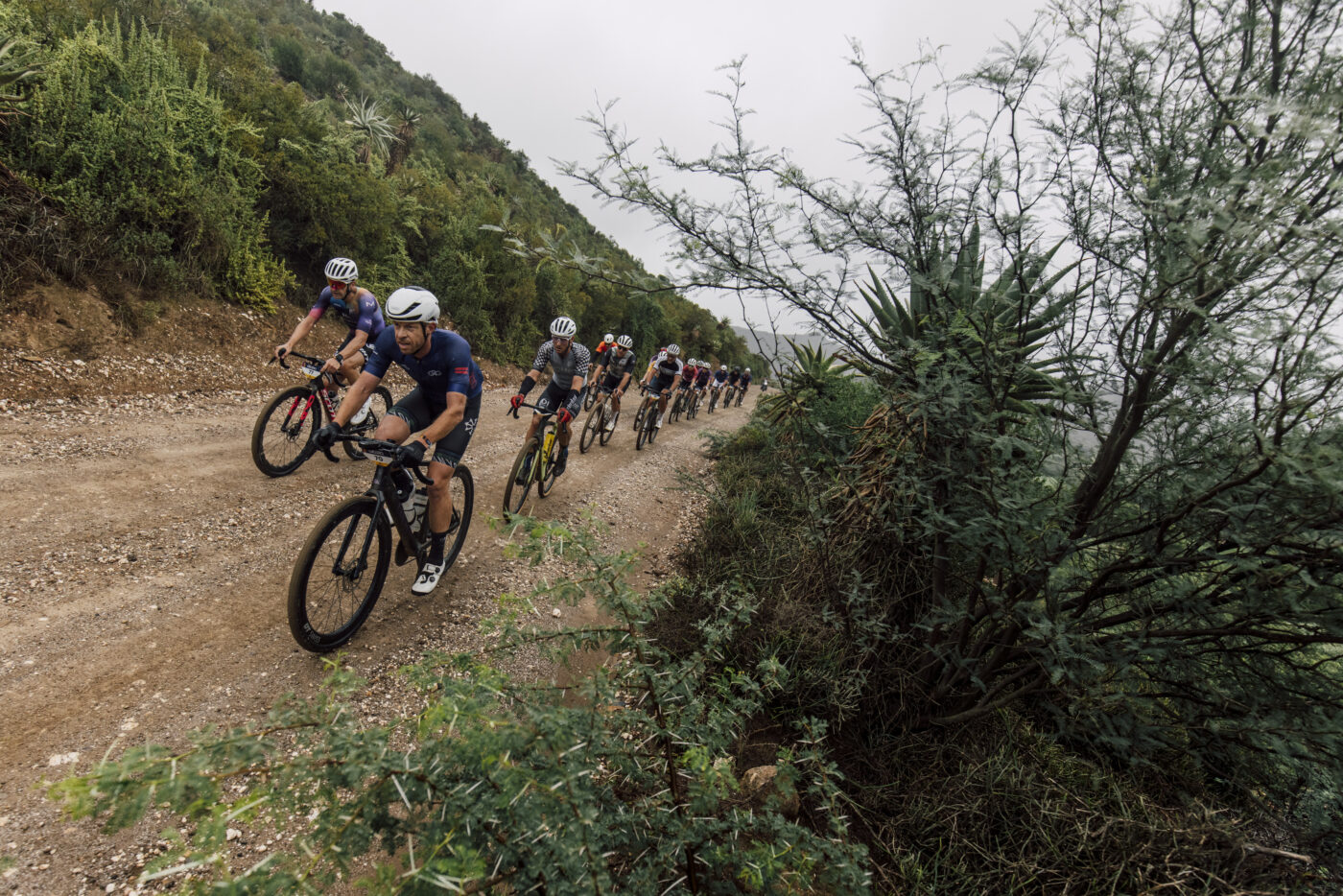
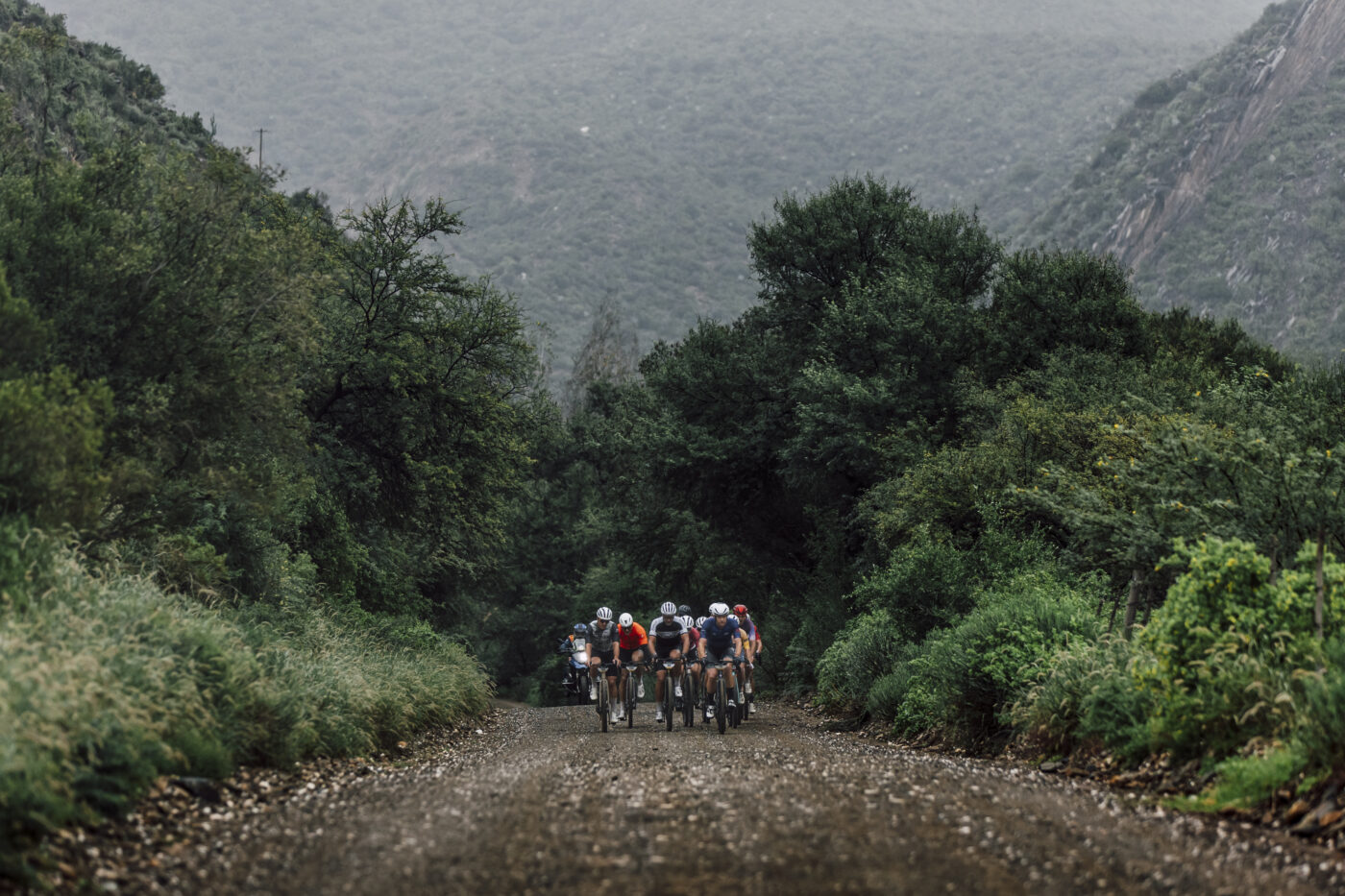
After struggling on Rooiberg Pass the previous day, I was relieved to feel my legs kick into gear on Swartberg, and thoroughly enjoyed climbing in the clouds. It meant you couldn’t see what was coming, and really forced you to focus on the present.
The descent was running considerably more smoothly than previous experiences, and it was a treat to roll into Prince Albert feeling positive.
Stage 4: Prince Albert → De Rust
Prince Albert → De Rust | 87 km | 2 100 m elevation gain | View on Strava
Stage 4 was a bucket list day for me as I had never ascended Swartberg Pass from the Prince Albert side. Once again I was grateful to start in cooler conditions, and after a neutral zone out on the tar we had just a few kilometres of flat to warm up before the climb. The Swartberg Pass deserves its reputation as one of the most formidable passes in the Karoo. It is both literally and figuratively breathtaking.
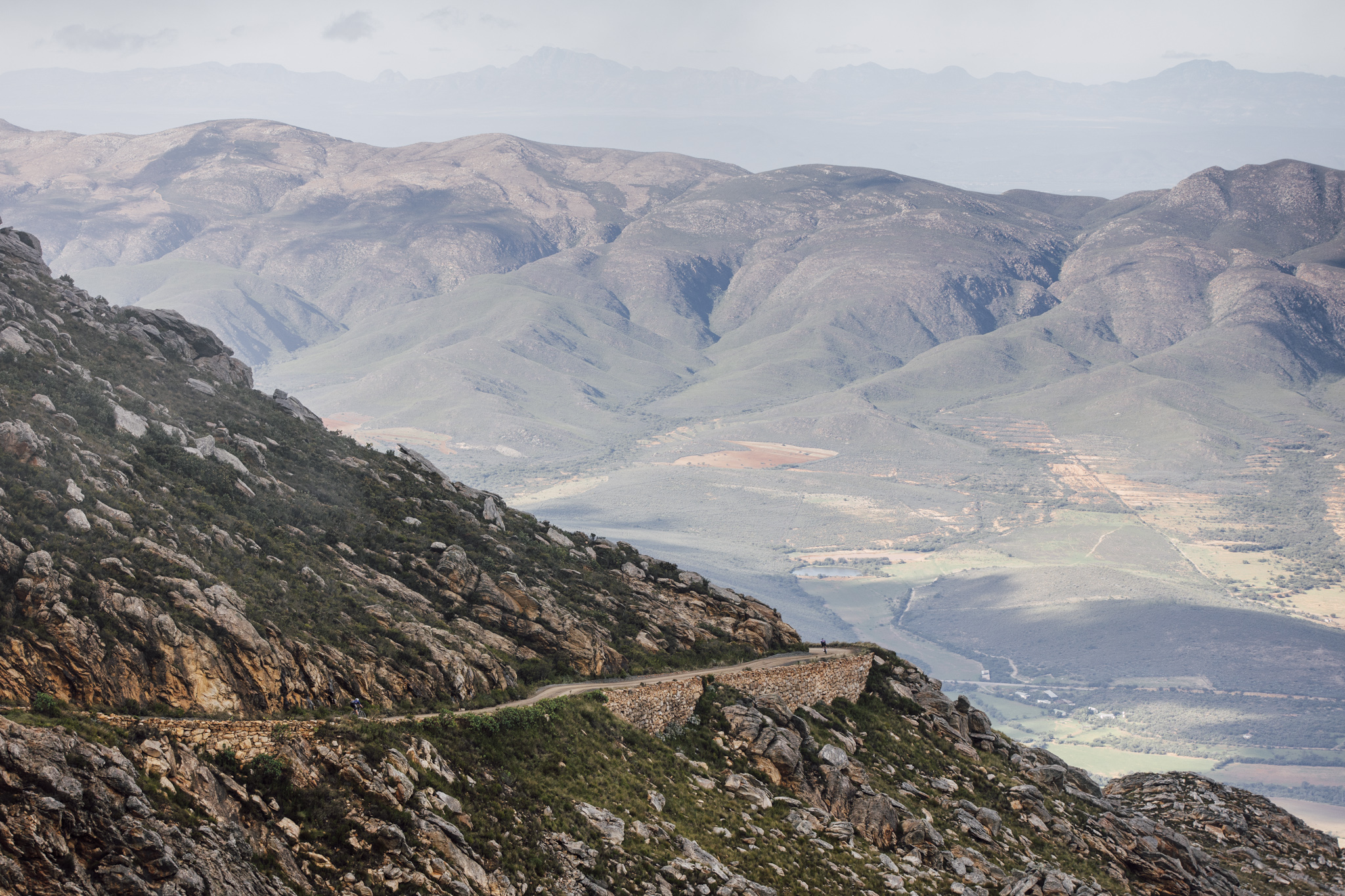
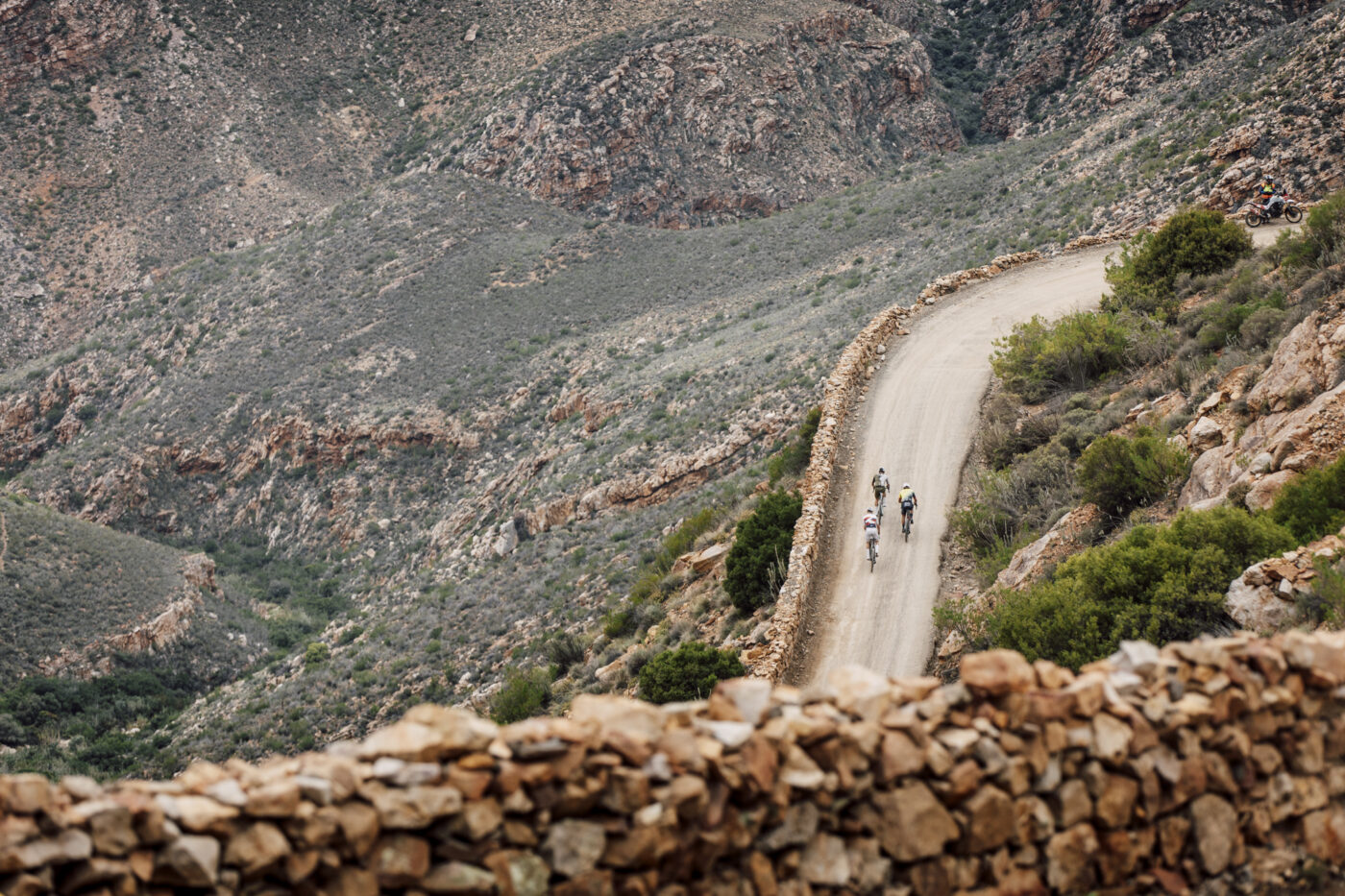
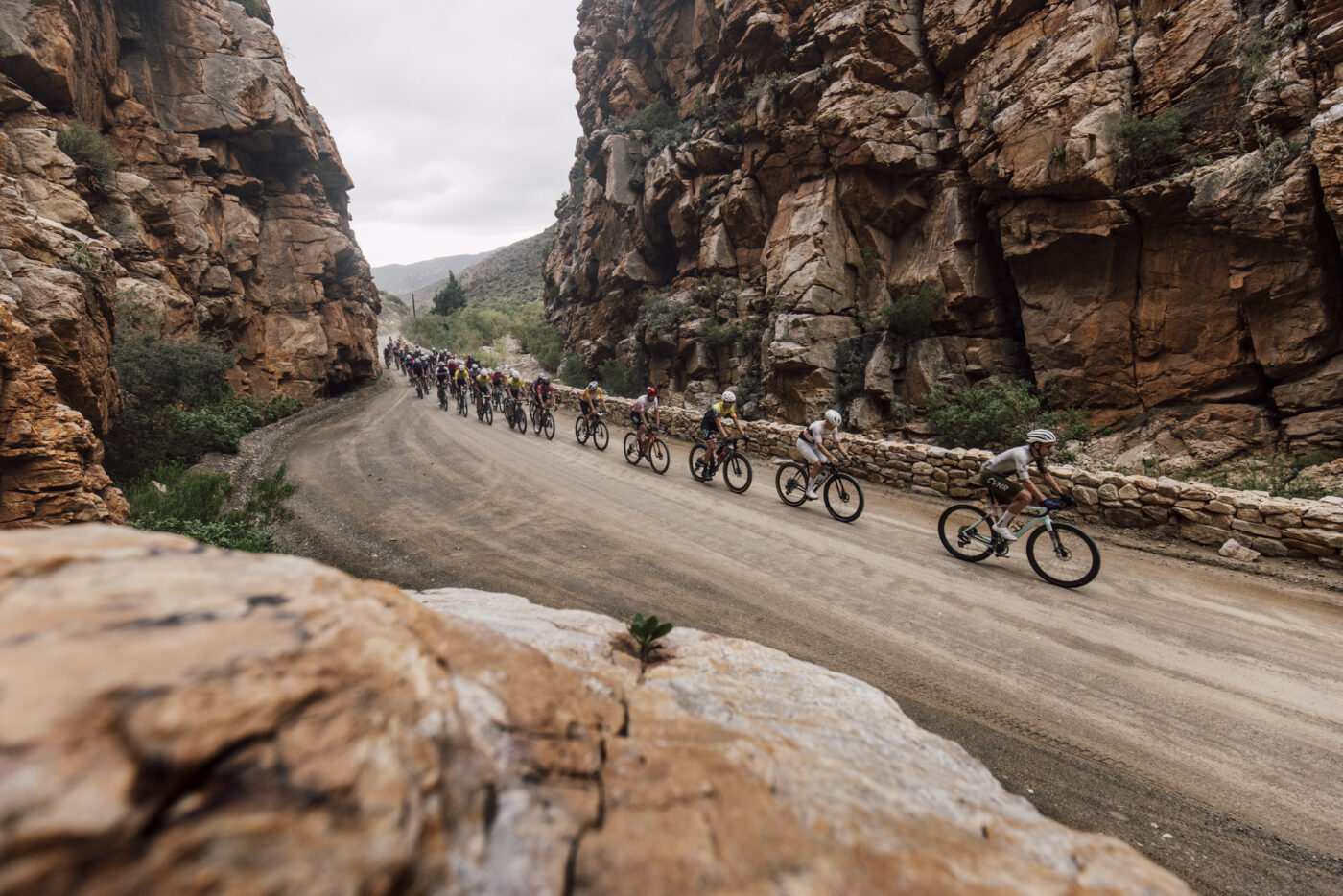
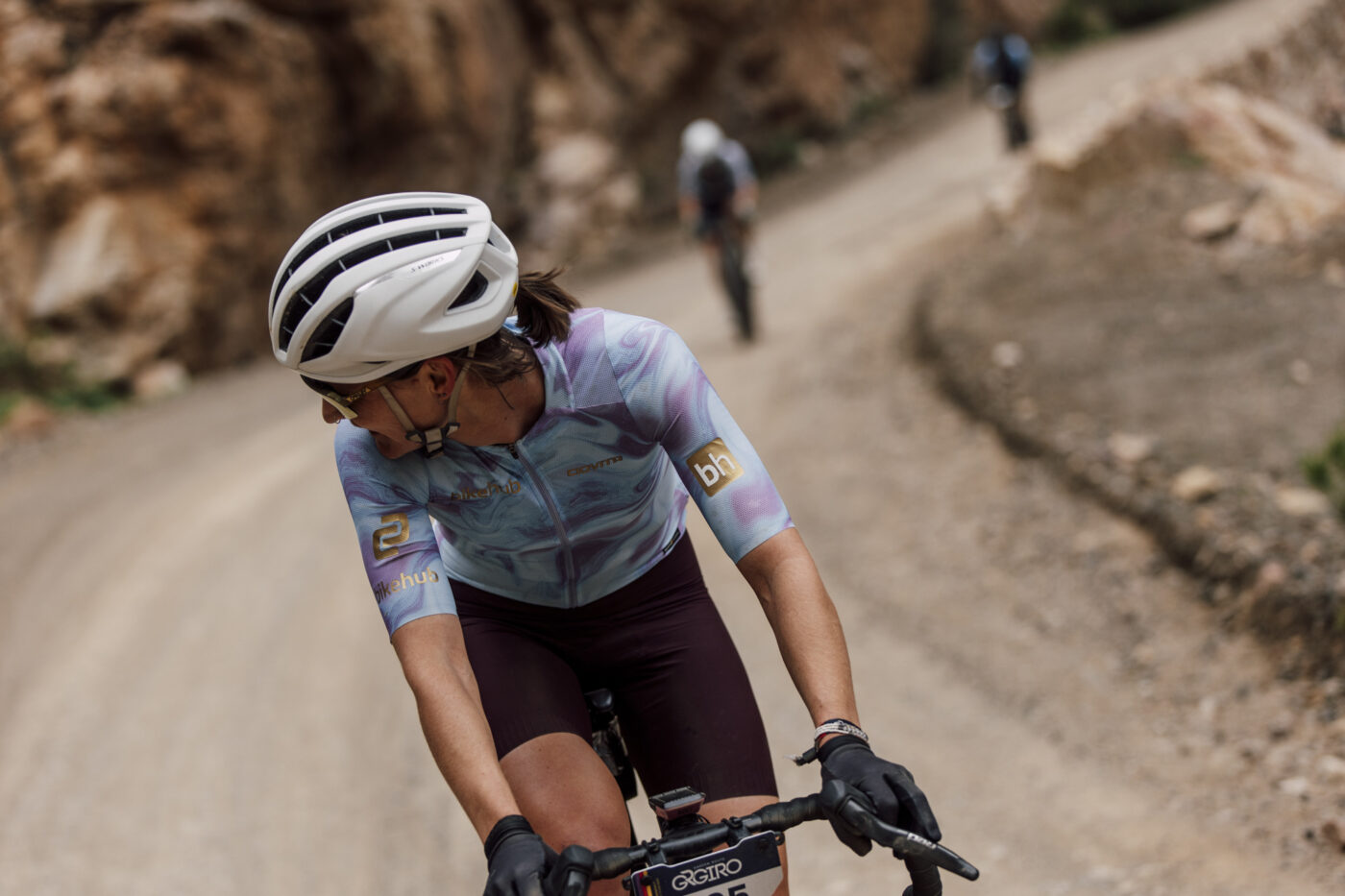
I felt very small and insignificant looking at the valleys and rocks that have been carved out over hundreds of thousands of years.
The stage was broken up by a ten-kilometre neutral zone due to rockfalls on the Oudemuragie road, and the rolling hills into the finish meant this was by no means a pure climbers’ stage. Once again the landscape changed as we rode from Karoo scrub, to lush greenery in the valley, and back to farmland as we approached De Rust.
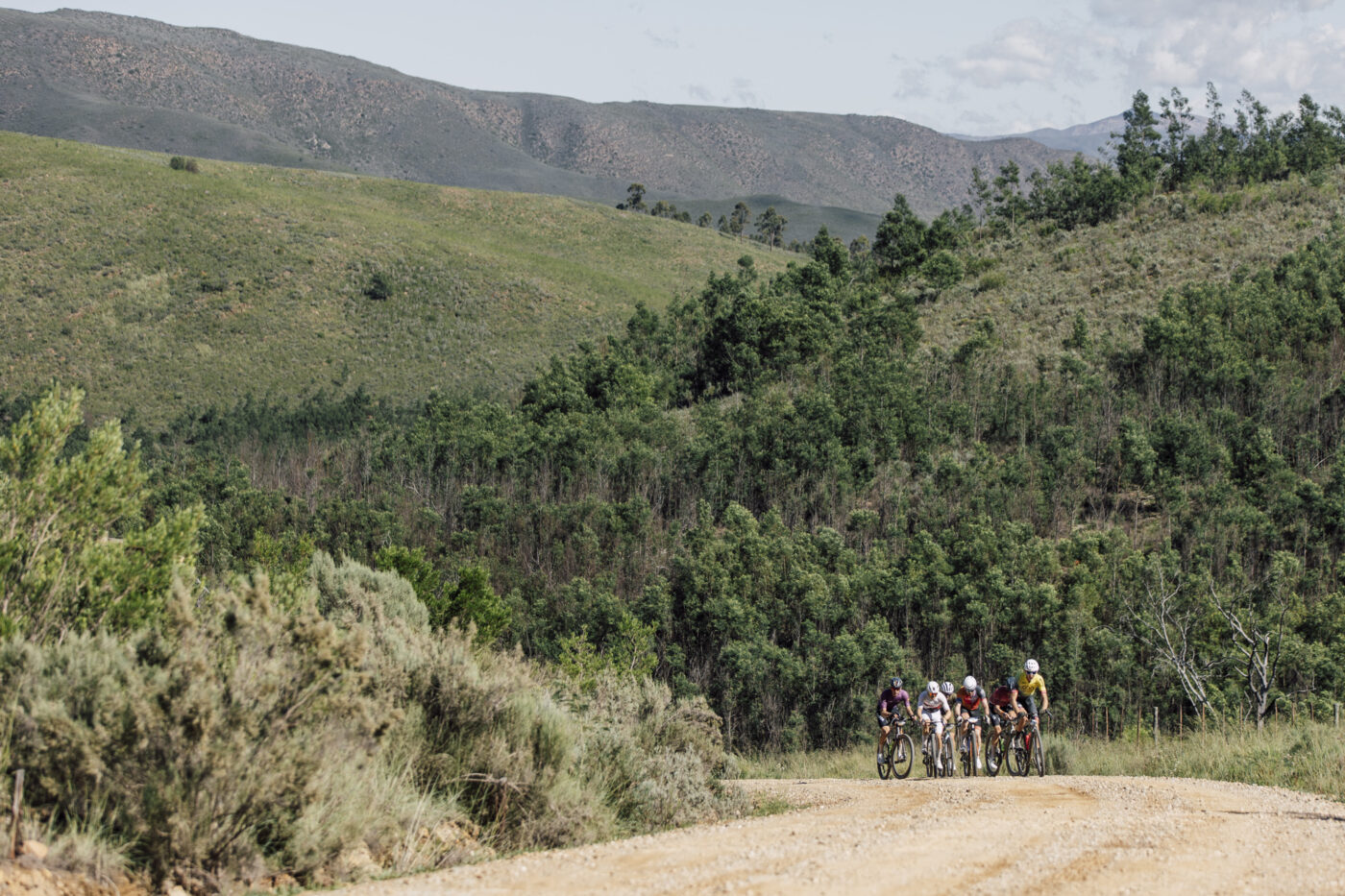
I rolled into De Rust with one thing on my mind: the longest nap the shorter stage would allow.
De Rust was my favourite race village: it was compact and comfortable, with no long dusty walks required. Food was served with such hospitality and enthusiasm that you couldn’t do anything except enjoy it. The steak and chips dinner was everything my heart desired at that moment, and more, and I regret not using my nap time to explore more of the town.
Stage 5: Hoekplaas (De Rust area) → Knysna
Hoekplaas (De Rust area) → Knysna | 127 km | 2 400 m elevation gain | View on Strava
Stage 5 was the Queen Stage, and again the Foot and Mouth Disease situation granted us reprieve, as the original stage distance was 157 kilometres. Instead we were bussed to the start at Hoekplaas, and were able to appreciate the scenery from the comfort of a well-padded seat.
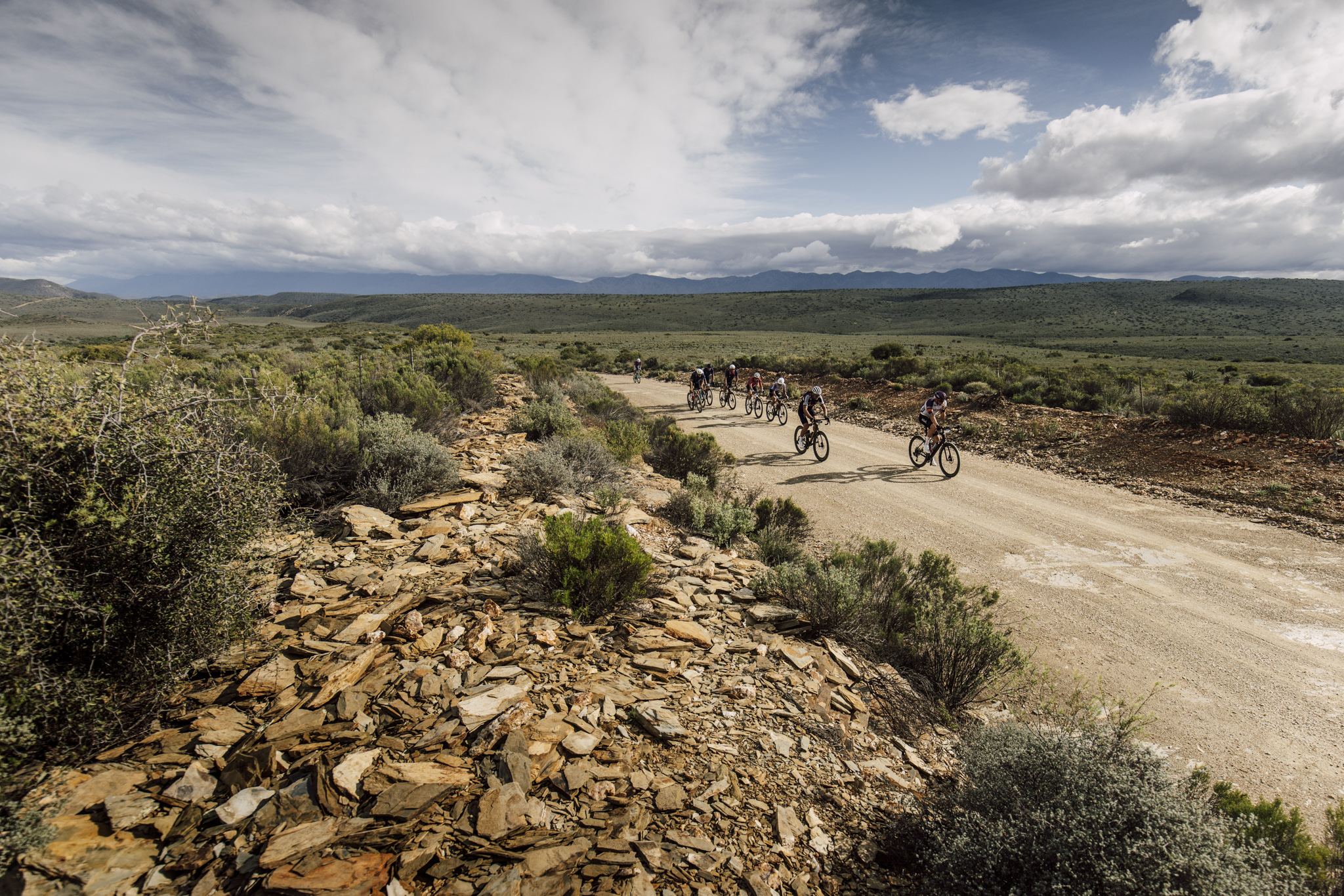
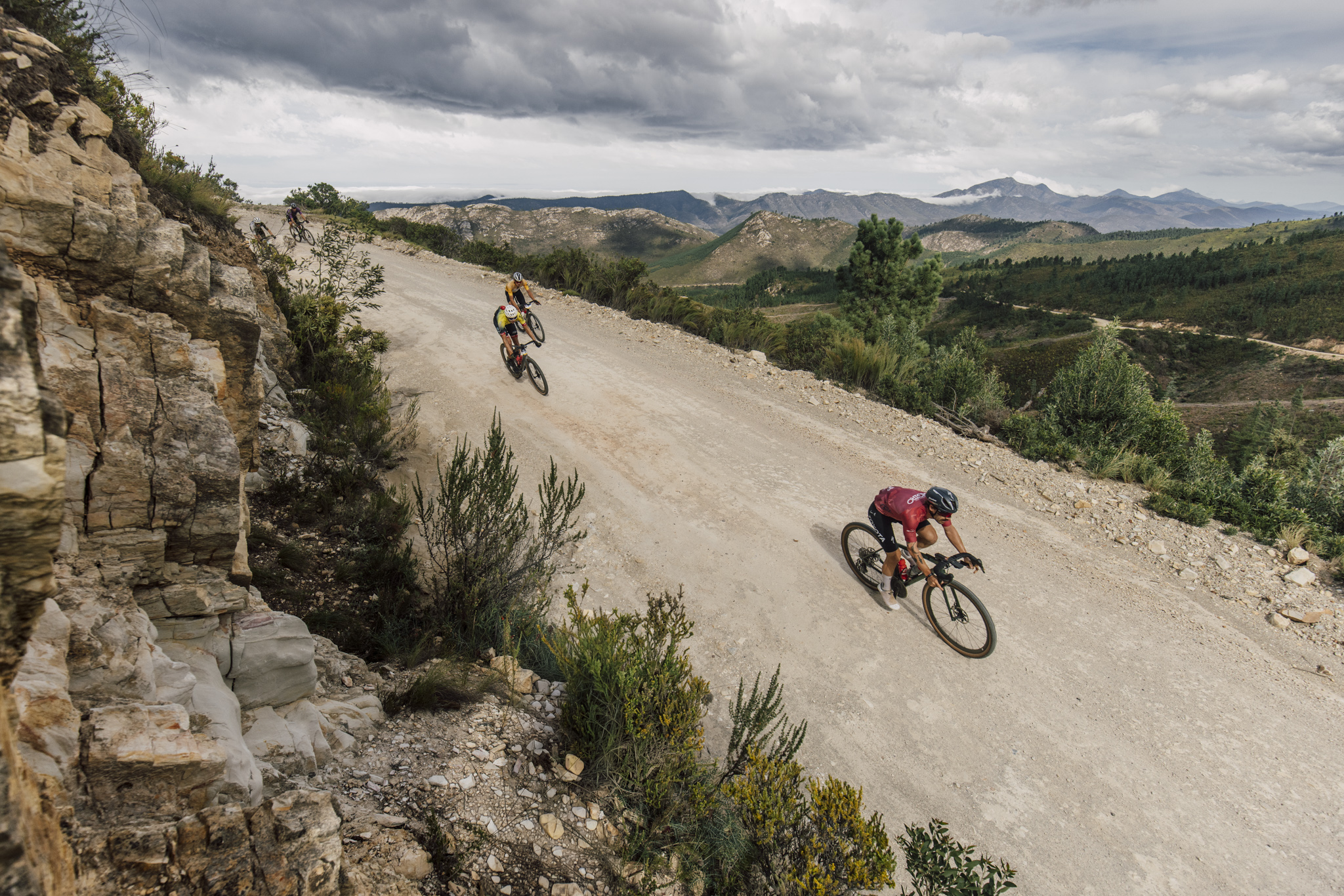
The stage was nonetheless a monster, with the key feature being Prince Alfred’s Pass: the longest continuous gravel road pass in South Africa, which sweeps from the Klein Karoo through the Langkloof all the way down to the forests of Knysna. The scale of this road took me by surprise, the descents felt endless, and every climb had another corner around the corner.
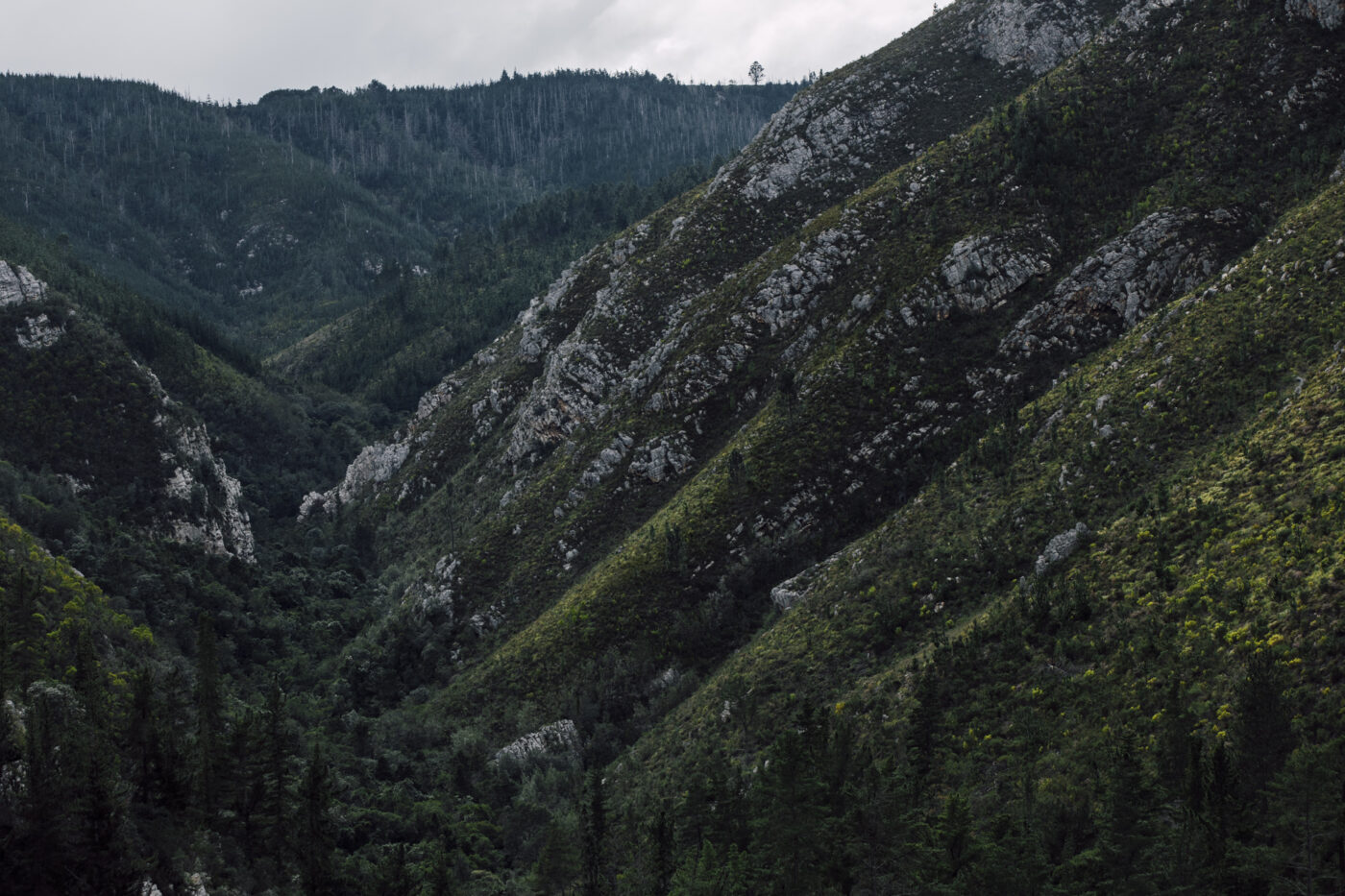
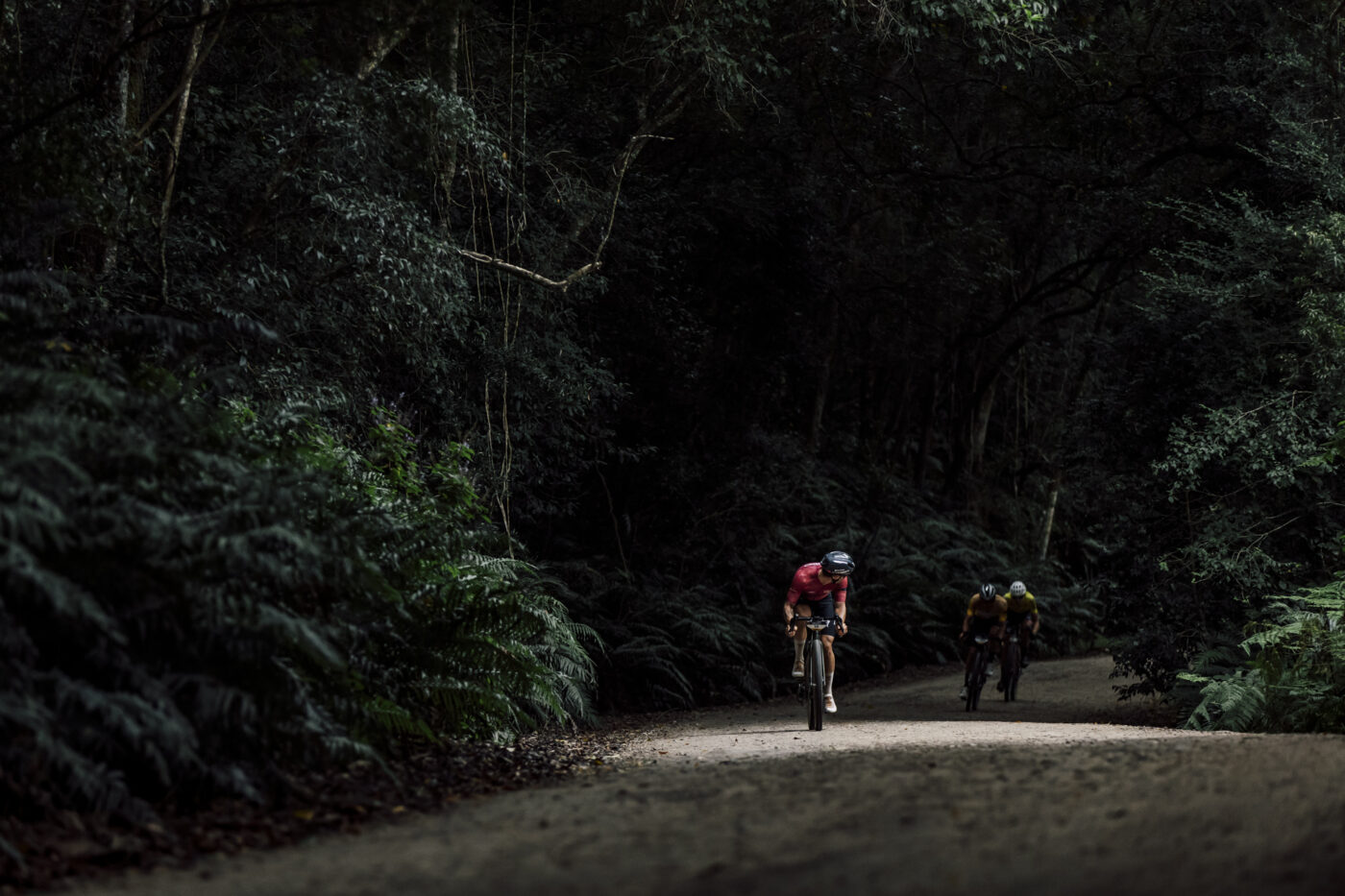
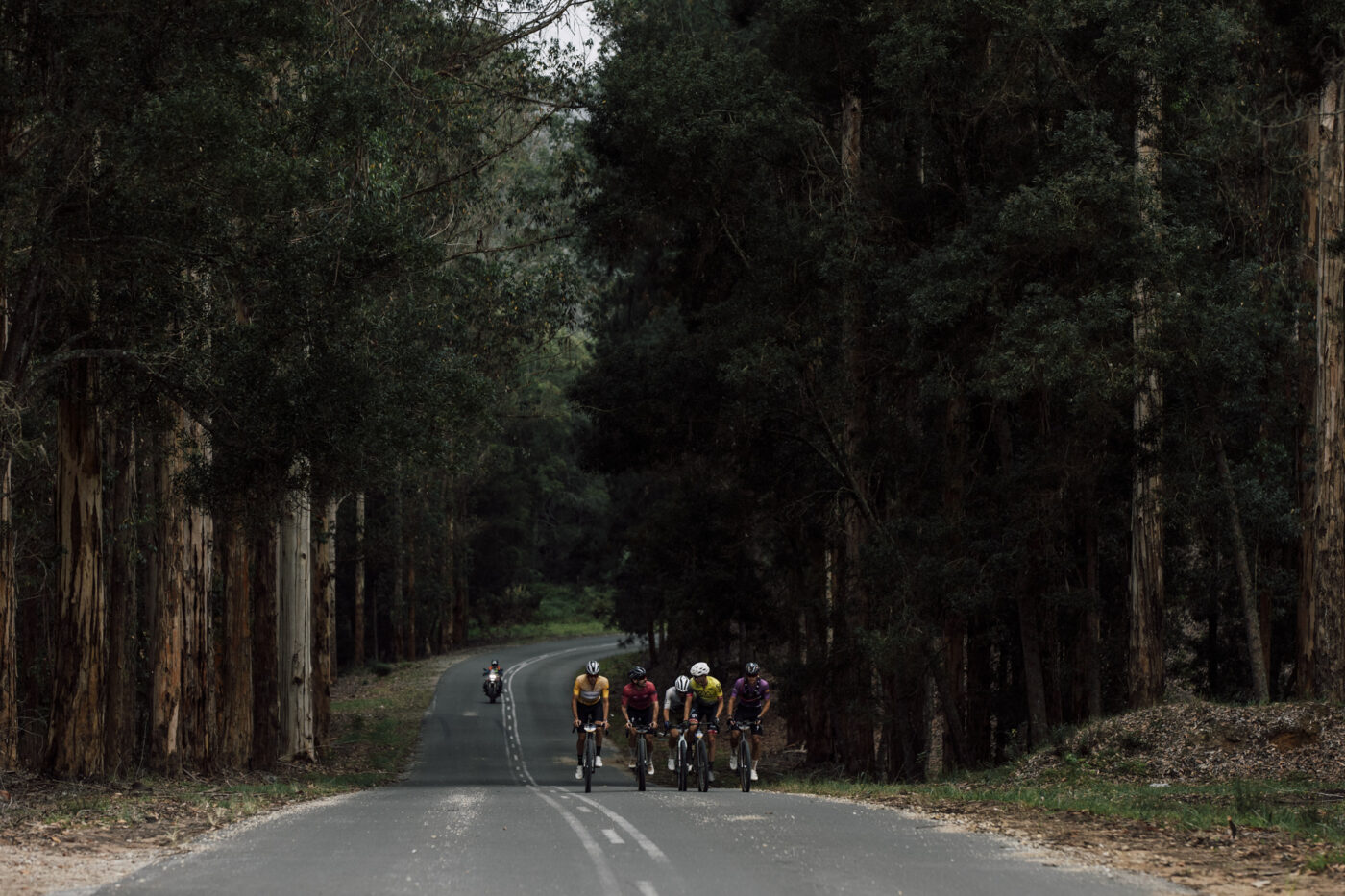
We were again fortunate to have cool conditions and even a little rain towards the end of the stage. The longest and hardest part was the contour road through the Knysna forest, which was flat, corrugated, and seemingly endless: it stretched our tired bodies to the limit. However, the fast descent of Simola and flat tar into Knysna meant we ended on a high note that even the rain couldn’t dampen.
Stage 6: Knysna → Wilderness
Knysna → Wilderness | 75 km | 1 200 m elevation gain
Stage 6 was another short stage – supposedly ‘easier’ – but predictably it just meant that everyone rode faster. The stage started out with a neutral zone until we turned off the tar onto the Phantom Pass road. This is another iconic climb (although nowhere near the magnitude of the others). We then found ourselves on the Seven Passes Road, and it was a case of gritting teeth and counting down the passes as we dropped down and climbed out of gorge after gorge.
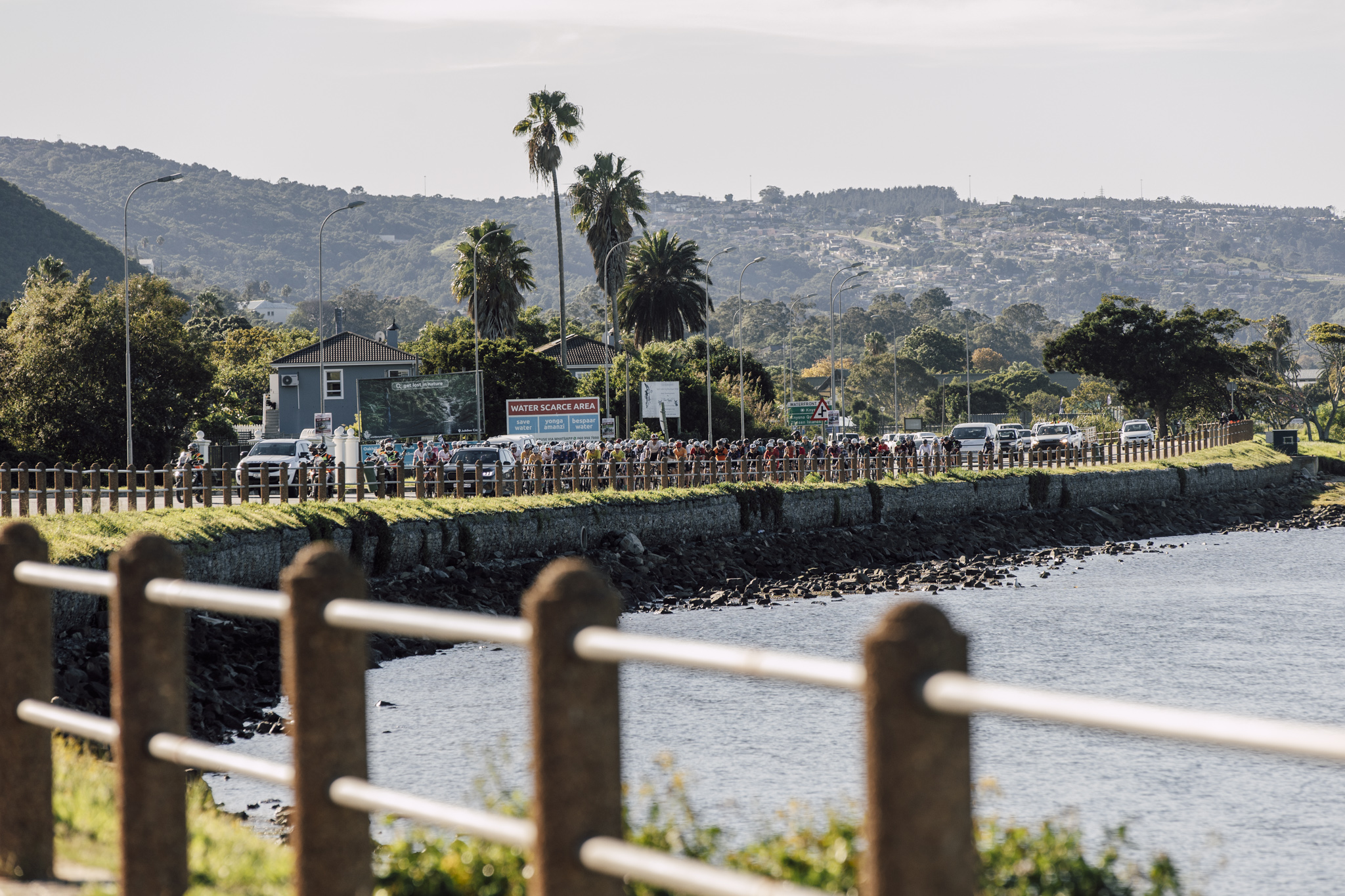
The scenery on this stage was uniquely “garden route”: rolling green hills, indigenous forests, glimpses of the Indian Ocean in the distance, and the Outeniqua Mountains standing guard over it all.
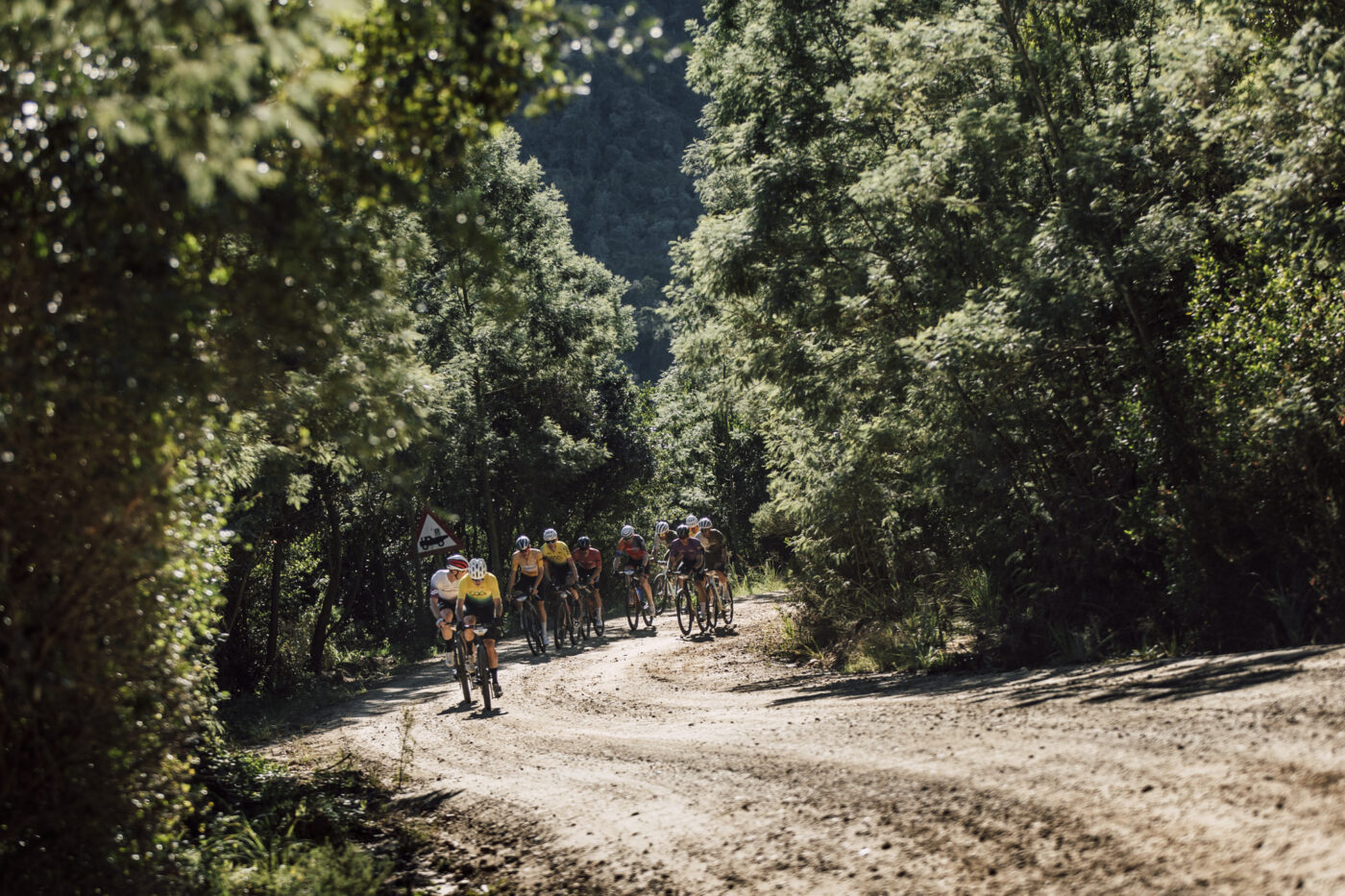
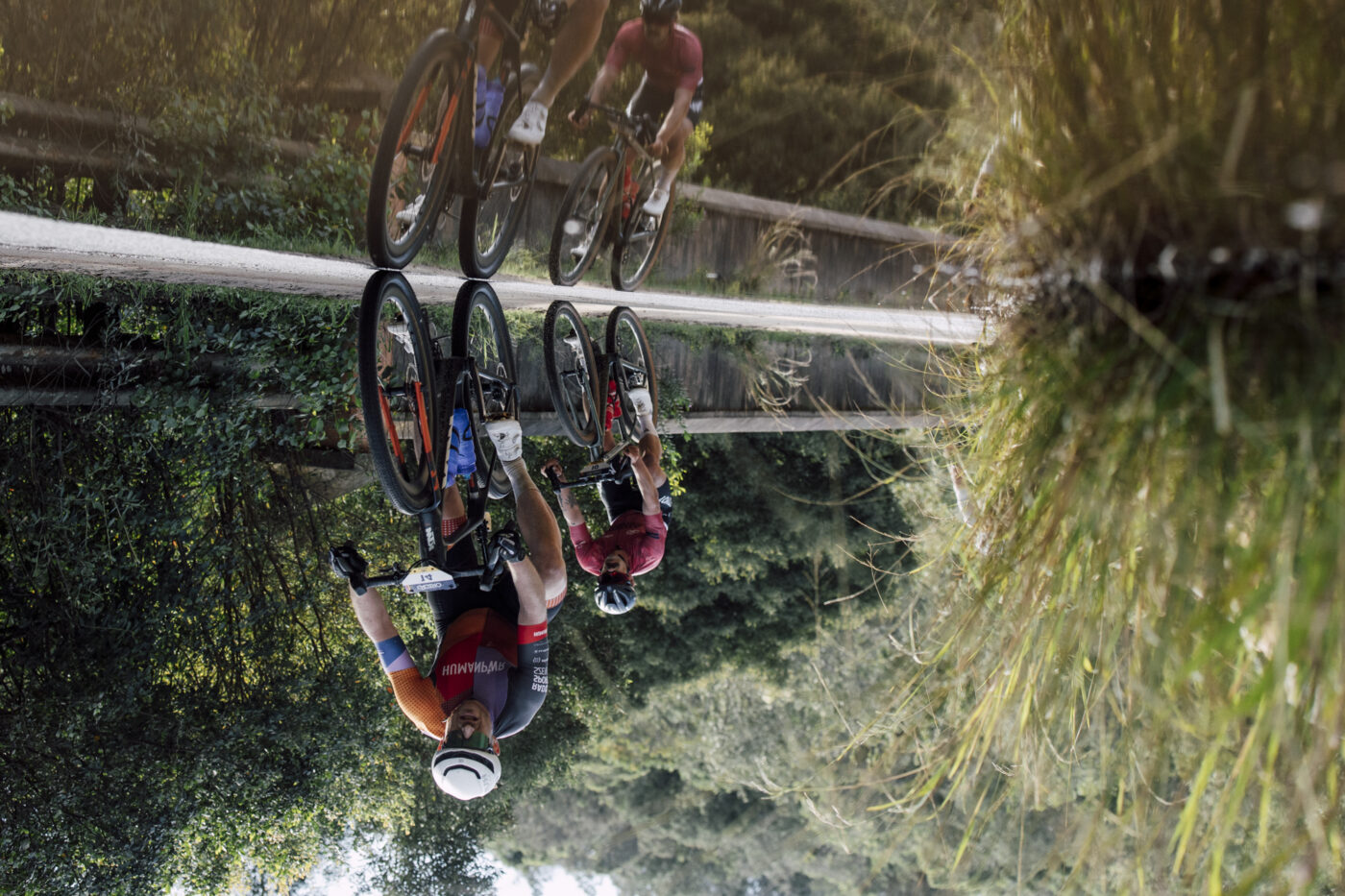
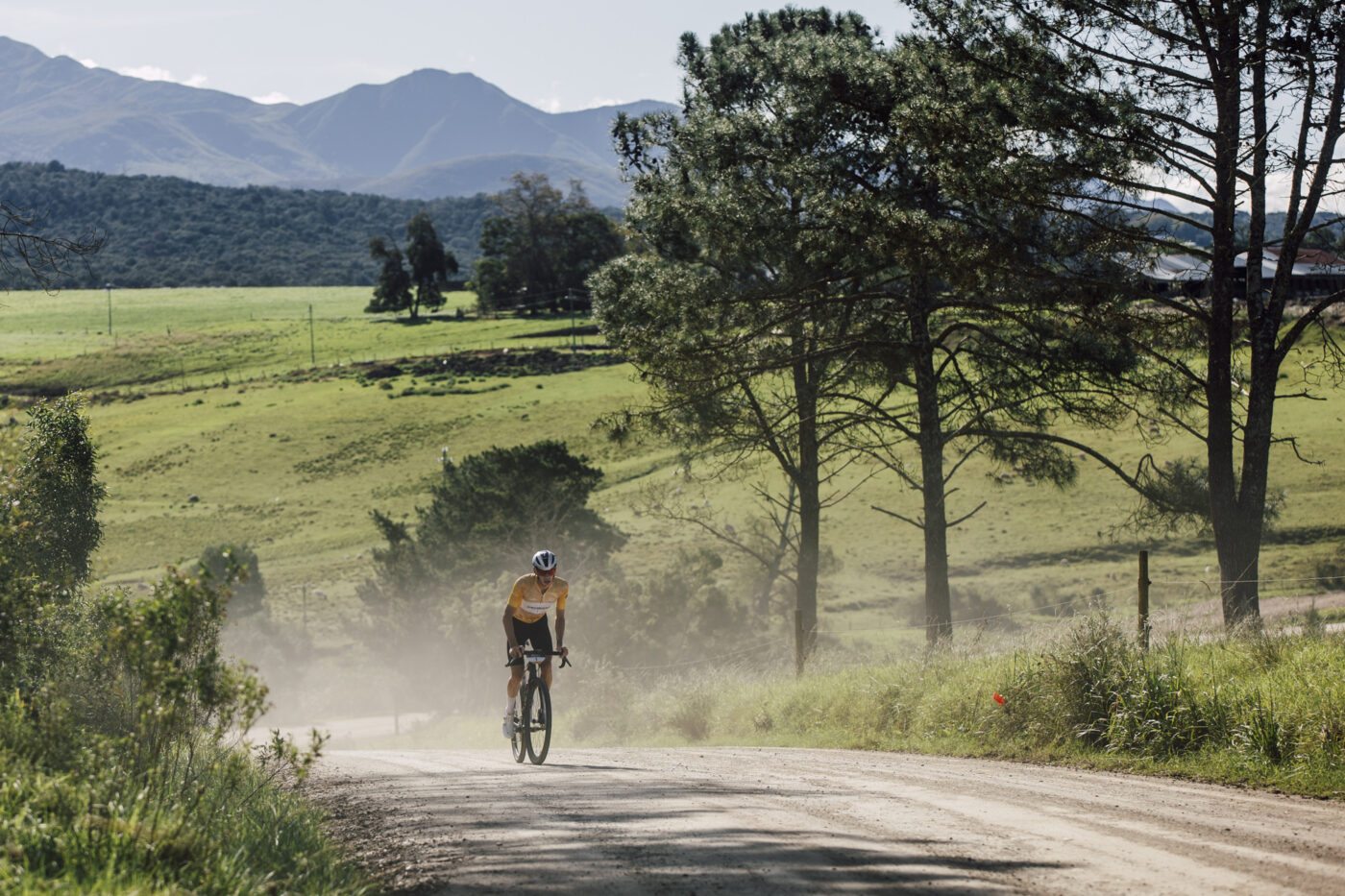
Just when I thought I couldn’t hold on or push any more, we hit the flats going into Wilderness. Probably the worst corrugations of the week, but all made better by the promise of a finish line and a night in a comfortable hotel.
I’ve never been sad to finish a stage race, but I genuinely felt a pang heading over the finish line in Wilderness. My perfect week of riding bikes in beautiful places was over and reality was coming for me.
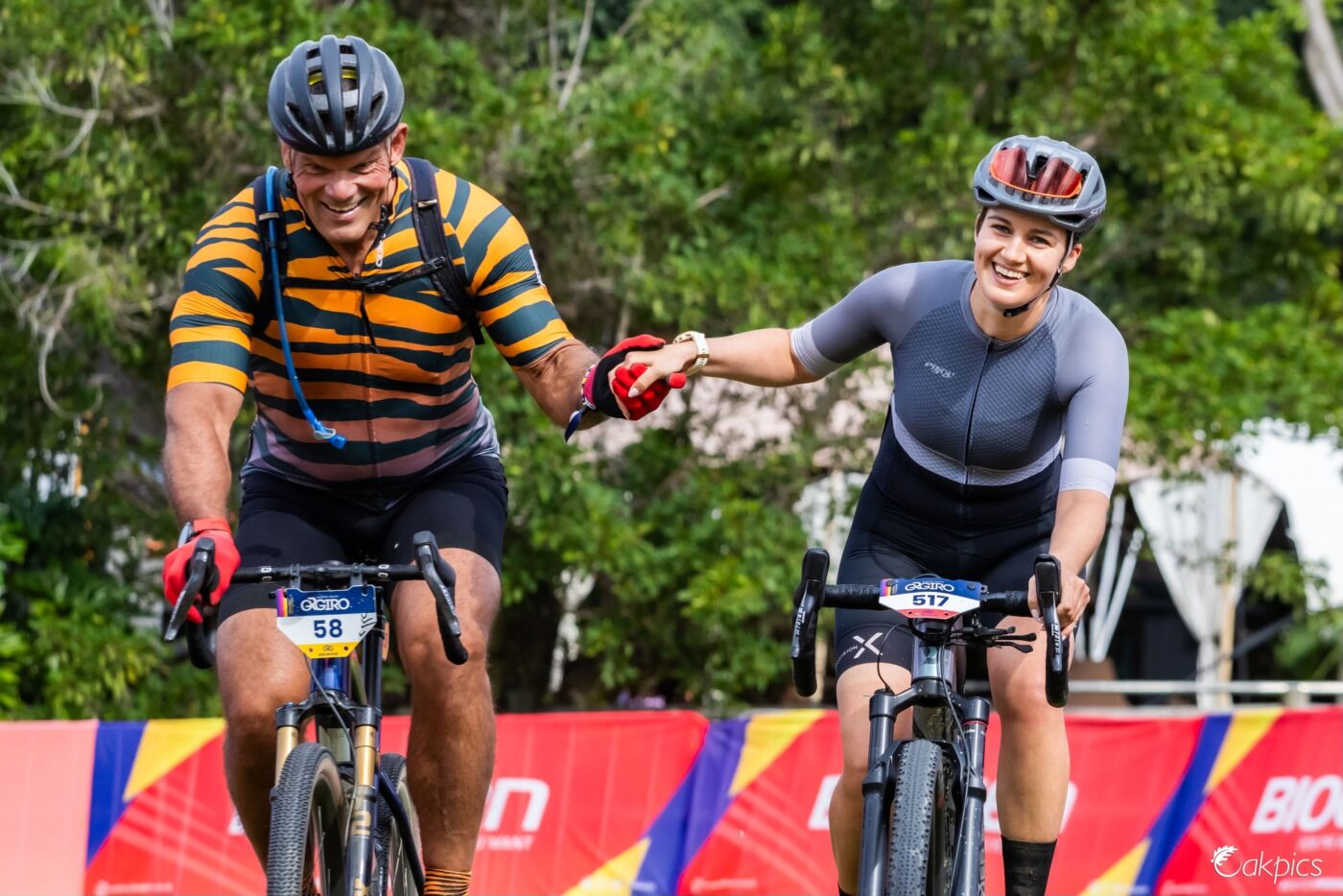
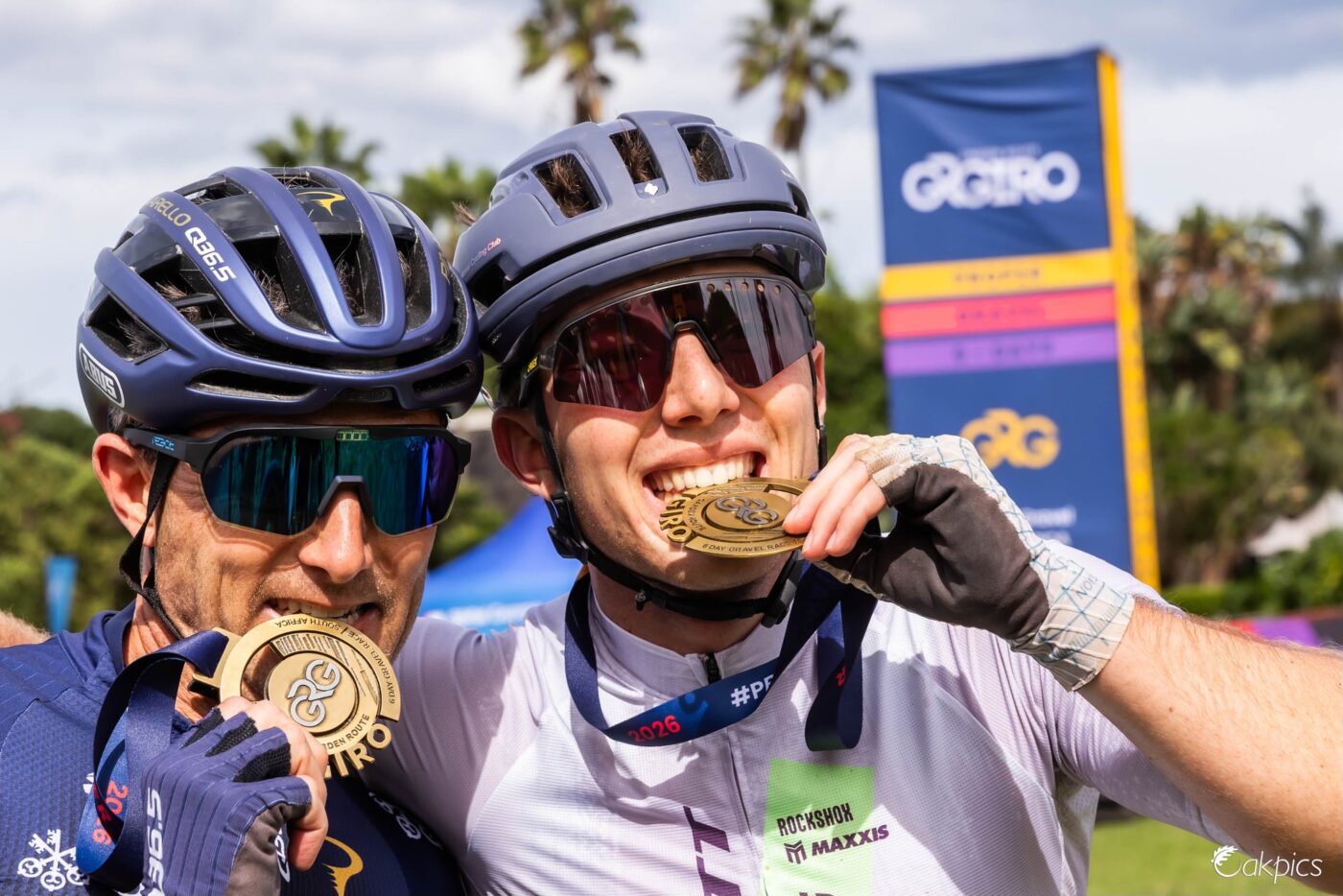
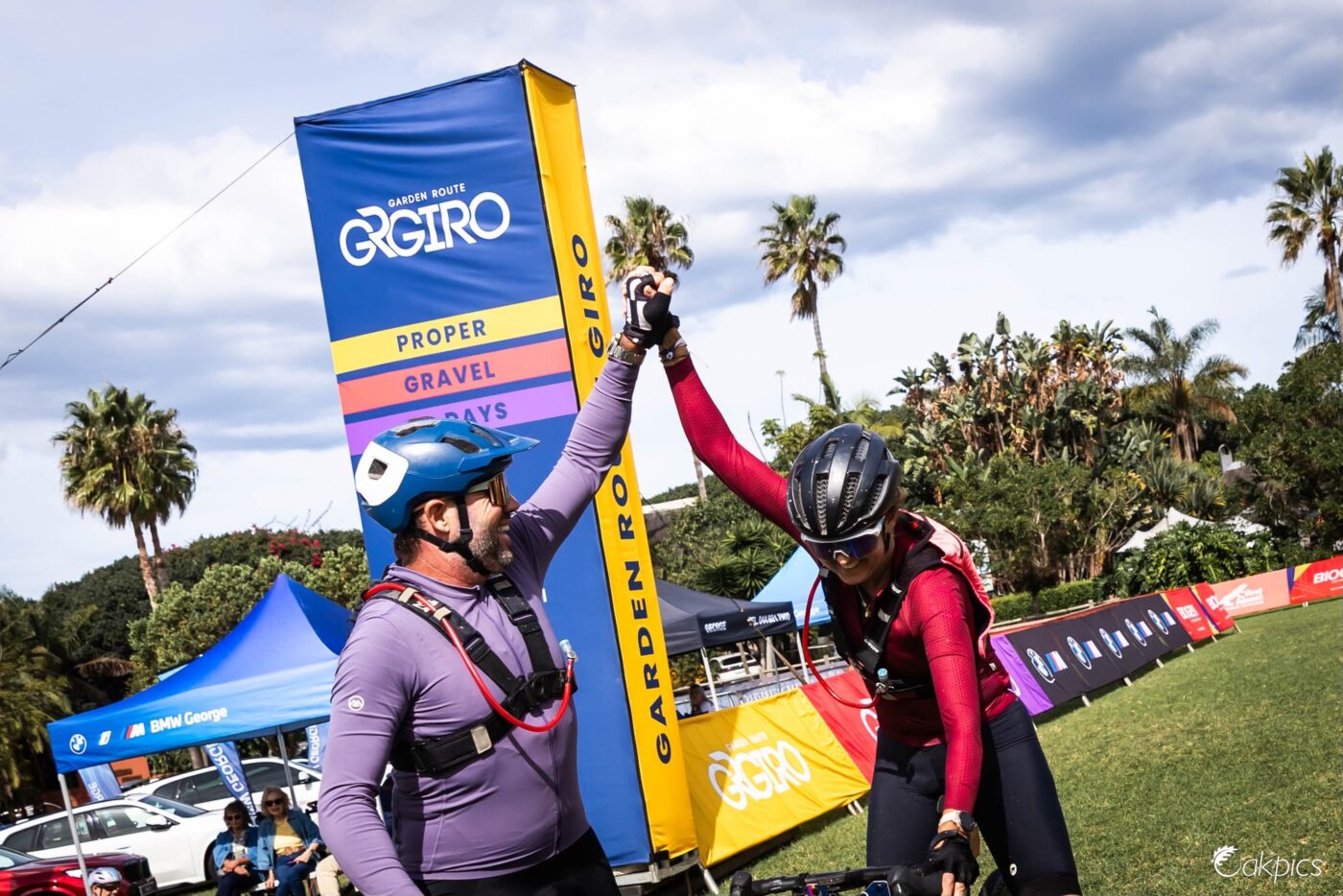
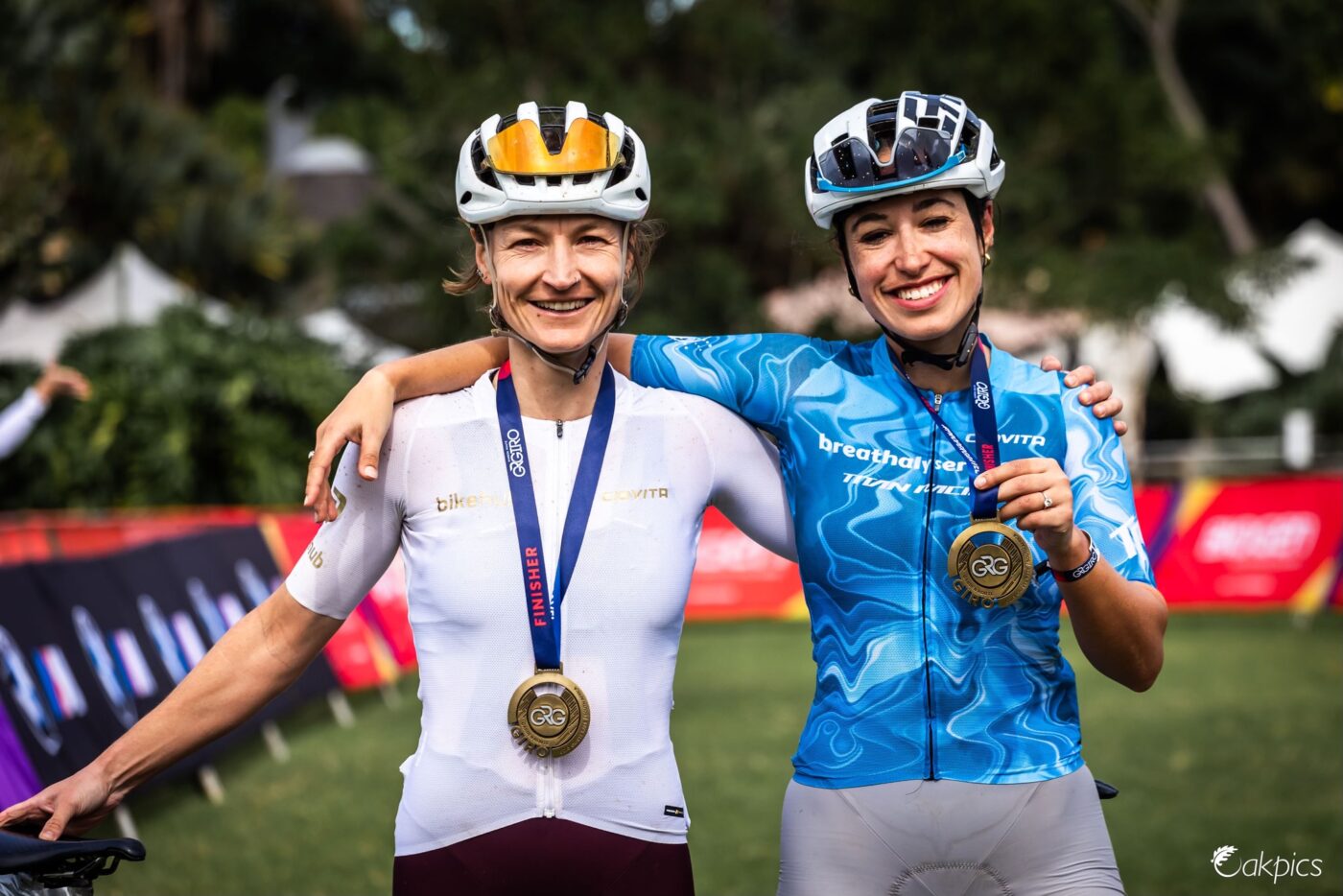
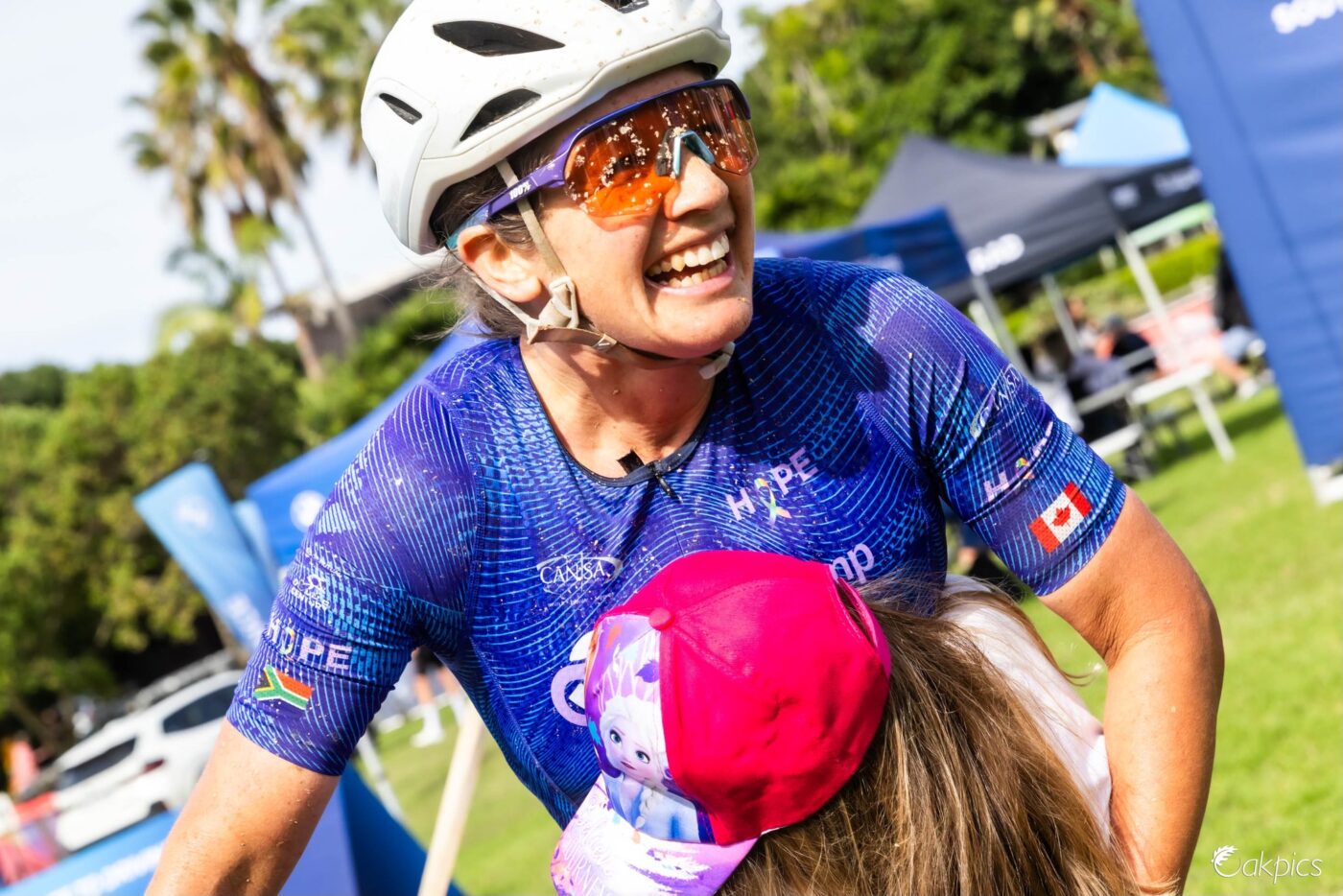
A really special part of the event was the final night at the Wilderness Hotel and the celebration dinner. It meant we all got to celebrate the week without the stress of a stage the following day, and got to leave the event rested, well fed, and happy.
In Short
I have barely touched on the finer details of the experience, such as the hospitality and community spirit that made each race village unique and special. But in short, this event left me smiling from ear to ear. It was hard, make no mistake, but I felt that the route was just perfect: I wouldn’t change a thing. It was beautiful and balanced. It pushed your limits, and it delivered fun and spectacular views to make the suffering worthwhile. I loved staying in the race village, sharing war stories over dinner, seeing the tired faces at breakfast, and knowing that I wasn’t alone.
Whether you are racing at the sharp end or just ‘touring’ at the back of the field, this is a spectacular way to explore this special part of our country.
Feeling Inspired? Search our Events Calendar to find your next challenge or adventure, or learn more about the Garden Route Giro here.