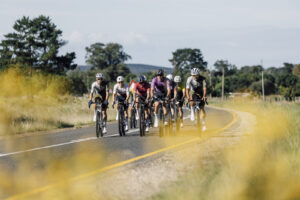
Stand a chance to win a team entry for two worth R19 750 to the 2024 or 2025 KAP sani2c.
The winning team can choose to ride the race or the trail in 2024 or choose between any of the three events in 2025.

ENTER: Click on the link and fill in the form to sign up.
Entries close on the 31st of March 2024.
You will get a free USN Endurance Supplement Guide as an added bonus.
Beat Heat & Hydration with USN
Whether you are a professional athlete training for an endurance event or simply exercising to improve your overall health and wellbeing, hydrating your body with the correct fluids could be the difference between success or failure. Hydration is essential for your body to function correctly, but it is even more crucial while exercising in higher temperatures.
The impact of heat on your body
During physical activity, it is normal for your body’s core temperature to rise, but if you add intense heat to the equation, the high temperatures can result in your body losing excessive fluids through sweat. Even though sweat is your body’s natural way of cooling itself, extreme heat can result in your body losing its ability to cool down effectively, as particles on your skin meet warm particles in the air.
What does this mean for people competing in endurance events? When exercising in intense heat, your body will have to work harder to cool down, sending more blood to your skin and away from your muscles. A higher body temperature can decrease muscle endurance, making it difficult for your muscles to contract over longer periods. It can also have an impact on your energy levels.
How to stay hydrated during endurance events
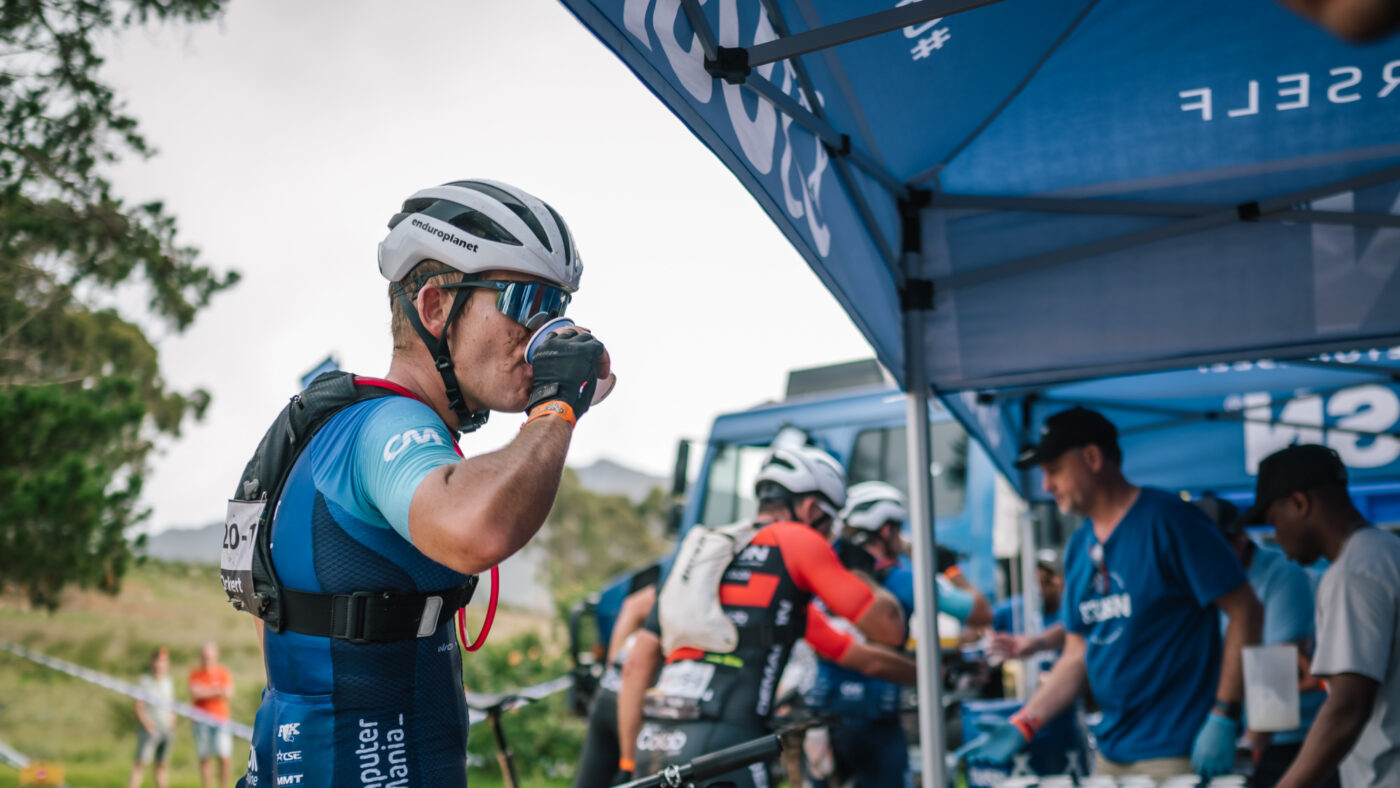
Exercising during high temperatures can significantly impact your health, endurance, and stamina, which is why it is essential to ensure that you stay hydrated with the correct fluids when competing in endurance events.
Water is crucial for hydration, but sometimes it just isn’t enough. Endurance athletes should try to consume products consisting of a good balance of carbohydrates and electrolytes, such as USN’s:
Carbohydrates provide energy to the muscles in the form of glycose, while electrolytes assist with the body’s ability to absorb fluids. According to Susan Kitchen, a registered dietitian, sweat contains electrolytes (sodium, potassium, chloride and small amounts of minerals), of which sodium is the most. As mentioned, higher temperatures can result in an increased loss of fluids through sweat, which should be replenished before, during and after an event.
1. Staying hydrated before an endurance events
Your body should be well-hydrated before an endurance event by drinking sufficient water throughout the day and between exercise sessions. Pale yellow urine can be used as an indication that your body is well hydrated.
2. Staying hydrated during an endurance events
The main goal of drinking fluids during an endurance event is to improve your performance and prevent dehydration. According to The National Strength and Conditioning Association, endurance athletes should aim to consume 90 to 240 ml of a 6% to 8% carbohydrate and electrolyte beverage every 10 to 20 minutes during endurance activities. Consuming sufficient carbohydrates during exercise will maintain blood glucose levels, which can minimise fatigue.
3. Staying hydrated after an endurance events
A lot of athletes think that once they have completed an endurance event, their work with regards to hydration is done. According to Lawrence Armstrong in Rehydration during Endurance Exercise: Challenges, Research, Options, Methods, an endurance athlete can lose up to 12% (7.8 kg to 8.5 kg) of their body weight in the form of water during a 12-hour Ironman triathlon in a cool environment, and 14 to 18% of their body weight in higher temperatures. It is therefore important to replace the essential electrolytes and nutrients that you have lost through sweat, which can easily be achieved with USN’s Endurance Range.
The type of fluids to encourage hydration after an endurance event
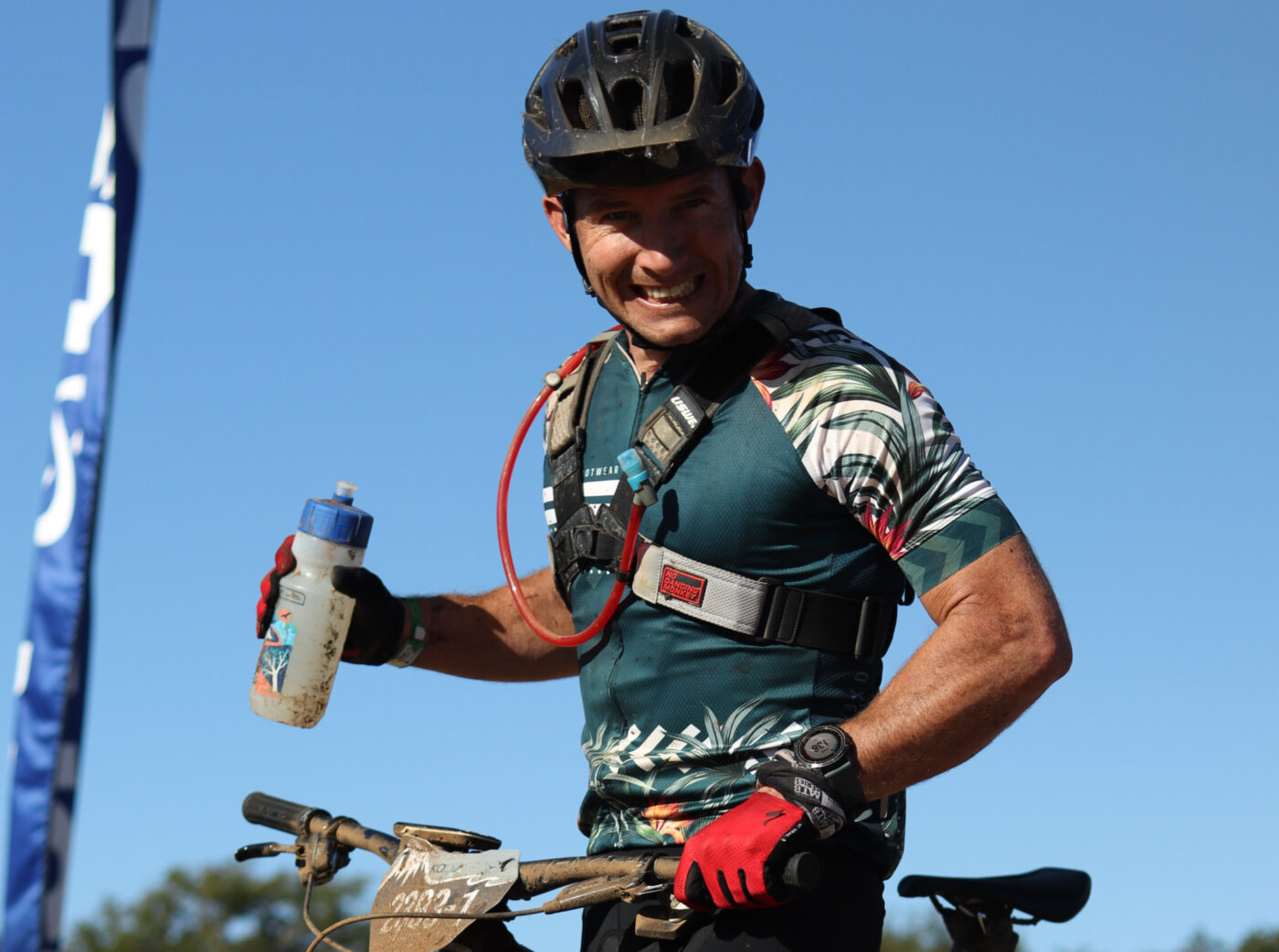
Fluids consisting of a combination of diluted carbohydrate (CHO) solutions and sodium (Na) would be the most effective to be consumed after an endurance activity. A hypotonic concentration—less concentrated—of less than 5% is best for hotter conditions when water replacement is vital, while an isotonic (5–8%) concentration can be used in cooler conditions.
How to know which supplements to consume
USN has an Endurance Supplement Guide that provides an in-depth strategy for the supplements to use before, during and after an endurance race.
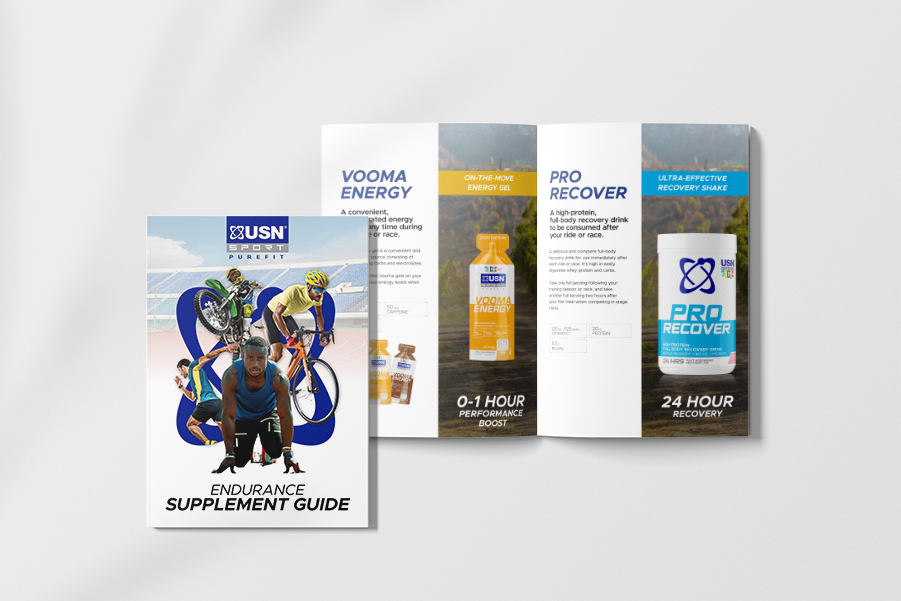
Visit USN’s website to stock up on endurance supplements before your race.