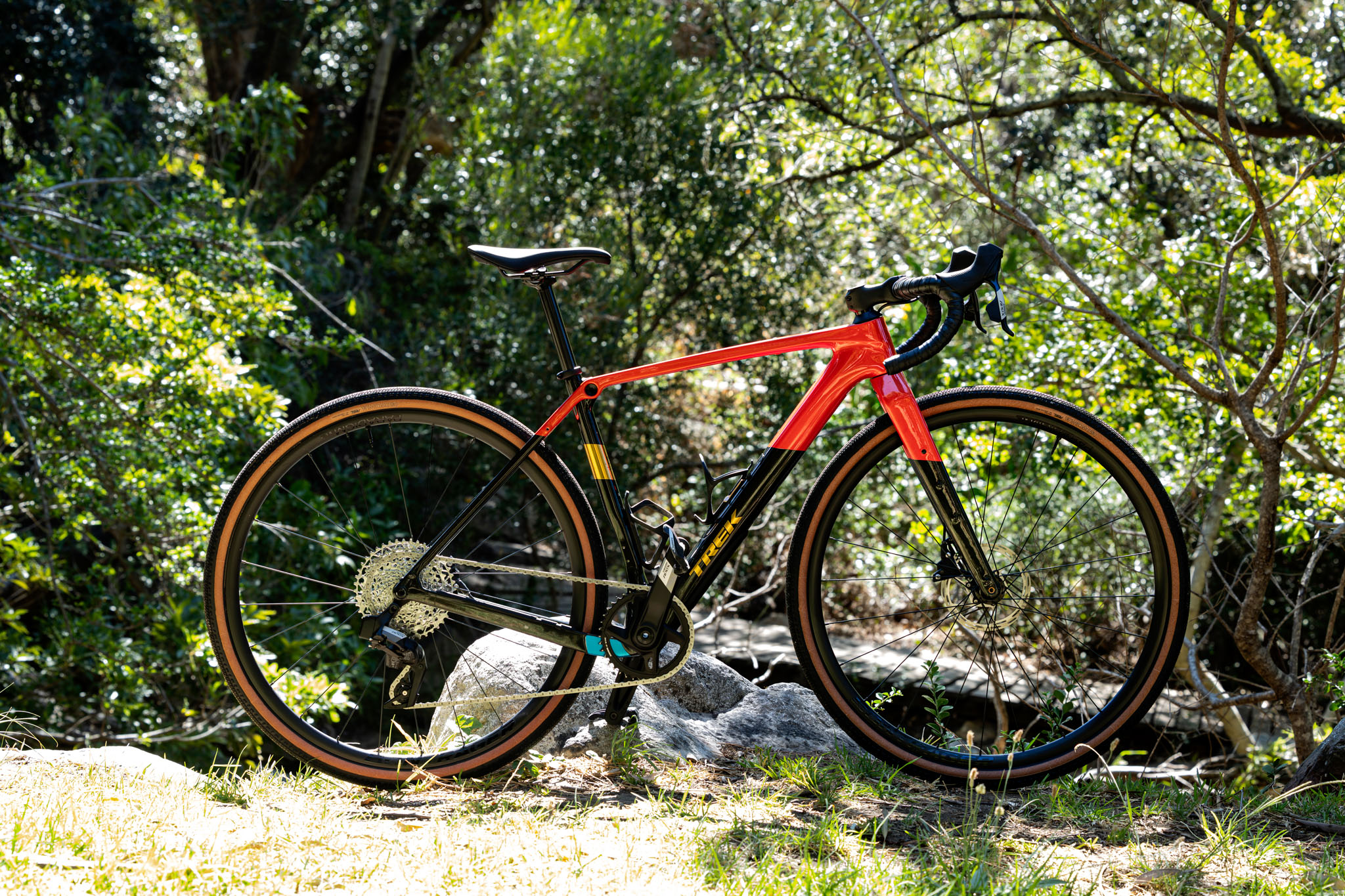
The Trek Checkpoint has long been positioned as Trek’s do-it-all gravel platform: designed to blur the lines between endurance road riding, gravel racing and fully-loaded bikepacking. The third-generation Checkpoint SL continues that theme, with an even stronger emphasis on comfort, versatility and real-world usability.
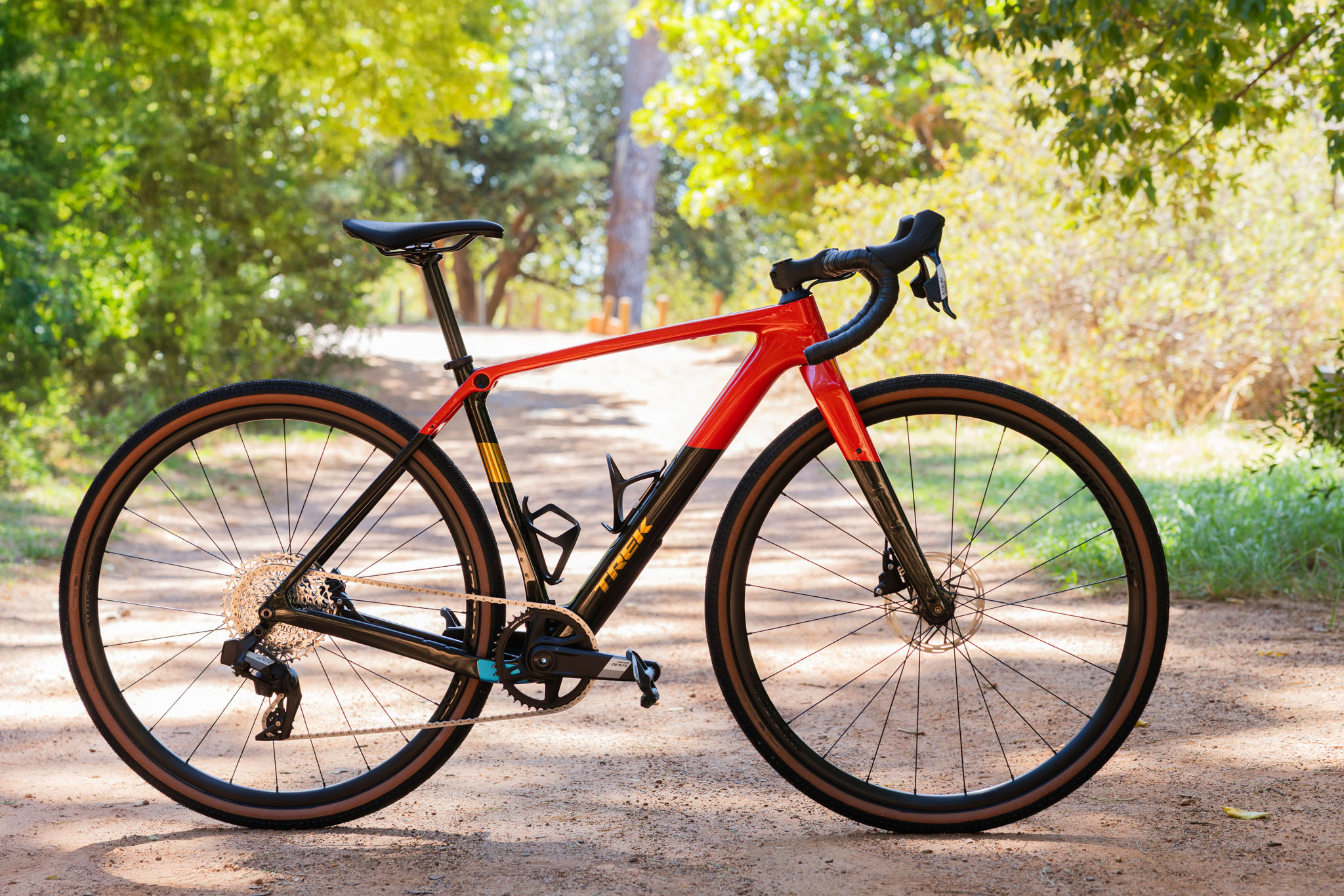
I’ve spent a few months with the Trek Checkpoint SL 5 AXS Gen 3, exploring on a range of surfaces: exploring a range of surfaces, from Champagne gravel in Paarl to Table Mountain and the corrugated farm roads of the Eastern Cape. Here are my thoughts on where this bike really shines, and where its priorities may not suit every rider.
Out of the box
The Checkpoint SL 5 AXS Gen 3 sits at a particularly interesting point in the range. It offers Trek’s OCLV carbon frame, wireless SRAM AXS shifting and the same frame platform used across the higher-end SL models, but at an MSRP of ZAR75,000, it’s a price point that still feels accessible in today’s gravel market.
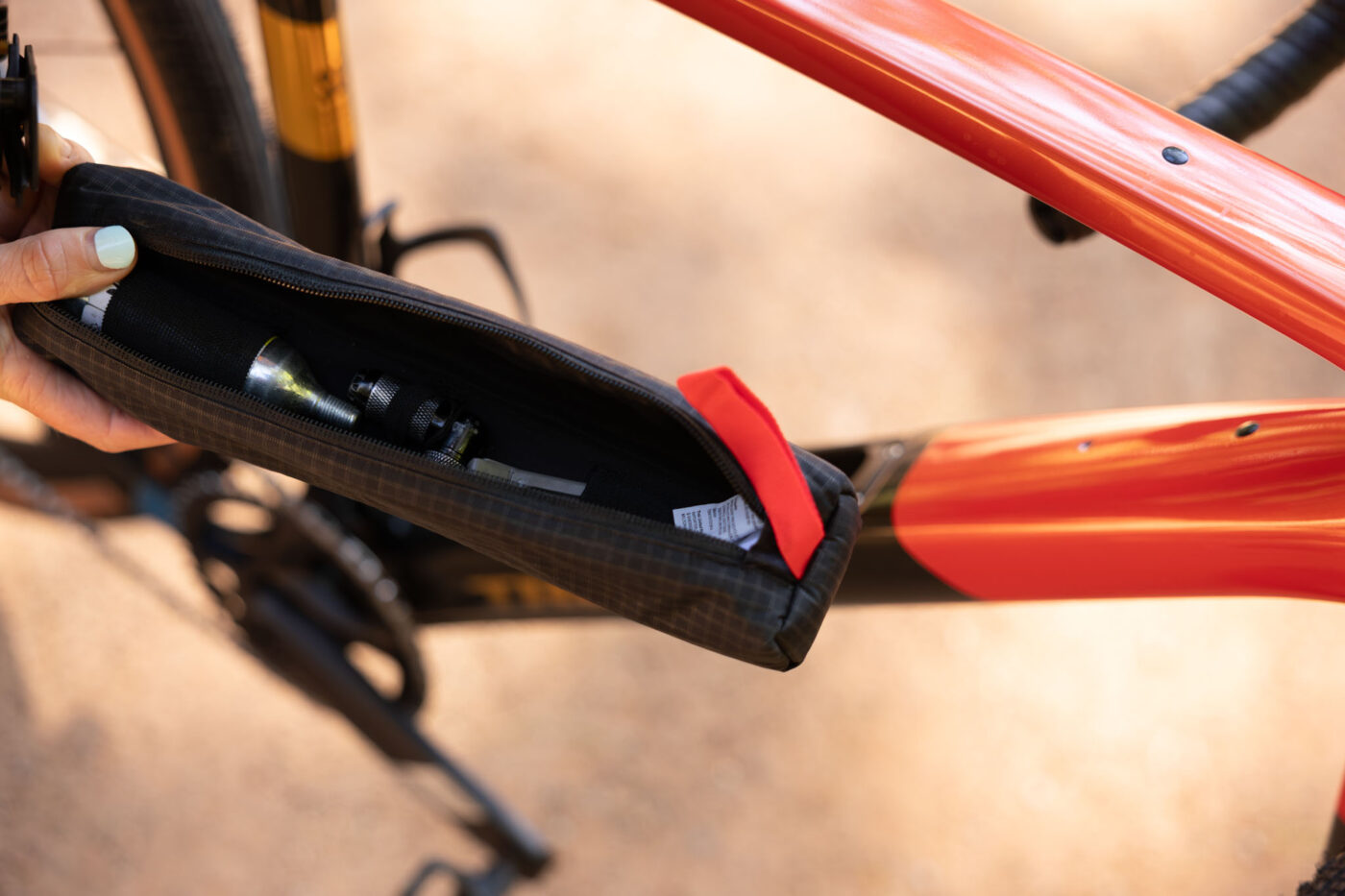
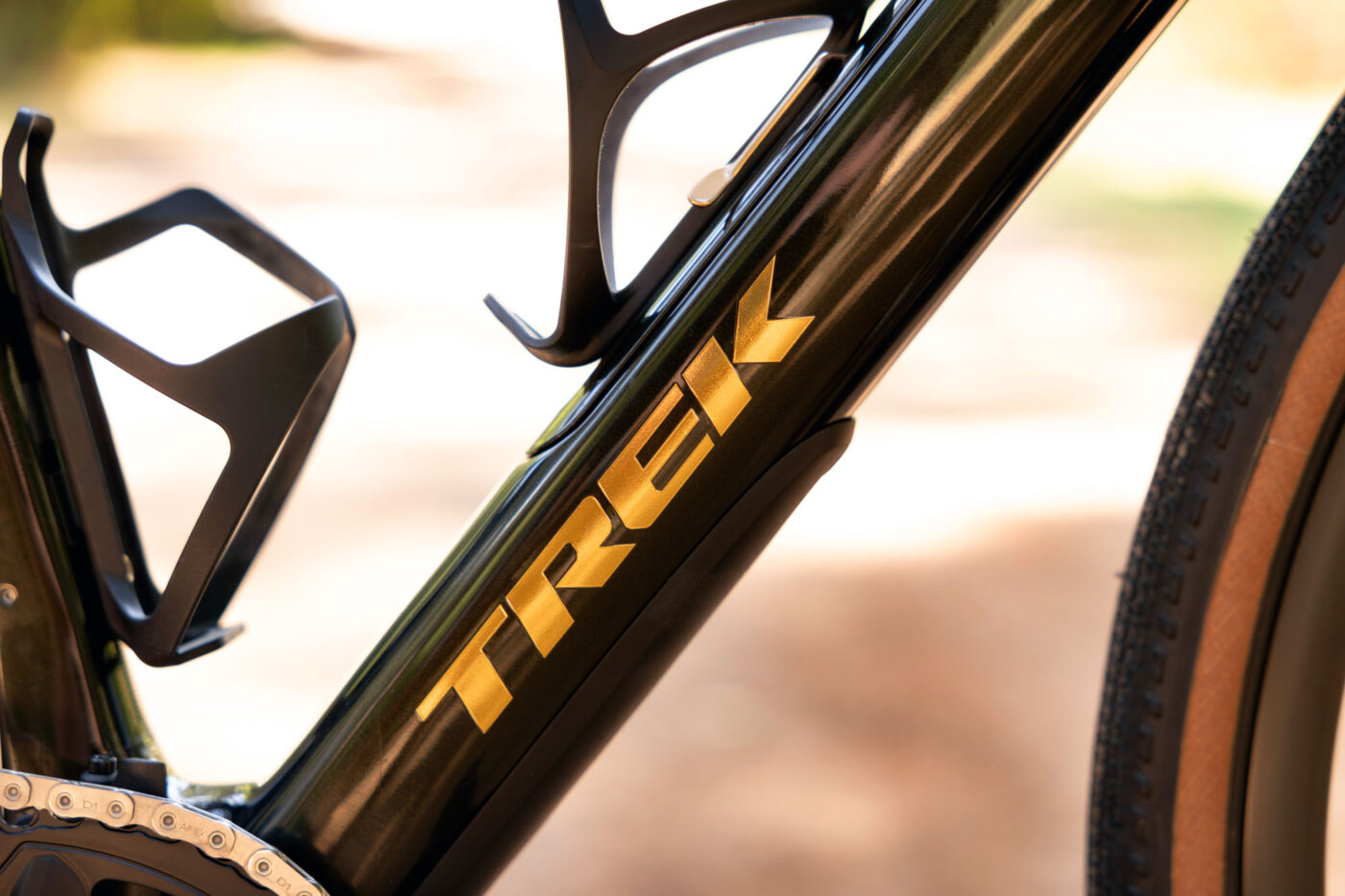
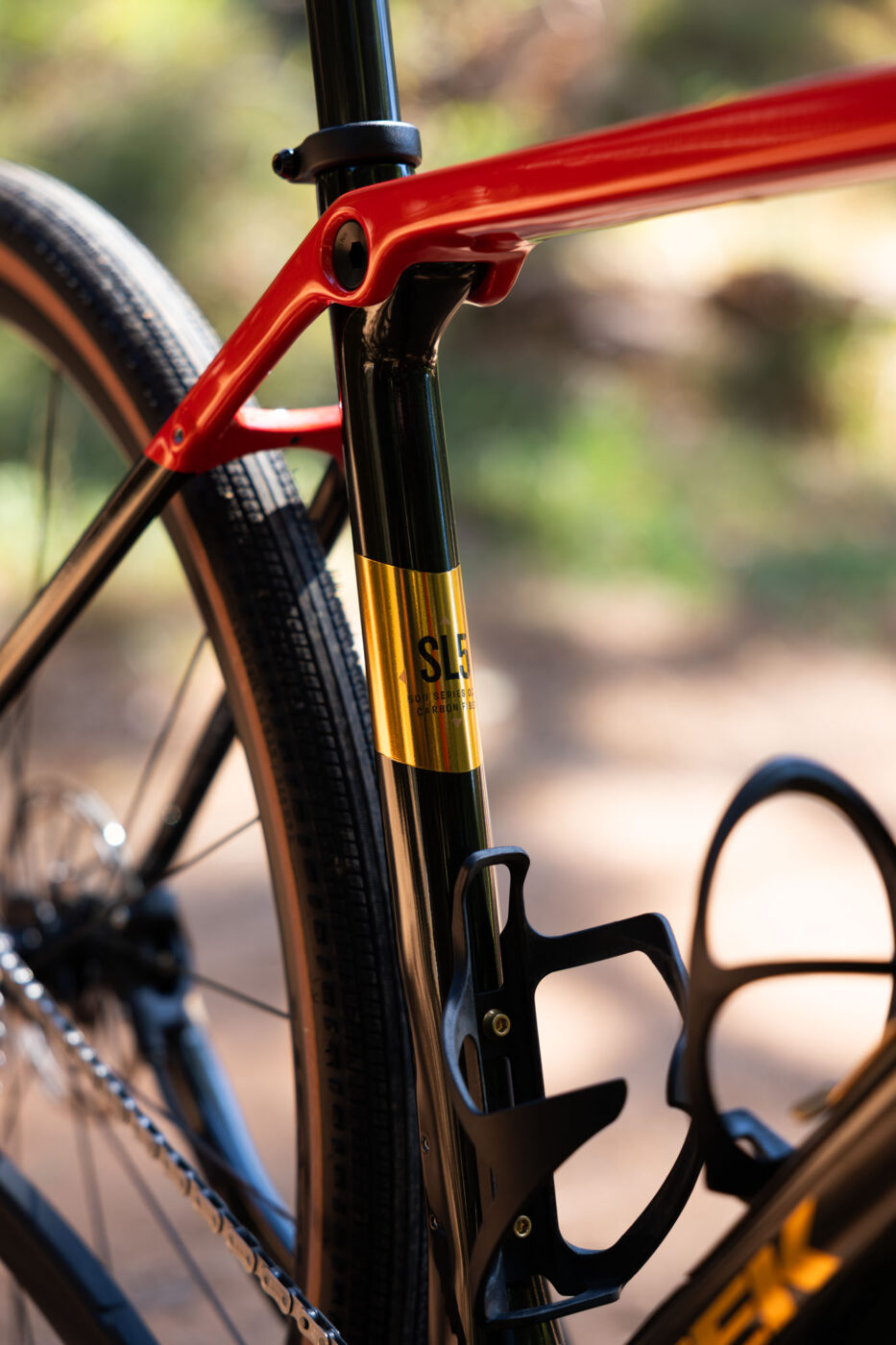
Straight out of the box, the bike presents as extremely well thought-out from a usability and adventure perspective. There are mounting points everywhere you’d reasonably want them: for bottles, bags, racks and guards. Plus, Trek’s internal downtube storage system is a genuinely practical feature. It’s ideal for tools, spares or emergency nutrition, and quickly becomes something you don’t want to live without once you’ve used it.
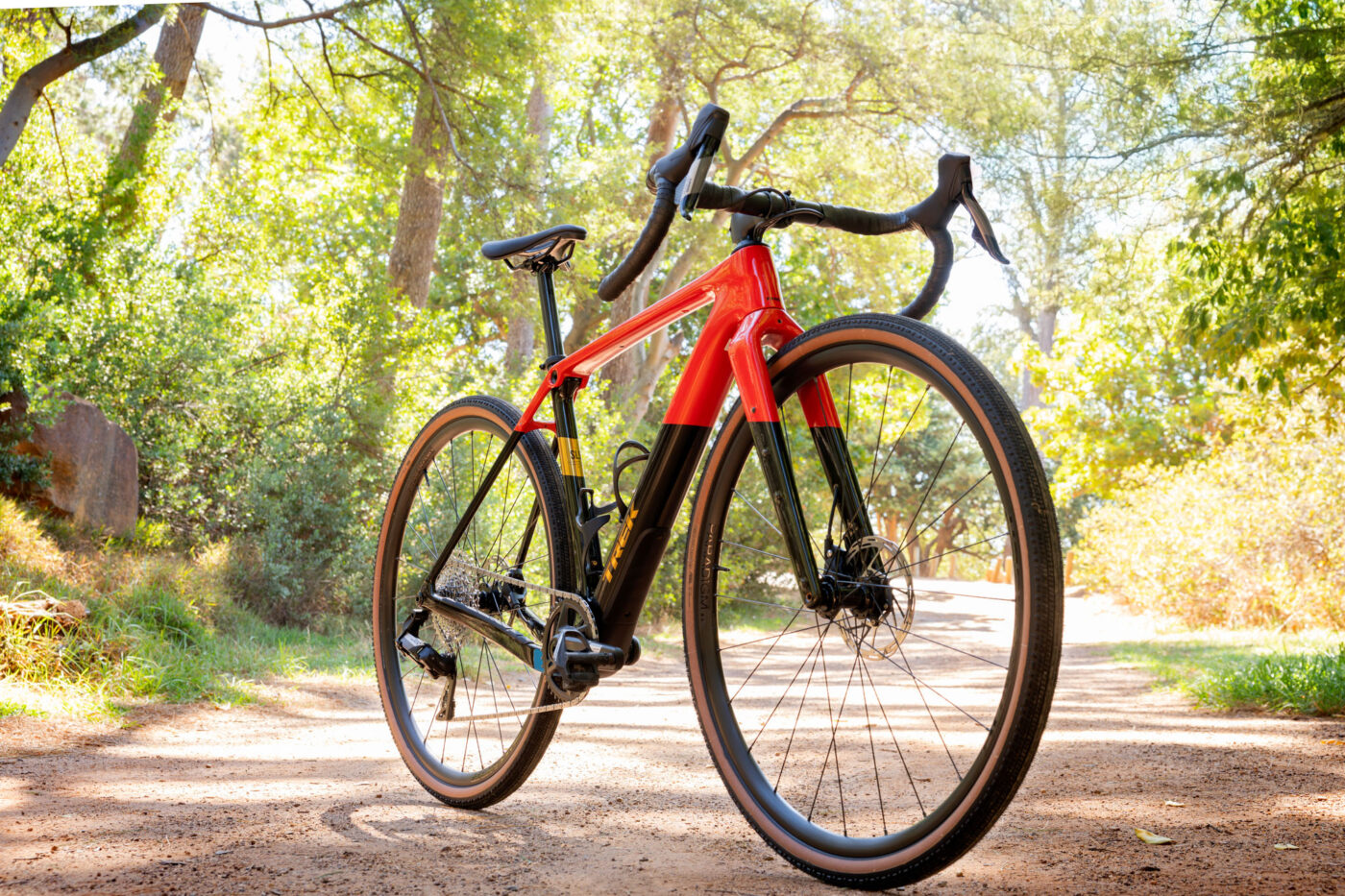
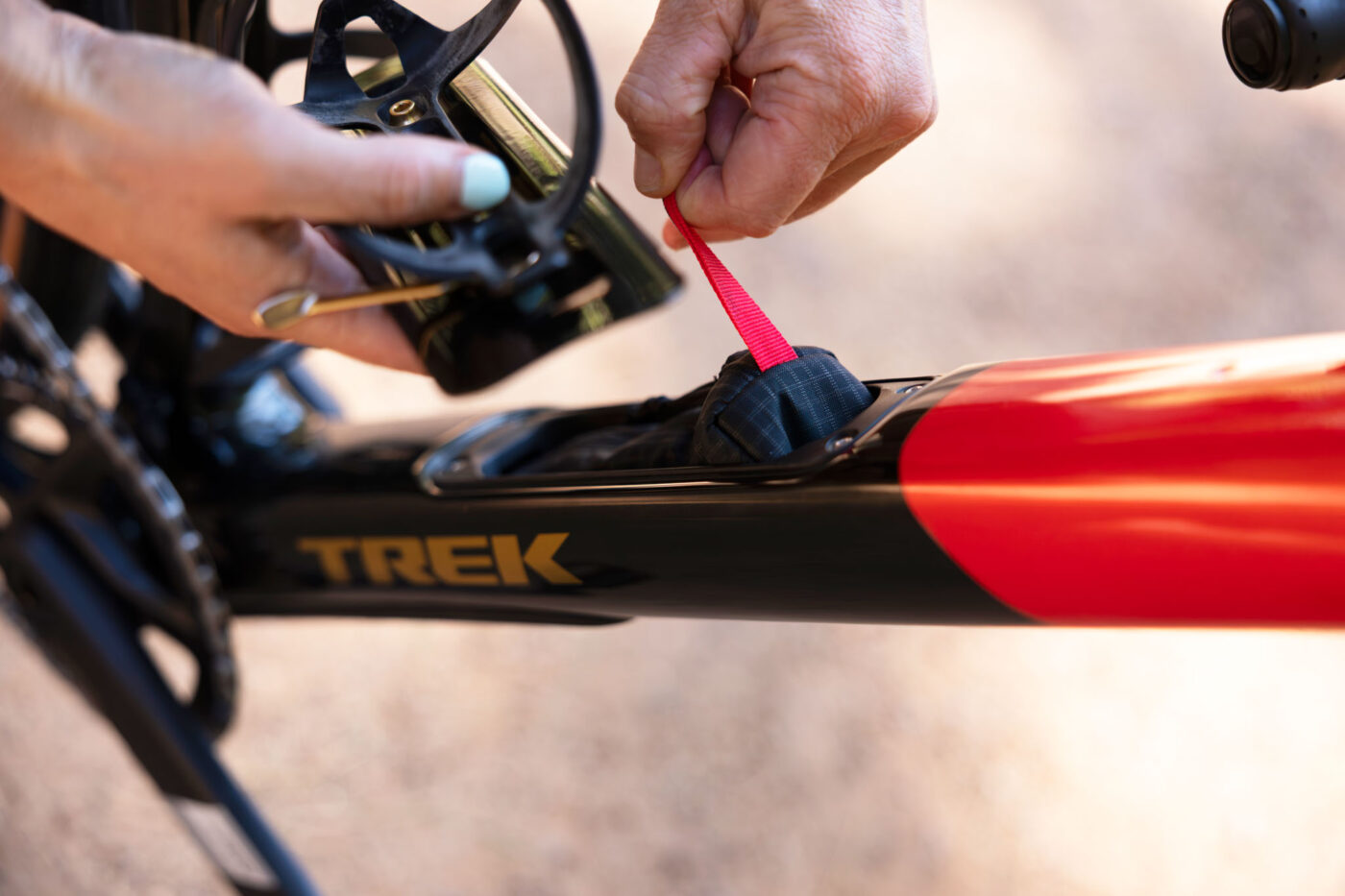
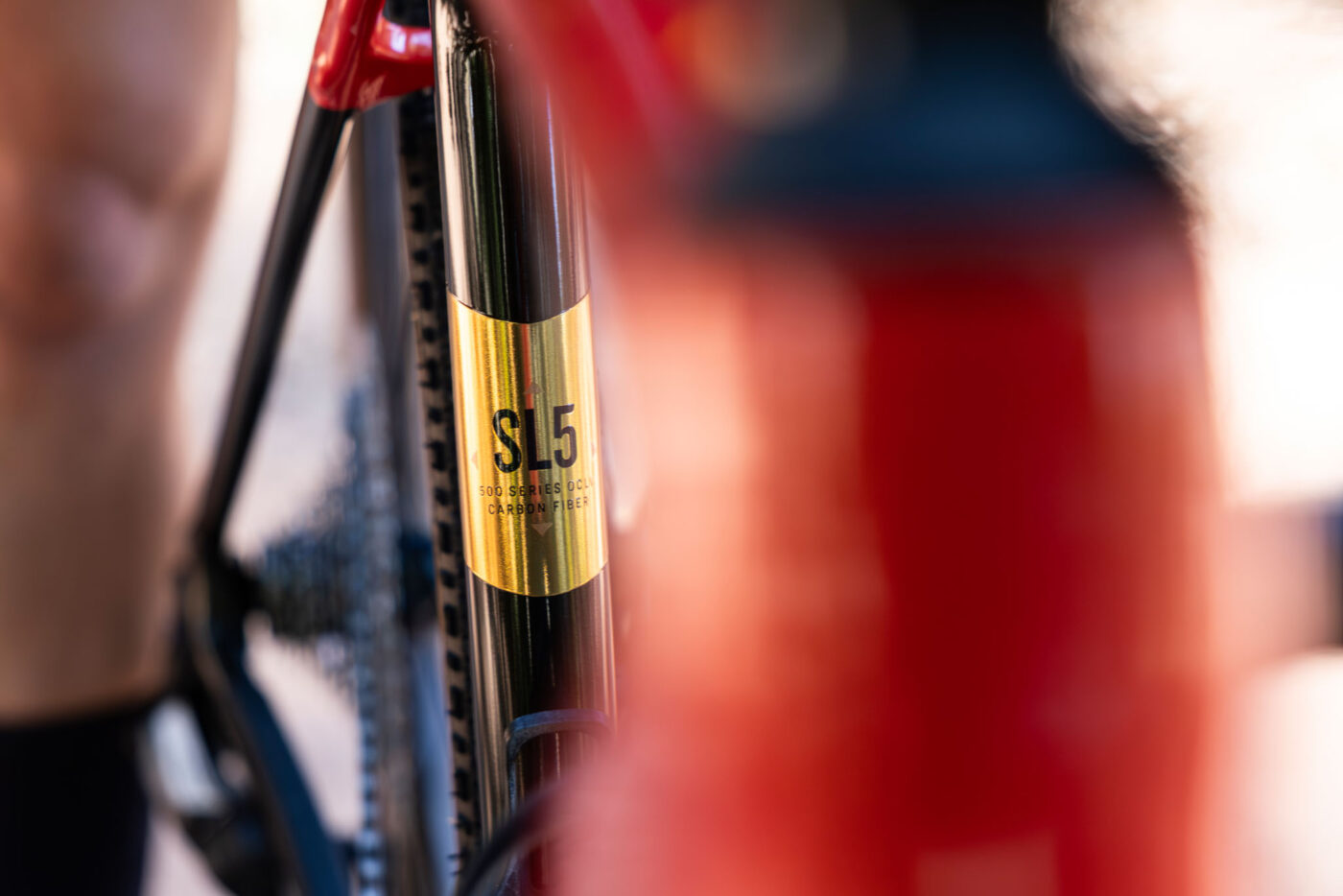
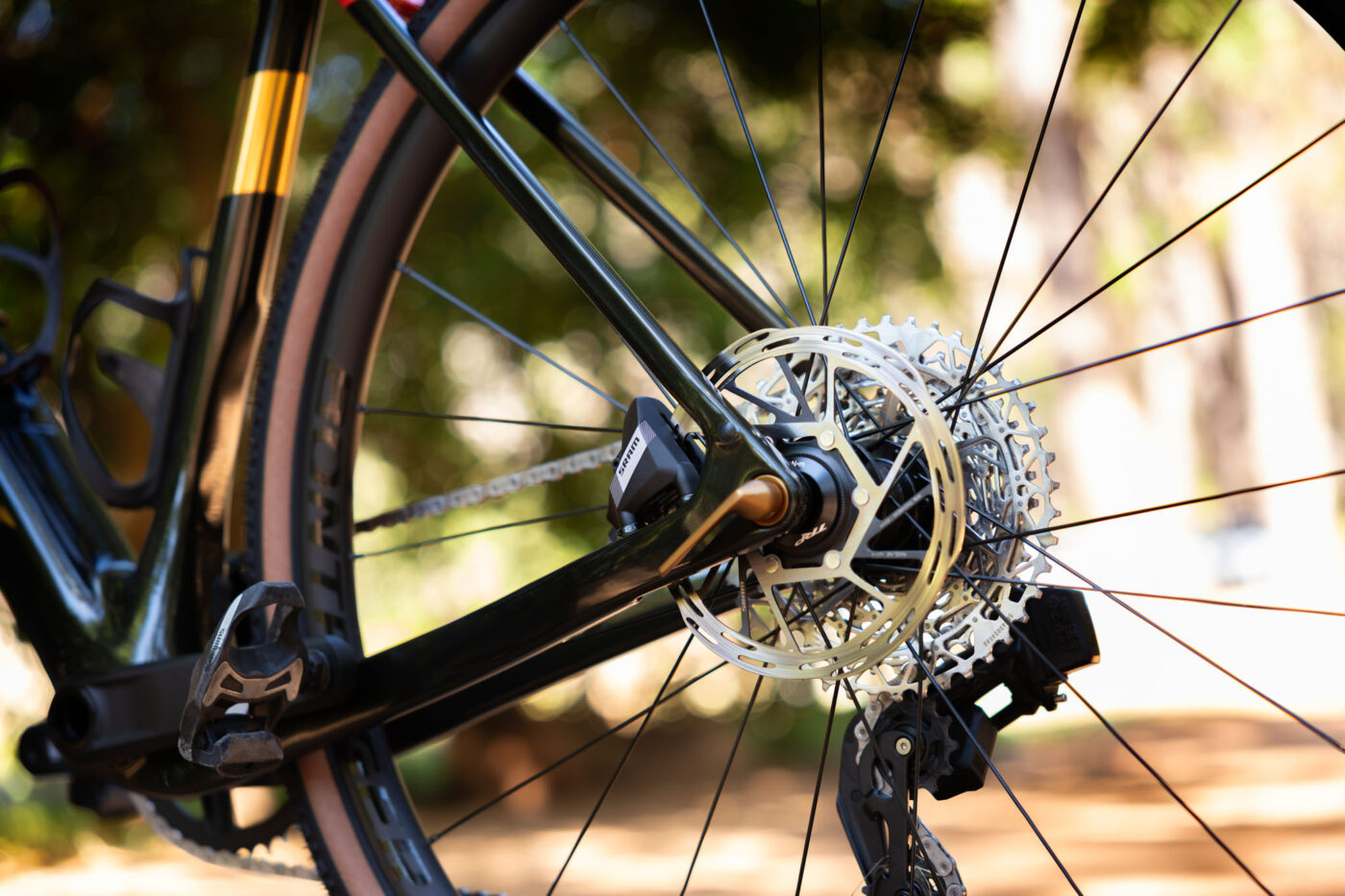
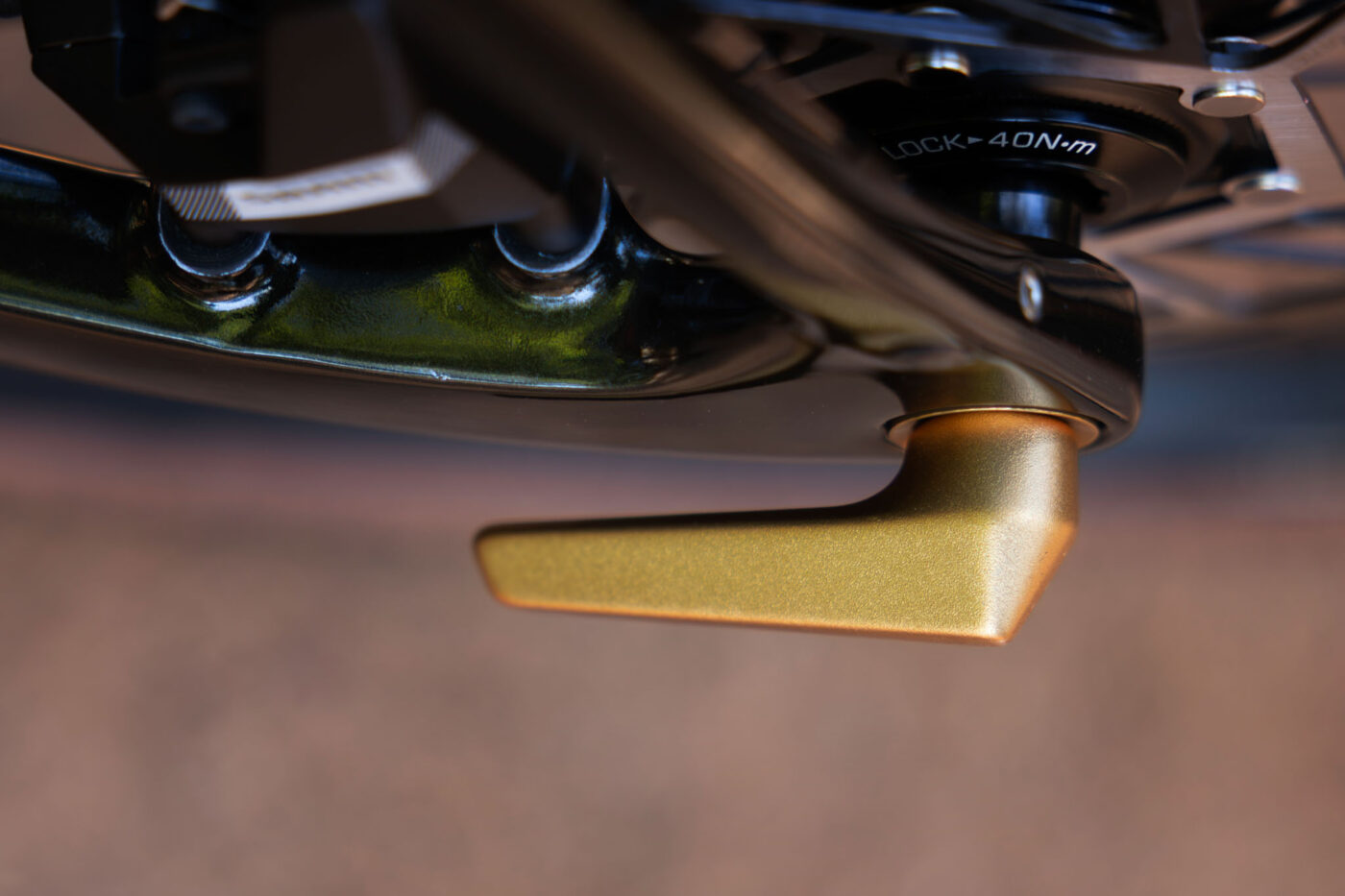
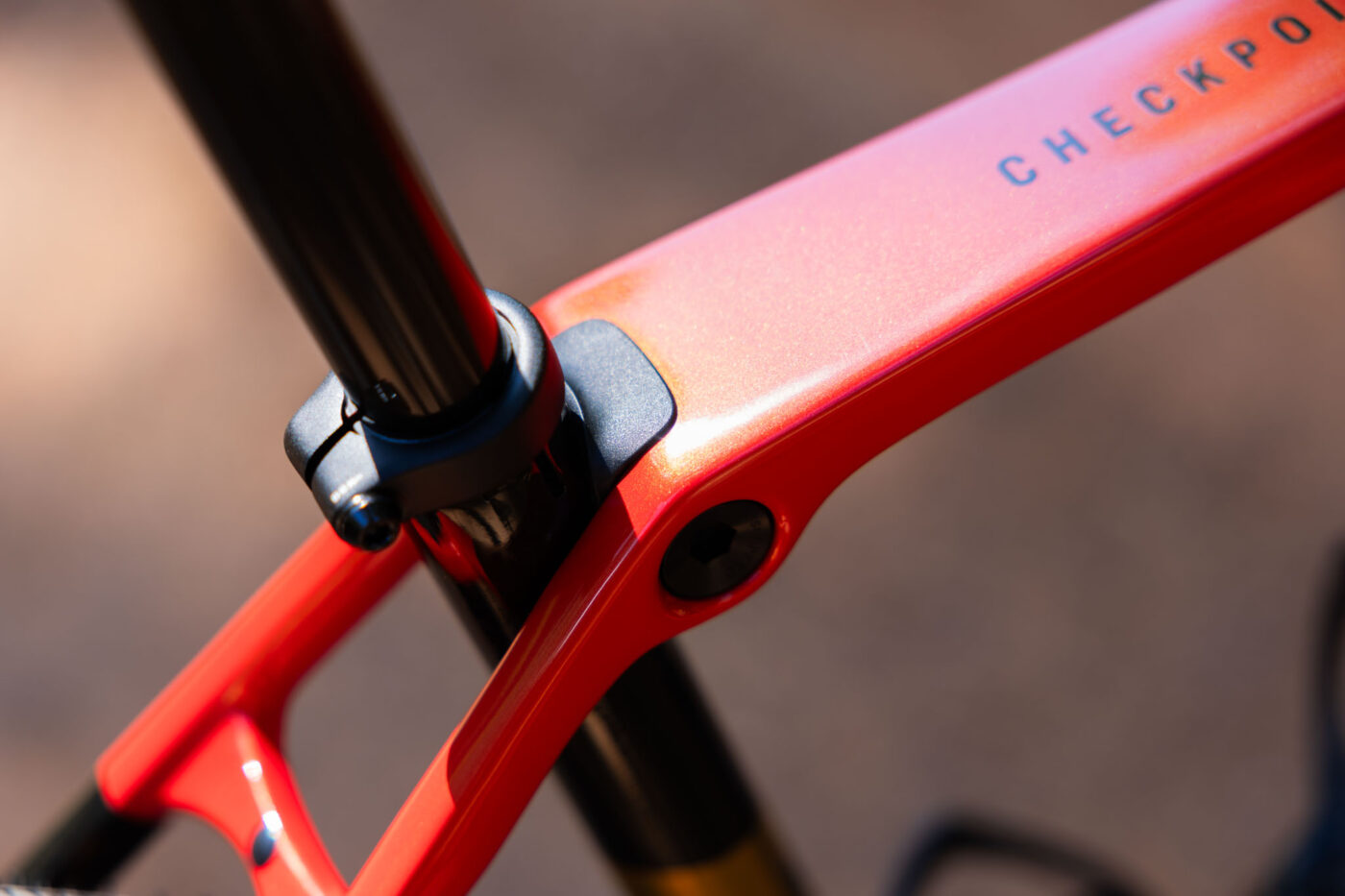
The overall finish and attention to detail are excellent, as you’d expect from Trek. Cable routing is tidy, the frame feels solid and confidence-inspiring, and small details like the gold thru-axle and matching bottle cage bolts give the bike a look and feel far above its price point.
The only components I would want to change straight out of the box are the handlebars (the 42cm flared bars on the size small feel wide), and the tyres which at 42mm are adequate, but for rougher terrain 45mm would be preferable.
Specifications
| Frame | 500 Series OCLV Carbon, IsoSpeed, downtube storage door, hidden mudguard mounts, rack mounts, integrated frame bag mounts, RCS Headset System, invisible cable routing, T47, flat-mount disc, integrated chainkeeper, removable FD hanger, UDH, 142×12 mm chamfered thru axle |
| Fork | Checkpoint full carbon, tapered carbon steerer, mudguard mounts, triple rack mounts, flat-mount disc, 12×100 mm chamfered thru axle |
| Sizes: | XS, S, M, ML, L, XL |
| Weight | ML – 9.50 kg/20.95 lb (with TLR sealant, no tubes) |
| Weight limit | This bike has a maximum total weight limit (combined weight of bicycle, rider and cargo) of 125 kg (275 lb). |
| *Shifter | SRAM Force AXS D2, 12-speed |
| Rear derailleur | SRAM Force AXS D2, 12 speed |
| *Crank | SRAM Apex XPLR eTap AXS, 44T max cog |
| Size: XS, S | SRAM Apex 1, 40T, DUB Wide, 165 mm length |
| Size: M | SRAM Apex 1, 40T, DUB Wide, 170 mm length |
| Size: ML, L | SRAM Apex 1, 40T, DUB Wide, 172.5 mm length |
| Size: XL | SRAM Apex 1, 40T, DUB Wide, 175 mm length |
| Bottom bracket | SRAM DUB Wide, T47 threaded, internal bearing |
| Cassette | SRAM XPLR PG-1231, 11-44, 12-speed |
| Chain | SRAM Apex, 12-speed |
| Max. chainring size | 1x:44 2x: 46/30 |
| Wheel front | Bontrager Paradigm SL, Tubeless Ready, 21 mm rim width, 100×12 mm thru axle |
| Wheel rear | Bontrager Paradigm SL, Tubeless Ready, 21 mm rim width, 142×12 mm thru axle |
| Skewer front | Bontrager Switch chamfered thru axle |
| Skewer rear | Bontrager Switch chamfered thru axle, removable lever |
| Tyre | Bontrager Girona RSL, Tubeless Ready, GR puncture protection, aramid bead, 220 tpi, 700×42 mm |
| Rim strip | Bontrager TLR |
| Max tyre size | 50 mm without mudguards, 42 mm with mudguards (as measured, see manual for details) |
| *Saddle | |
| Size: XS, S | Verse Short Comp, steel rails, 155 mm width |
| Size: M, ML, L, XL | Verse Short Comp, steel rails, 145 mm width |
| Seatpost | Bontrager carbon, 27.2 mm, 8 mm offset, 330 mm length |
| *Handlebar | |
| Size: XS | Bontrager Elite Gravel, alloy, 40 cm width |
| Size: S, M | Bontrager Elite Gravel, alloy, 42 cm width |
| Size: ML, L | Bontrager Elite Gravel, alloy, 44 cm width |
| Size: XL | Bontrager Elite Gravel, alloy, 46 cm width |
| Handlebar tape | Bontrager Supertack Perf tape |
| *Stem | |
| Size: XS | Bontrager Elite, 31.8 mm, Blendr-compatible, 7-degree, 60 mm length |
| Size: S | Bontrager Elite, 31.8 mm, Blendr-compatible, 7-degree, 70 mm length |
| Size: M, ML | Bontrager Elite, 31.8 mm, Blendr-compatible, 7-degree, 80 mm length |
| Size: L | Bontrager Elite, 31.8 mm, Blendr-compatible, 7-degree, 90 mm length |
| Size: XL | Bontrager Elite, 31.8 mm, Blendr-compatible, 7-degree, 100 mm length |
| Brake rotor | SRAM Paceline, rounded, CentreLock, 160 mm |
| Rotor size | Max brake rotor sizes: 180 mm front and rear |
| Bag | Bontrager BITS Internal Frame Storage Bag |
First impressions
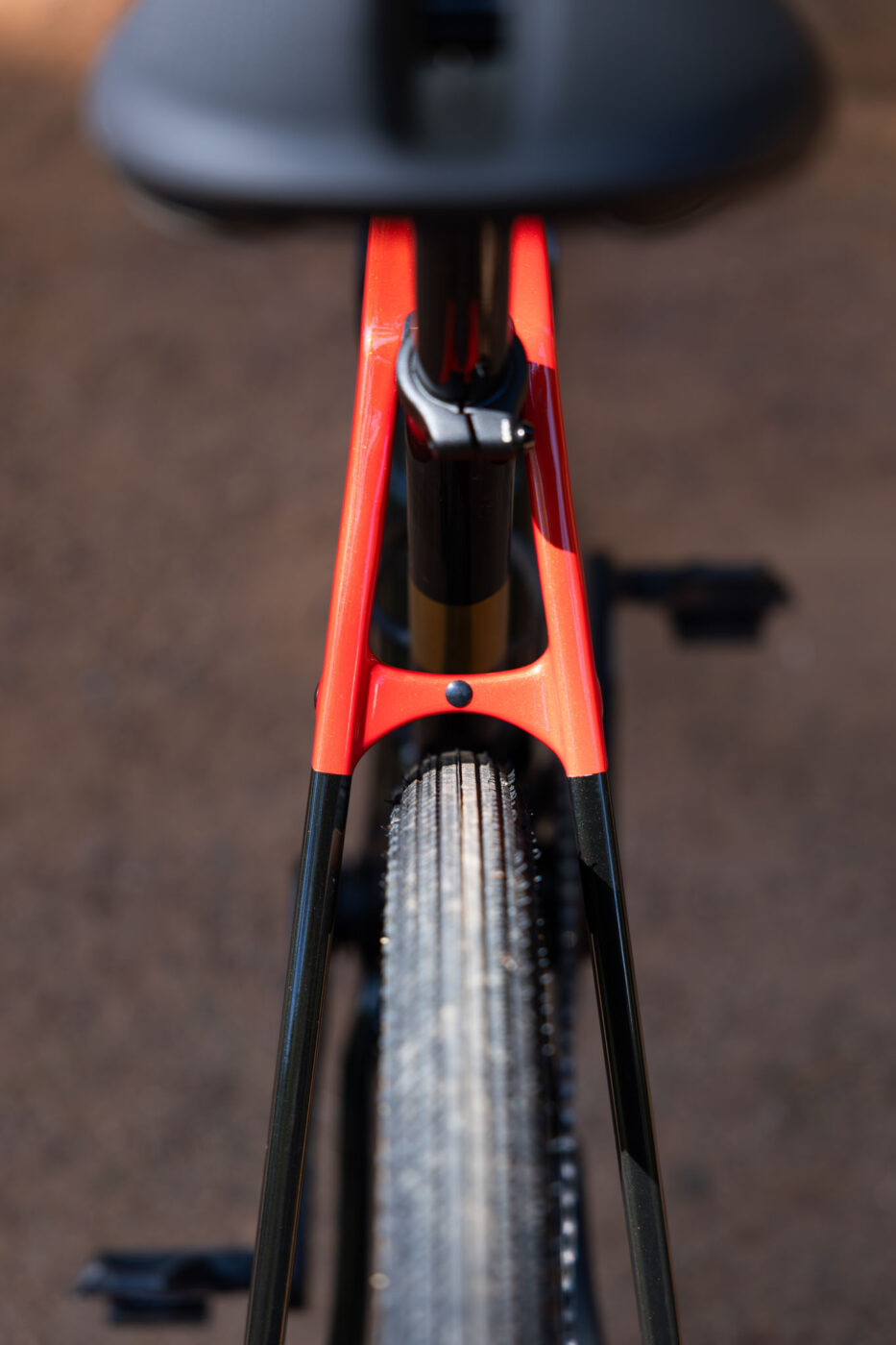
My initial impression riding the Checkpoint was just how comfortable it feels. Trek has leaned hard into compliance on this platform, and it shows. The IsoSpeed decoupler does an amazing job of muting chatter from rough surfaces, and the bike feels calm and composed even when the terrain deteriorates.
That level of comfort, however, may not work for everyone. On my test bike, the handlebar width on the smaller frame size felt unusually wide, particularly when paired with the relatively upright front-end position. While the ride is undeniably smooth and comfortable, the overall ride feel doesn’t encourage you to push harder or ride faster.
The frame clearly wants to explore rougher terrain and longer distances, but if racing and an aggressive, aerodynamic position are important to you, it’s worth considering Trek’s gravel race bike, the Checkmate.
On the groad
Where the Checkpoint SL 5 AXS Gen 3 truly excels is in ride quality. The geometry places you in a noticeably more upright position than a race-focused gravel bike, prioritising comfort, control and visibility over outright aerodynamics.
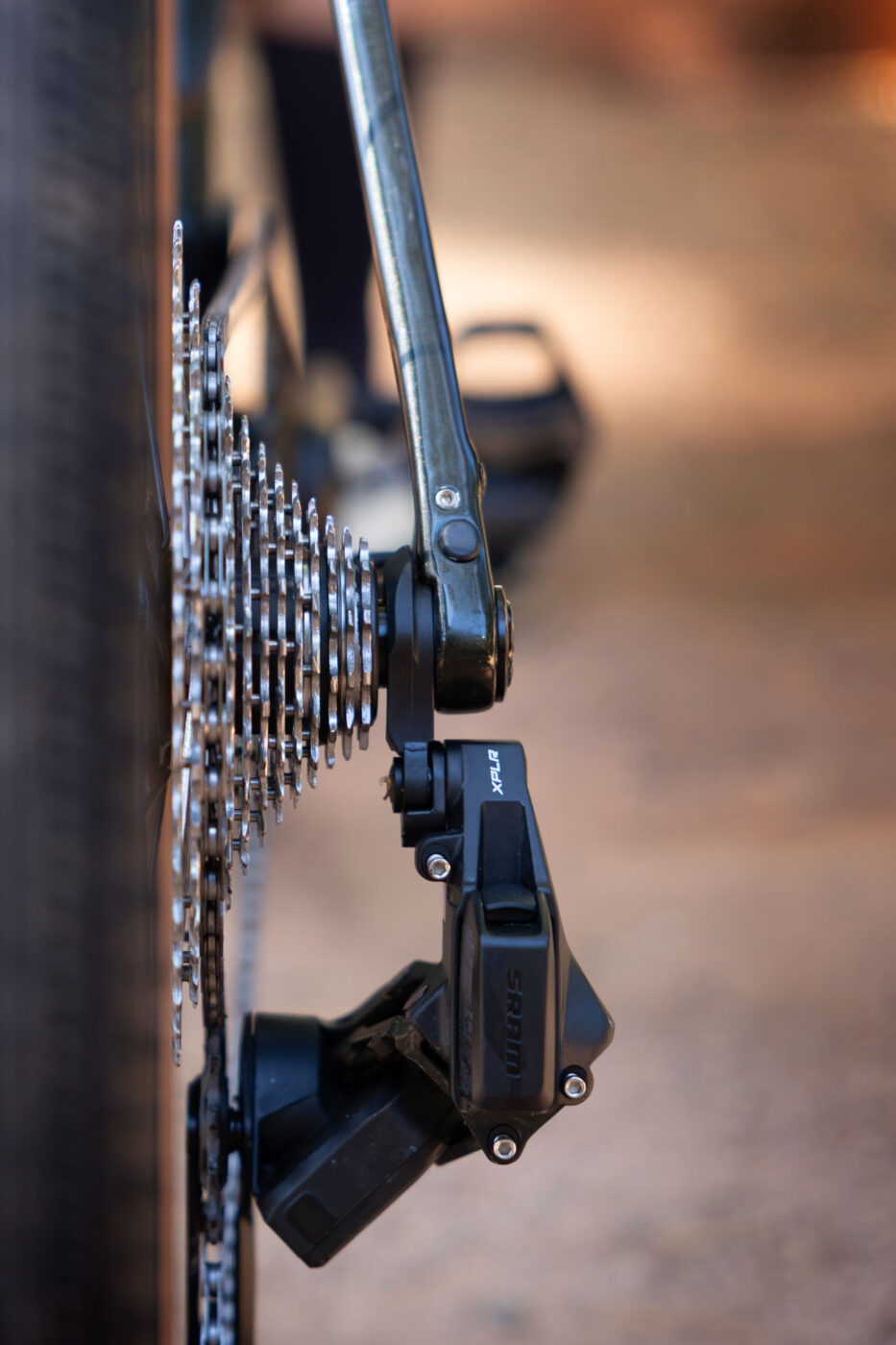
The SRAM Apex XPLR AXS drivetrain performs exactly as expected: clean, reliable and intuitive. Wireless shifting suits the bike’s all-conditions, all-terrain brief perfectly, and the gearing is well matched to gravel riding and loaded adventures rather than flat-out racing.
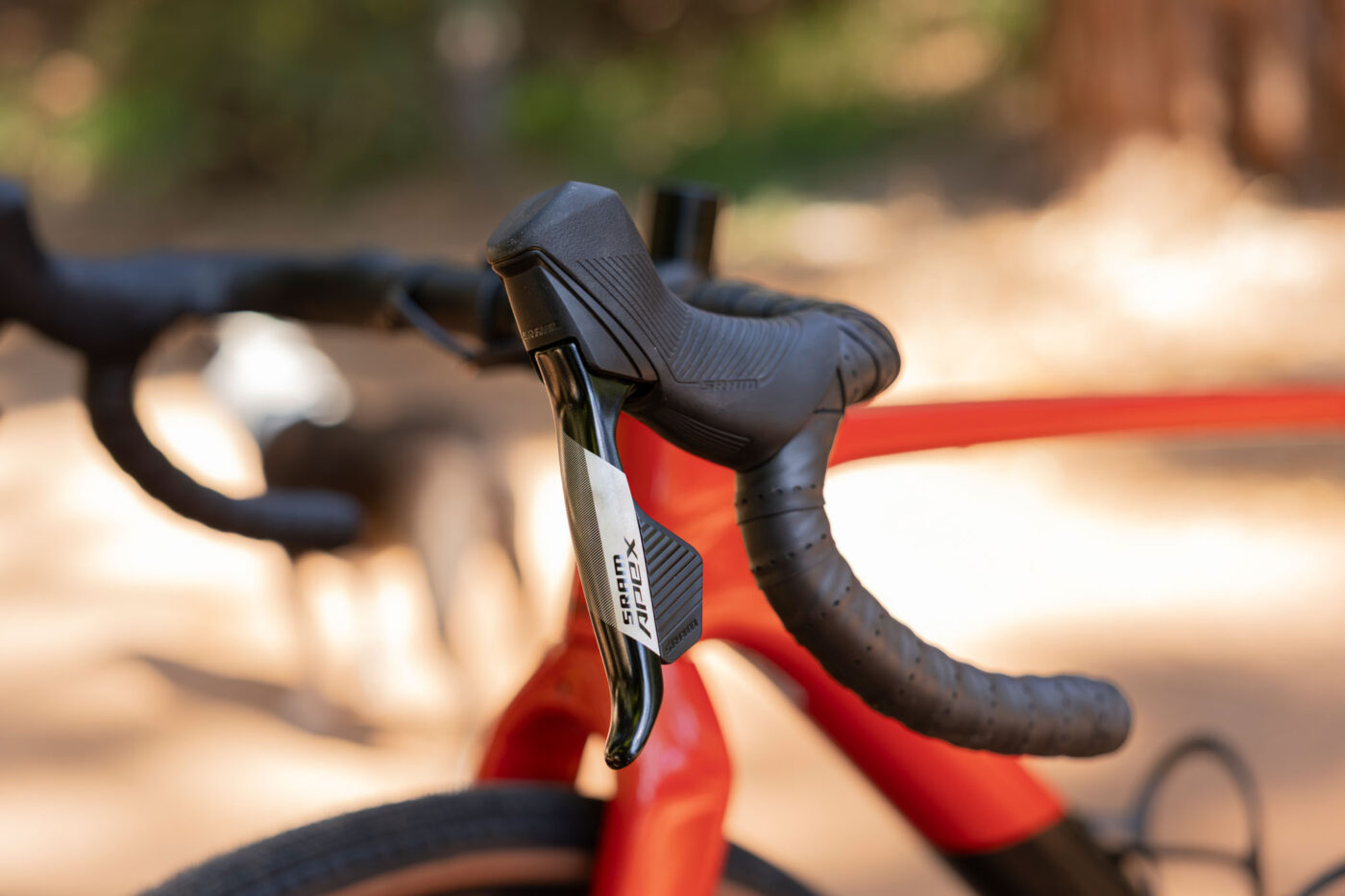
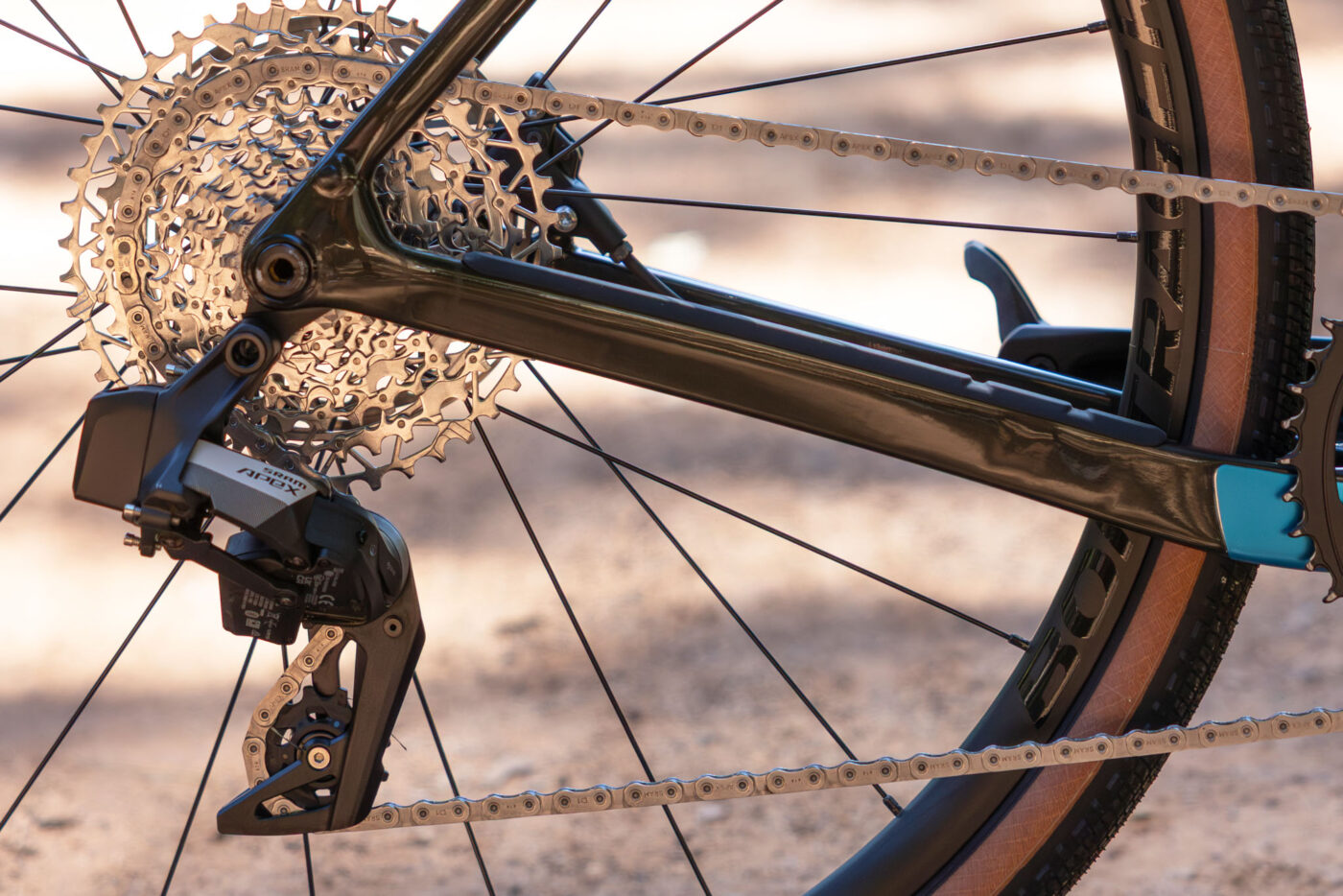
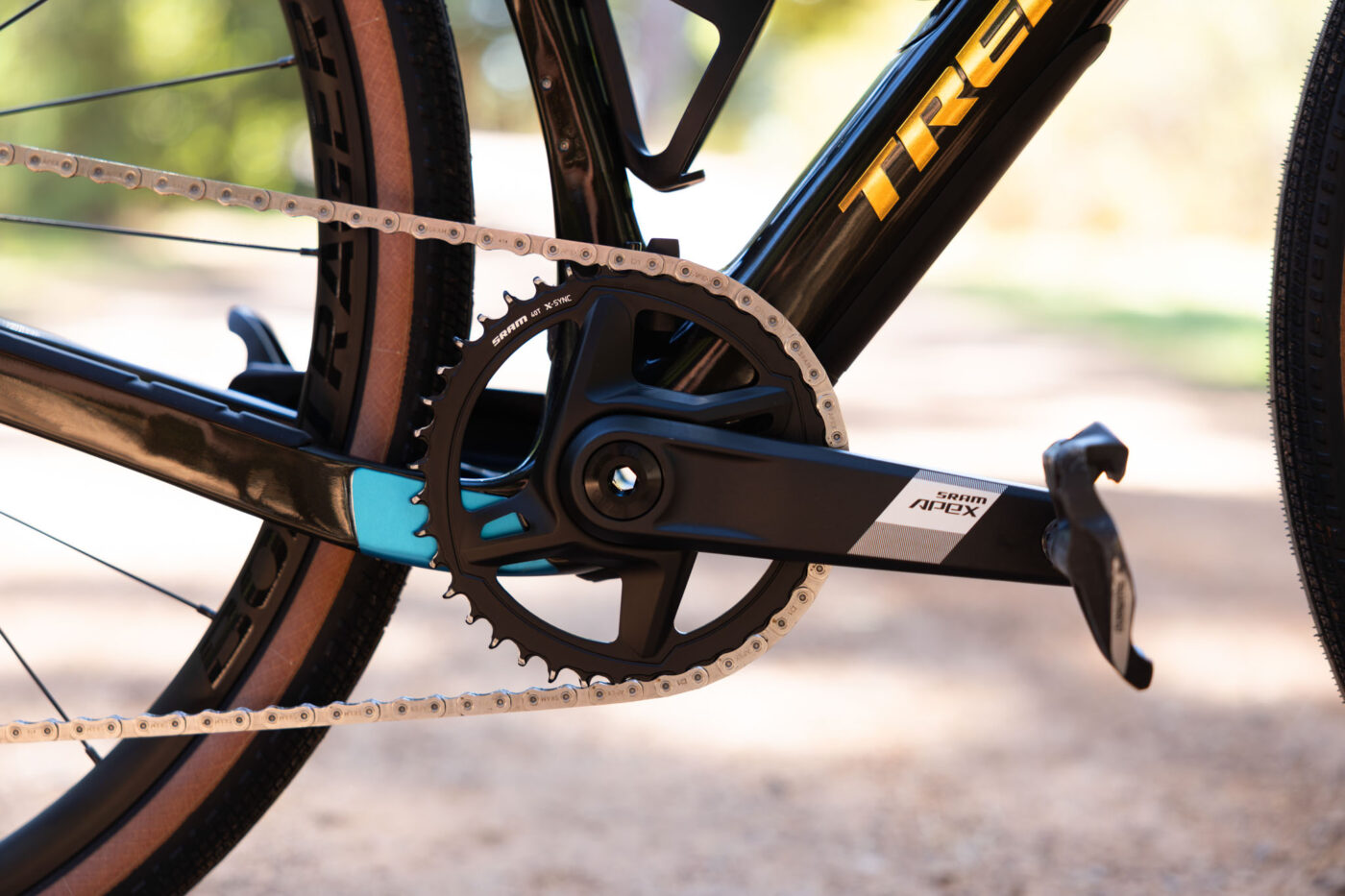
The bike’s character can best be described as assured. It never feels nervous or twitchy, even on choppy surfaces. It tracks well through loose gravel, feels planted on long descents, and remains composed when the terrain becomes unpredictable.
This is not a bike that begs to be thrown into attacks or sprinted aggressively out of corners. Instead, it rewards a steady, consistent riding style and excels when ridden at endurance pace over long distances.
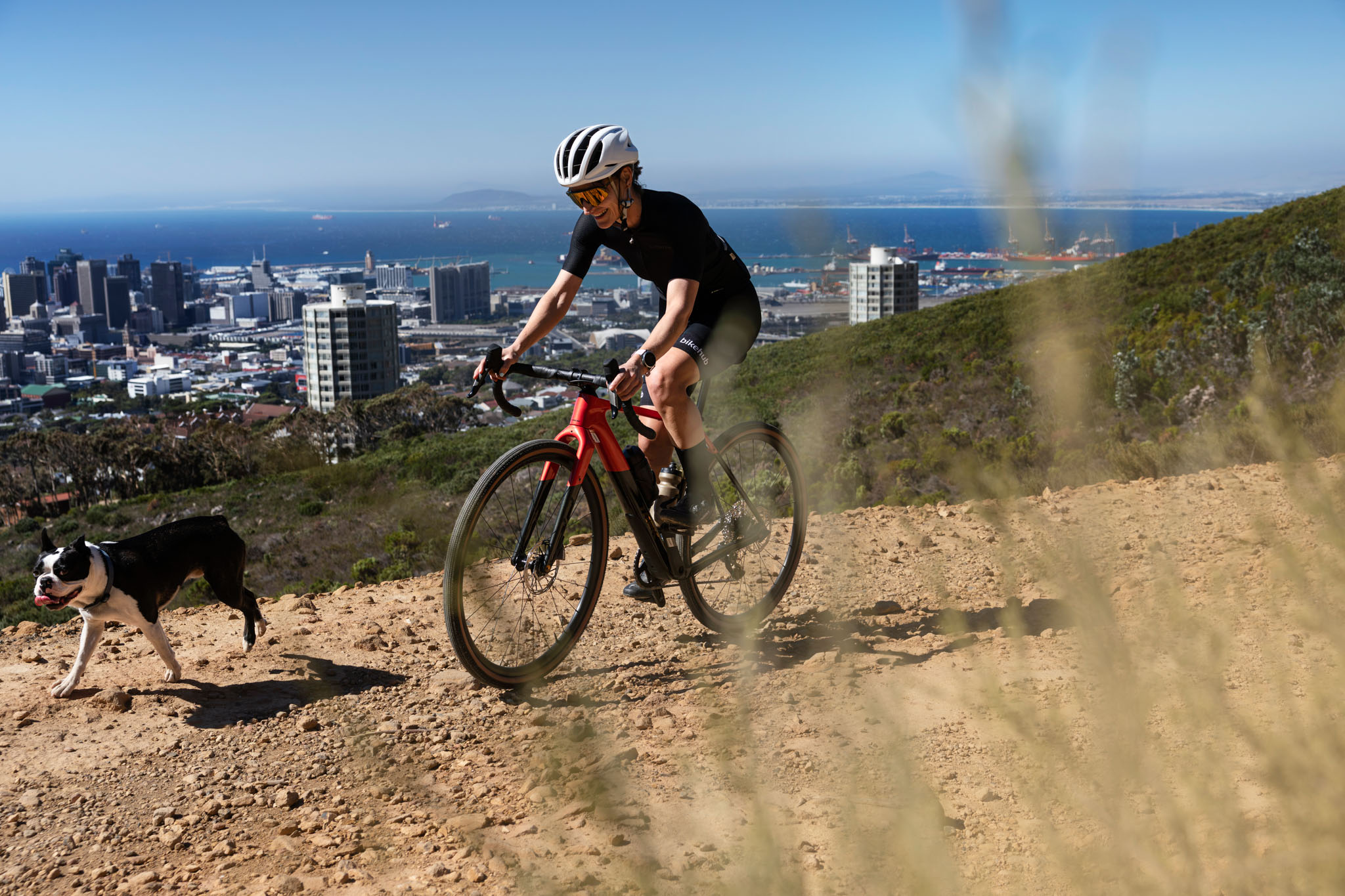
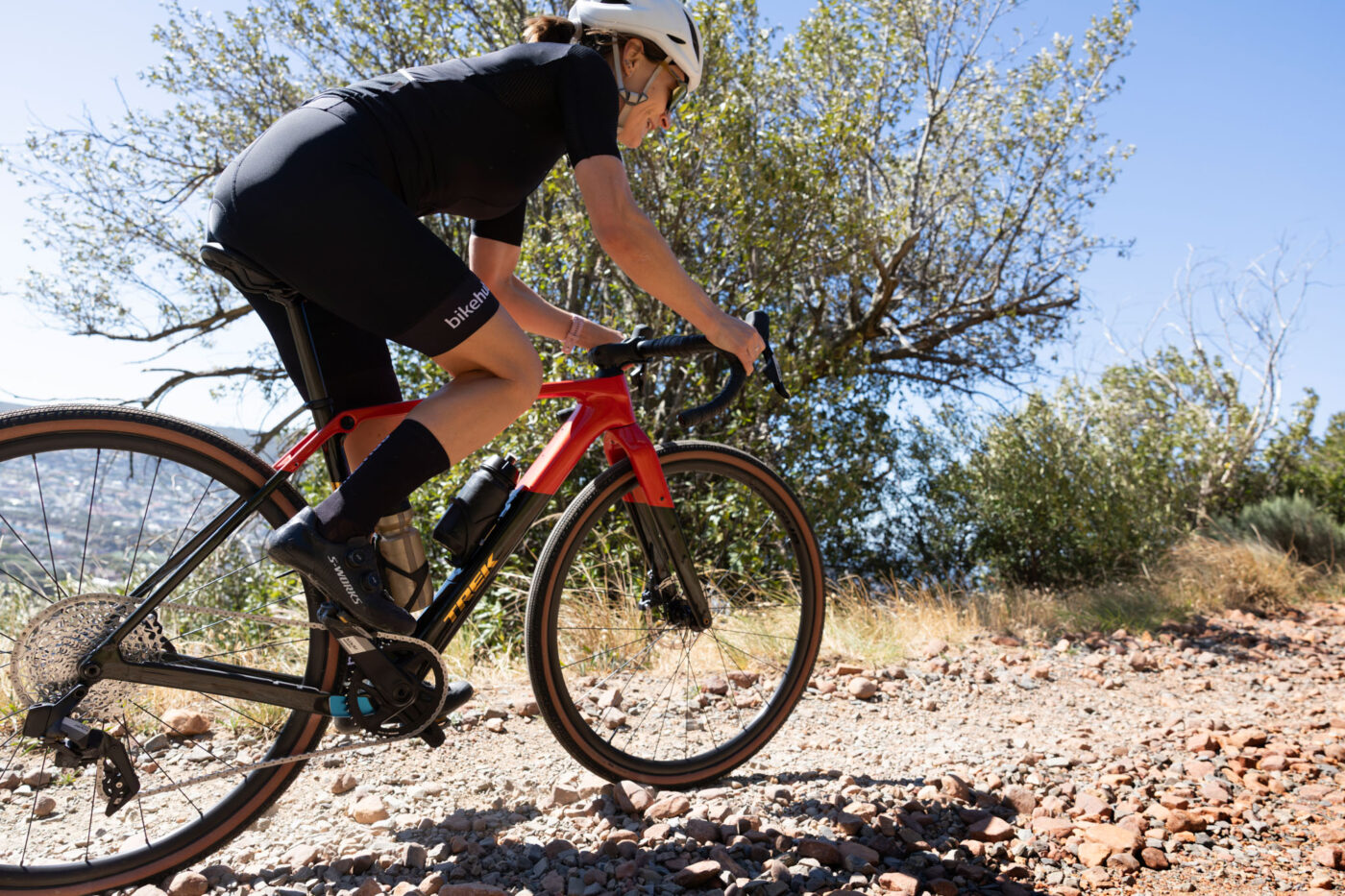
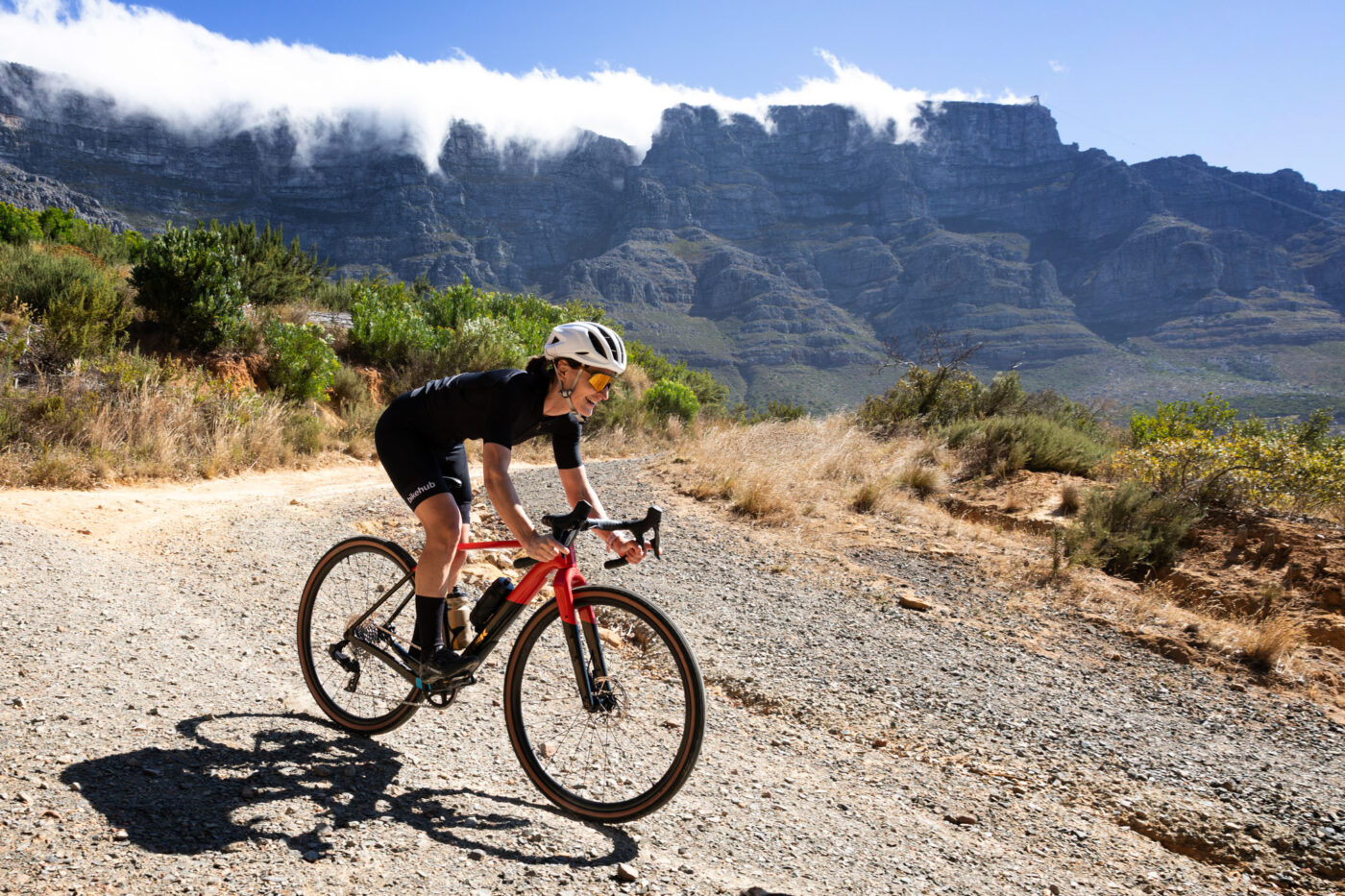
For riders looking for a relaxed, confidence-inspiring platform for long gravel rides, mixed-surface adventures or endurance events, this is a big win. The bike feels stable at speed, predictable through corners, and forgiving when fatigue sets in. It’s the kind of bike that encourages you to ride further, rather than faster. It would be my first choice for a bikepacking adventure.
That said, riders who prefer a lower, more aggressive position: particularly those coming from a road racing background or who value aerodynamic efficiency, may want to make some setup changes or consider the Checkmate. At its core, the Checkpoint prioritises fun and comfort over outright speed.
Conclusion
The Trek Checkpoint SL 5 AXS Gen 3 is a highly capable, extremely comfortable gravel bike that delivers excellent value for money. Its upright geometry, compliance-focused frame and practical features make it a standout option for endurance-focused riders and gravel adventurers.
While some component choices: namely handlebar and stock tyre width- wouldn’t be my personal choice, these are relatively easily addressed with component changes.
If your priority is comfort, versatility and enjoying long days on mixed terrain, the Checkpoint SL 5 AXS Gen 3 is a standout choice.