The Scott Spark is an iconic cross-country and marathon race bike. While it may have been tempting to stick to a successful formula, Scott took the bold move to completely redesign the Spark range. For 2017, forget what you knew about the Scott Spark as everything from suspension design, geometry, and even the intended riding style has seen a complete overhaul.
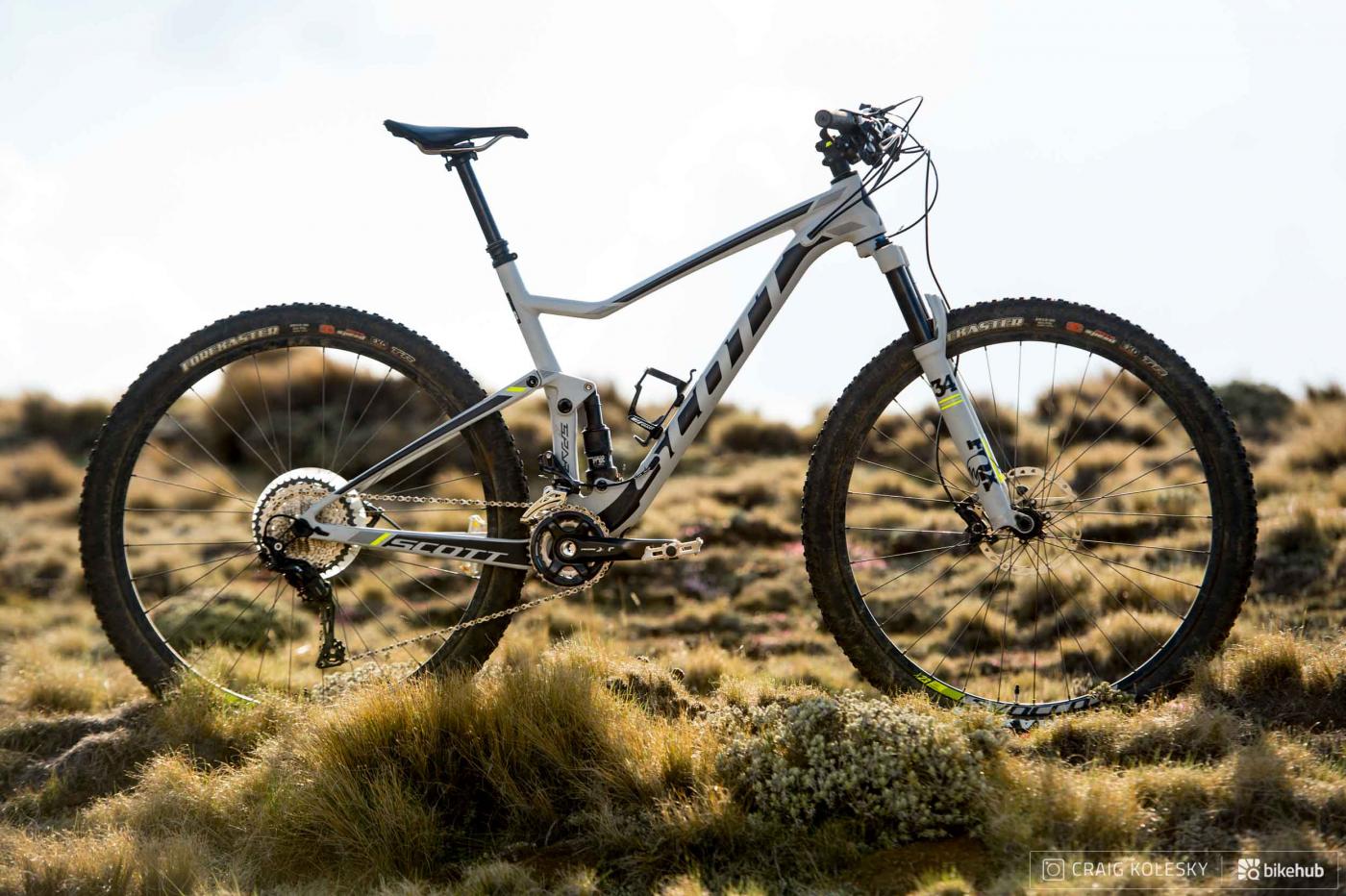
The all-new Scott Spark platform will be used on three distinct models (with very similar names it can get confusing): The Scott Spark RC is a 100 mm aggressive cross-country bike. Jenny Rissveds and Nino Schurter rode this bike to gold in Rio. The trail focussed Scott Spark Plus features 2.8″ tyres and boasts a 130 mm fork. The Scott Spark model lined up is 120 mm with modern trail inspired geometry. Both the Spark and Spark RC are available as 29” (900 models) or 27.5” (700 models). In South Africa, the in stock range will favour the 29” models.
We tested the Scott Spark 940 which is the top specced 29er aluminium model.
Frame
The Scott Spark frame has seen major changes to the suspension design, geometry, and the adoption of the Boost axle standard.
Visually, the most obvious change is to the suspension. The shock is now vertically mounted to the bottom bracket area. The design remains a single pivot but with a rocker link instead of the previous top link, which means a lighter top tube. A metric shock with Trunnion mounts is used on the Spark range. This means a smaller shock allowing engineers to create a more compact suspension design without out losing any shock stroke. A downside of the rocker link design is that there is now space for just one bottle cage.
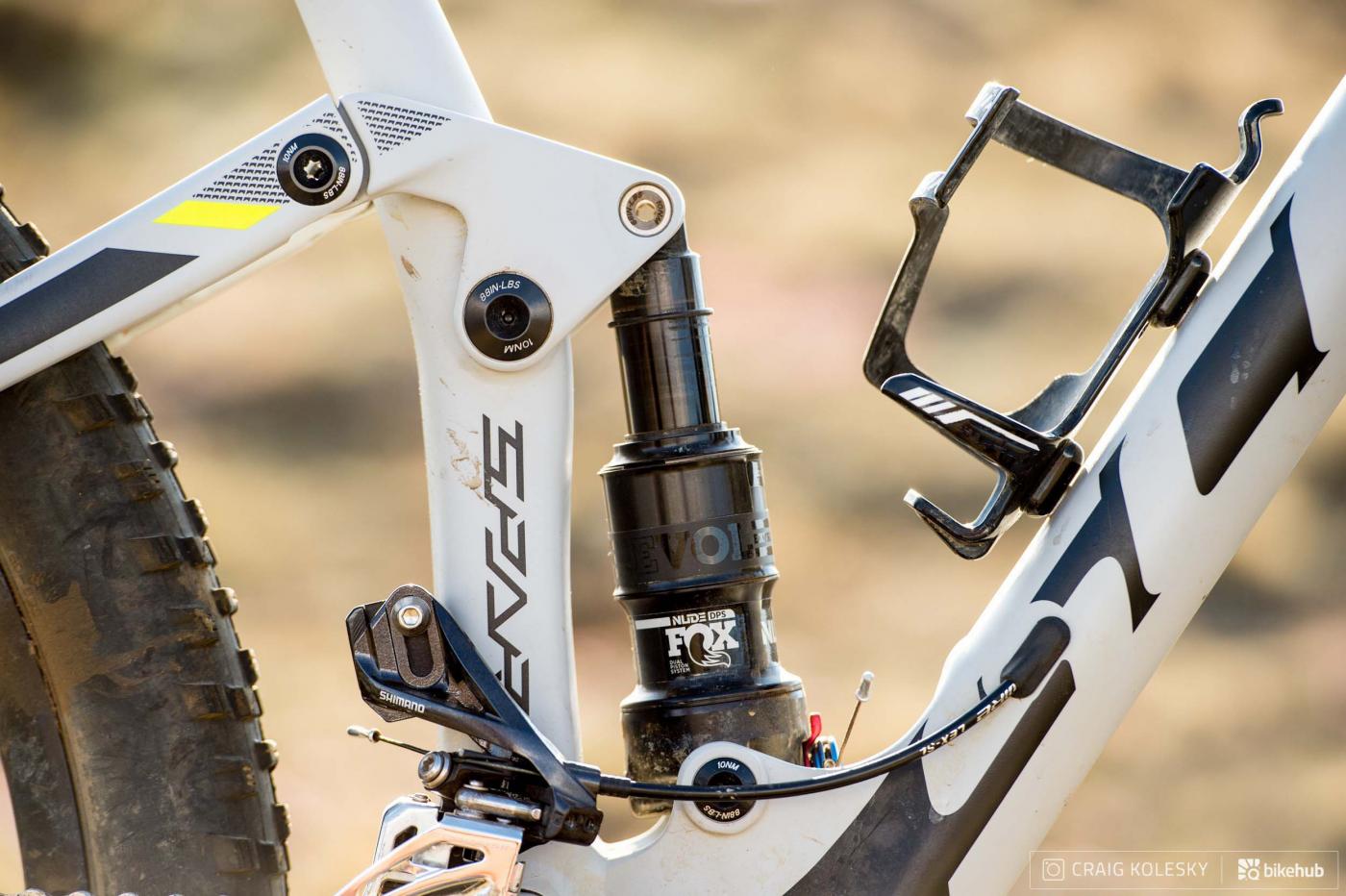
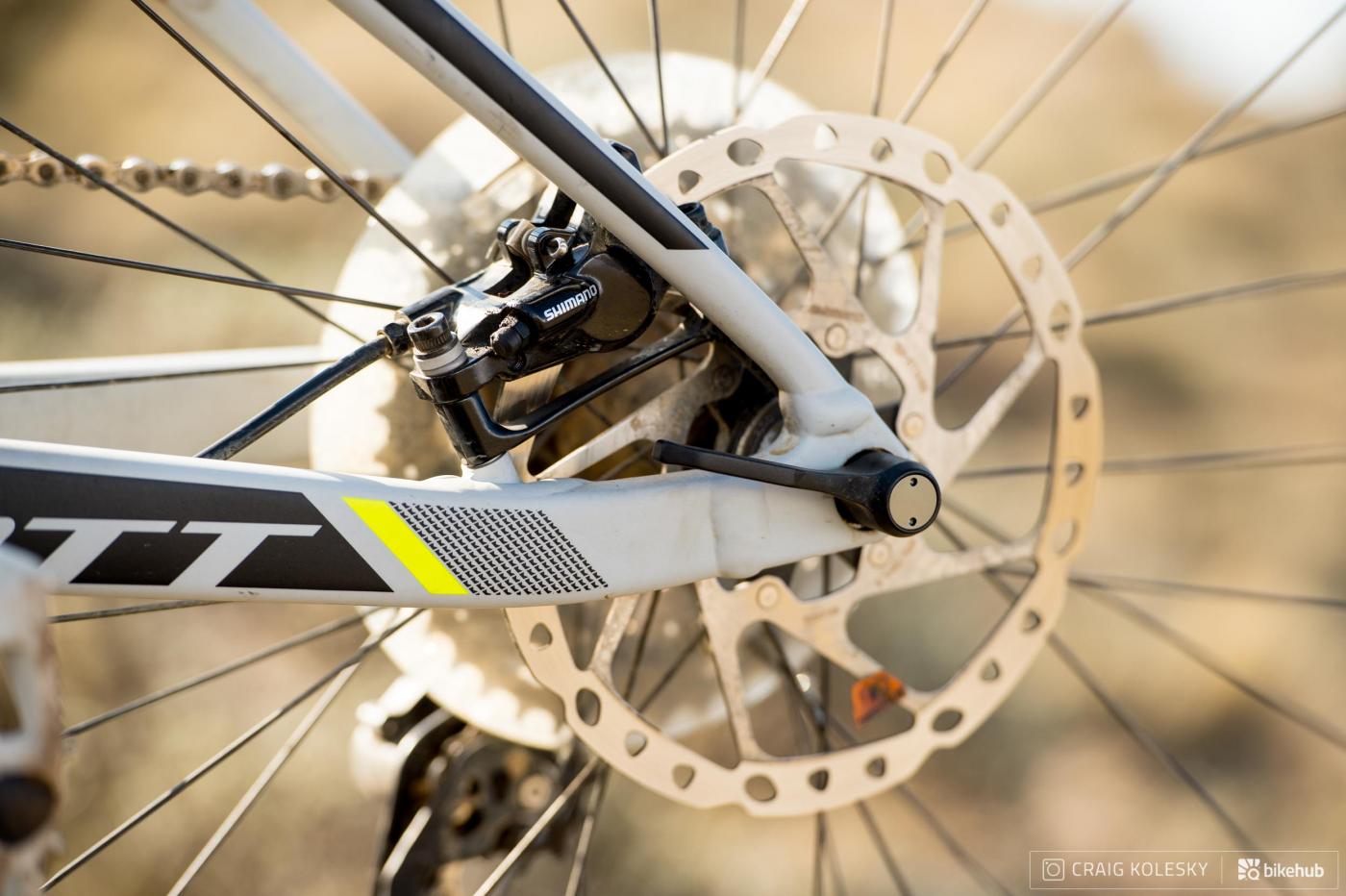
Scott have designed the new rear triangle to have fewer parts. The previous design had 18 parts, while the new Spark has only three. This means reduced weight and easier maintenance. To assist the rear end when the suspension compresses, Scott have placed part of the brake mount on the wheel axle.
Scott say that all these changes to the suspension design have allowed them to follow the modern trend of a softer initial travel with support ramping up progressively through the stroke. Practically, this means better small bump absorption with some support in the middle of the travel and the ability to soak up the bigger hits without needlessly bottoming out.
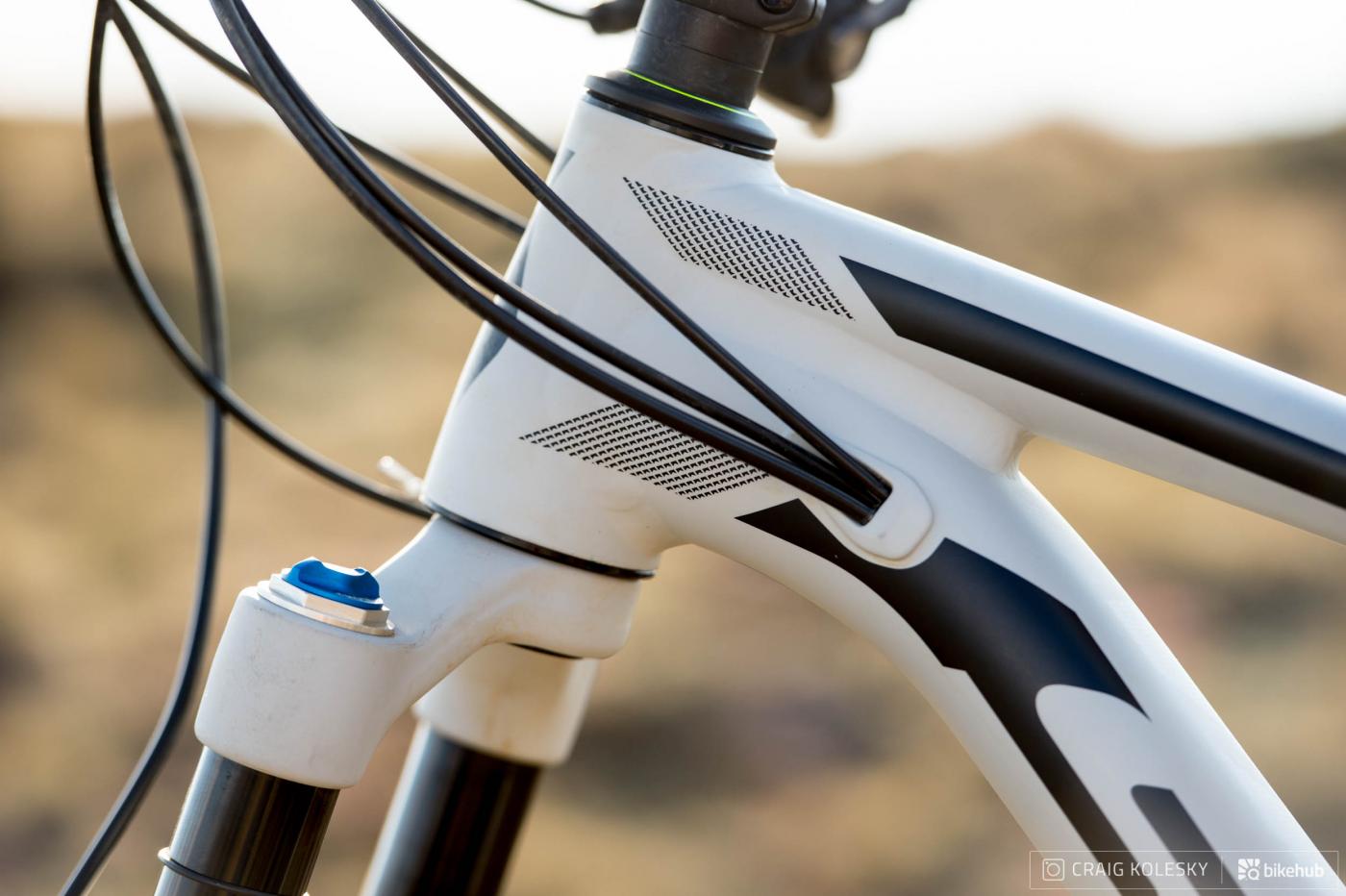
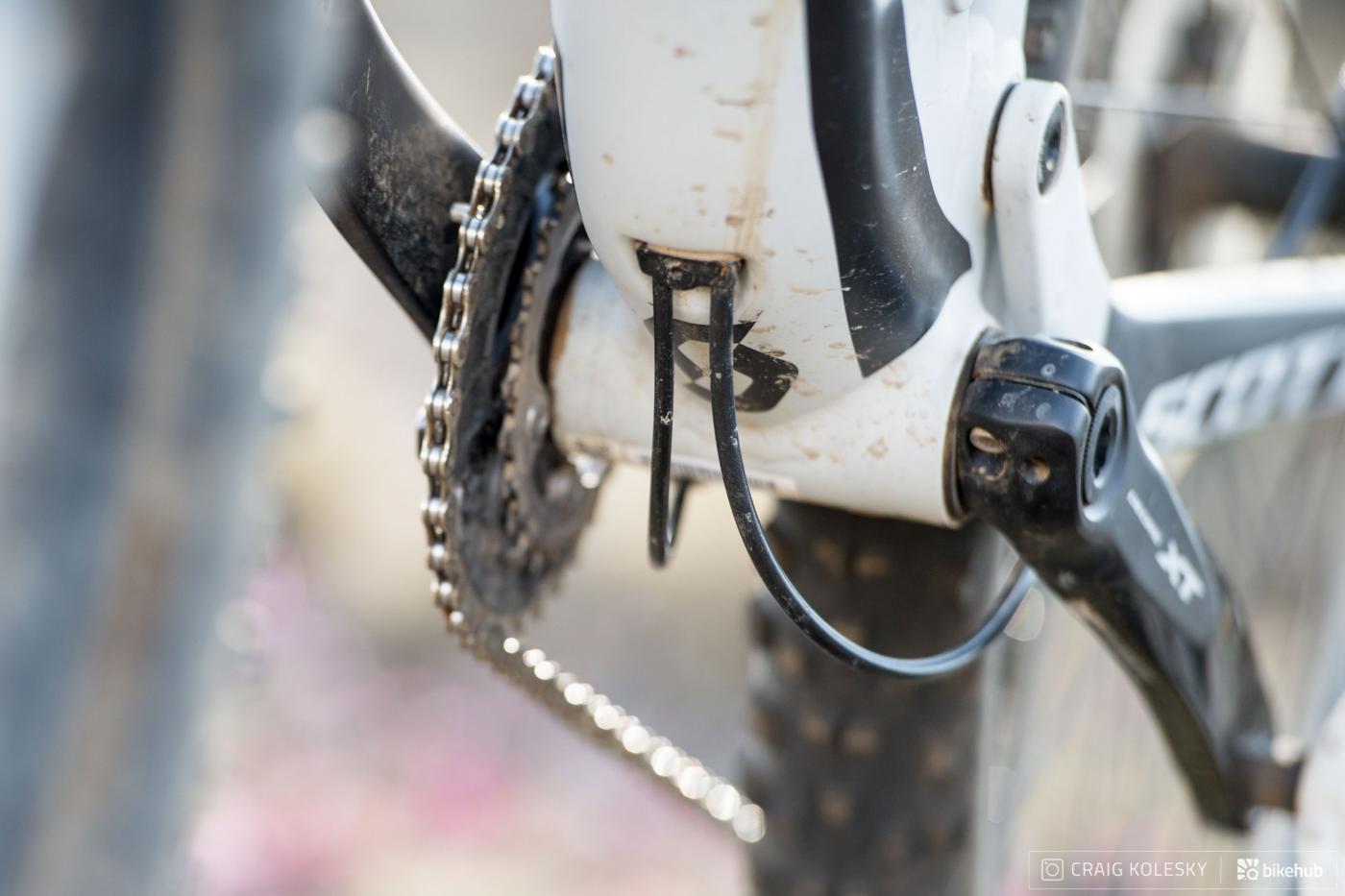
With the new Spark platform, Scott have embraced modern geometry with a longer bike and slacker angles. Riders now have more room in the cockpit allowing for a shorter stem and more direct steering. A slacker head angle improves handling on the descents as the fork is better placed to absorb impacts and is less likely to see the rider topple over the handlebars. Our Large test bike had a 67.2 degree head tube angle with a 460 mm reach and 438 mm chainstays. These figures are firmly in line with most modern trail bikes.
The new Scott Spark also incorporates Boost 148 axle spacing into the frame design with the forks fitted also having the Boost 110 axle spacing. The benefit of this is a stiffer wheel, great clearance for big tyres, and the ability to tweak the wheel position to shorten the chainstay length.
Components
Fork: The 120mm Fox 34 Float Performance is a good match for the capabilities of the Scott Spark. The fork tracked well with sufficient stiffness to remain true even through rough sections.
Shock: The Fox Nude DPS shock was relatively easy to setup using the plastic clip-on sag meters that came with the bike. The shock worked flawlessly and felt super smooth in all conditions.
Lock-out: Scott’s Twinloc remote lockout system controls the compression damper with 3 settings: Lockout- Traction Control- Descend. The Twinloc changes the setting of both the fork and shock at the same time using the single lever and is a well-functioning system.
Drivetrain: The Spark 940 is kitted with a Shimano XT 2x drivetrain (with the exception of an SLX cassette). Shimano’s drivetrains are well-proven to be reliable and I had no problems during the testing of the bike.
My only gripe was the 34 tooth big chainring fitted on the 900 series bikes. On my own bike, I often run my 1×11 setup with a 34 tooth so with two chainrings, I would have expected a bit more extension down the range than I have on my single chainring setup. However it is relatively easy and inexpensive to upsize the chainring.
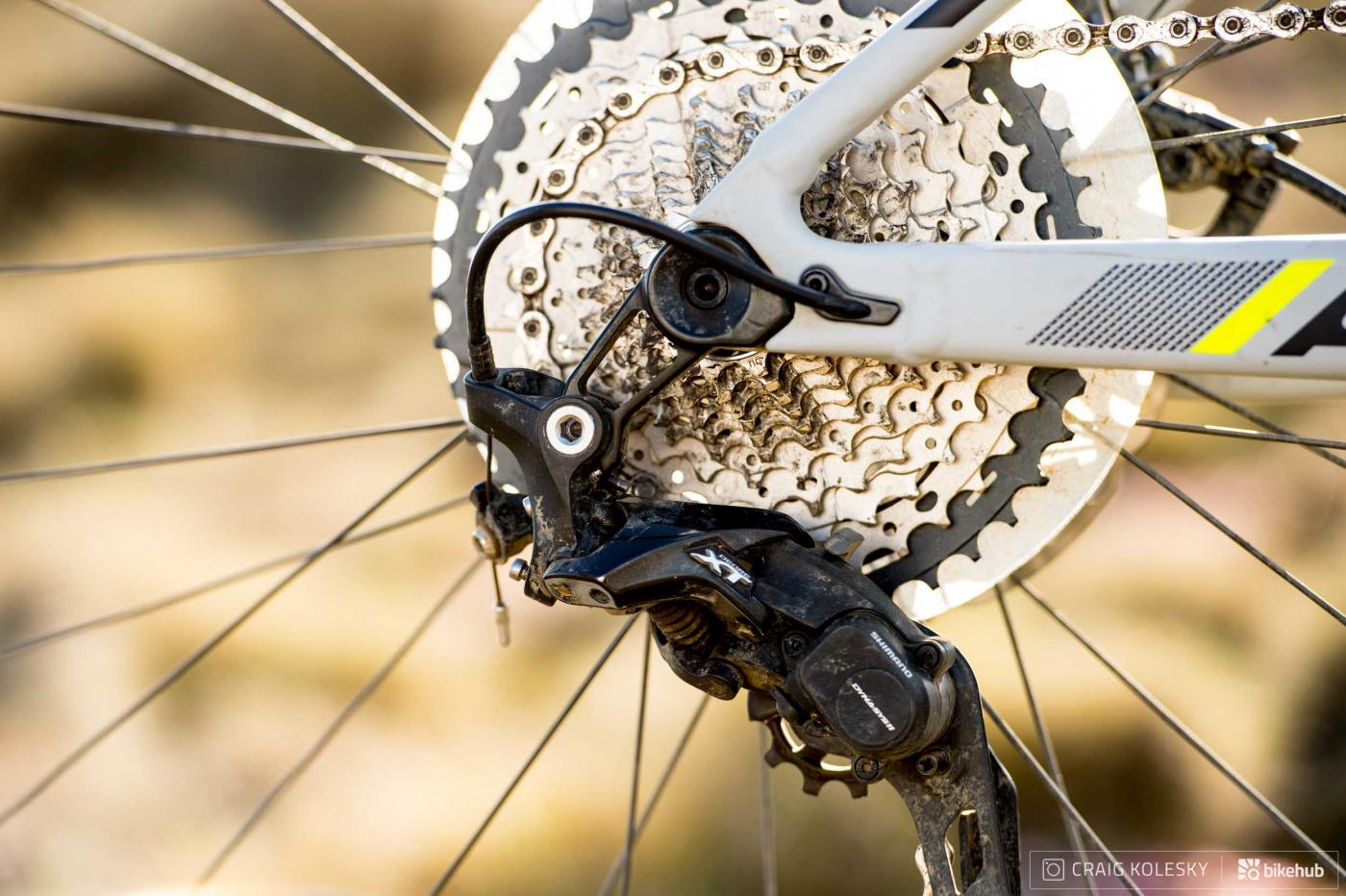
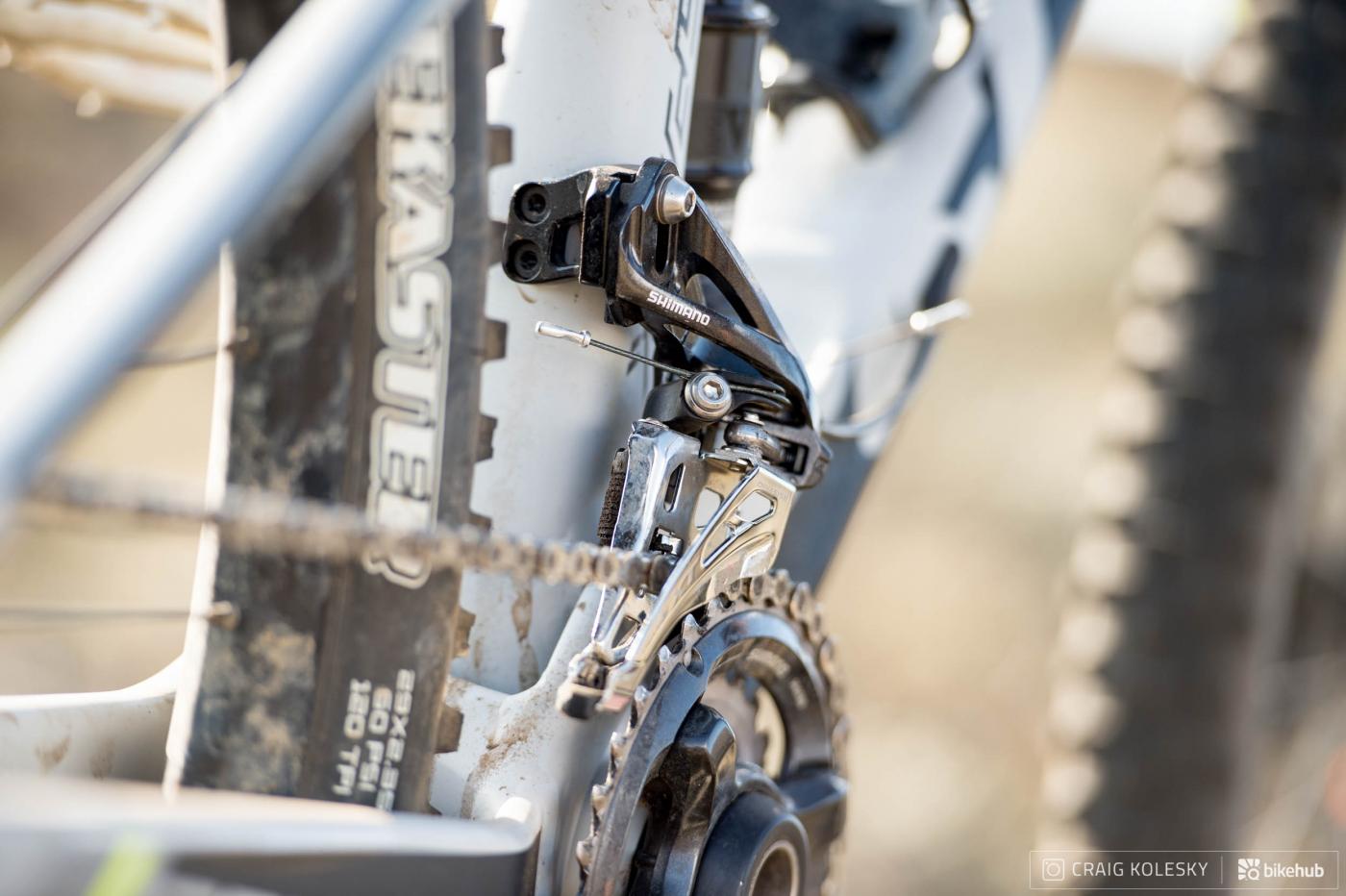
Brakes: The Deore brakes are excellent, especially considering Shimano have three brakes above it in their hierarchy. In fact, when first writing this review, I assumed they matched the XT drivetrain until I checked again.
Wheelset: I was impressed with the Syncros X-23 rims and Shimano Deore hubs. They were reliable and had good feel on the trail. The wheels arrived with tubes but with the rims are already taped for tubeless, meaning you just need two tubeless valves and some sealant to make the conversion. That said, if you’re the upgrading type, the wheelset is probably the one place on this bike where you can make meaningful improvements.
Seatpost: A dropper seat post is a must for any trail bike and the 125mm Fox Transfer operated superbly throughout testing. The Transfer has infinite adjustability, and dropping was smooth and easily controlled. Raising the seat was equally smooth and did not leave me in fear of losing my plums.
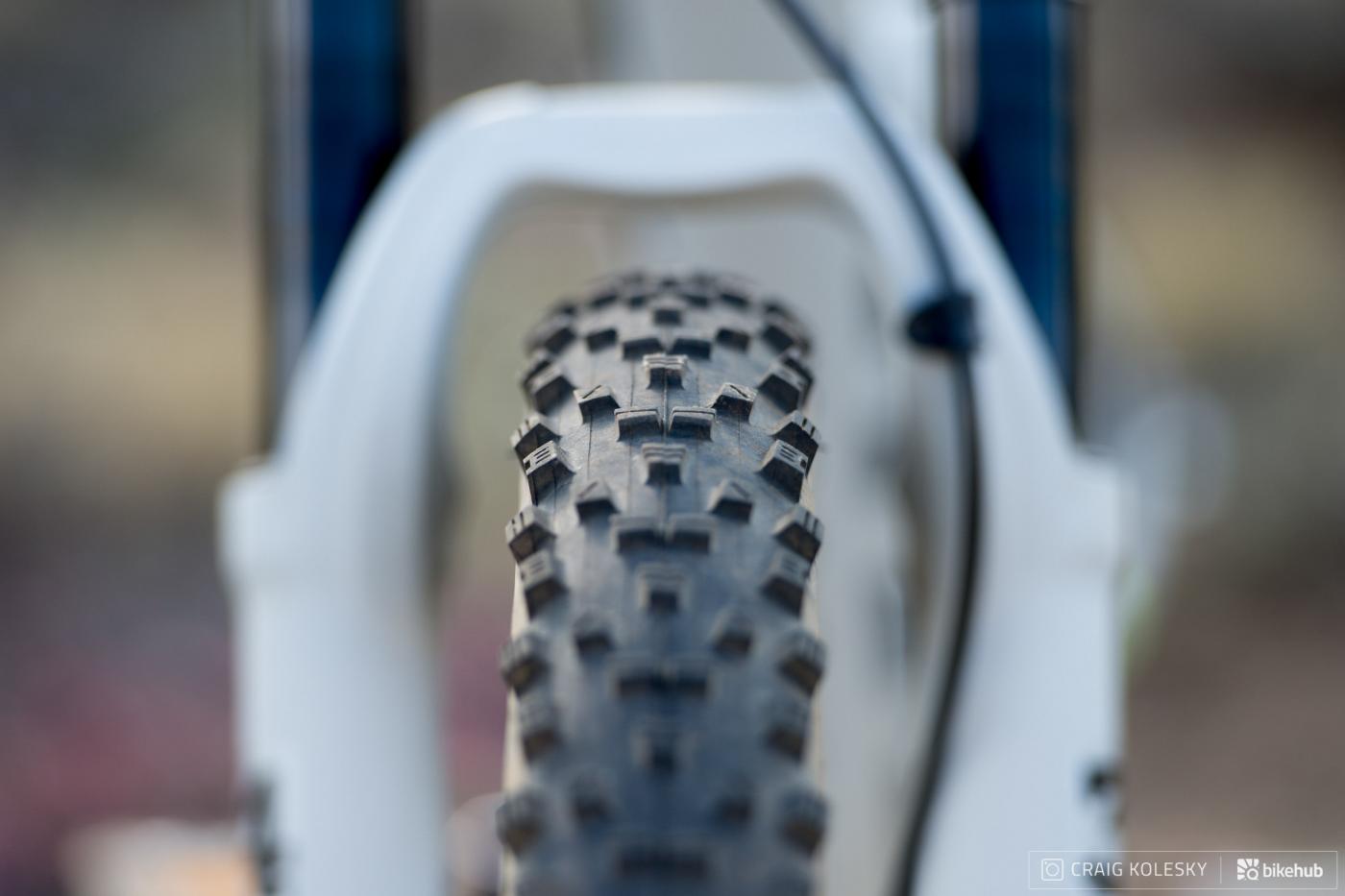
Tyres: The Maxxis Forekaster is a great trail tyre. The grip is excellent and without any change in feel or loss of grip when transferring to the outer knobs. In muddy conditions, the Forekasters shed mud well and provide adequate grip.
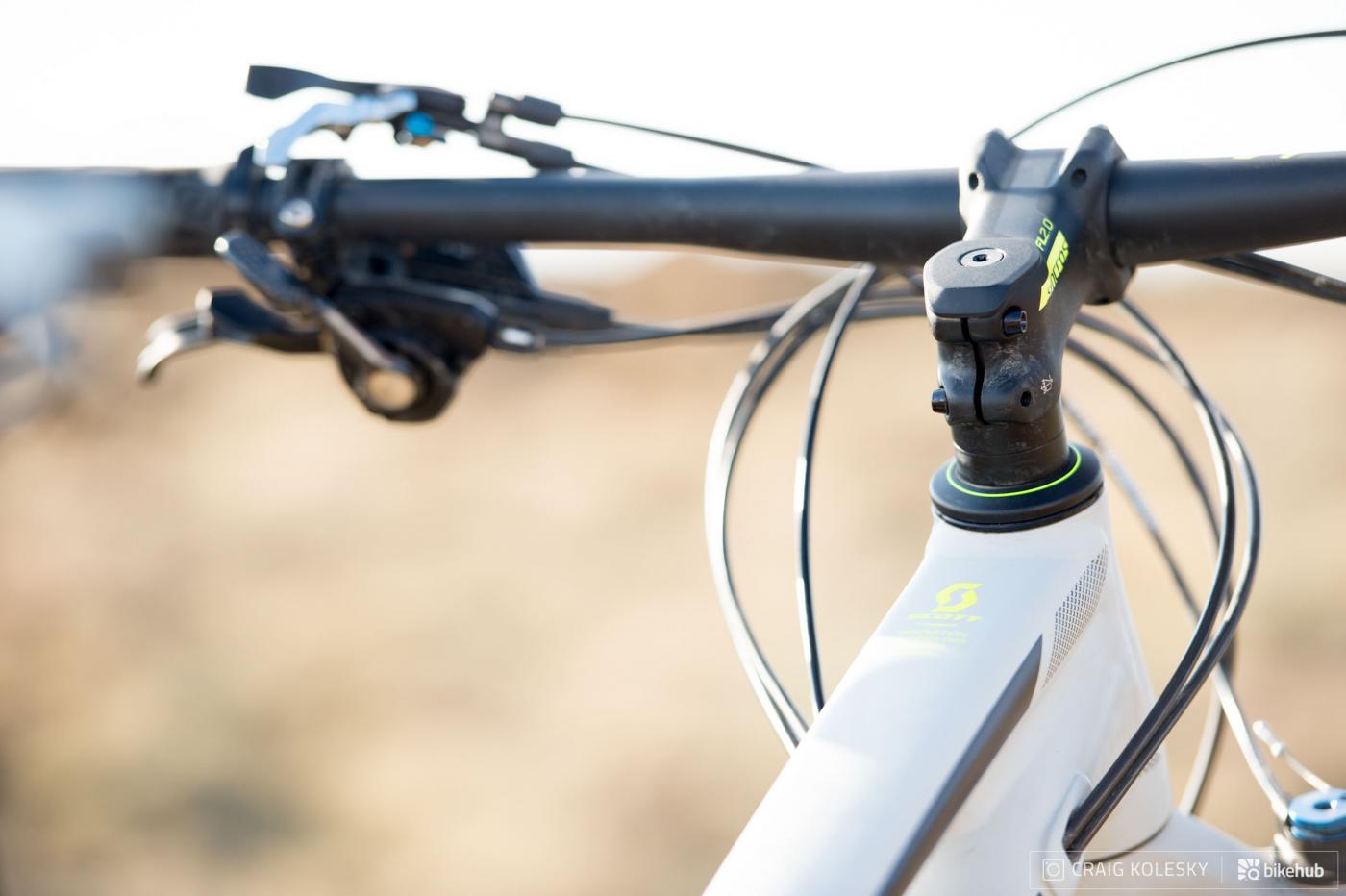
Cockpit: Considering the aggressive frame geometry, I would have expected something a bit wider than the 740 mm handlebars on the large frame, as they can always be cut down to the rider’s preference. The 70 mm stem is a good middle ground and can easily be swapped out to meet the riders preferred length.
The Syncros XR 2.0 saddle and my nether regions did not agree with each other and I had to swap it out for something a bit wider after the first ride. This is not a criticism of the saddle, it was simply a fit issue.
Full specification
- FrameSpark 3 Alloy SL 6011; custom butted Hydroformed tubes; tapered Headtube / BB92 / DM hanger; dropouts for 148x12mm
- ForkFOX 34 Float Performance Air; Grip 3 / 3-Modes / 15x110mm QR axle / tapered steerer; Reb. Adj. / Lockout / 120mm travel
- ShockFOX NUDE Trunnion; SCOTT custom w. travel / geo adj.; 3 modes: Lockout – Traction Control -Descend; DPS / EVOL / Reb. Adj.; Travel 120 – 85 – Lockout / 165X45mm
- Remote SystemSCOTT TwinLoc Remote Technology; 3 modes front and rear / integ. Grip clamp
- HeadsetSyncros Pro Press Fit / Tapered 1.5″ – 1 1/8″; OD 50/61mm / ID 44/55mm
- Rear DerailleurShimano XT RD-M8000 SGS; DM / Shadow Plus / 22 Speed
- Front DerailleurShimano XT FD-M8020-D / side swing
- ShiftersShimano XT SL-M8000-B-I / Rapidfire Plus; 2 way releaseIspec 2 clamp
- BrakesShimano M615 Disc; 180mm F & R / SM-RT64 CL Rotor
- CranksetShimano XT FC-M8000-B2 / Hollowtech 2; 900 Series: 34×24 T
- BB-SetShimano BB-MT500-PA / shell 41x92mm
- HandlebarSyncros FL2.0 T-Bar / Alloy 6061; T shape Flat / 9° / 740mm; Syncros Pro lock-on grips
- StemSyncros FL2.0 / 6061 Alloy; 6° / integrated Top Cup / 31.8mm / 1 1/8″
- SeatpostFOX Transfer Dropper Remote; 31.6mm / S size 100mm / M, L & XL 125mm
- SeatSyncros XR2.0 / CROM rails
- Front HubShimano HB-M618-B CL / 15x110mm
- Rear HubShimano FH-M618-B CL / Boost 12x148mm RWS axle
- ChainKMC X11L
- CassetteShimano SLX CS-M7000 / 11-42 T
- SpokesDT Swiss Champion Black 1.8mm
- RimsSyncros X-23 / 32H / Tubeless ready
- TyresMaxxis Forekaster / 2.35 / 120TPI Kevlar Bead TR Tubeless Ready / EXO / 3C maxx speed
- Claimed weight13.1 kg
- Retail PriceR46,000
Riding
The Spark has lost some climbing ability compared to it’s more race-orientated predecessor, but it is by no means a bad climber. The addition of more robust trail focussed components has added some weight and the slacker geometry has blunted the attacking edge somewhat when pushing hard out of the saddle. However, when seated and climbing at a moderate pace, the Spark gets on with the job, and I felt that I could climb comfortably all day. I would be interested to see if the lighter specced carbon models keep some the previous Spark’s nimbleness on the climbs.
Scott’s Twinloc remote lock-out system worked superbly on the bike. I’m usually very indifferent to suspension modes and lock-outs, just leaving the suspension open for most trail conditions. On the Spark however, the Twinloc system made a noticeable improvement to the bike when climbing. Switching to the Traction Control setting, I could instantly feel the whole bike sharpen up as the shock sat higher in it’s travel, while the complete lockout transformed it into a twitchier, more responsive climber.
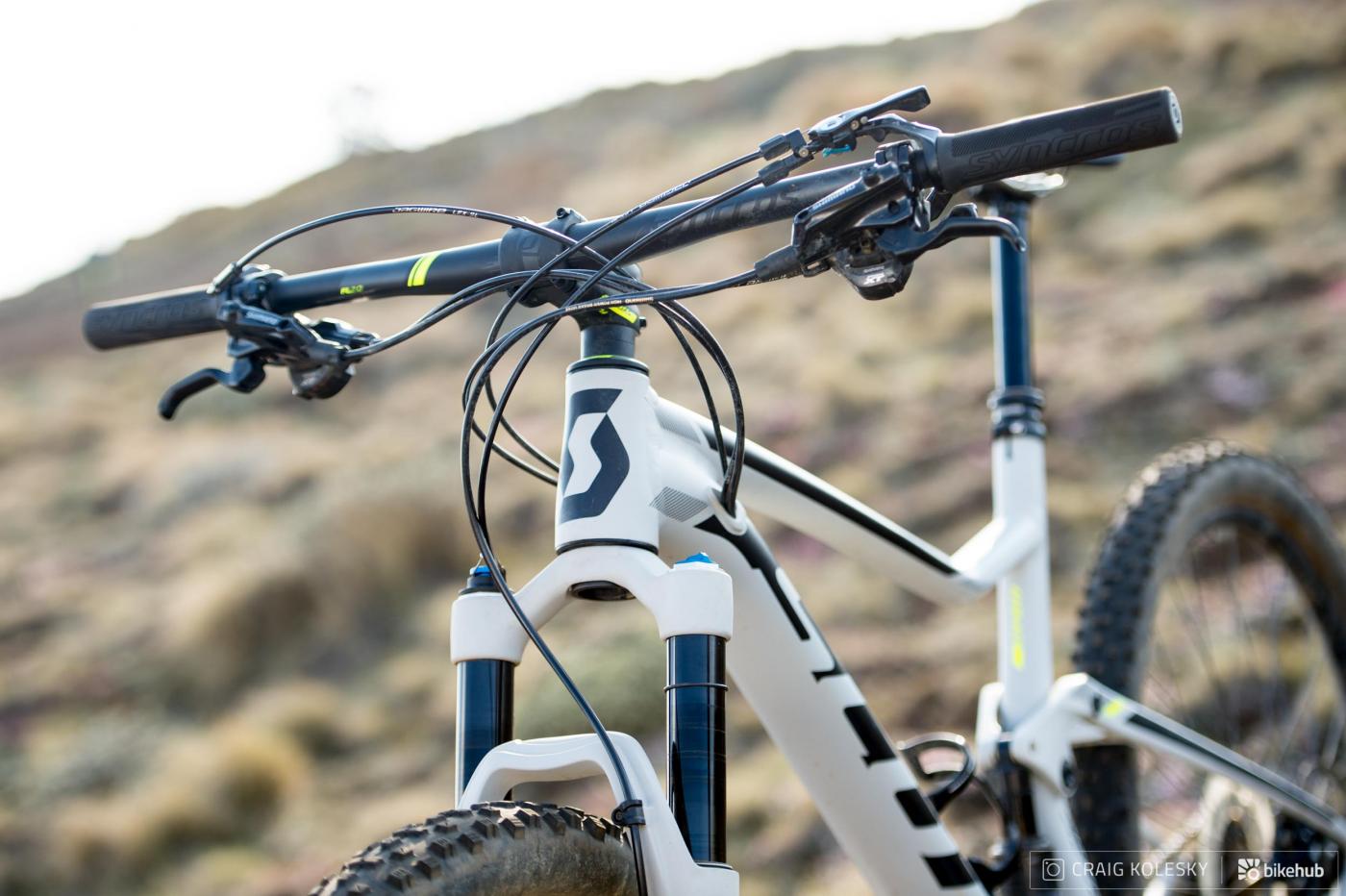
My only gripe with Twinloc is that you lose independent control over the fork and shock compression. Firstly, I found the balance between the shock and fork to be off in the Traction Control lockout setting, with the fork feeling much harsher than the shock. Secondly, I have grown accustomed to firming up the rear while leaving the fork open to deal with the trail on technical climbs.
The new Spark platform excels at bombing down the mountain. The suspension is highly capable and is well tuned to get the most out of the 120mm travel. Couple this with the geometry changes and the Spark inspires full confidence on the trail.
I like to take test bikes to Hoogekraal. It’s my benchmark trail. For those who aren’t familiar with this slice of heaven, it’s a great mixture of switchback climbs and descents with an array of features, tight corners, and jumps. Long story short, the Spark had me smiling from ear to ear as I confidently hit every feature in my repertoire and dispatched the climbs easily (although be it at a leisurely pace). The Spark shone with its predictable steering and ability to whip through the sharp turns, and is equally capable launching off a lip into the air.
What type of rider?
I firmly believe that many do-it-all riders will have a lot more fun ditching their twitchy, steep head-angled 100 mm race bikes for a confidence inspiring bike like the Scott Spark. This bike makes a great deal of sense for anyone who likes to head out to the trails and simply enjoy the experience of riding a bike both up and down hills. If it is events you’re interested in, the Spark is perfectly suited for anything from a marathon stage race to a local enduro event and everything inbetween.
In the end
With the 2017 Spark, Scott have gone in a completely new direction with the bike, and in doing so have addressed some of the core shortcomings of traditional cross country bikes. The shear size and variety of the Spark range means that almost all tastes are catered for, from racing snake to weekend warrior. If the Olympic success of the Spark RC is anything to go by, the new range is likely to achieve both on and off the racecourse, and increase the enjoyment factor for all at the same time.
The Scott Spark is easily the most well-rounded bike I have ridden. It’s capable on the ups and generates huge grins on the downs. The Spark is as fun as many bikes with much more travel but retains the efficiency of a short travel bike. The Spark is a great example of just how good the combination of modern mountain bike suspension and geometry is today.
Giveaway: Win a Scott Spark 940
Bike Hub and SCOTT Sports Africa are giving away a Scott Spark 940. Click here to enter the competition.


 I spun out
  Maybe next time!


And I enjoy riding a racing bike even though I do not race, I wont like to ride this Scott xc/trail bike, it will feel too slow and heavy for me.