Counterfeit SRAM XX1 Eagle chains are entering the South African market, and they could damage your bike or put you at risk.
These fake chains are widely available on overseas marketplaces like Temu and have even appeared on Bike Hub Classifieds. Bike Hub has a zero-tolerance policy for counterfeit goods, and anyone caught selling them will be banned. Here’s how to protect yourself:
How to Avoid Buying a Fake Chain
Check the Seller
The safest way to avoid counterfeits is buying from the right places:
- Buy from authorized SRAM dealers only. This eliminates all risk. Ask the seller to prove their authorization or verify directly with SRAM.
- Research the seller’s reputation. Legitimate cycling retailers with established reputations are safer bets. Be cautious on marketplace platforms like Temu and AliExpress, where third-party sellers may ignore counterfeit rules.
- Examine the product listing closely. Look for inconsistencies in photos or descriptions that suggest the seller doesn’t understand what they’re selling or is hiding something.
- For private sales, request proof of purchase from an authorized SRAM dealer and verify it with the original retailer.
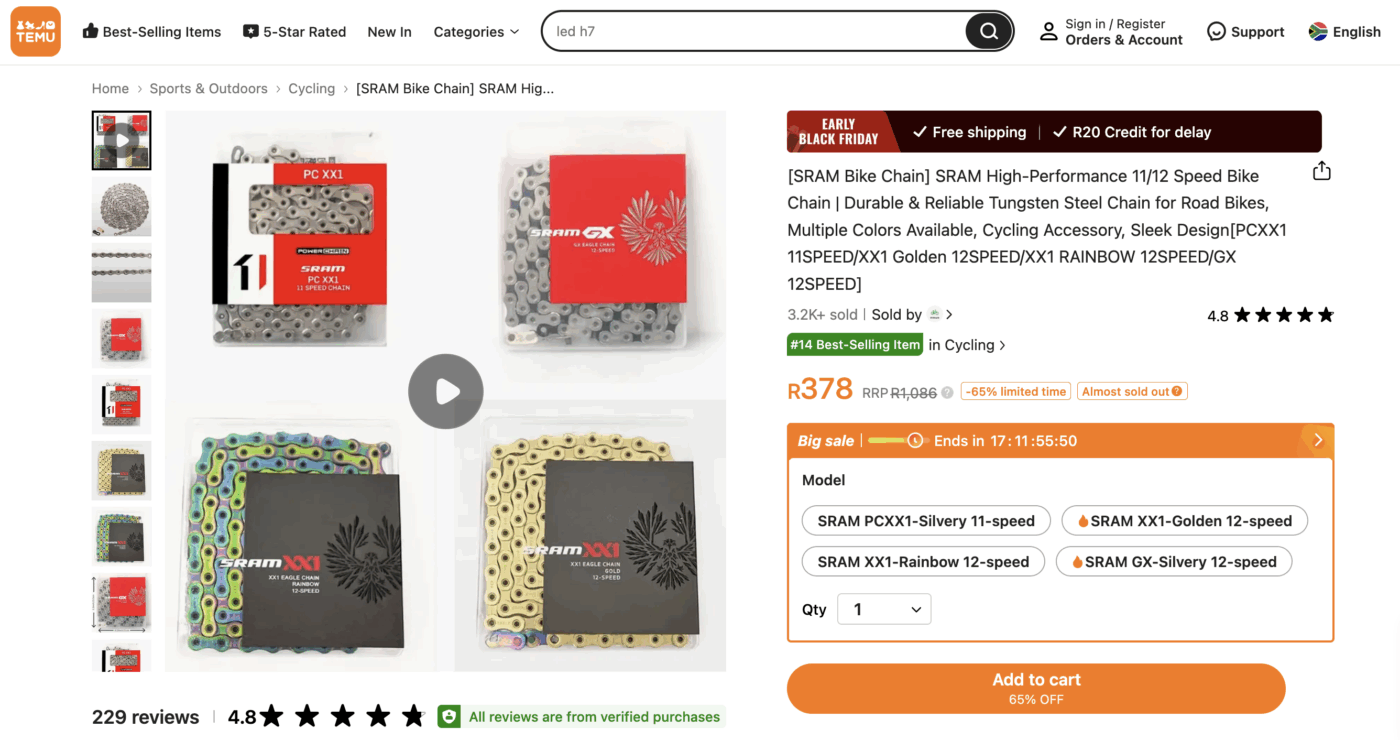
Watch for Suspiciously Low Prices
If a chain is heavily discounted compared to everywhere else, be extremely cautious. You have not discovered a secret backdoor into SRAM’s supply chain; it’s almost certainly fake.
How to Spot a Counterfeit Chain
The Packaging
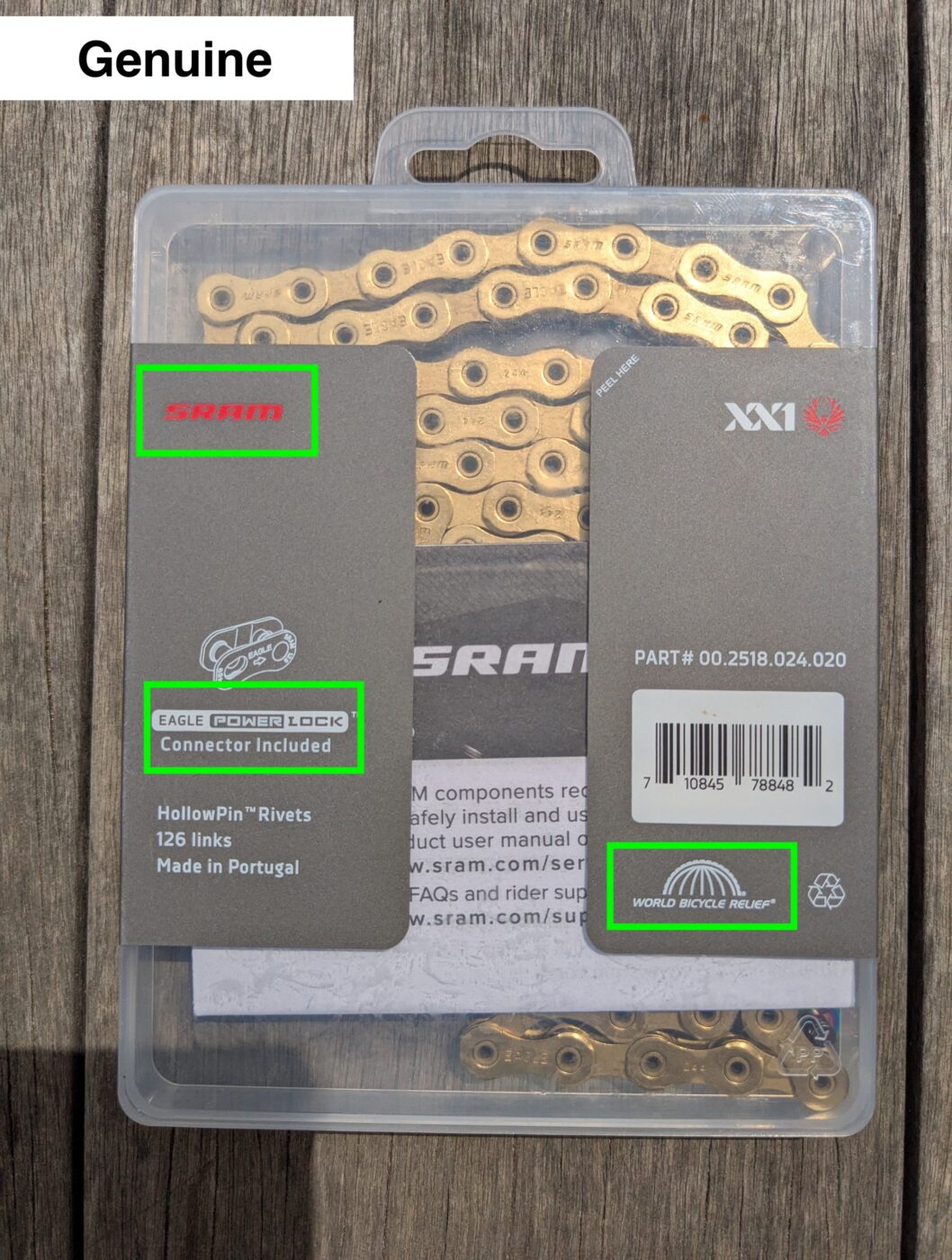
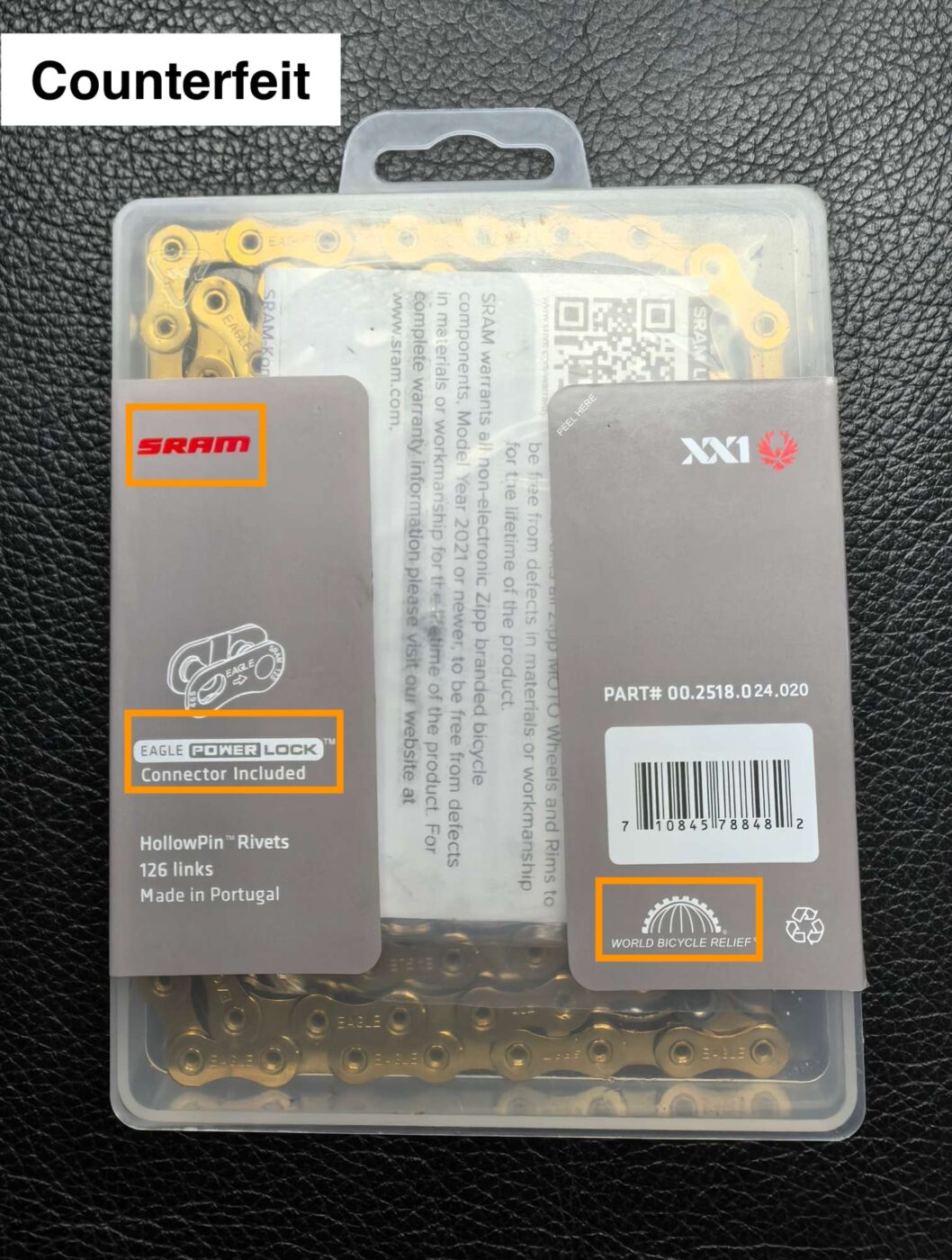
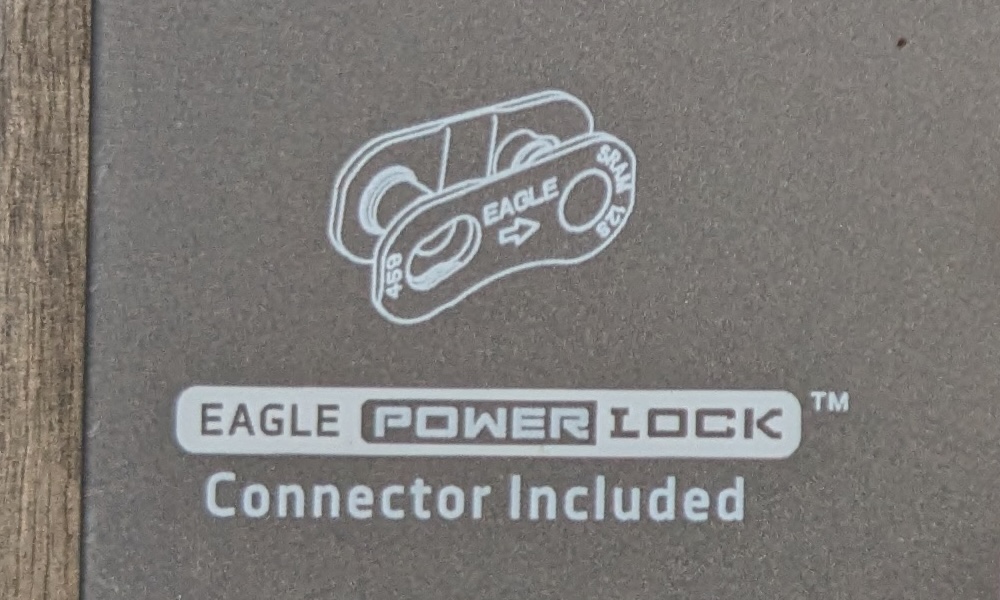
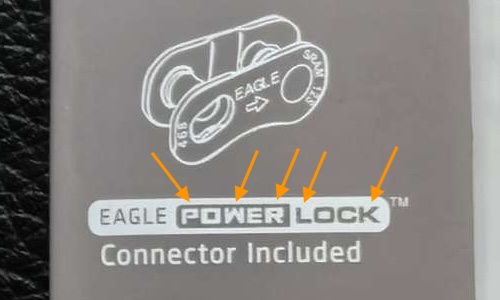
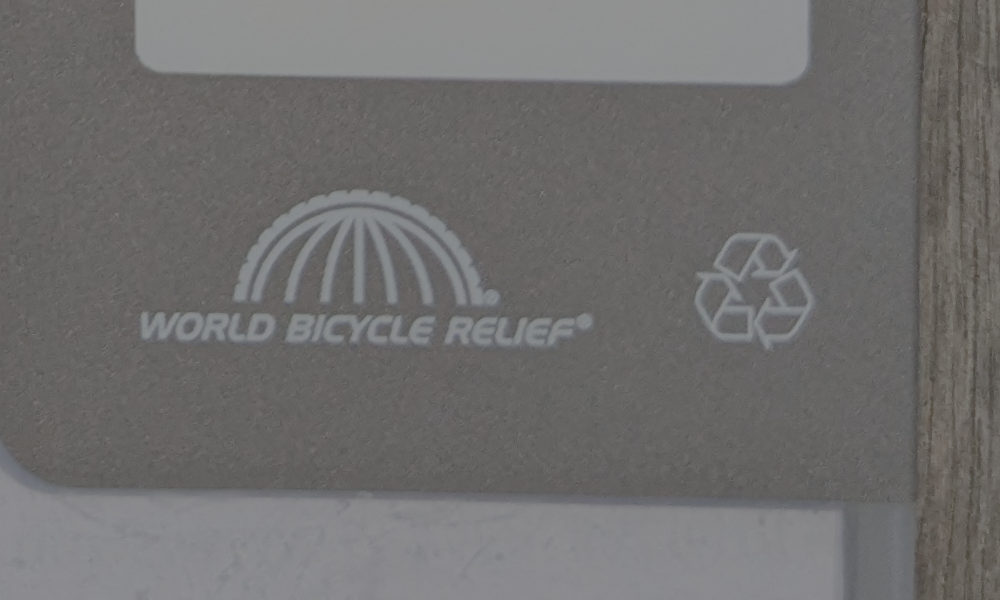
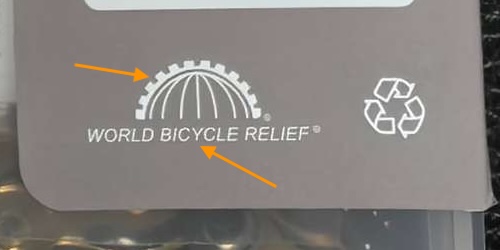
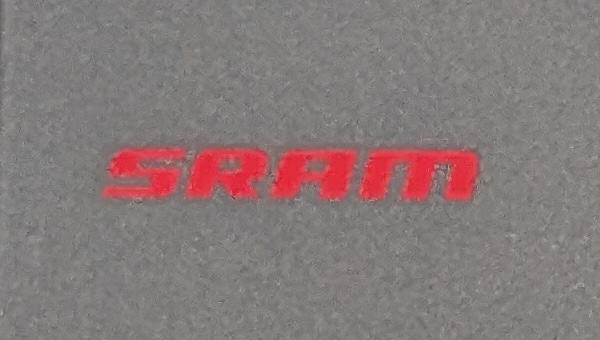
Counterfeit packaging is surprisingly convincing, but there may be some telltale differences:
- The PowerLock font is different, the “R”, “L”, and “K” letters are the most obvious.
- The World Bicycle Relief logo looks different; both the logo and the weight of the font.
- The SRAM logo font on the back differs from the genuine packaging; the fake having thicker lines on the “S” and “R”.
The Chain Itself
- Packaging precision matters. Genuine SRAM XX1 Eagle chains are apparently packed with both ends lying parallel in the centre of the container. Fakes are often placed less precisely.
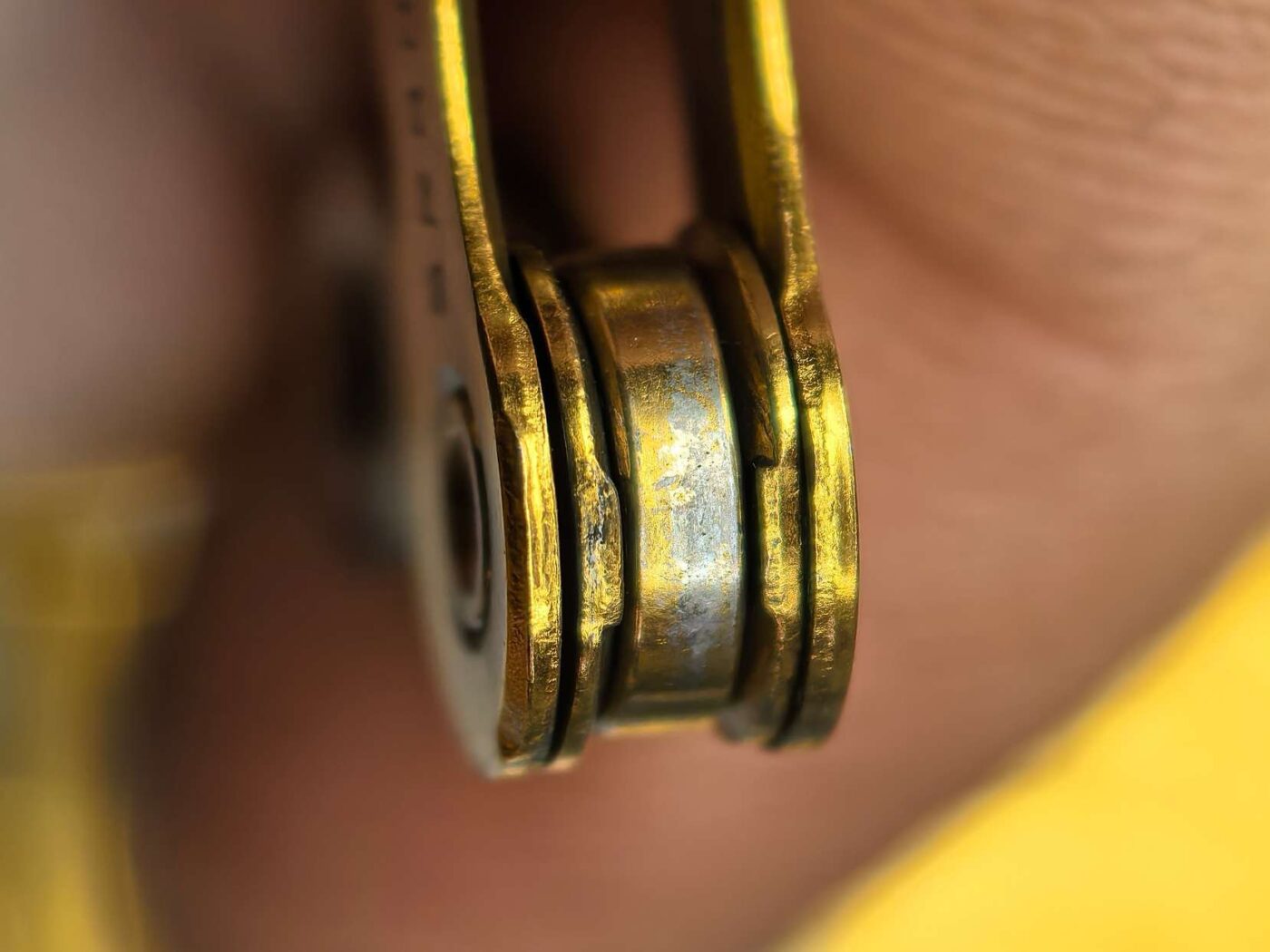
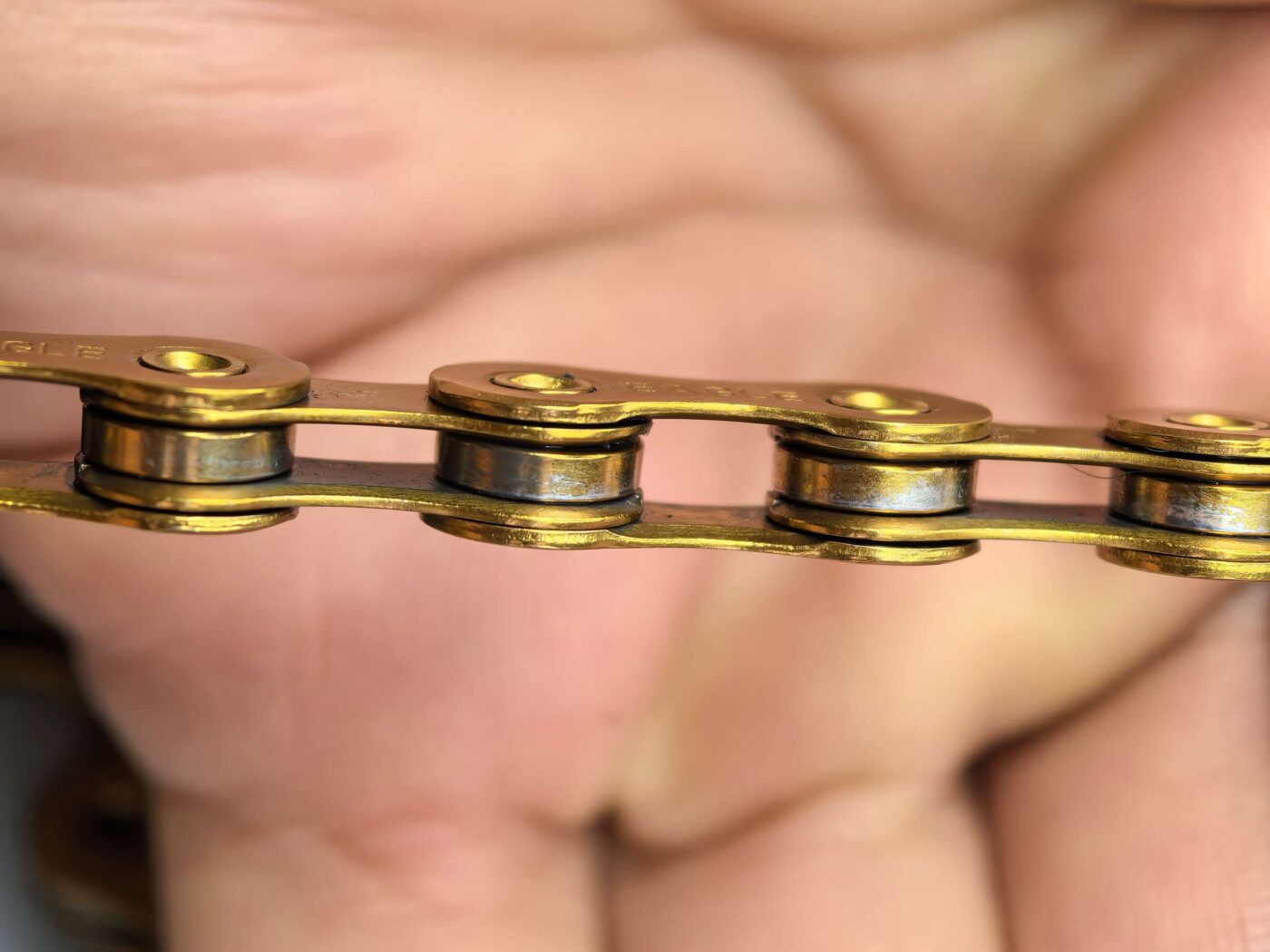
- Check the feel. Some counterfeit chains arrive barely lubricated or not lubricated at all, with looser links that move more freely than genuine chains typically do.
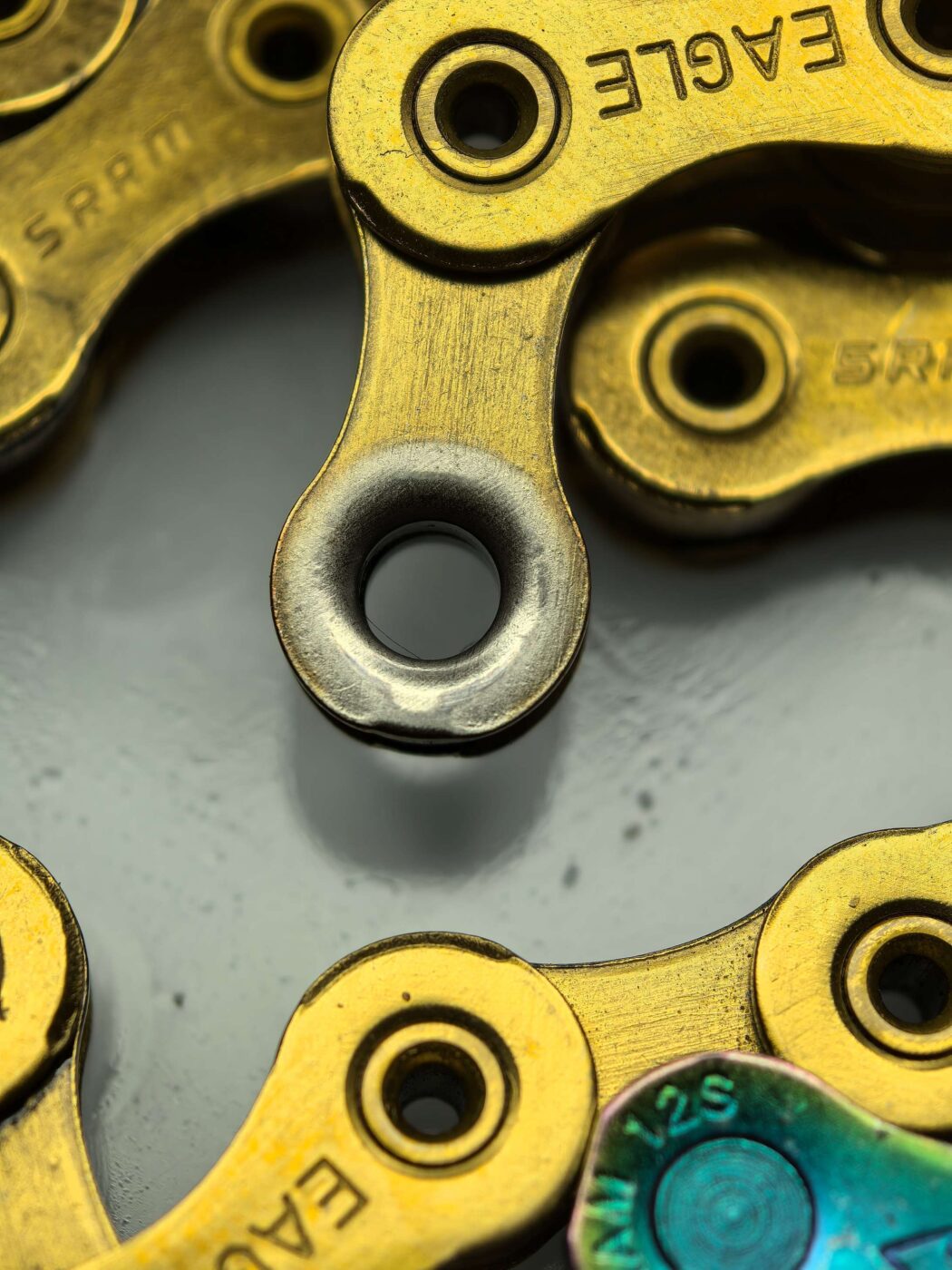
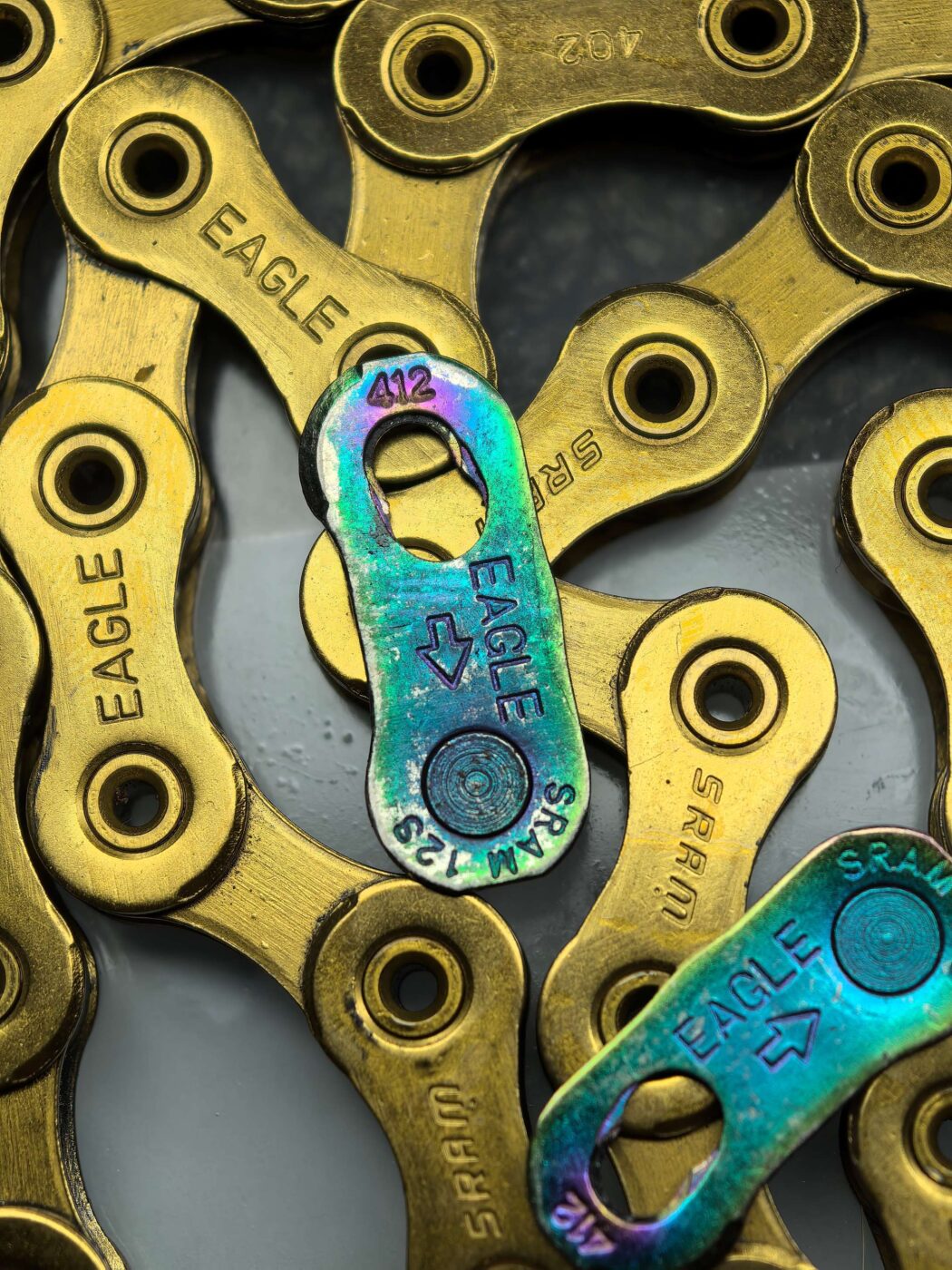
- Inspect the logos. Logos on real chains are crisp and sharply etched. Fake chains can have poor-quality markings.
- Tolerances are off. Counterfeit chains aren’t built to SRAM’s specifications and tolerances, which affects performance and safety.
Why Counterfeit Chains Are Dangerous
- Poor durability. Fake chains show signs of wear extremely quickly, meaning you’ll need replacements far sooner than expected.
- Accelerated wear on other components. A low-quality chain will damage your cassette, chainrings, and derailleur, costing you even more money in replacements.
- Safety risks. Inferior materials and manufacturing could lead to unexpected chain breakage while riding, potentially causing crashes and injuries.
Bottom Line
Stick to authorised dealers and be skeptical of deals that seem too good to be true. Your safety and your bike’s longevity depend on using genuine components.
As always please let us know if you spot anything suspicious, or if you have information to share.





The way that people try to make money....