Zipp’s Total System Efficiency (TSE) wheel-design is based on a simple premise: Efficiency equals speed. Here’s how ZIPP claim that they achieve that:
We consider all the ways a wheel can contribute to making the entire system – the bike, tire, even the rider – more efficient. The combination of a new rim laminate with a wider rim profile optimised for tire interface, transforms your ride experience to overcome the four barriers to speed: wind resistance, gravity, rolling resistance, vibration losses.
Just how effective is TSE? Outdoor testing at commissioned by Zipp revealed the real-world gains of Zipp Total System Efficiency (TSE) at 40kph. The 454 NSW with TSE™ required a 10-watt savings to maintain that speed compared with the previous model. The 404 Firecrest TSE showed a 4 watt savings.
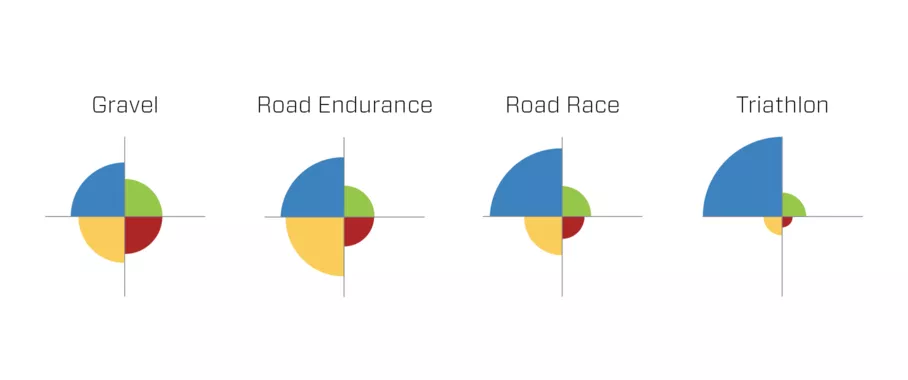
TSE approach is a balanced attack against the four barriers to speed:
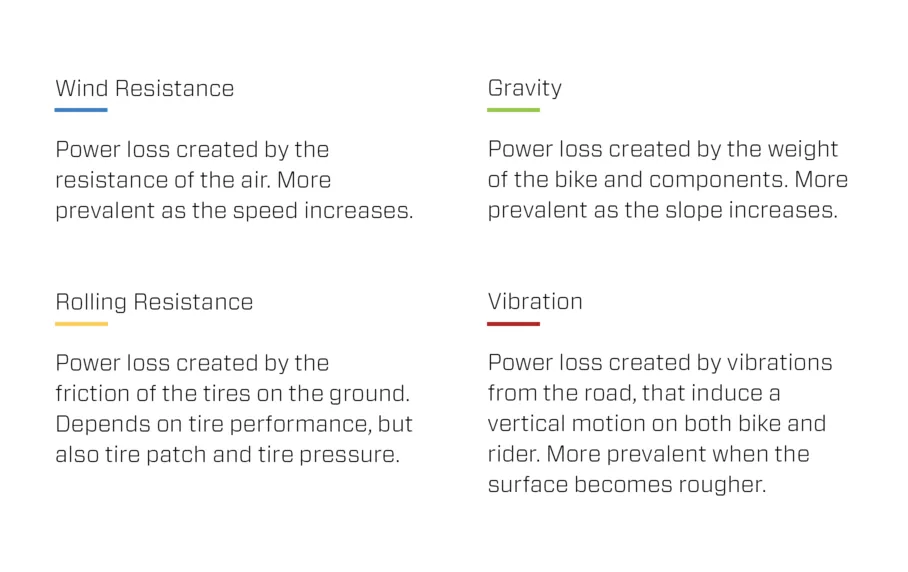
These four enemies of speed are present, to varying degrees, in all road-cycling disciplines. TSE-designed wheels are optimized to make you faster no matter road surface or discipline (Use color code above to see barriers to speed in specific cycling disciplines):
Wind Resistance
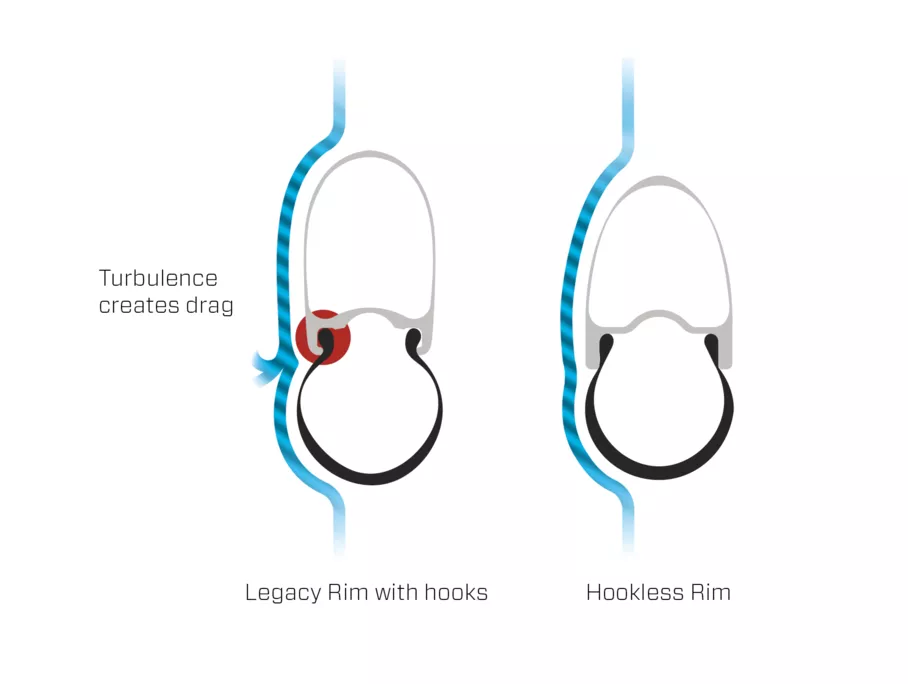
Our Solution: Conquering wind resistance through gains in aerodynamic efficiency and crosswind stability is Zipp’s longtime forte with our industry-changing Firecrest and Sawtooth NSW rim shapes. In modern road bikes, disc brakes improve stopping power, but they also help you increase speed. The absence of rim-brake calipers allows for a wider rim profile with a smoother tire to rim interface for optimum aero performance with larger tires that provide a net gain inefficiency.
Gravity
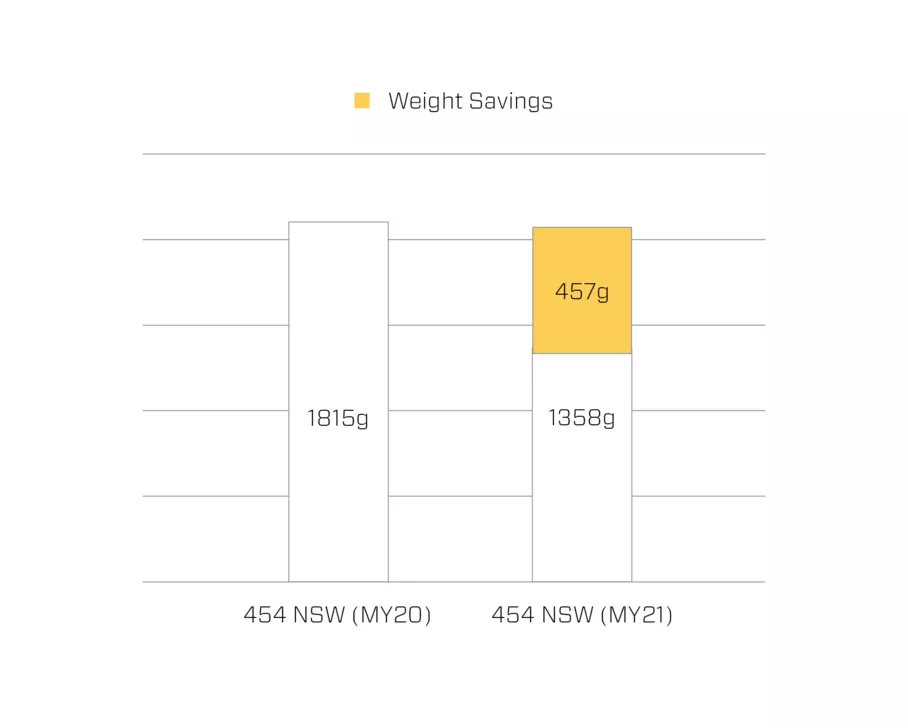
Our Solution: Zipp wheels with TSE are remarkably lighter, about a pound lighter in the case of the 454 NSW. With advanced in our carbon manufacturing, Zipp designs wheels with massive weight savings. The 454 NSW Tubeless Disc-brake wheelset is roughly a pound (more than 400 grams) lighter than its predecessor! Typically, weight reduction comes at the price of durability. Yet, the design, rim laminate, and manufacturing process used on TSE-designed wheels provides robust durability at a lighter weight.
Rolling Resistance
Our Solution: Perhaps you remember this from physics class: pressure = force distributed over an area. In cycling, the tire-contact patch area is determined by the rider’s weight and your tire pressure. If you got on two different bikes with two different width tires but the same tire pressure on both bikes, the contact patch of the different tires would match because both tires are supporting the same load with the same pressure. The only difference in these two scenarios is the SHAPE of the contact patch. A wider tire will produce a wider and shorter contact patch compared to a narrow tire.
There are two ways to make a tire wider – get a bigger tire or get a rim with a wider tire bed. Wider rim + wider tire = wider and shorter tire contact patch. This promotes less tire sag, which deforms the tire less, resulting in less energy lost in the rolling tire. Improving rolling resistance has the same magnitude of impact on overall efficiency as choosing the right rim shape.

Vibration Losses
Our Solution: Using a new rim laminate, we design Zipp wheels to be versatile: They can be ridden on traditional roads, but they are also capable of tackling harder terrain including rough roads, light gravel, and—of course—the cobbles of the Spring Classics. We designed wheels with wider tire beds to be run at lower tire pressures to smooth out the ride.
For more information on ZIPP’s Total System Efficiency (TSE) wheel-design click here