Tech

Trek releases all-new aerodynamic Émonda

By Press Office · 60 comments

Trek launched an all-new Émonda road bike today. The latest Émonda is focussed on aerodynamic efficiency while improving on the lightweight climbing ambitions of the previous Émonda models. In fact, Trek claim a rider holding a constant 350 watts will be 15 seconds faster up the iconic Alpe d’Huez over the previous Émonda.

There will be two Émonda frame specification levels, the SLR and SL. Both frames are identically shaped, meaning there is no difference in aerodynamics efficiency and geometry. The range topping SLR frame uses Trek’s new 800 Series OCLV Carbon with a frame weight dipping under 700 grams. The more affordable SL frame is constructed from 500 Series OCLV Carbon with a claimed frame weight of 1142 grams but offers all the same aerodynamic and handling gains.

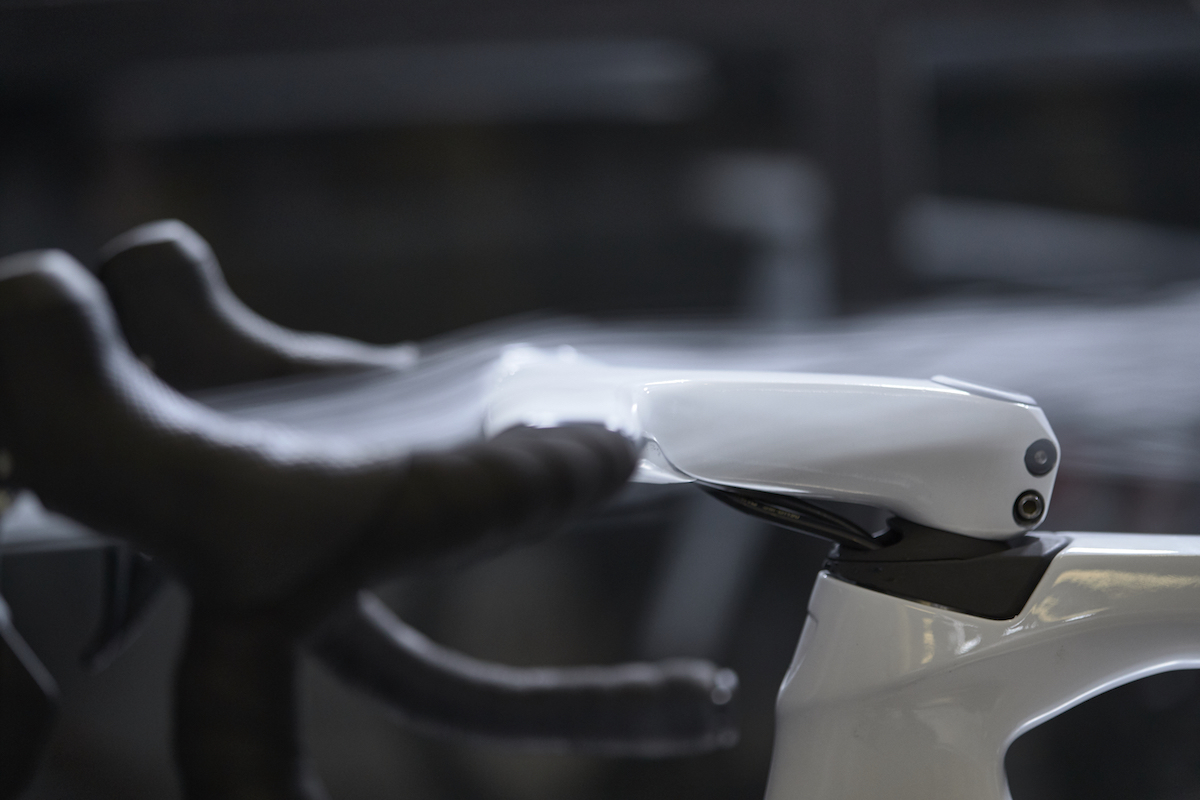
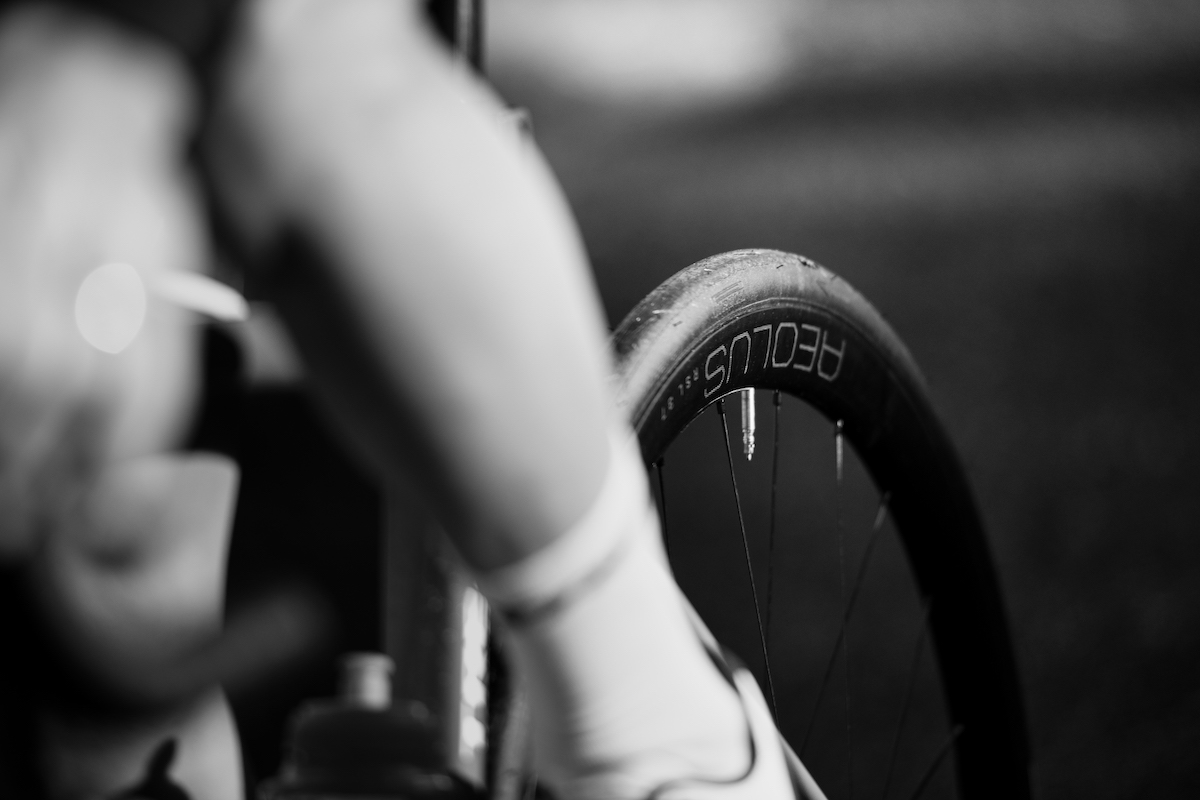
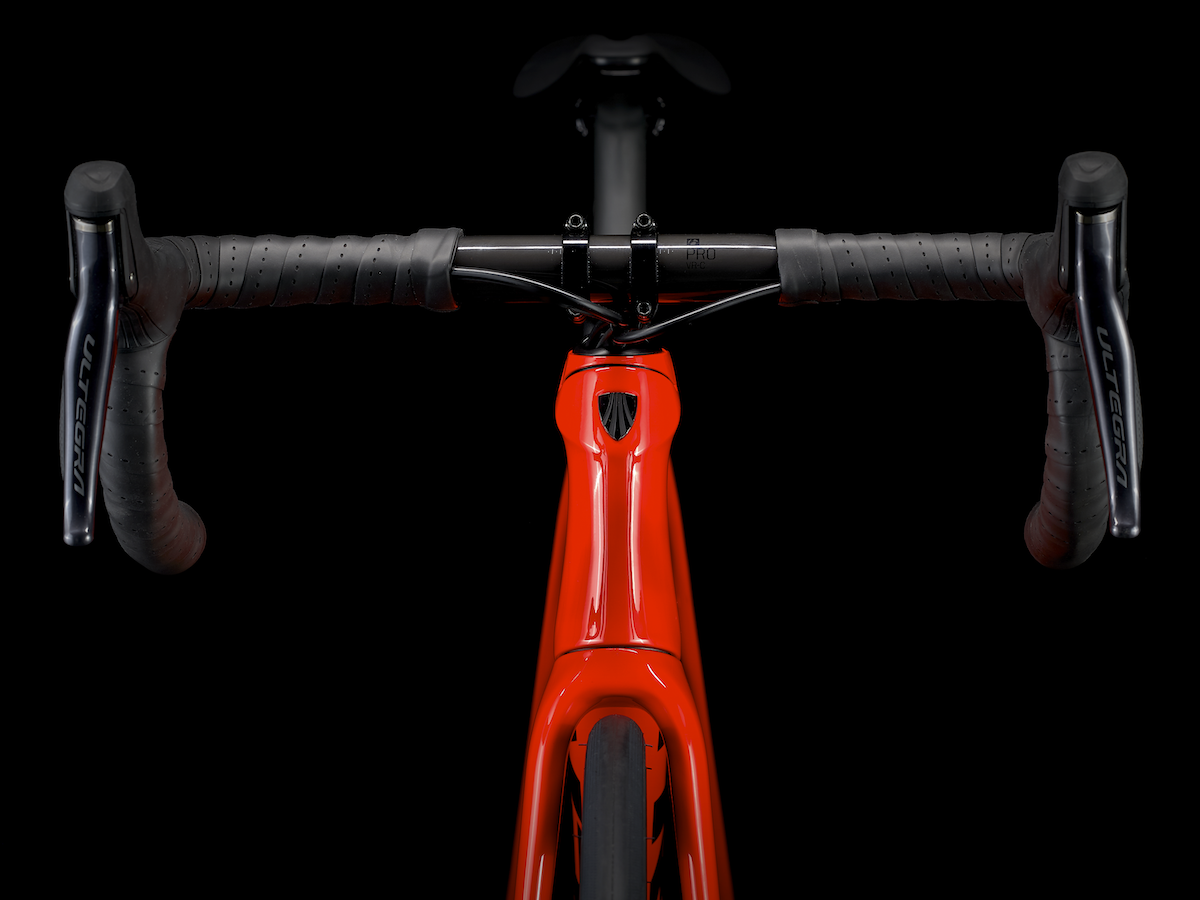
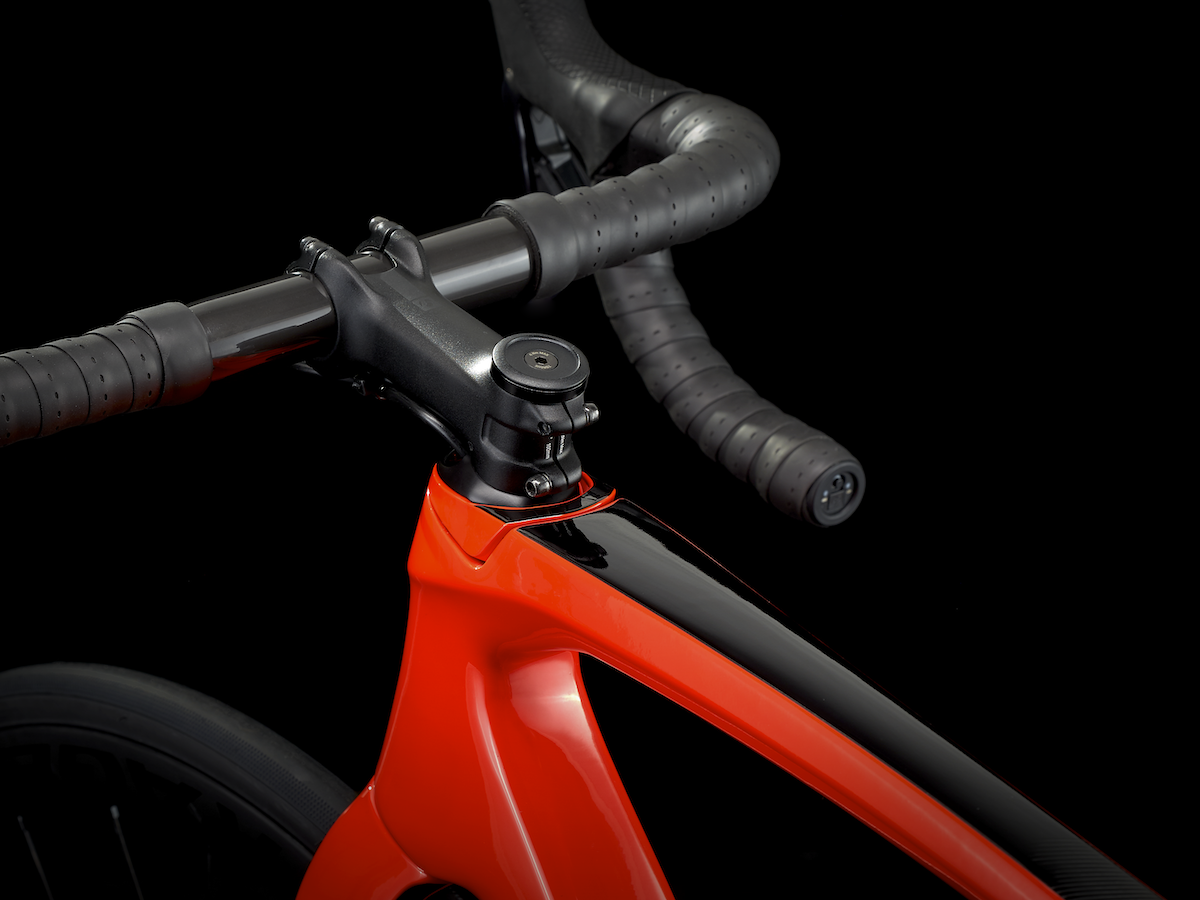
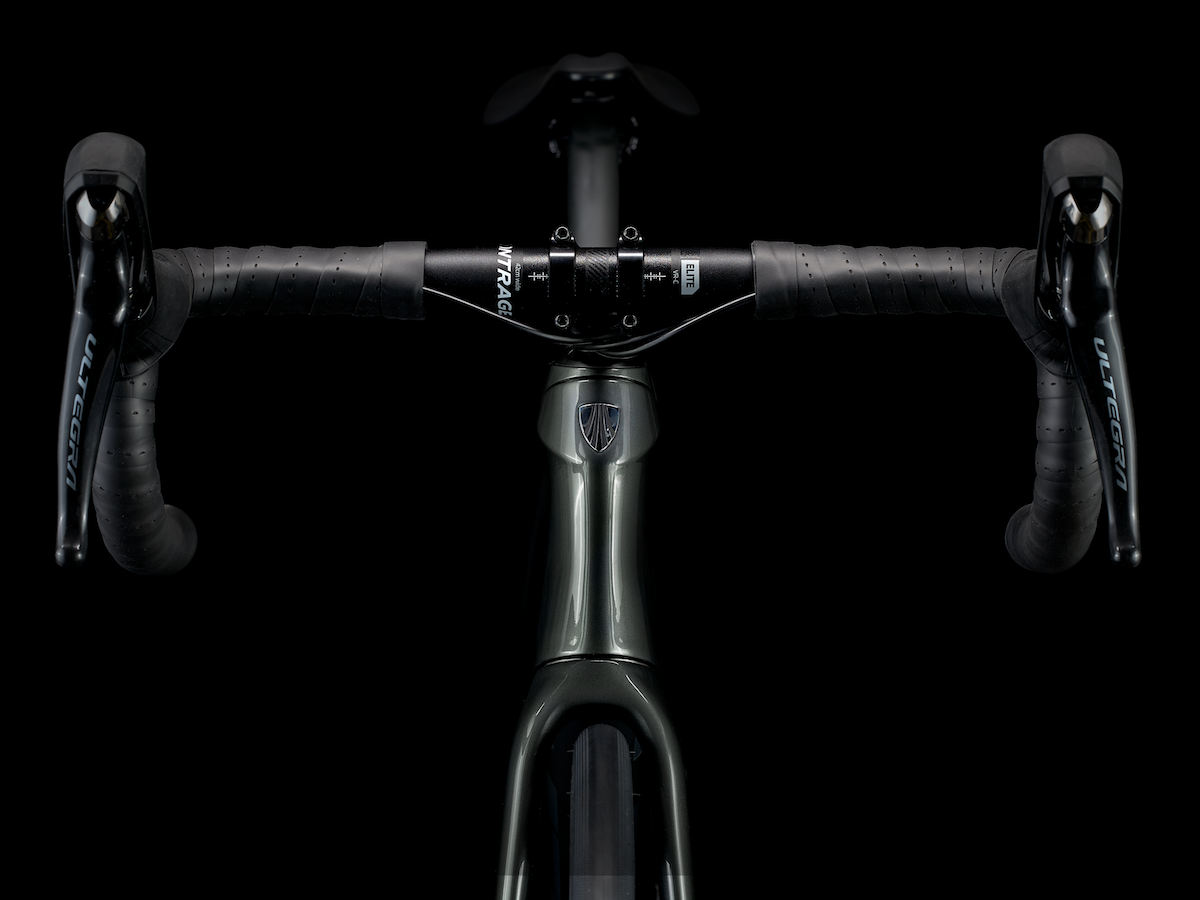
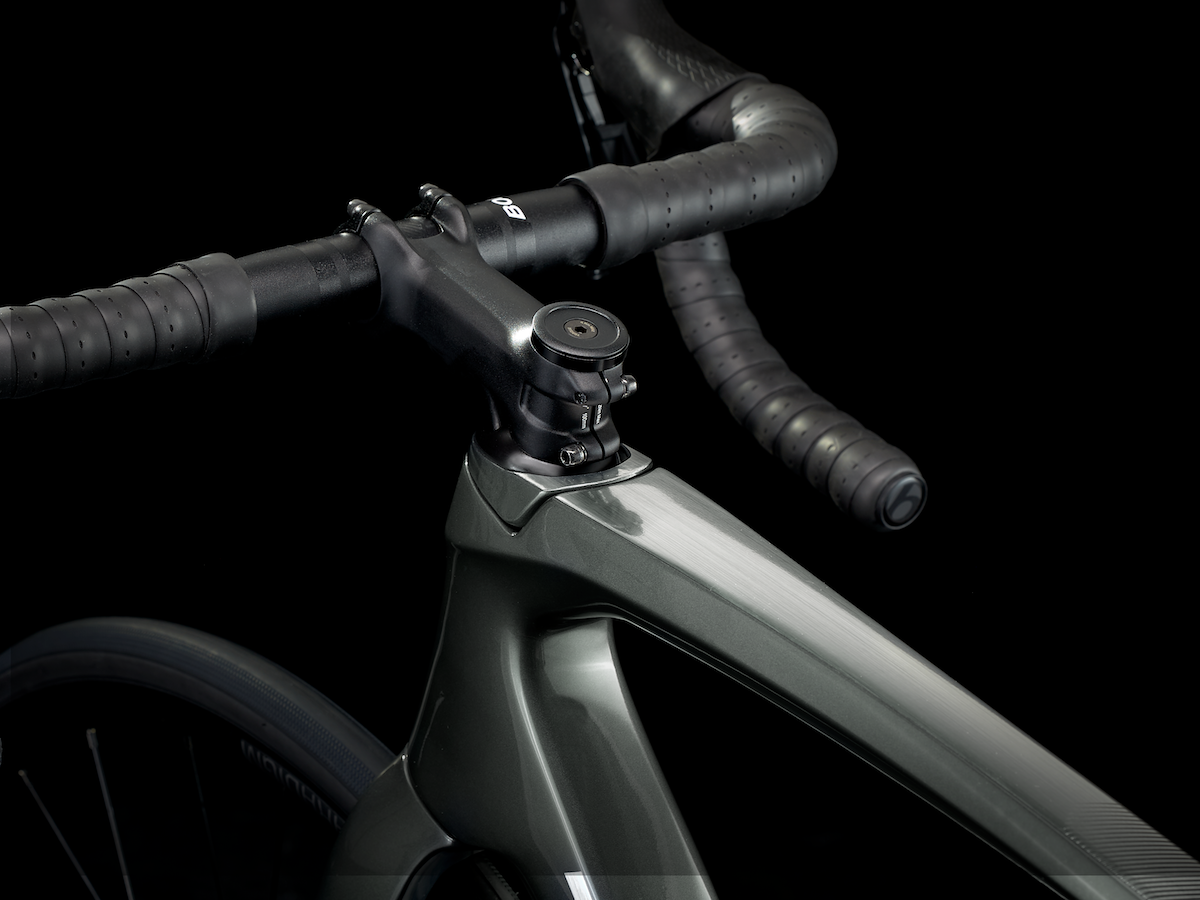
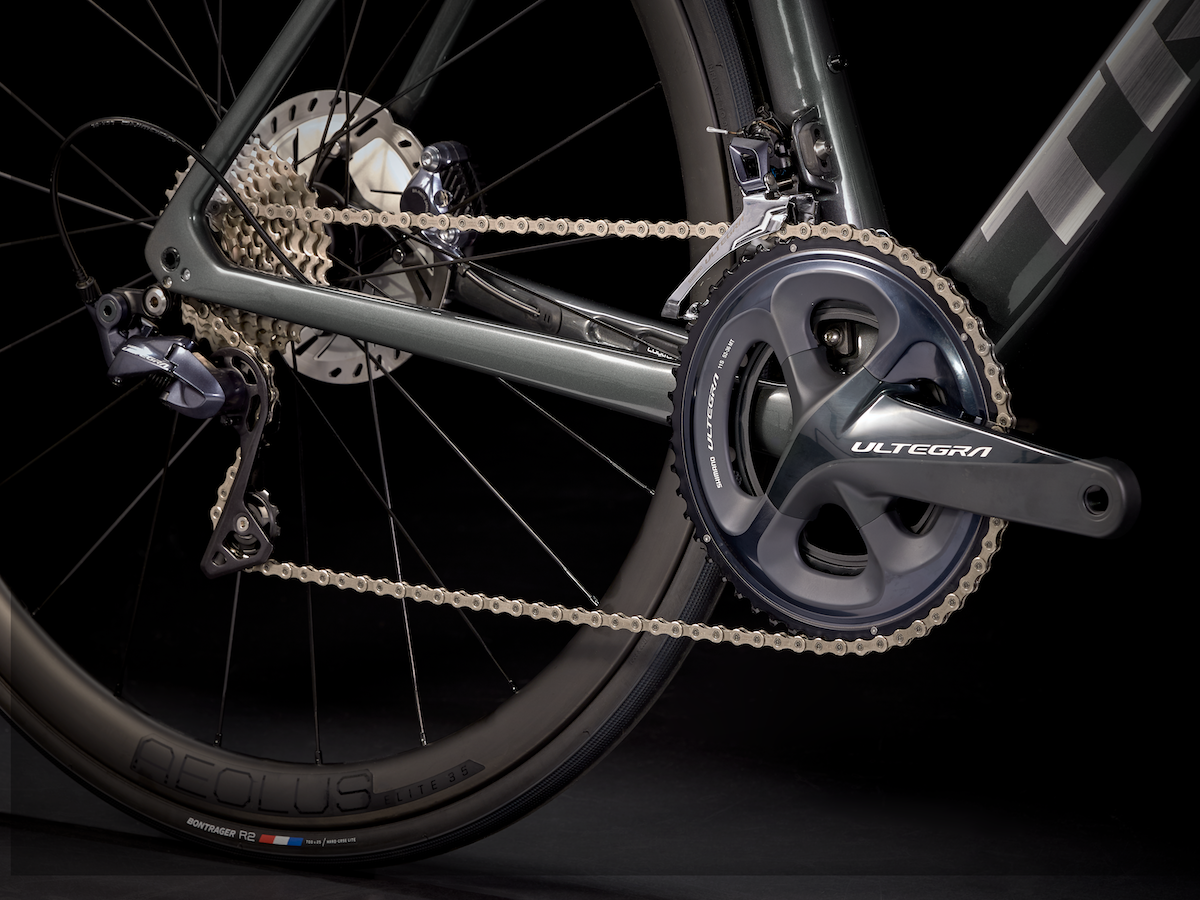
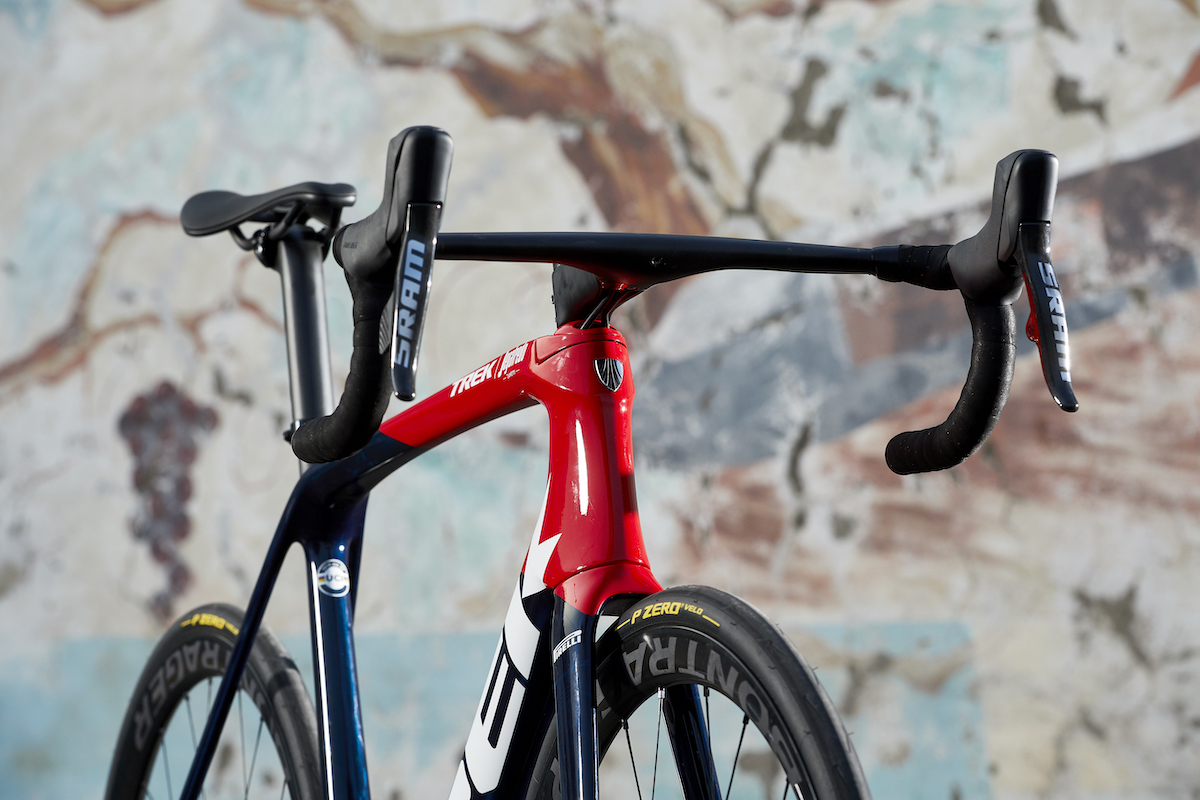
Accompanying the launch of the latest Émonda are new Aeolus aerodynamic wheels and Aeolus RSL bar/stem combo that cleans up the cockpit.

In South Africa, we’ll have access to the Émonda SLR frame through the Project One customisation programme. On the shop floor you’ll find the Émonda SL7 and SL6 Pro models.

Read the press release below for all the details on the all-new Émonda.

Press Release
ccs-62657-0-43123000-1592209974.jpg

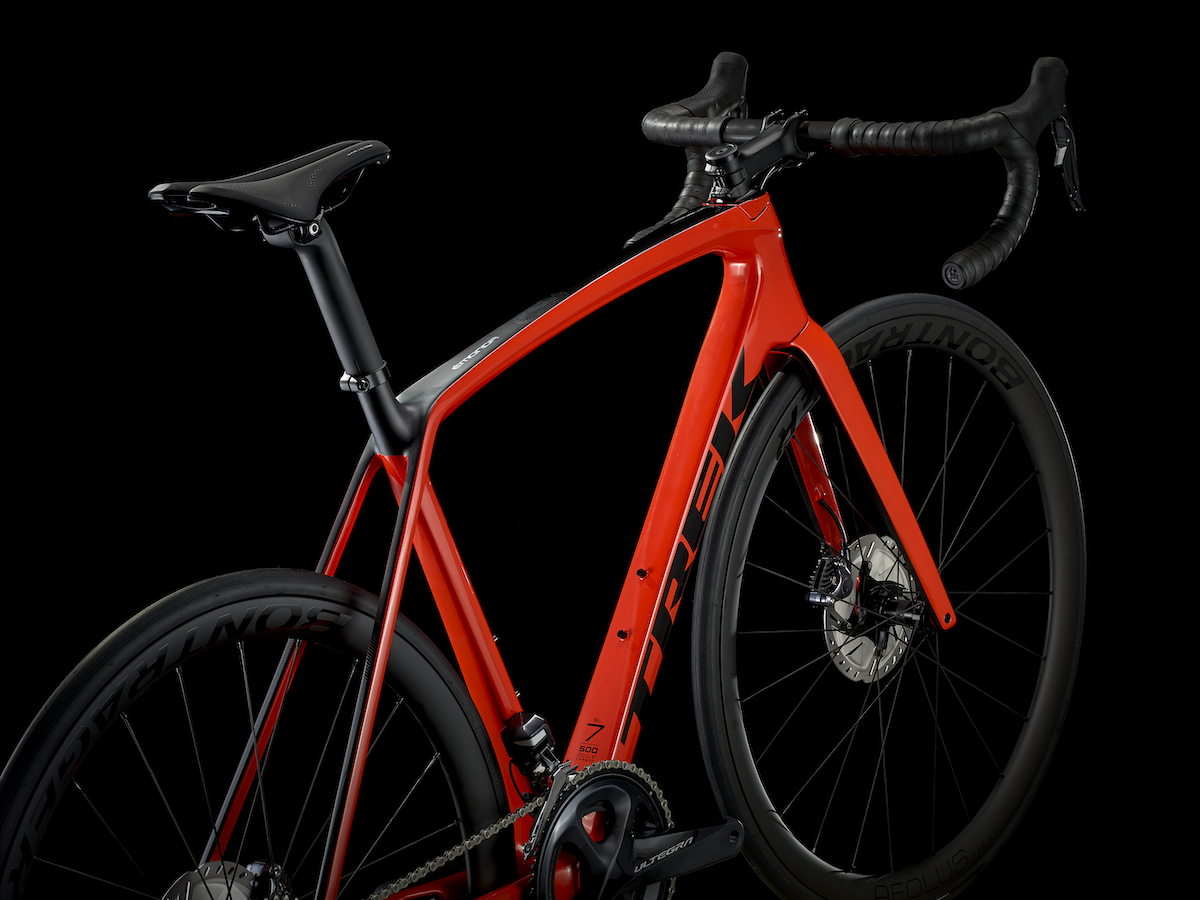
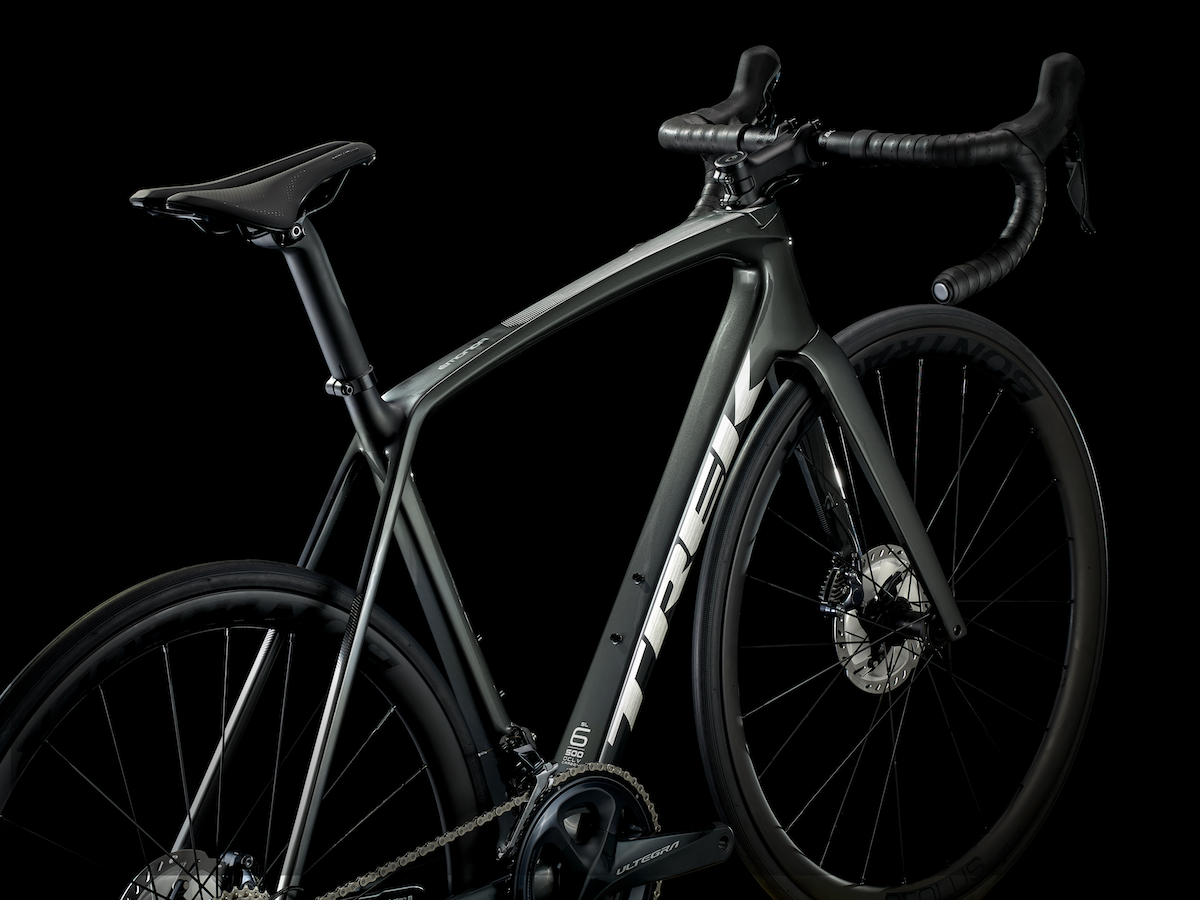
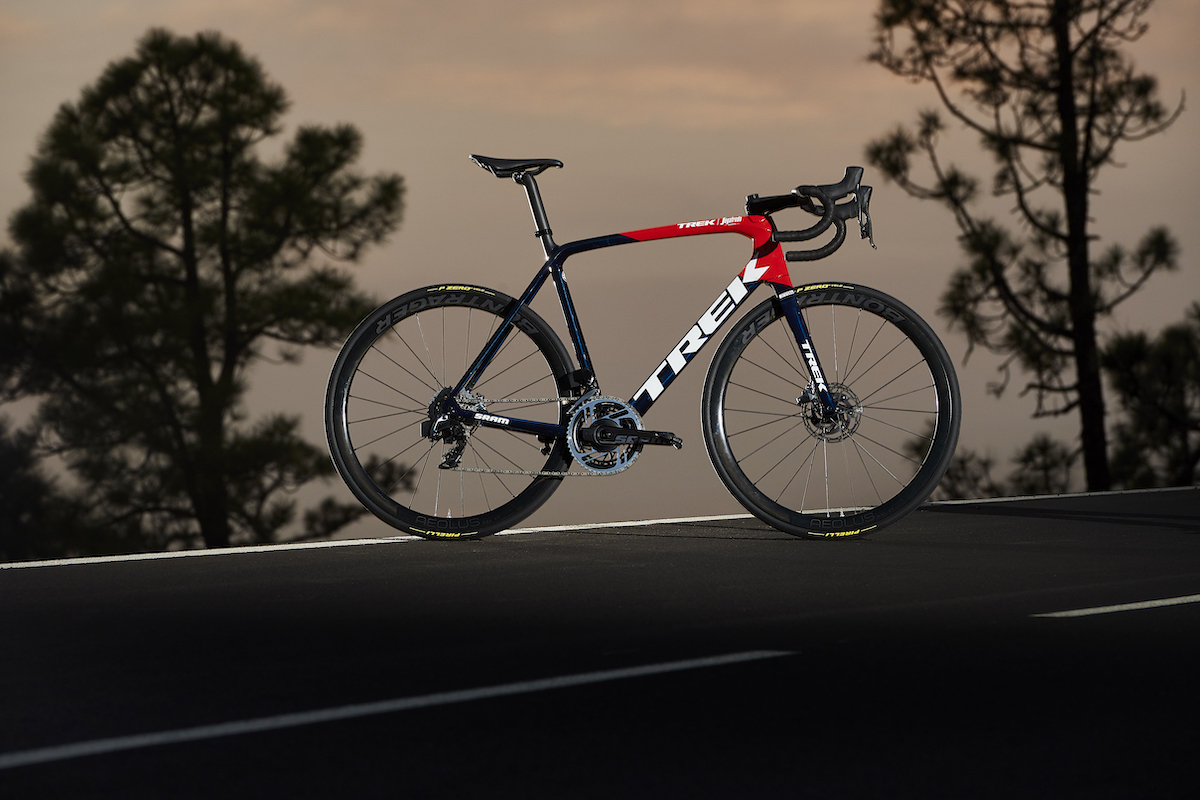
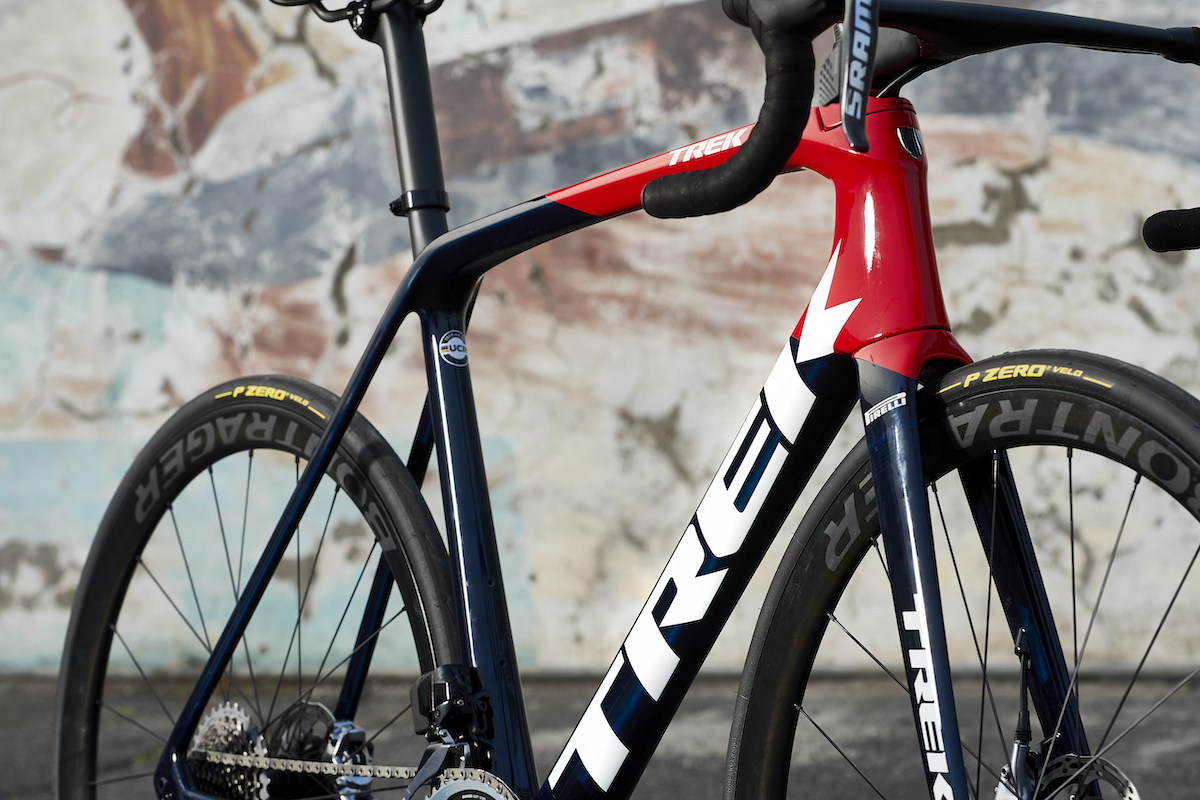
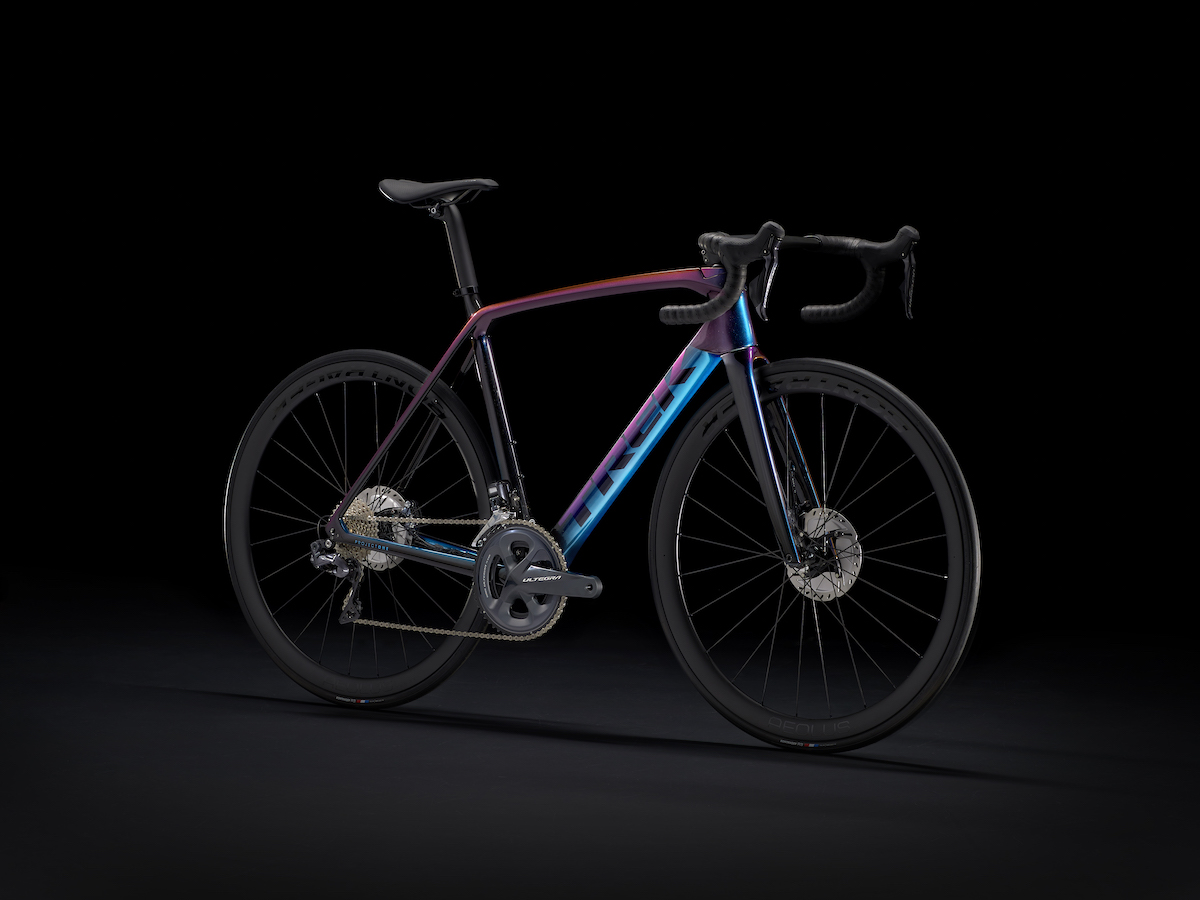
Trek released an all-new Émonda with aerodynamic tube shaping today. It’s a major performance upgrade for the platform, and it makes Trek’s lightest climbing bike faster than ever, while still keeping the frame weight under 700 g.

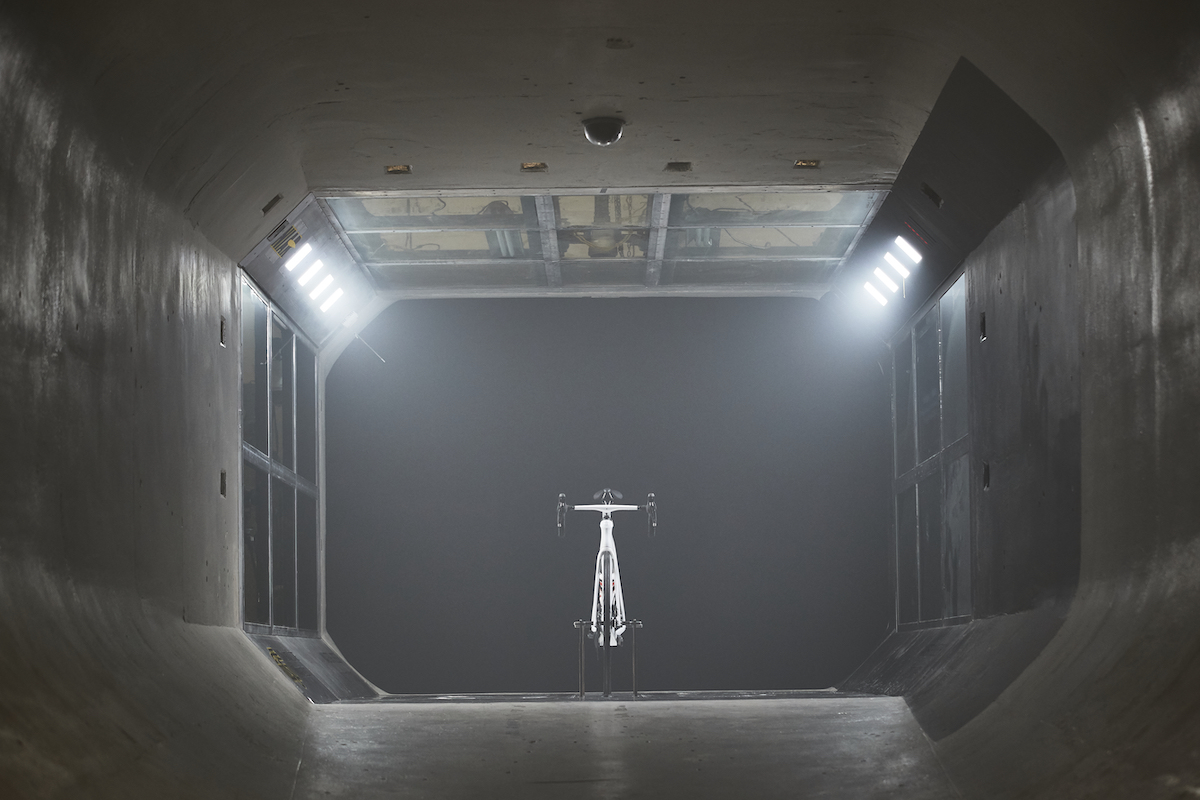
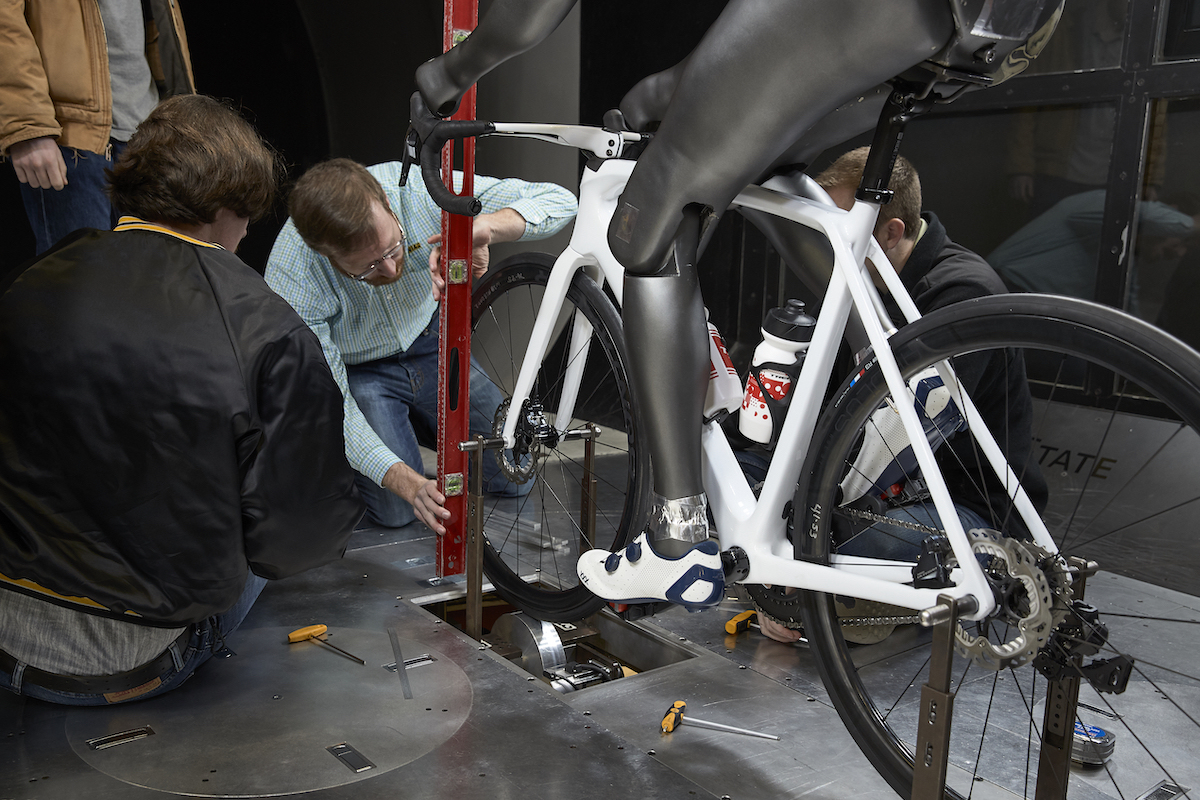
Too often aero frame shapes are heavy and ride poorly. After over two years of development, and the creation of Trek’s lightest OCLV Carbon lay-up ever, Trek engineers have found the perfect balance of speed and light weight, all while maintaining the amazing ride quality that Émonda is famous for.

Available in both an SL and SLR version, the all-new aero Émonda is proven to be faster on flats and climbs alike.

Émonda SLR
ccs-62657-0-63428000-1592209981.jpg

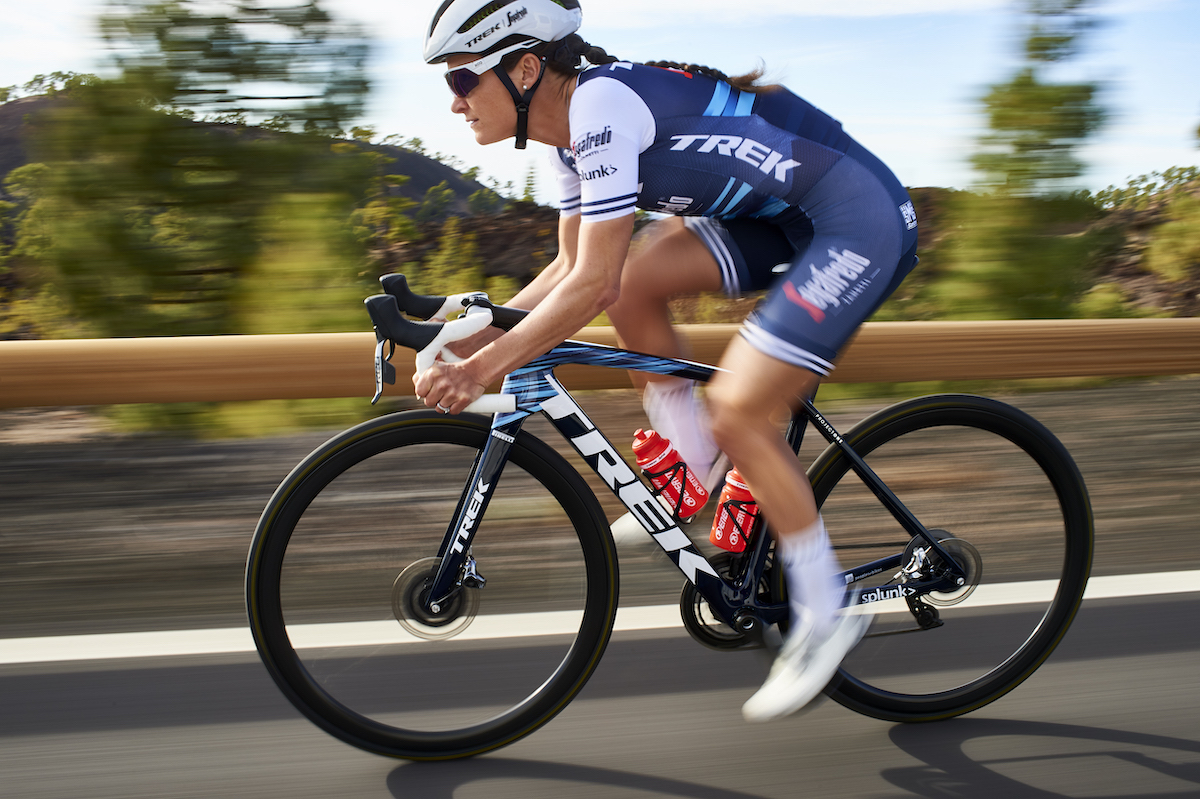
The all-new Émonda SLR is the bike of choice for Trek-Segafredo climbers. In fact, racer Lizzie Deignan deemed it ‘the best bike I have ever ridden‘.
ccs-62657-0-46641900-1592209663.jpg

ccs-62657-0-13986500-1592209772.jpg
ccs-62657-0-44922200-1592209662.jpg

It’s made of all-new 800 Series OCLV Carbon, weighs less than 700 grams and delivers significant speed advantages thanks to its aerodynamic design. Compared to its predecessor, Émonda SLR is 60 seconds faster per hour faster on flats and 18 seconds per hour faster at an 8% grade.

800 Series OCLV Carbon

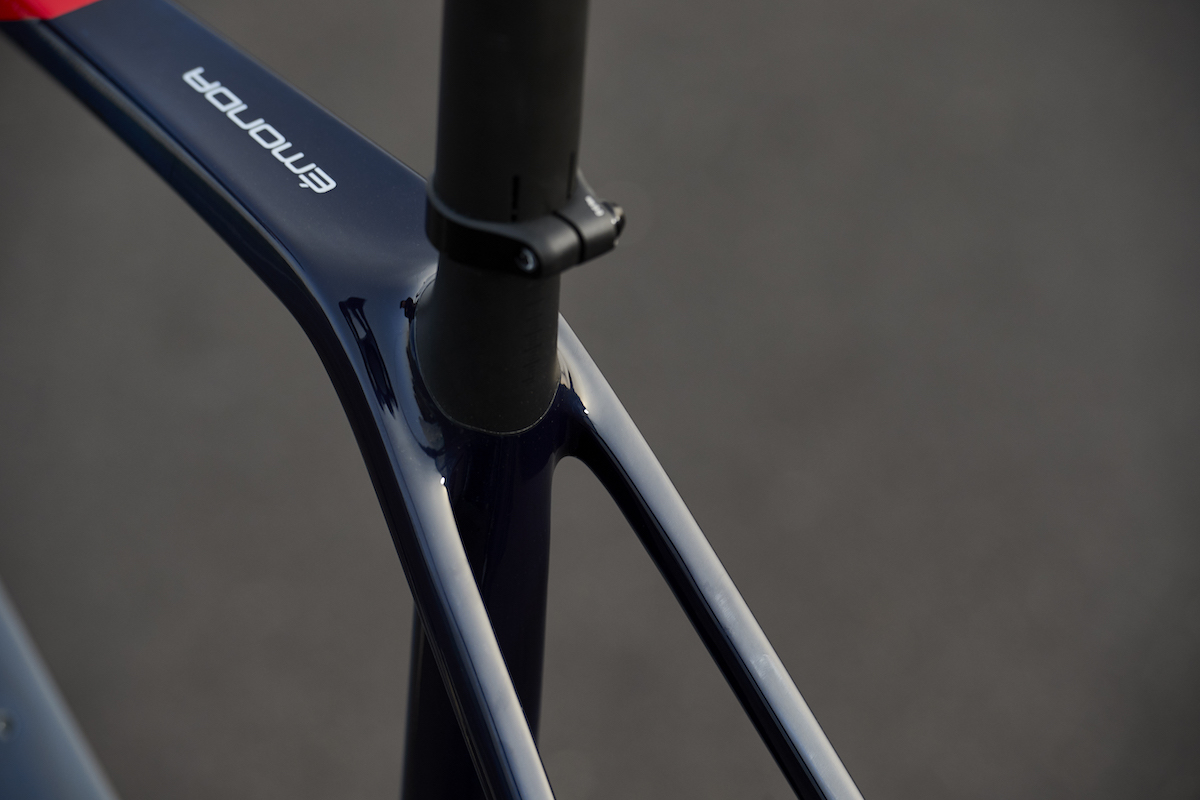
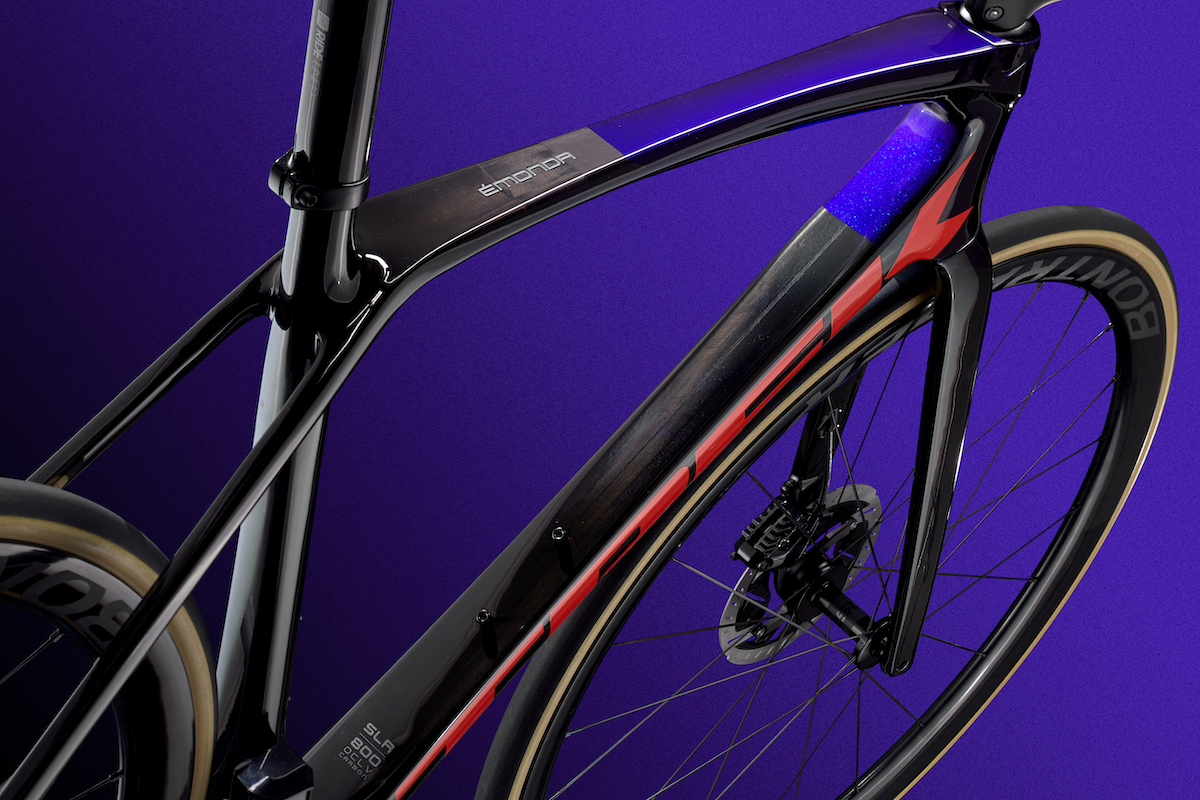
800 Series OCLV Carbon is Trek’s lightest and highest-performing carbon lay-up to date. It’s 30% stronger than previous OCLV Carbon laminates, yet just as stiff, allowing Trek engineers to create the Émonda SLR’s aero shapes without adding a lot of weight.
ccs-62657-0-55043100-1592209972.jpg
ccs-62657-0-41003700-1592209971.jpg

Émonda SL

The Émonda SL features the same fast aero tube shaping as Émonda SLR, but it’s made from lightweight 500 Series OCLV Carbon. Riders will enjoy both the gains in speed and lower price-point Émonda SL provides.

Speedy design details

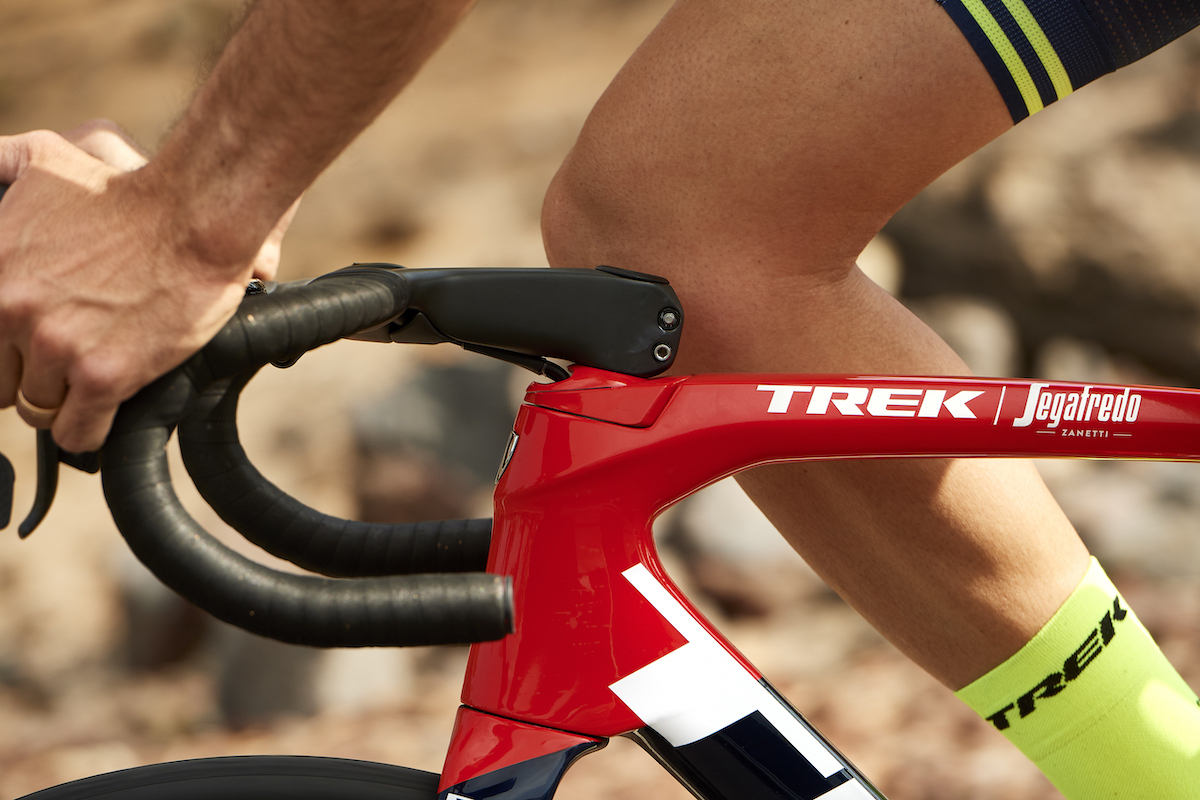
The all-new Émonda models have hidden cable routing, most come with new aerodynamic Aeolus wheels and the Émonda SLR comes with an Aeolus RSL Bar/Stem that was purpose-built for it. Plus, the Émonda’s H1.5 geometry, developed with the Trek-Segafredo pro cycling team, puts the rider in the optimal aero race position.
ccs-62657-0-50363700-1592209973.jpg

ccs-62657-0-27670400-1592210283.jpg
ccs-62657-0-28607200-1592210456.jpg

Available in Project One

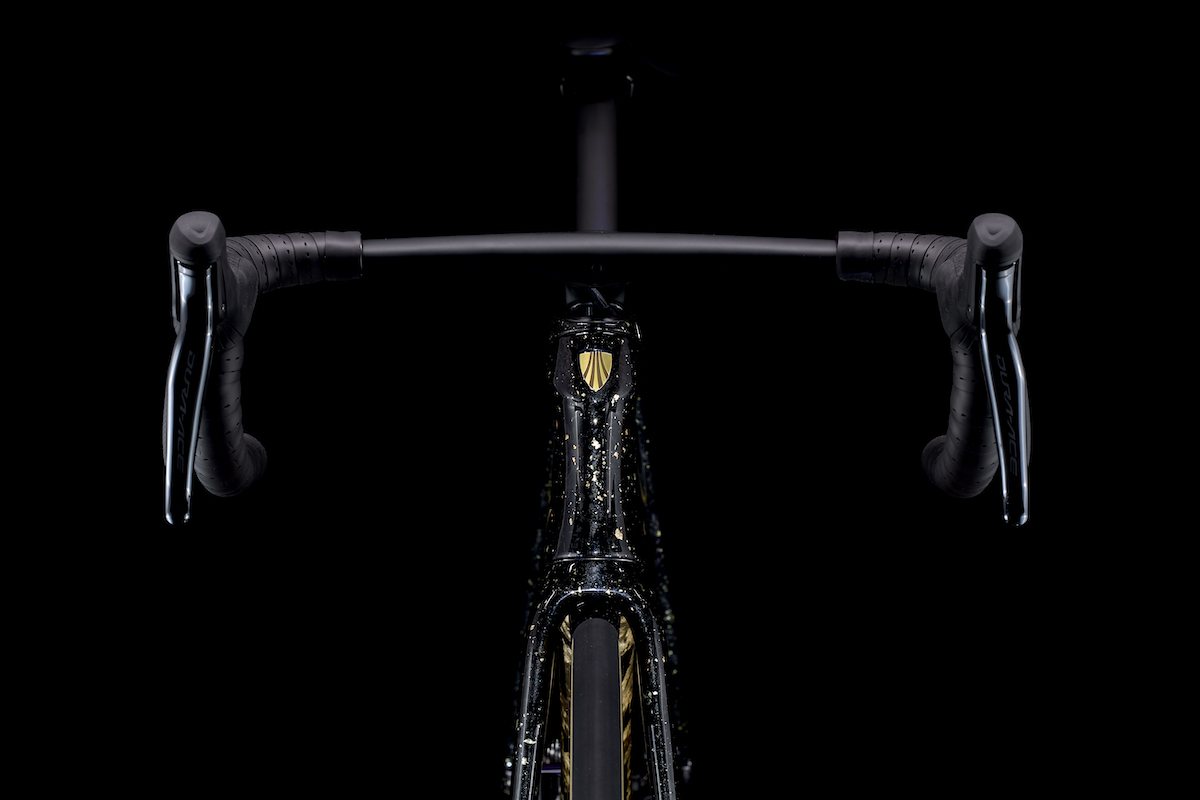
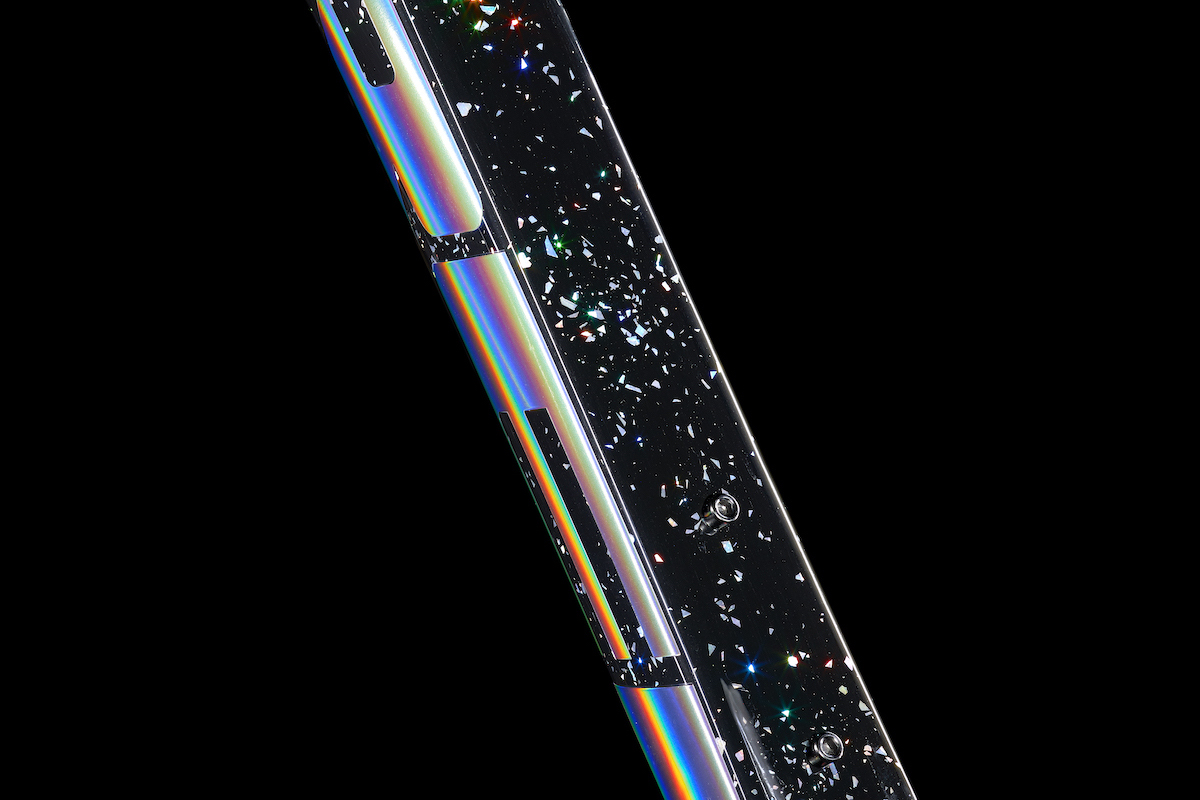
The Émonda SLR is also available for customisation in Project One, Trek’s custom bike programme, giving riders the chance to create the bike of their dreams.
ccs-62657-0-08767300-1592485488.jpg

ccs-62657-0-08920800-1592485491.jpg
ccs-62657-0-95653700-1592485489.jpg
ccs-62657-0-79093000-1592486706.jpg
The new Émonda SL and Émonda SLR are available through Trek’s network of retail partners.

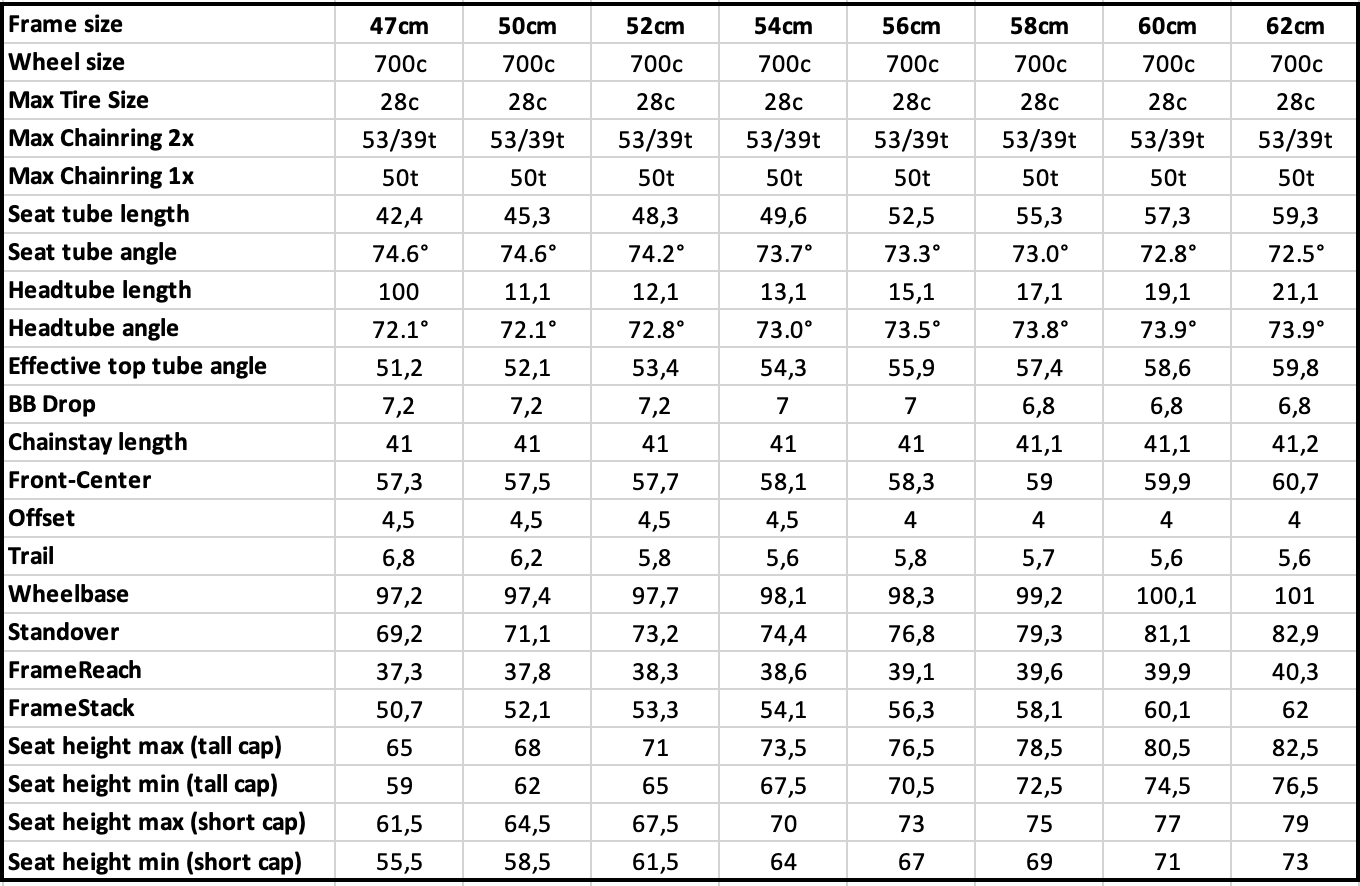
Geometry

ccs-62657-0-47150800-1592468569.png

Technical Details

Weights

  • SLR Frame Mass (unpainted, with hanger)698g
  • SLR Fork Mass (unpainted, 220mm steerer)365g
  • SL Frame Mass (unpainted, with hanger)1142g
  • SL Fork Mass (unpainted, 220mm steerer)380g

Frame Specs

  • Recommended Tire Clearance28mm (with required 4mm of ISO clearance and 2mm tolerance factor)
  • Max Chainring 2x53/39
  • GeometryH1.5 Race (see geo chart)
  • Bottom BracketT47
  • Axle Spacing100×12 F / 142×12 R

Aerodynamics Gains

  • Aero Savings over 2018 Émonda182g (yaw weighted, comparing 2018 Émonda with XXX 2 wheels, XXX Bar/Stem Combo to 2021 Émonda with RSL 37 Wheels and Aeolus RSL Bar/Stem Combo)
  • Time savings @ 0% grade60s/hr (vs old bike, at 350W)
  • Time savings @ 8.1% grade (Alpe d’Huez)18s/hr (vs old bike, at 350W)

South African Availablility

The Émonda SL7 and SL6 Pro models are available in South Africa immediately. The SLR is available through the Project One programme.

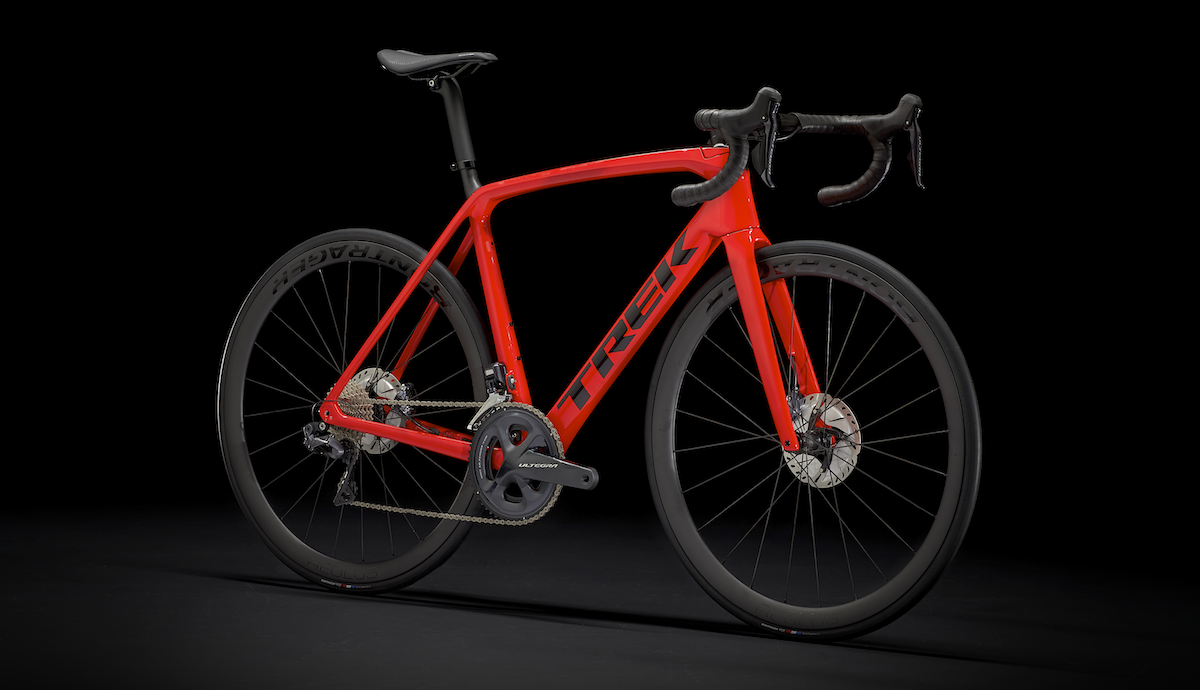
Émonda SL7 (Gloss Radioactive Red/Matte Carbon)
ccs-62657-0-25999900-1592205653.png

ccs-62657-0-52507800-1592205616.png
ccs-62657-0-20538800-1592205618.png
ccs-62657-0-43009600-1592205617.png
ccs-62657-0-33807700-1592205619.png
  • FrameUltralight 500 Series OCLV Carbon, Ride Tuned performance tube optimization, tapered head tube, internal routing, DuoTrap S compatible, flat mount disc, 142x12mm thru axle
  • ForkÉmonda SL full carbon, tapered carbon steerer, internal brake routing, flat mount disc, 12x100mm thru axle
  • Weight Kg (56cm)7.76 kg
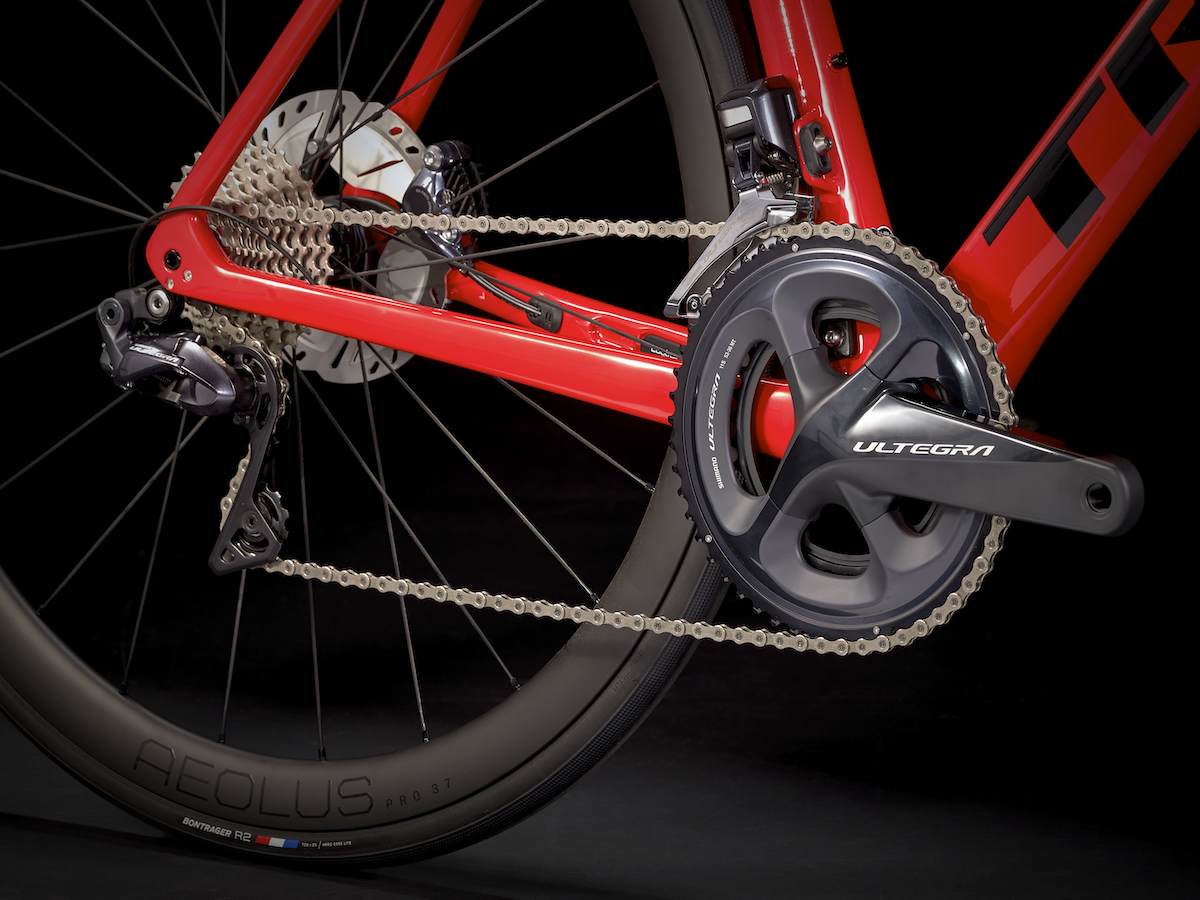
  • WheelsBontrager Aeolus Pro 37, OCLV Carbon, Tubeless Ready, 37mm rim depth, Shimano 11-speed freehub, 100x12mm thru axle front, 142x12mm thru axle rear
  • TyresBontrager R2 Hard-Case Lite, aramid bead, 60 tpi, 700x25c
  • ShiftersShimano Ultegra Di2, R8070, 11-speed
  • Front DerailleurShimano Ultegra R8050 Di2, braze-on
  • Rear DerailleurShimano Ultegra R8050 Di2, short cage, 30T max cog
  • CrankShimano Ultegra R8000, 52/36
  • CassetteShimano Ultegra R8000, 11-30, 11 speed
  • Bottom BracketPraxis, T47 threaded, internal bearing
  • ChainShimano Ultegra HG701, 11-speed
  • SaddleBontrager Aeolus Comp, steel rails
  • SeatpostBontrager carbon seatmast cap, 20mm offset
  • HandlebarBontrager Pro VR-C, OCLV Carbon, 31.8mm, Di2 routing, 100mm reach, 124mm drop
  • GripsBontrager Supertack Perf tape
  • StemBontrager Pro, 31.8mm, Blendr compatible, 7 degree
  • BrakesetShimano Ultegra hydraulic disc, flat mount
  • Recommend Retail PriceR 109,999.00
Find out more about the Émonda SL7 here.

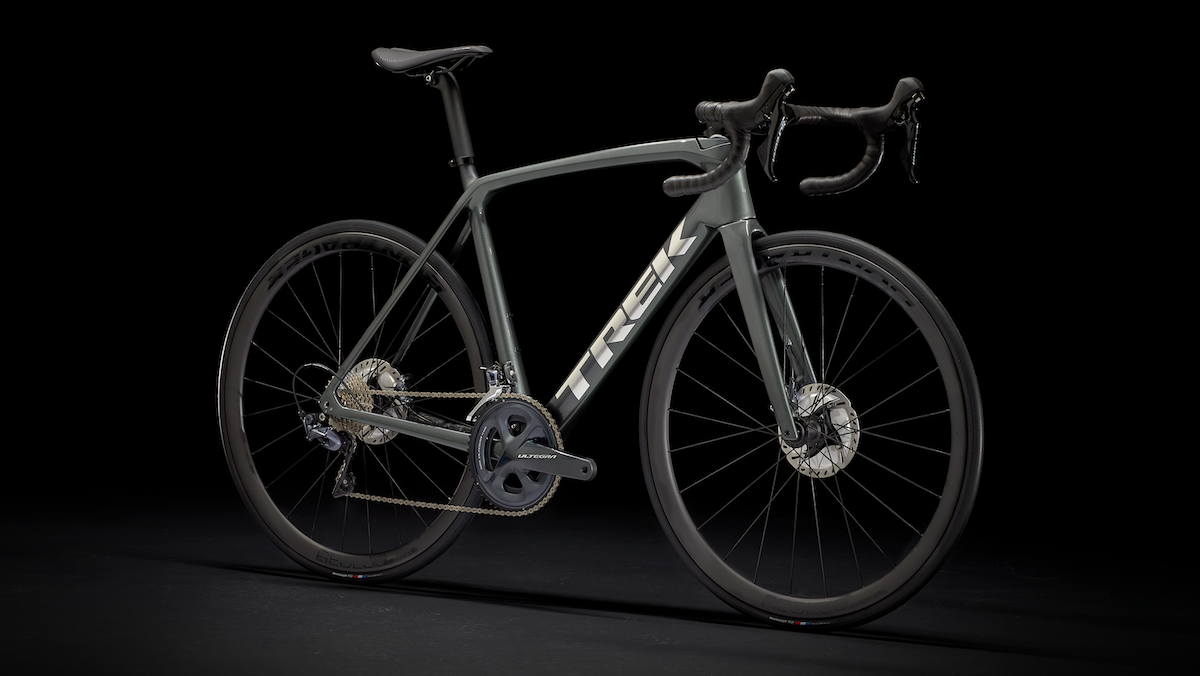
Émonda SL6 Pro (Lithium Grey/Brushed Chrome)
ccs-62657-0-18037400-1592206019.png

ccs-62657-0-75336700-1592205993.png
ccs-62657-0-26178000-1592205996.png
ccs-62657-0-87894500-1592205994.png
ccs-62657-0-45196200-1592205997.png
  • FrameUltralight 500 Series OCLV Carbon, Ride Tuned performance tube optimization, tapered head tube, internal routing, DuoTrap S compatible, flat mount disc, 142x12mm thru axle
  • ForkÉmonda SL full carbon, tapered carbon steerer, internal brake routing, flat mount disc, 12x100mm thru axle
  • Weight Kg (56cm)8.06 kg
  • WheelsBontrager Aeolus Elite 35, OCLV Carbon, Tubeless Ready, 35mm rim depth, Shimano 11-speed freehub, 100x12mm thru axle front, 142x12mm thru axle rear
  • TyresBontrager R2 Hard-Case Lite, aramid bead, 60 tpi, 700x25c
  • ShiftersShimano Ultegra R8025, short-reach lever, 11 speed
  • Front DerailleurShimano Ultegra R8000, braze-on
  • Rear DerailleurShimano Ultegra R8000, short cage, 30T max cog
  • CrankShimano Ultegra R8000, 52/36
  • CassetteShimano Ultegra R8000, 11-30, 11 speed
  • Bottom BracketPraxis, T47 threaded, internal bearing
  • ChainShimano Ultegra HG701, 11-speed
  • SaddleBontrager Aeolus Comp, steel rails
  • SeatpostBontrager carbon seatmast cap, 20mm offset
  • HandlebarBontrager Elite VR-C, alloy, 31.8mm, 100mm reach, 124mm drop
  • GripsBontrager Supertack Perf tape
  • StemBontrager Pro, 31.8mm, Blendr compatible, 7 degree
  • BrakesetShimano Ultegra hydraulic disc, flat mount
  • Recommend Retail PriceR 79,999.00
Find out more about the Émonda SL6 Pro here.
Tags:

Related posts

Comments

Chris_

Jun 23, 2020, 6:29 AM

Useless anecdote: Long ago I remember watching a Formula 1 thing where they were talking about enforcing cars' minimum weight and how that translated into safety etc. Someone said the 'perfect' F1 car would completely disintegrate as it crossed the finish line because thats the bare minimum you need, and anything longer equals added weight and therefore reduced performance. (all else not considered of course)

DieselnDust

Jun 23, 2020, 7:38 AM

The theory is corect - as we approach zero weight the risk of failure increases. I just don't think 7.5kg is the line where you cross into "only use for 1 season" territory. Modern methods of void reduction, cnc controlled lay ups, cfd stress modelling etc have driven that weight down.


Either way nobody will ever know the actual number is so the discussion is a bit moot.


I have a 7.25kg Giant arriving soon - I weigh 81kg and love to sprint for anything that has a number, picture or village name on it so I will be a pretty good test case for your theory. I add something to my will about letting you know if you were right :-)


nah never said 7.5kg was the point of inflection, just that its a point where frame failues are already more apparent. I reckon the safety limit is probably around 500gr for the frame and 250gr for the fork., so around 300gr lighter than current lightest bikes on the market

Guys building super light bikes are skimming the factor of safety on the components; mainly wheels, seat post stems and bars. Those are components I would rather not have fail on me while I'm descending Chappies in the Argust.


That 2021 TCR sure is nice. They trimming the excess fat out of the climbing bikes. What impresses me is that they do that while still maintaining tolerances in manufacturing...


@Chris_

It was Colin Chapman who said that a F1 car should fall apart at the finishline and Adrian Newey who reiterated it as his philosophy before the FIA mandated the new rules. I think he said this in a interview after he joined the Williams F1 team from the Leyton House March team at the end of 1989

DieselnDust

Jun 23, 2020, 8:02 AM


You are not correct on several issues.


It was not done to achieve any kind of spend parity.


With financial pressure now, it may become an issue.


Where is the source that 7.5kg bikes are cracking? I don't see it or hear of it in the bunch.


A 5kg bike needn't be all that expensive. I can easily drop more than a kg off my 6.8kg race bike with less than R20k spend and the total will still be well under R100k


From the UCI horse's mouth:


It's an observation based on anecdotal evidence from Insurers, bike repairers and team mechanics.

All bikes can crack or break. The point I'm making is that even at that relatively conservative weight bike frames are still are risk of failing. pushing that weight further down just increases that risk.

It does have an impact on cost too because manufacturers will have to scrap more frames before it heads to the paint shop. High scraping rate at the factory = more material losses and higher overhead that needs to be clawed back elsewhere. Currently many imperfect frames leave the factory because although the frames are full of voids, wrinkles and other imperfections they can still be considered safe for use. So even though interview with the UCI bloke you posted doesn't refer to these matters, the manufacturers engineers do consider these factors. If they engage in a war to the lowest weight bike they run the risk of killing someone before . The interview talks about 6.8Kg being safe for manoeuvrability; what goes into the bikes ability to manoeuvre?

Frame stiffness

wheel stiffness

handlebar and stem stiffness


So too make a bike stiff enough whilst using as little fabric as possible they must use the highest modulus fibres (high cost) which are also the most brittle (prone to failure when loaded off axis - easy to do).

More engineering time is required to ensure a safety target is met (higher deign cost)

More stringent production QA is required (higher cost)


So although the aim of the UCI may have been just manoeuvrability, the unintended (or intended) consequence is that we have reliable bikes that don't kill us. Remove the regulation and the manufacturers will probably get to a happy medium point (possibly <6.8kg) anyway but will it improve the spectacle? 


PS: Does anyone remember why QR Disc brake forks have the dropouts facing forward? 

Hint : James Annan

splat

Jun 23, 2020, 9:49 AM


A 5kg bike needn't be all that expensive. I can easily drop more than a kg off my 6.8kg race bike with less than R20k spend and the total will still be well under R100k


I would love to see your bike and it's details and what you would do to shave another kg off.

weightweenies is full of that stuff - love it!

Christie

Jun 23, 2020, 10:53 AM

I would like to see the UCI expert produce some qualitive parameters for how they measure manoeuvrability.


This Emonda frame weighs 700 grams - a lot less than the frames and forks of 2000. So if you kitted the Emonda with light everything (AX Lightness and THM), it would be uncontrollable if it went below 6.8kg? But fine again with a thick saddle, aluminium cranks and a powermeter? ????


Was there not a thread on here of a tuned Cannondale aiming for 5kgs - we can ask that OP for input.

DieselnDust

Jun 23, 2020, 12:43 PM

I would like to see the UCI expert produce some qualitive parameters for how they measure manoeuvrability.


This Emonda frame weighs 700 grams - a lot less than the frames and forks of 2000. So if you kitted the Emonda with light everything (AX Lightness and THM), it would be uncontrollable if it went below 6.8kg? But fine again with a thick saddle, aluminium cranks and a powermeter?


Was there not a thread on here of a tuned Cannondale aiming for 5kgs - we can ask that OP for input.


Its not a magic number of below 6,8 and everything goes to a ball of crap.

The biggest and heaviest single component is the frame. If that gets to light there's the risk that the frames become unsafe. It can probably be revised but why? a lower limit will just push the price of bikes upward and make it more unattainable

Eldron

Jun 23, 2020, 1:51 PM

Its not a magic number of below 6,8 and everything goes to a ball of crap.

The biggest and heaviest single component is the frame. If that gets to light there's the risk that the frames become unsafe. It can probably be revised but why? a lower limit will just push the price of bikes upward and make it more unattainable


It is an interesting question.


If we go lower then teams like Ineos will "marginally outgain" the poorer teams with lightweight tech.


If we don't go lower we potentially miss out on the innovation of the above marginal gains (although I'm sure companies like Schmolke are pretty close to the limit of innovation already!).


If it were up to me I'd keep the 6.8kg limit. I enjoy the power, heart rate data etc and camera the footage - and prefer that the teams have more or less equal equipment. 

Christie

Jun 23, 2020, 4:12 PM

Imo the 6.8kg has little merrit if mass is added afterwards as non structural parts.


In reality, I think they will be racing lighter bikes at Elon Musk's colony on Mars before the UCI pulls their finger out of their.... ears.

splat

Jun 25, 2020, 3:09 PM

Trek mentioned in the press call that they were not doing a rim brake version because they simply were not selling enough rim brake bikes to justify building them.


Isn't that what they were trying to achieve?

The bike industry has been pushing us this way for a few years

splat

Jun 25, 2020, 3:12 PM

Ligther isnt always faster, testing we have done with a heavier overall bike has been faster in some cases on the climbs due to aero dynamics. Same with tyres and tubes, the lighter the tube and tyre combo doesn't always result in a better rolling resistance. 


This article is saying that aero is better than light


Long Live Weight Weenies! 

Aero Weenies doesnt have the same ring to it


https://road.cc/content/feature/why-riders-you-need-get-more-aero-213876

daniemare

Jun 28, 2020, 6:07 PM

I paid R50k for a R7.2kg (no pedals and cages) Ultegra Di2 Disc brake bike - New!


It’s called last year’s bike that need to go and make space for this year’s bike.


Interesting that 15s up Alp du Huez. Could a rim brake have been quicker, maybe? But would love the timing of the round trip - Up and Down. And throw in a sprinkle of rain and time again.

Add a comment

You must log in to comment