Adventure and Travel

TokaiMTB Update: Possible earlier access?

By BikeHubCoreAdmin · 81 comments

TokaiMTB, together with PPA and Amarider met with Table Mountain National Park management in Tokai for a further in-depth discussion regarding the ongoing logging operations and reopening timelines for recreational activities in the Tokai precinct and surrounds.

The discussion pointed to areas that have been clear felled or unaffected by the threat of falling trees or logging operations. The meeting was extremely positive as more detail around Cape Pine’s felling schedule was presented, placing the aim of a possible earlier reopening date closer within reach. The goal of an earlier opening is intended for cyclists, walkers and horse riders to be allowed use of sections of the park jeep-track that does not impede on any projects, nor place the visitor in undue danger as a result of the fire that brought on the closures in March.
ccs-62657-0-45947500-1448911422.jpg
ccs-62657-0-37875500-1448911415.jpg

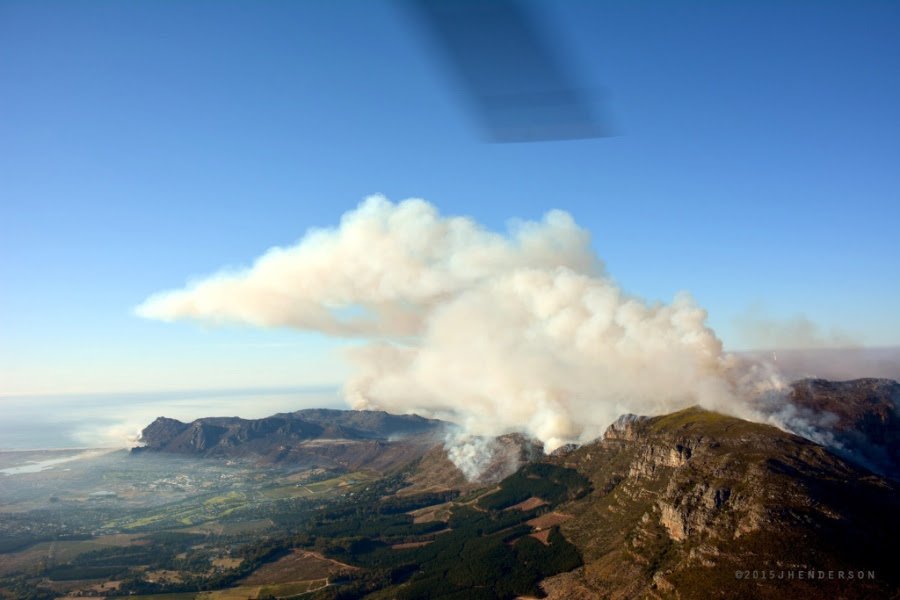
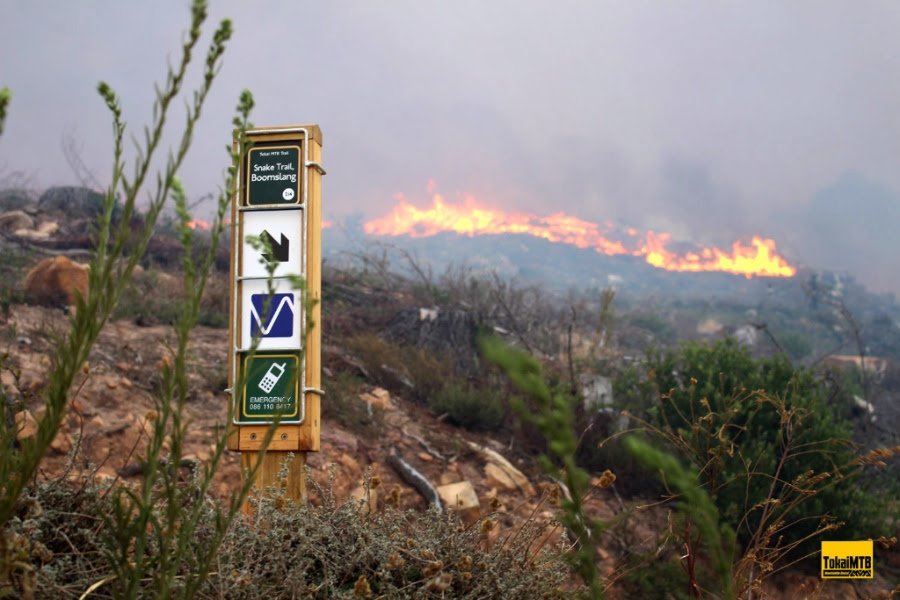
Trails lost. Following the devastating March 2015 fires that resulted in almost 6000ha of burnt fynbos and commercial plantations, and the destruction of several private properties, the Tokai precinct and plantation were deemed disaster zones and duly closed for up to two years’ post-fire intervention.

This idea was originally presented to Table Mountain National Park management by TokaiMTB in September with the express purpose of finding a safe alternative route away from the busy Ou Kaapse Weg road up to Silvermine West – due for reopening in December. The latest discussion included new information showing the unexpected progress of the logging operations in Tokai providing an update to the schedule on which the timelines are based. The corridor through Tokai, in addition to bypassing Ou Kaapse Weg, could also provide some relief to Silvermine’s trails where the area can expect to see large numbers of users flocking back into the newly reopened trail.

It should be noted that all parties involved, including SANParks Table Mountain National Park, are extremely keen to facilitate public use of the park at the earliest reasonable opportunity. At present, Cape Pine and the contractors clearing the trees are advising SANParks that the public should not be allowed entry until all clearing is completed. In light of this instruction, all parties remain committed to working on a viable plan that could allow a possible early entry while appeasing the contractor and risk advisor’s concerns.

(While we are on the topic, TokaiMTB appeals to all users of Silvermine West to show consideration towards others as space may become congested at times while the weather continues to improve and numbers grow, seeking out their favourite recreational pastime. Walkers, sometimes with children and dogs, and cyclists, all need to please take care and apply extra caution to avoid any unwelcome incidents. This will be a favourite destination for many users especially on good weather weekends.)

Many ideas around early Tokai access were presented and discussed in detail, while the main point of consideration remained the safety of the users and the need for compliance with regard to the terms of reopening should the application be successful.

Several commercial logging teams comprising both Cape Pine and private contractors, who have bought compartments of pine from Cape Pine, are working simultaneously in different parts of Tokai. Logging operations have redirected some focus back to the gum trees in the lower reaches of the reserve namely; level 1 “My Roots” through to the upper Arboretum bordering level 2. All access leading higher into the reserve is closed as these areas run alongside the jeep track accessing the upper slopes.
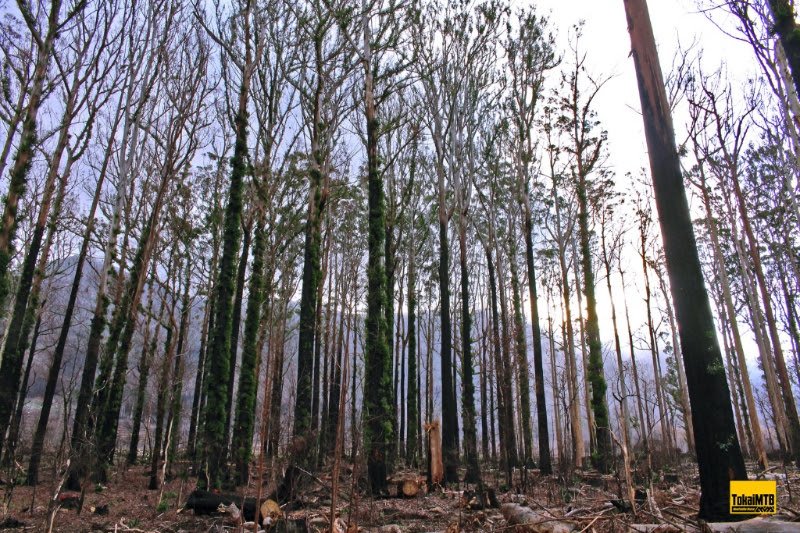
ccs-62657-0-40942900-1448911420.jpgSome of Africa’s champion trees that once stood in the Tokai plantation. Gum trees measuring over 75m in height now has contractors scratching their heads on the safest method to remove them, with summer south-easter winds being of no help at all.

The areas where gum felling operations are underway are scheduled to be completed by July 2016. It is due to the scale of the gum felling operations, where trees measuring up to 75 meters in height, that risk is greatly increased as the trees are required to fall in close proximity to the jeep track and accessed by specialist heavy machinery brought in to cope with the weight of these trees. As an indication of scale, 1 gum tree fills a double trailer truck that could normally carry between 20 – 30 pines per load.

The remaining pine compartments are expected to be removed by March 2016. These pines are found on a combination of level 1, 4, 5 and on the upper Silvermine amphitheater slopes. The Silvermine trees above level 5 pose yet another challenge as specialist high-angle crews qualified to traverse steep cliff faces, are required to carry out this part of clearing. It is expected that due to the vertical slope, the felled trees will fall some distance to the road below or even beyond. The risk factor around this operation was stressed several times in the meeting and again served as a valid reason why this part of the area could not be reopened before March 2016.

TokaiMTB understands the implications caused by the fire to local industry and recreational users. We continue to remain committed to the public while working with stakeholders in securing a world-class vision for Tokai and surrounds.

ccs-62657-0-66898200-1448912245.jpg

TokaiMTB is an affiliate member of Amarider, the National Affiliate of the International Mountain Bicycling Association (IMBA). Amarider subscribes to the guiding principles and values of IMBA which represents more than 600 organizations internationally and is widely regarded as the authority in terms of sustainable trail construction and management.

Comments

Captain Fastbastard Mayhem

Jan 25, 2016, 11:54 AM

Unfortunately coming from the climbing community and trying to deal with TMNP I know how these EMP things go...so can't say I'm particularly optimistic :P

 Ihave this dilema where I work right next to Tokai but live right next to Majik forest...so summer time riding is easy,...Winter...too dark by the time i get home :P

It was delayed from the original December release, by the request of Parks to include the Glen, Cork Tree Trail & perimeter trail in the scope of the EMP for MTB purposes :)


Yes, Parks' request. 

DJR

Jan 29, 2016, 11:06 AM

I thought some of the Tokai lovers will find this interesting. Perhaps it will open some cyclists eyes to the fact that Tokai is about more than just cycling trails. This article is mostly about Lower Tokai, but applies to the upper parts too, although the vegetation type is somewhat different. (Sorry if it's a bit long.)


Tokai's new lease on life: the return of Cape Flats Sand Fynbos
Tokai Forest has been known for its pine plantations, but this precious landscape is slowly but surely changing for the better. Images by Arnold Ras
Once a shady and dense forest of pine trees (Pinus radiata), the Tokai section of the Table Mountain National Park is being described as a conservation success story. Since most of the pines here have been harvested, the systematic restoration of the area, with the help of the Tokai Seedbank Project, has given new life to a critically endangered vegetation type. By Arnold Ras
“The Tokai section is actually very special,” explains Nosipho Tyagana, Junior Scientist: Restoration Ecology at SANParks’ Cape Research Centre in Tokai. “It first came to attention back in 1998 when there was an accidental fire at Lower Tokai next to Orpen Road and the area burnt down. Some plant enthusiasts went to have a look and found endangered species. Upon further investigation they realised it was the critically endangered vegetation type, Cape Flats Sand Fynbos.”

When SANParks took over management of the Tokai Forest from Cape Pine in 2007, they decided to transform the area with one very important goal in mind: to restore this endangered veld type. Only 11% of Cape Flats Sand Fynbos is left, but the biggest challenge? Less than 1% of this vegetation type is protected.

SANParks’ decision to remove the pines led to a public outcry from cyclists, horse riders, hikers and nature lovers, who flock to Tokai to enjoy the shade. What the public didn’t realise is that pines hide a destructive secret …  

Underneath pine trees
Nosipho, with the assistance of fellow researchers Carly Cowell and Nicola van Wilgen, spearheads the Tokai Seedbank Project. Their research aim? To discover what seeds are present in the soil that has been dominated by pines since the 1800s. “Under pines you’ll find very poor diversity in terms of animals and plants. The shade the pines produce encourage little growth – the area is basically dead. And the dense litter of the pine’s needles do not allow for anything to grow in [the trees’] proximity. No other plants mean no insects, no insects mean nothing that will prey on the insects, and very few bird species.”

When Nosipho took me on a tour to see the transformation for myself, I was stunned. Looking at Tokai Forest’s picnic area, still covered in pines, and restored vegetation a few metres away, the difference is marked. The restored sections are alive with the sounds of bees and other insects pollinating plants and finding food. We even spotted a black-headed heron, and Nosipho says there are visitor reports of duikers.

Flora lovers can now marvel at the 108 threatened Cape Flats Sand Fynbos plant species, of which 16 are found nowhere else on earth. Unfortunately, six species of Cape Flats Sand Fynbos are already extinct in the wild.

The pine harvesting process was supposed to stretch over a 20 to 25 year period, but SANParks’ timeline got unexpectedly overturned in March 2015 when wildfires destroyed most of the remaining pines. “The wildfires swept through almost everything, completely razing the upper section of the Tokai Forest. The timeline was shortened to six months. This is indeed a very interesting time for this precious area and its fynbos.”

Tokai Seedbank Project
To do research on the soil beneath the pines was a time- and labour-intensive process. Nosipho and a team of researchers collected 60 random soil samples – between five and ten centimetres deep – using a soil core. The soil was placed in paper bags so as not to suffocate any seeds and transported to the South African National Biodiversity Institute (SANBI). There the soil samples were cleared of woody debris and transferred into planting trays that had a layer of sterilised bark and silica. They were then placed in a greenhouse, watered on regular basis and monitored for a year.

“Taking a look at the seedbanks gives you a good indication of what the future holds. Thanks to the seedbank project we were able to establish the number of indigenous and alien species the area will deliver in the future. We found alien species to be dominating, with some indigenous succulents and geophytes indicating the need for active restoration, especially the reintroduction of the Proteaceae component. Now we can make informed decisions on the plants we can introduce,” says Nosipho.

Did you know?
Fires stimulate fynbos growth. Once fynbos starts flourishing after a fire, it takes approximately eight years for the seeds to be returned to the soil.


raptor-22

Jan 29, 2016, 12:42 PM

A pal who mtb'd in the forest since 1991 explained exactly this to me over a braai at his just after Argus last year. He figured that the area will even better once its been given the time to restore itself. I can see what he meant as even in the lower forest more raptors are visible on the wing,.....more snakes too.

exciting times

(Deon)

Feb 1, 2016, 4:27 PM

Thanks for the read DJR. The importance of the area should give a glimpse into the challenges of restoring the trails because we all know they won't restore themselves, not when less than 1% protected critically endangered red data list species exist where we propose they go..


All the more reason we as users of the park should be seen to contribute to the greater good and show we care - sans keyboard. There are a few projects running right now if anyone is interested.

Eddy Gordo

Feb 2, 2016, 7:48 AM

Projects like what Deon?

Captain Fastbastard Mayhem

Feb 2, 2016, 8:04 AM

Projects like what Deon?

Watering the trees in lower Tokai (one jo-jo tank at a time) as well as alien pulling, clearing etc. 

(Deon)

Feb 2, 2016, 9:42 AM

Projects like what Deon?

We have offered to help save the trees in lower Tokai. 


Also, as Myles says, there is a crucially-vital-important alien clearing project working on select areas that will provide seeding after the spraying/poisoning.. This is with the man himself, Tony Rebelo.. can't tell you exactly how important this is, but I I think I did hint earlier. 


I say "help" because now the Friends of Tokai and Sanparks are getting involved too. The goodwill travels, I see in the FoT AGM we are mentioned by name and also the commitment to further engage with mountain bikers.


All steps in the right direction when you consider that hikers of the past have traded their boots for bikes.. meaning future conservation lies with us essentially.

Add a comment

You must log in to comment