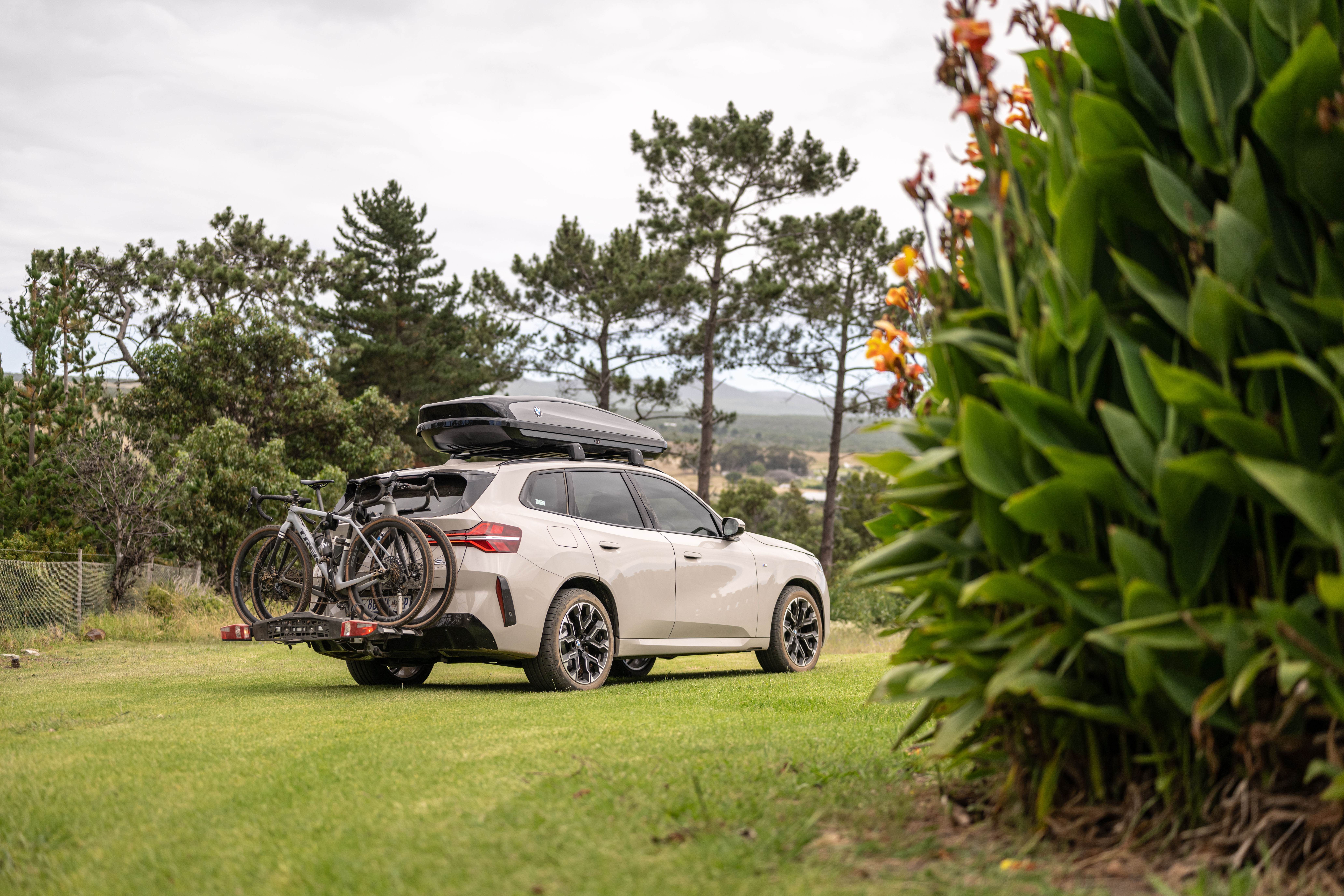
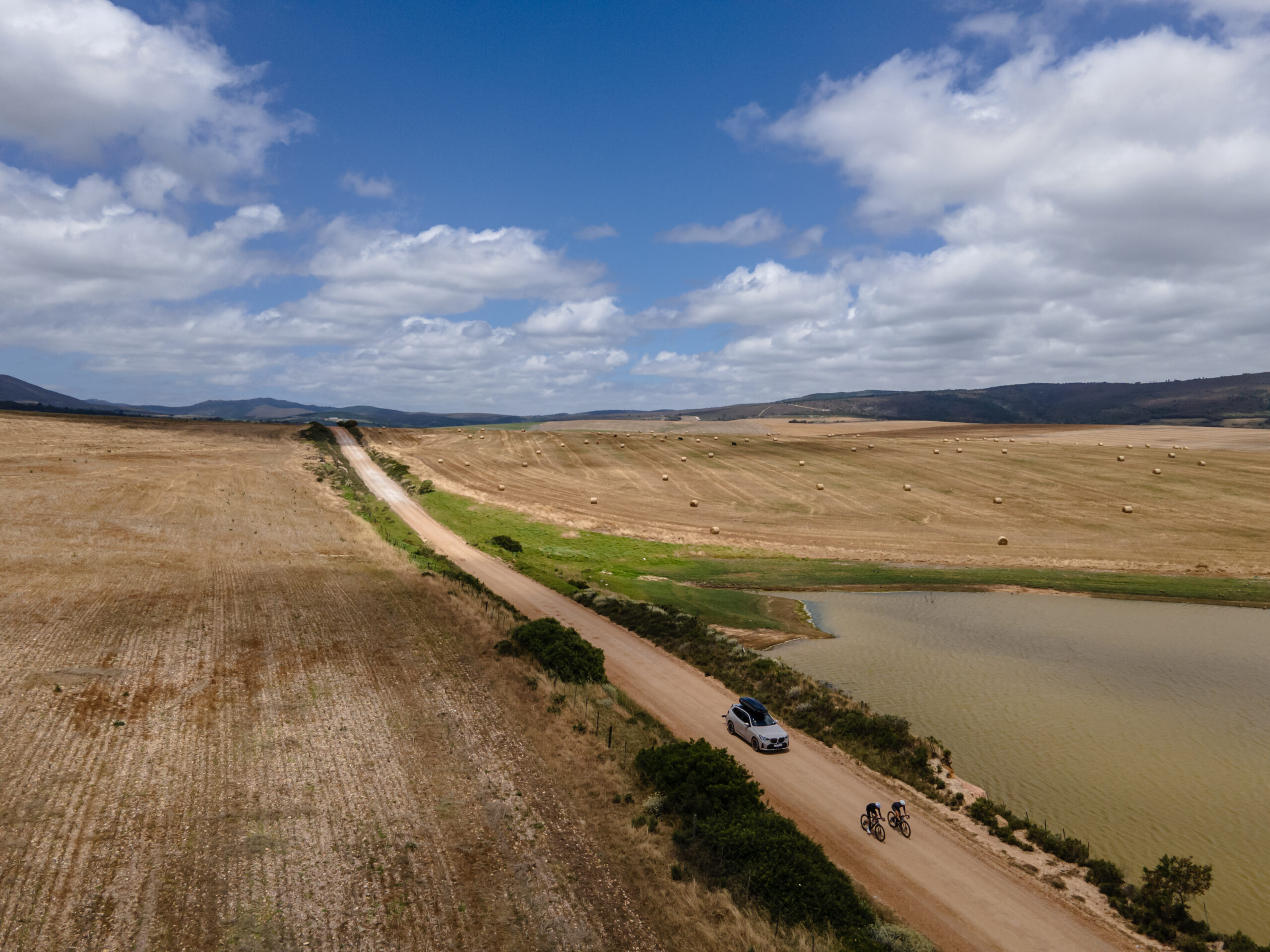
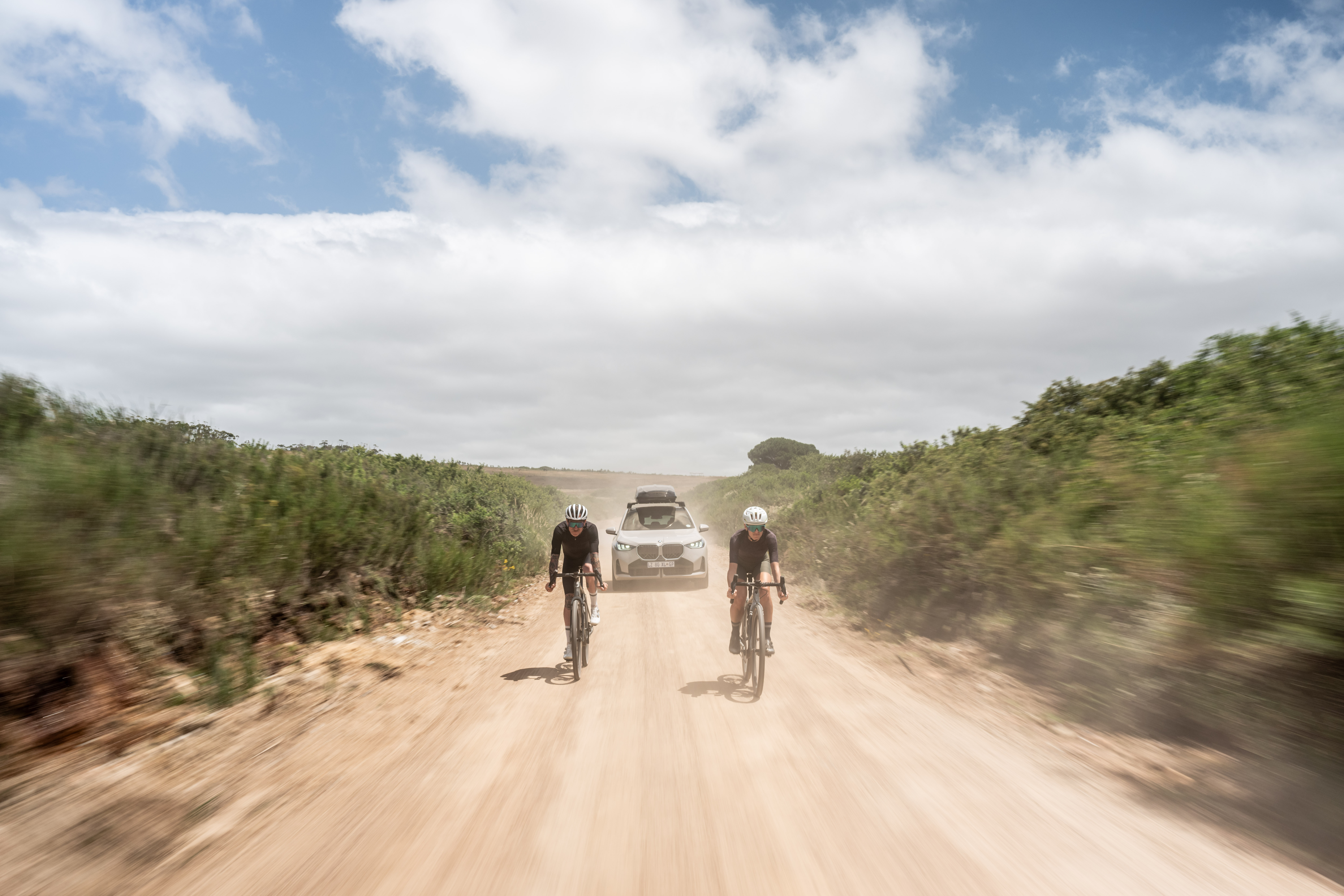
The Stanford 100 Miler is the season-ender for gravel aficionados in the Western Cape. In preparation for the 2025 event, we hit the road in the new BMW X3 20d xDrive to explore the route and experience the unique charm of this breathtaking region.
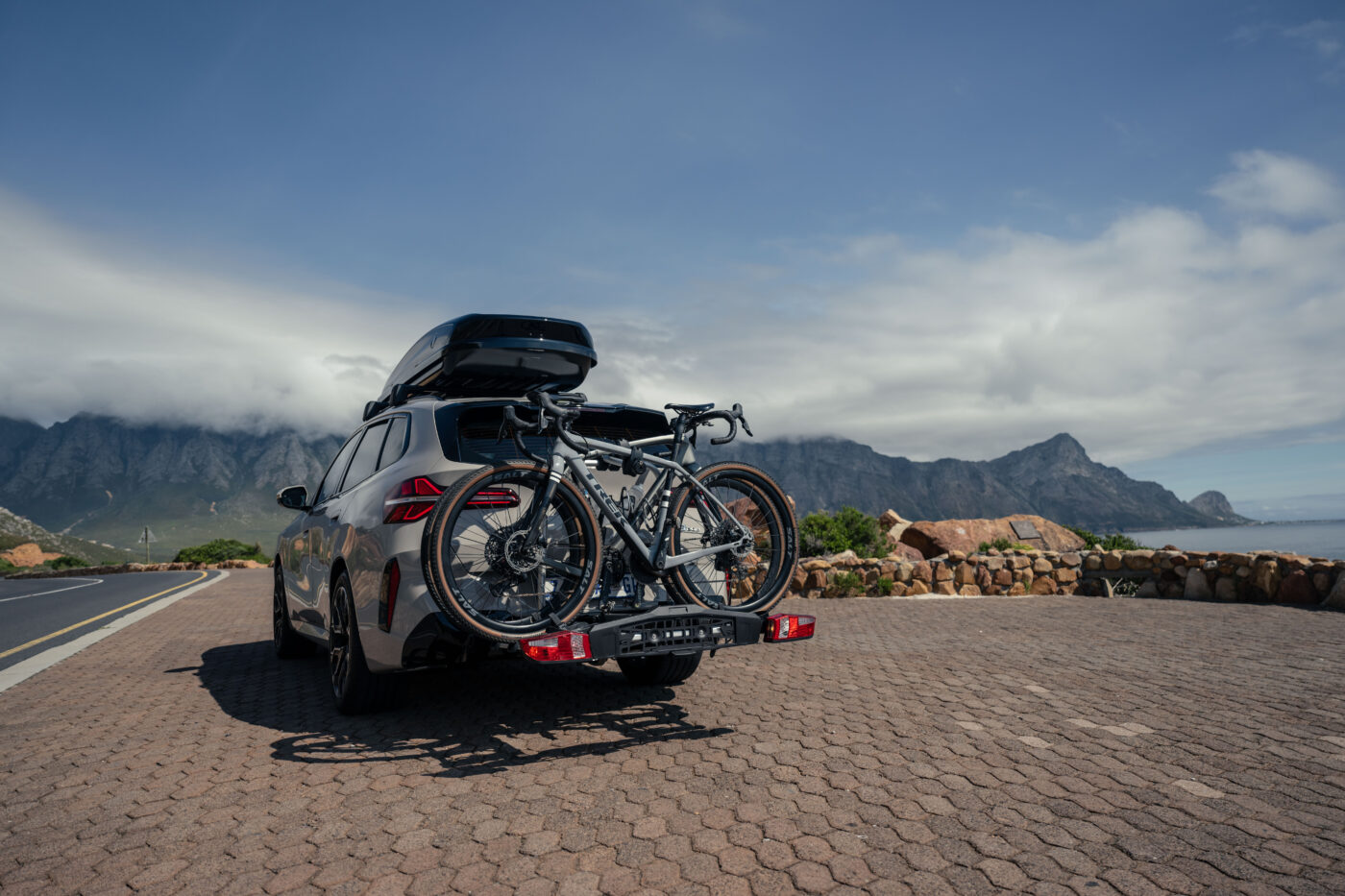
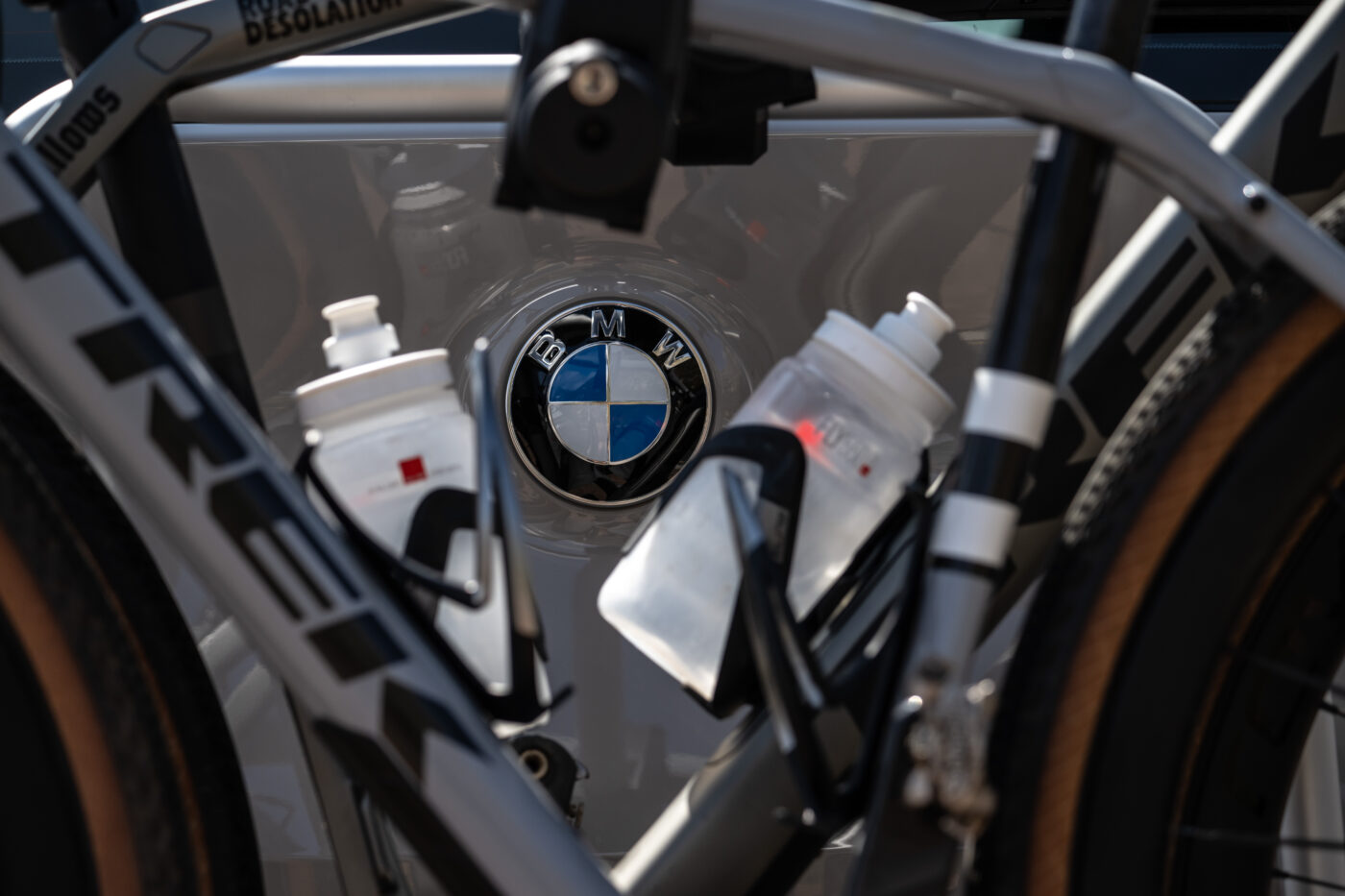
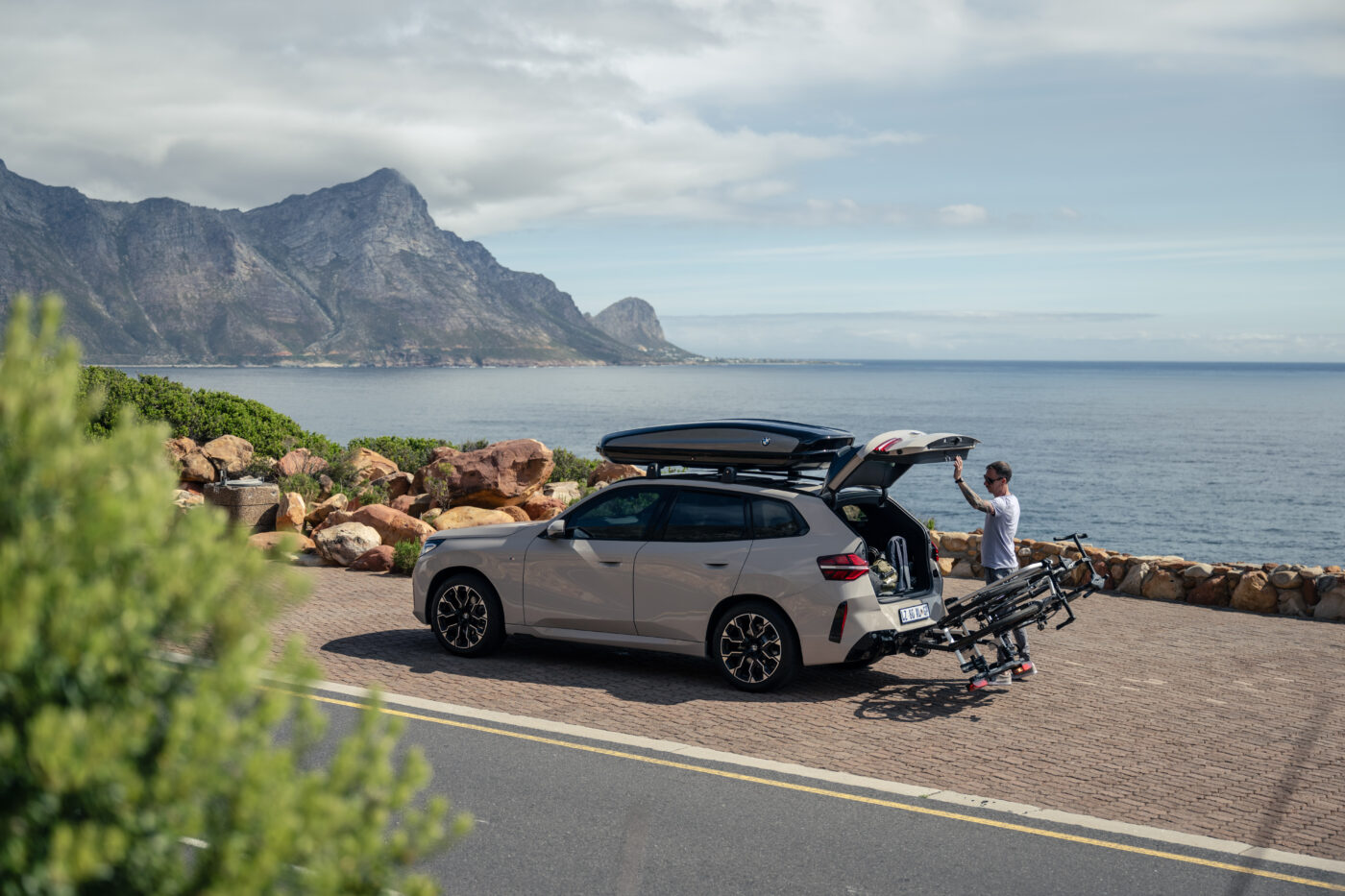
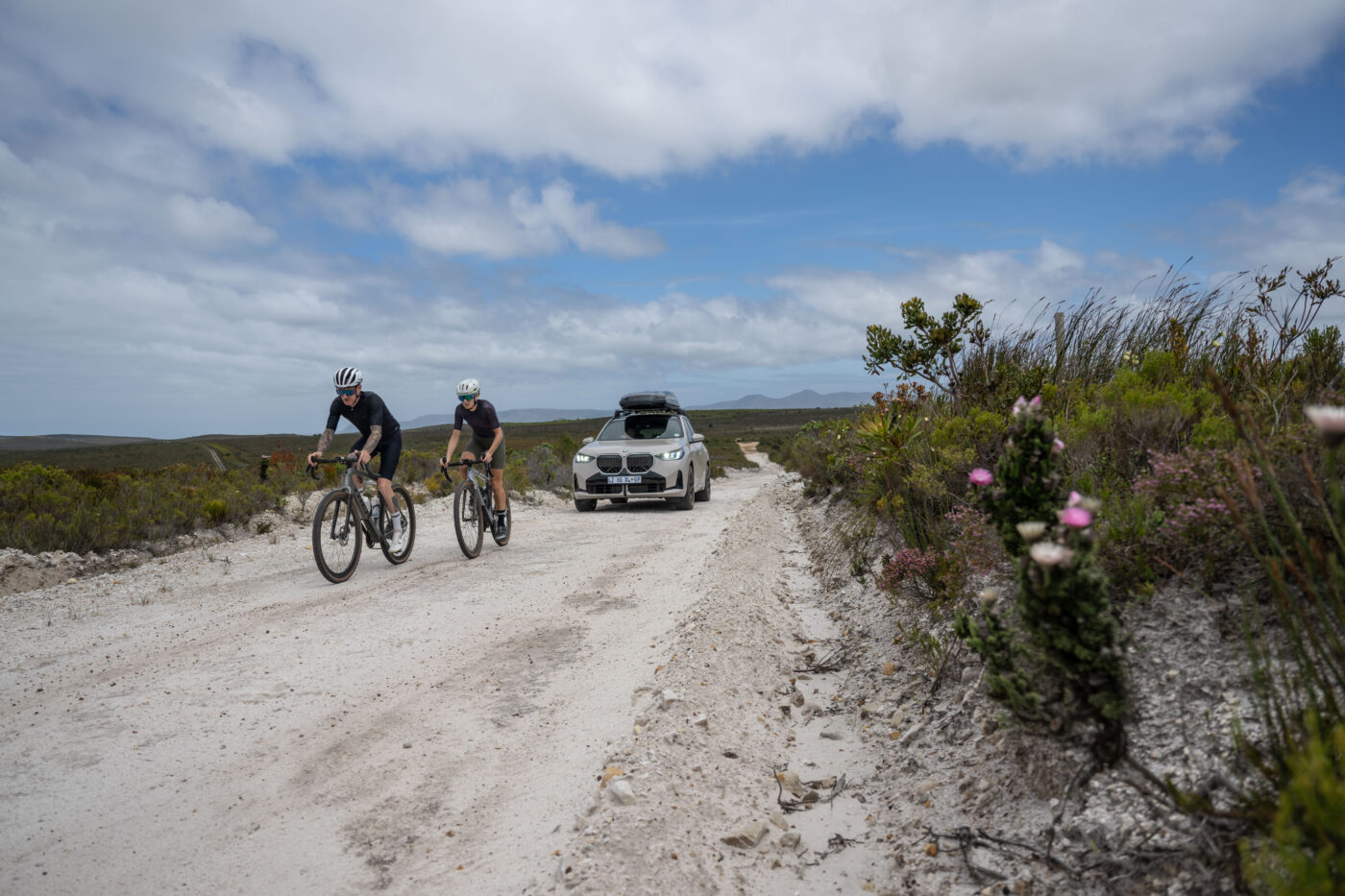
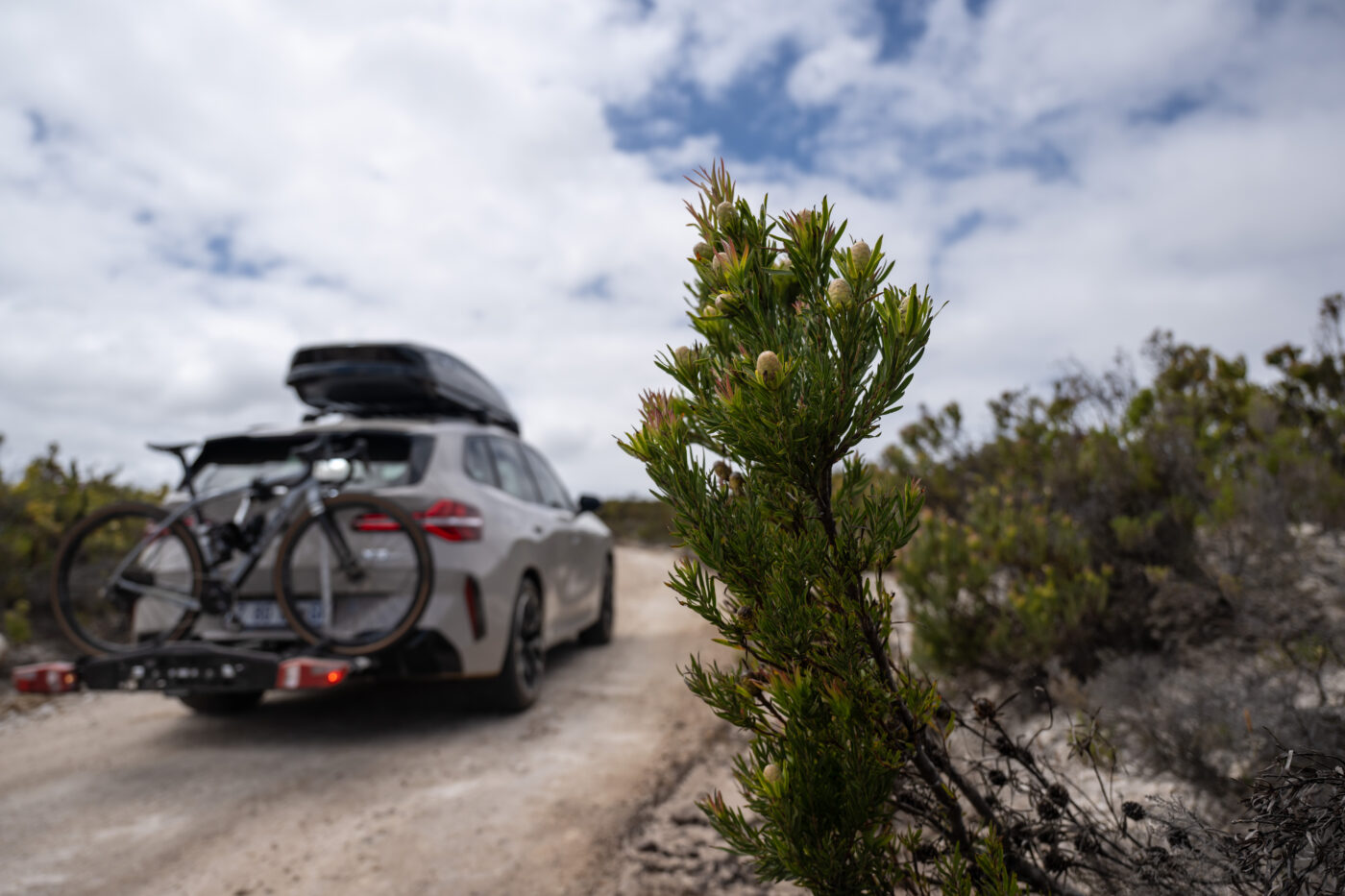
The vehicle arrived fully fitted with BMW accessories: a BMW PRO 3.0 rear bicycle carrier for 3 bicycles, and a Railing carrier complete with a 520 Roof Box, for extra storage space. The car could have comfortably accommodated five people and three bikes, if our logistics had called for it.



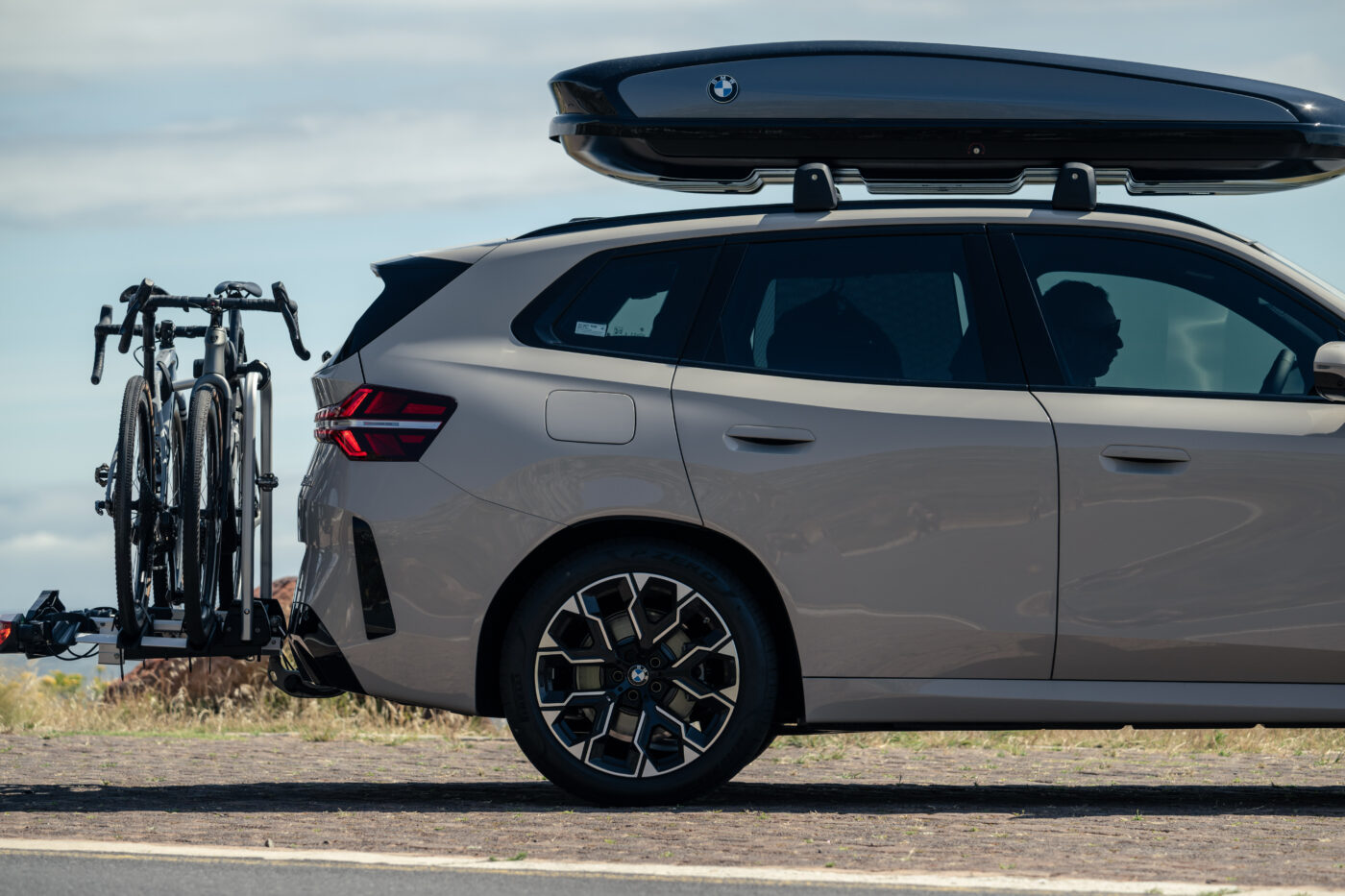
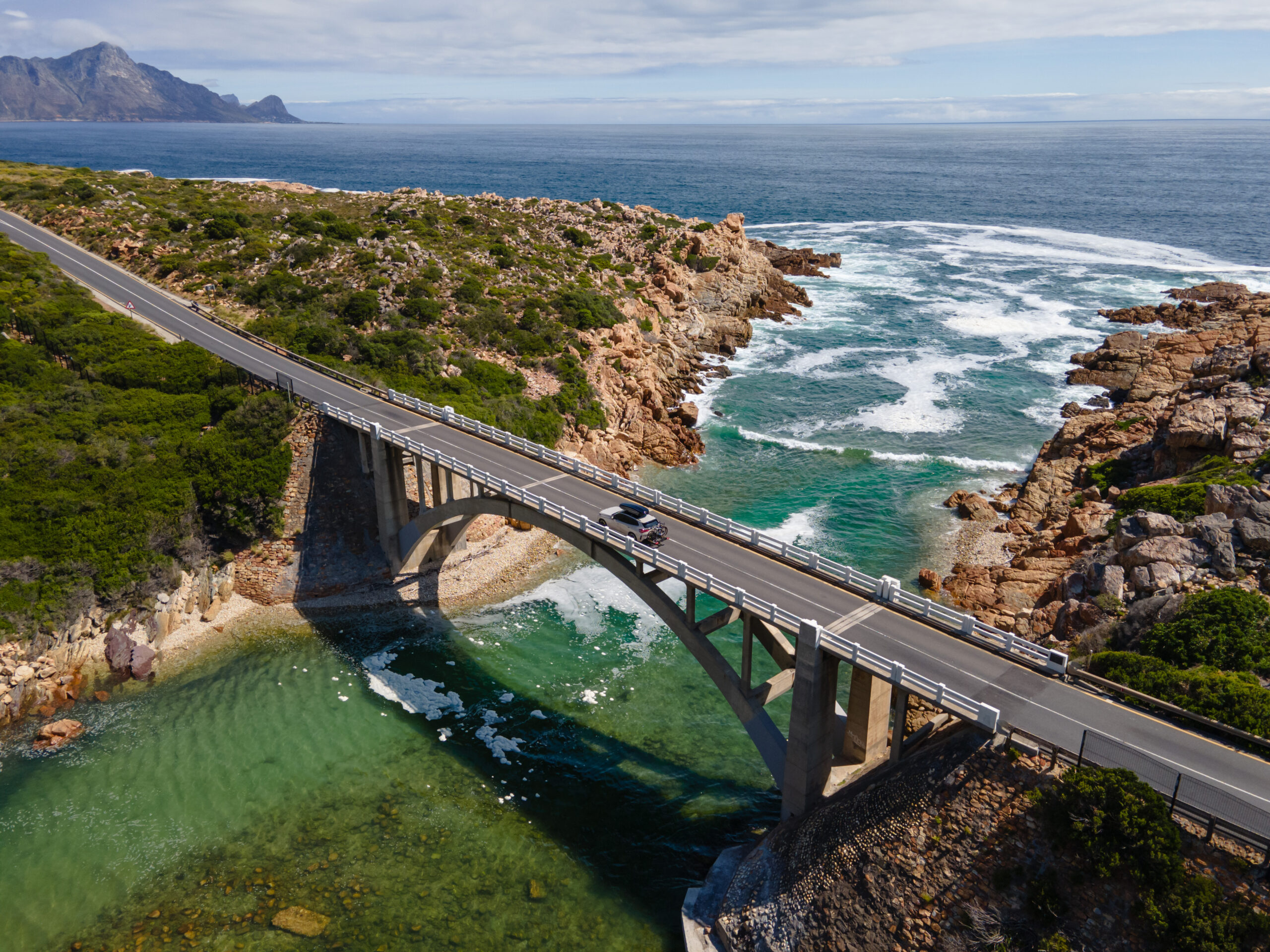
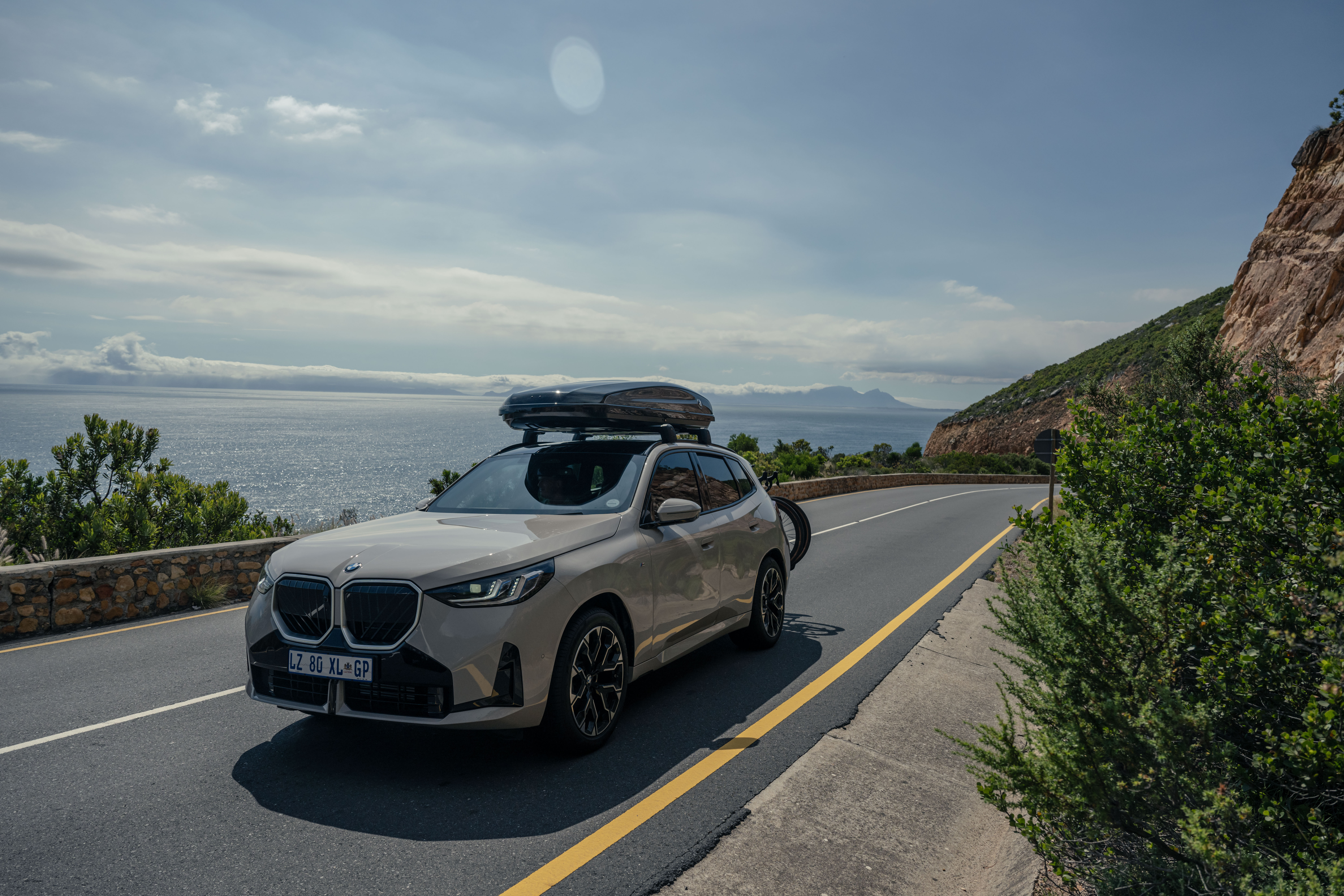
No road trip feels complete without a scenic coastal drive, so opting for the breathtaking Clarence Drive route to Stanford was an easy choice. The twisting road gave us a chance to appreciate the road handling and power of the new X3 on the tar, before we hit the gravel the following day.
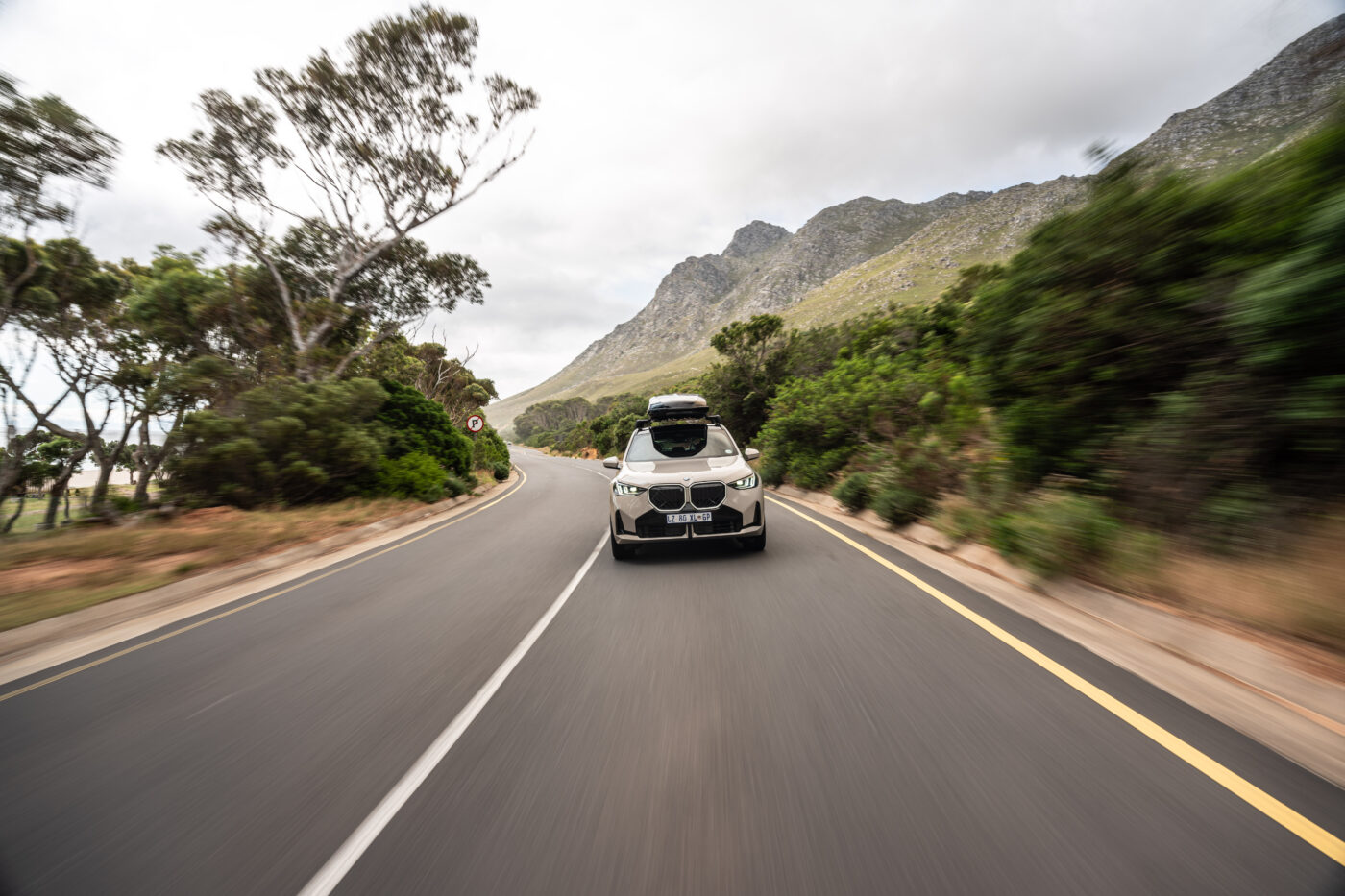
About the new BMW X3 20d xDrive
The new BMW X3 20d xDrive offers a balance of space, power, and comfort. Here are our top features that make it ideal for transporting riders and bikes in absolute comfort:
- Ground Clearance and Versatility: With 216 mm of ground clearance and intelligent all-wheel drive (xDrive), the new X3 Diesel handles off-road terrain with aplomb.
- Spacious Cargo Bay: A capacious 570 litre boot is expandable to 1,700 litres with the rear seats folded down. The addition of the BMW PRO 3.0 rear bicycle carrier for 3 bicycles, and 520 litre Roof Box meant space for luggage and equipment was never a problem.
- Powerful and Efficient: The new X3 Diesel, equipped with a 2.0L engine delivering 145 kW and 400 Nm of torque, for smooth and fuel efficient performance.
- Safety and Connectivity: Features like Active Cruise Control, Parking Assistance, and BMW’s ConnectedDrive services ensure stress-free driving and navigation.
- Comfortable Interior: Adjustable seating, personalised climate control, and optional heated seats keep passengers relaxed after a long ride
To learn more about the new BMW X3 check it out here.
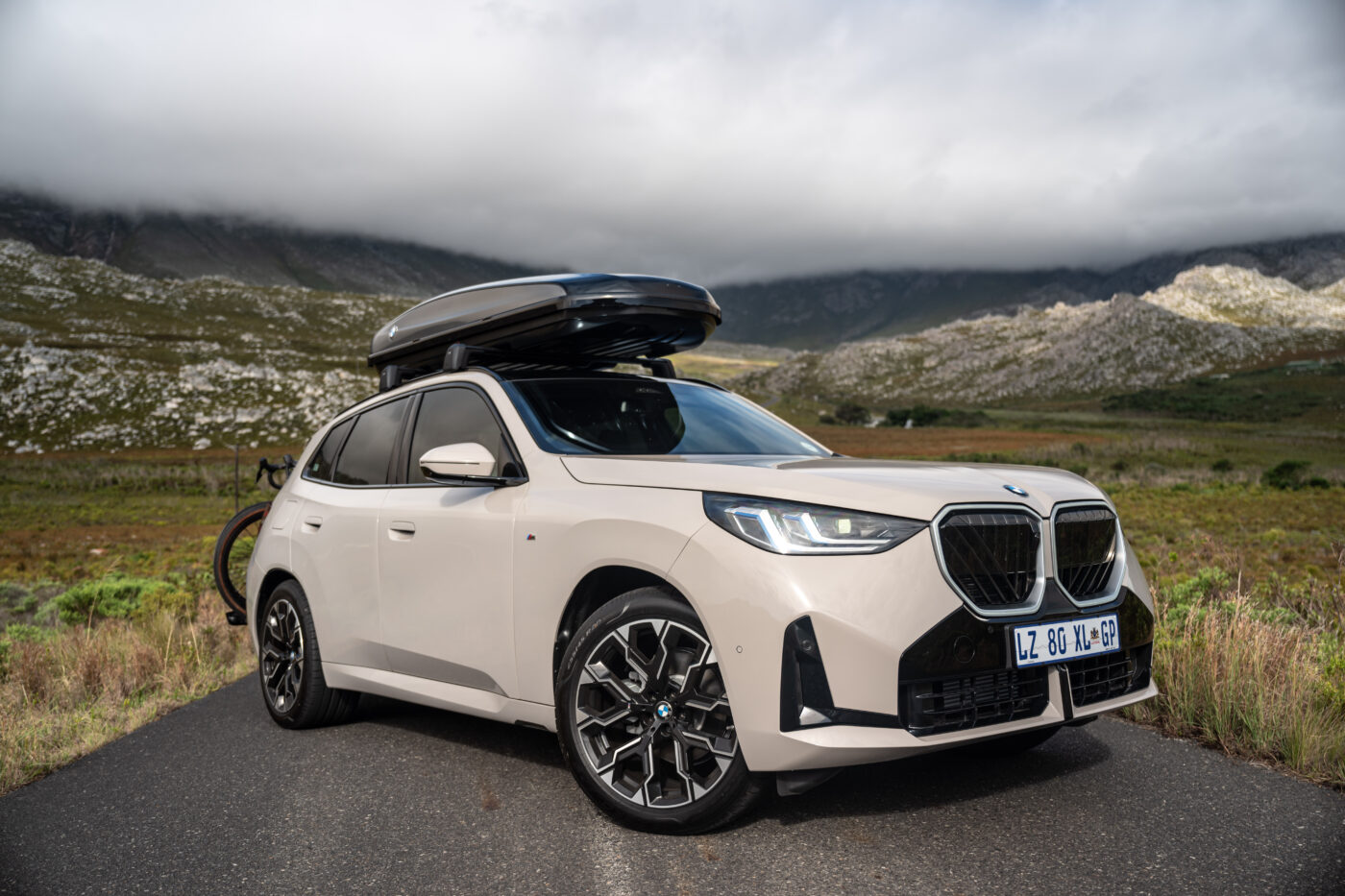
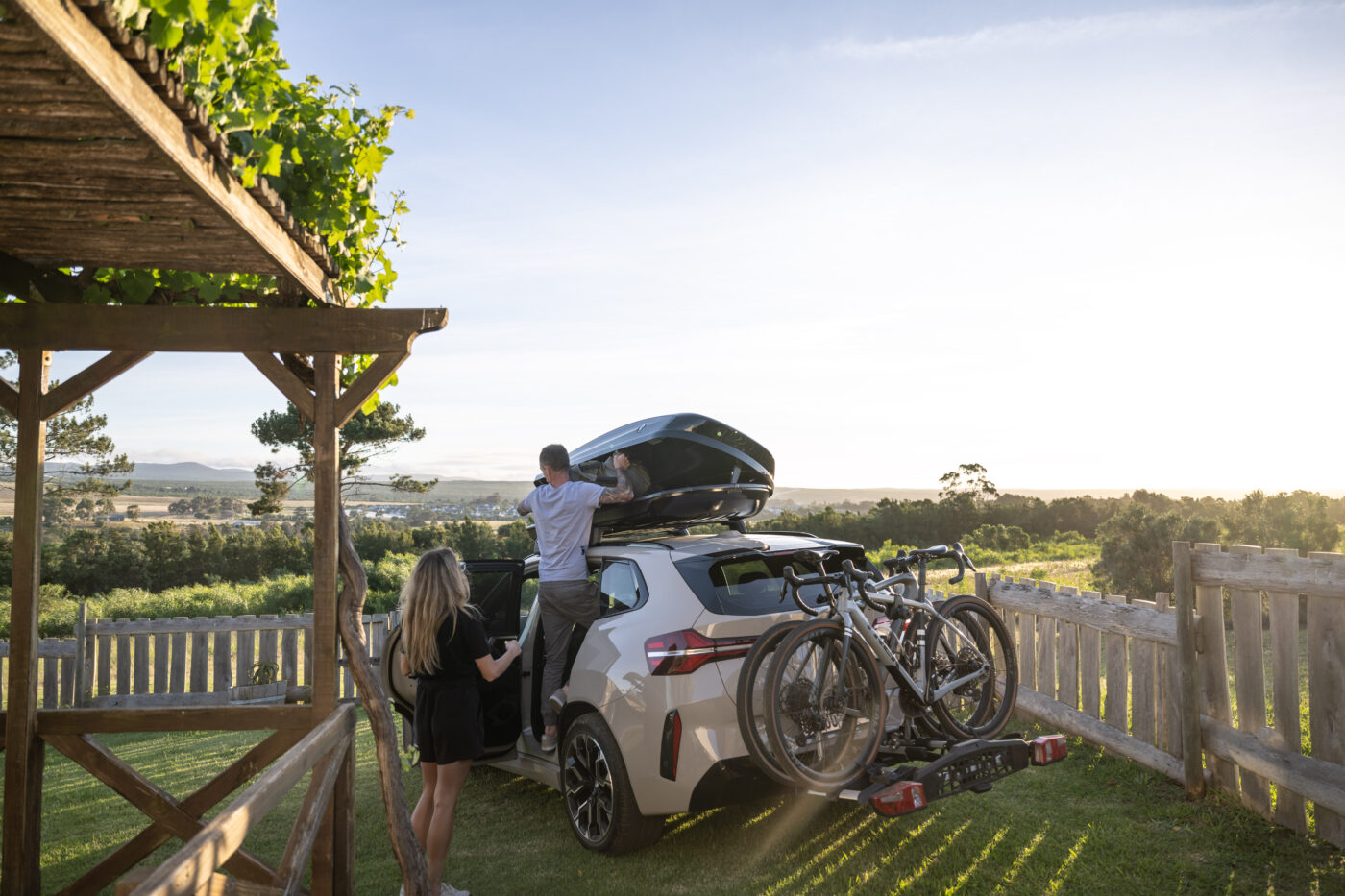
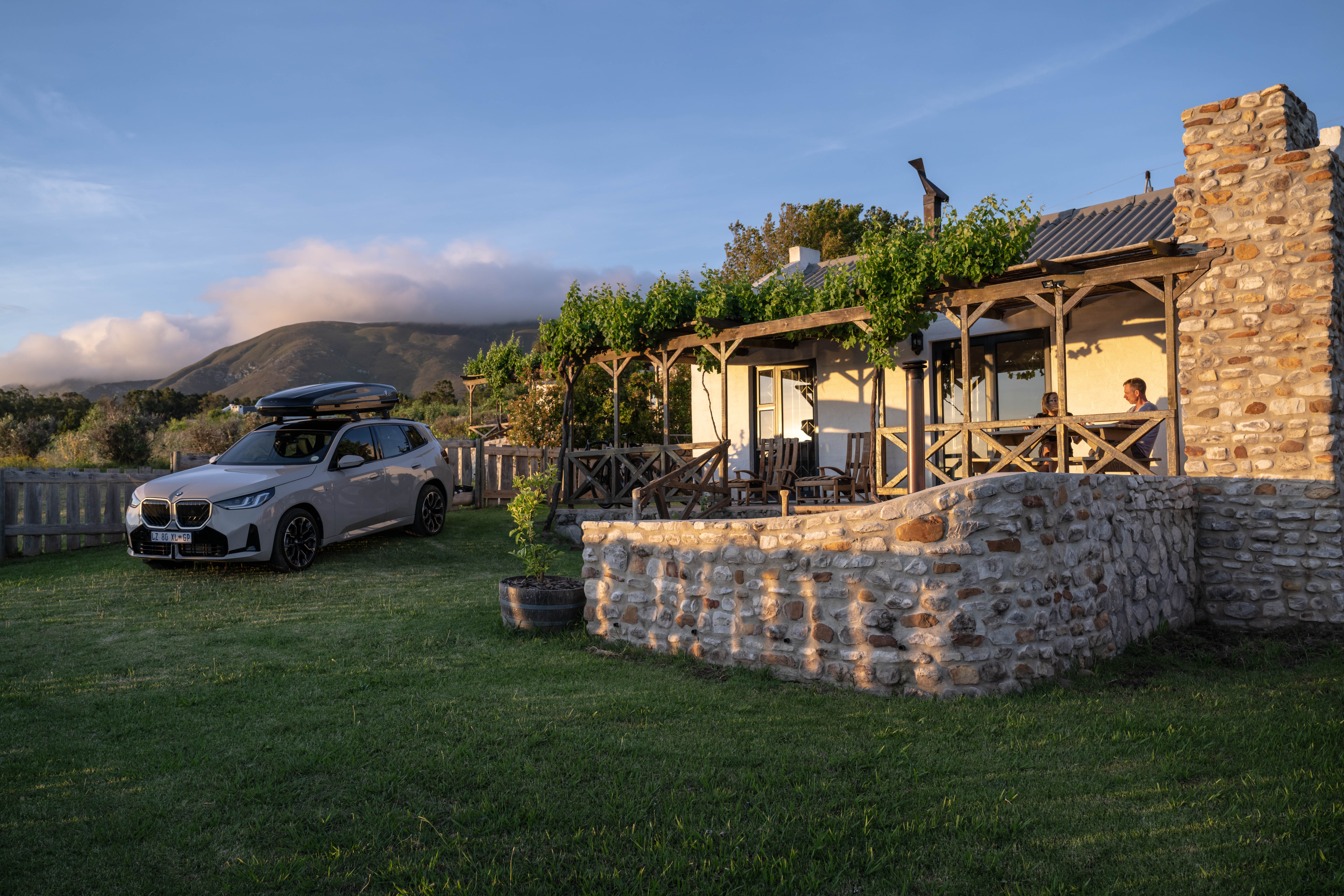
After a leisurely drive and a few stops to soak in the scenery, we arrived safely at our accommodation at the cottages at Stanford Hills. Stanford Hills is the host venue for the Stanford 100 Miler and serves as an excellent base for anyone wanting to explore the expansive gravel network in the area.
An overcast and drizzly start saw us hitting the tar road out of Stanford for a few kilometres before taking the Beloftebos turn-off onto the first gravel climb of the day. Spanning 6.5 kilometres, with an elevation gain of 185 metres it is a gentle wake up call on a leisurely ride but likely to see the bunch ripped apart come race day.
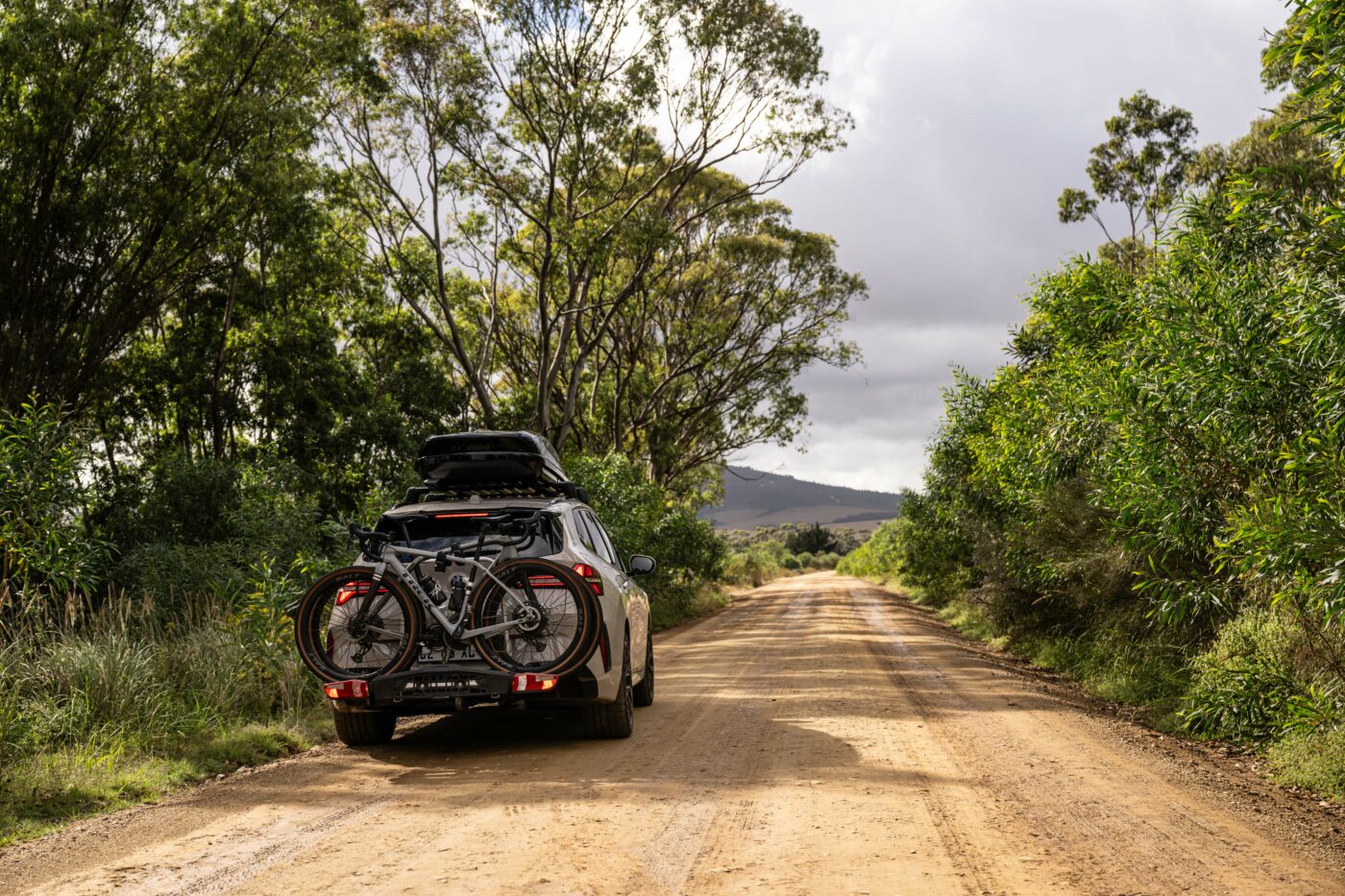
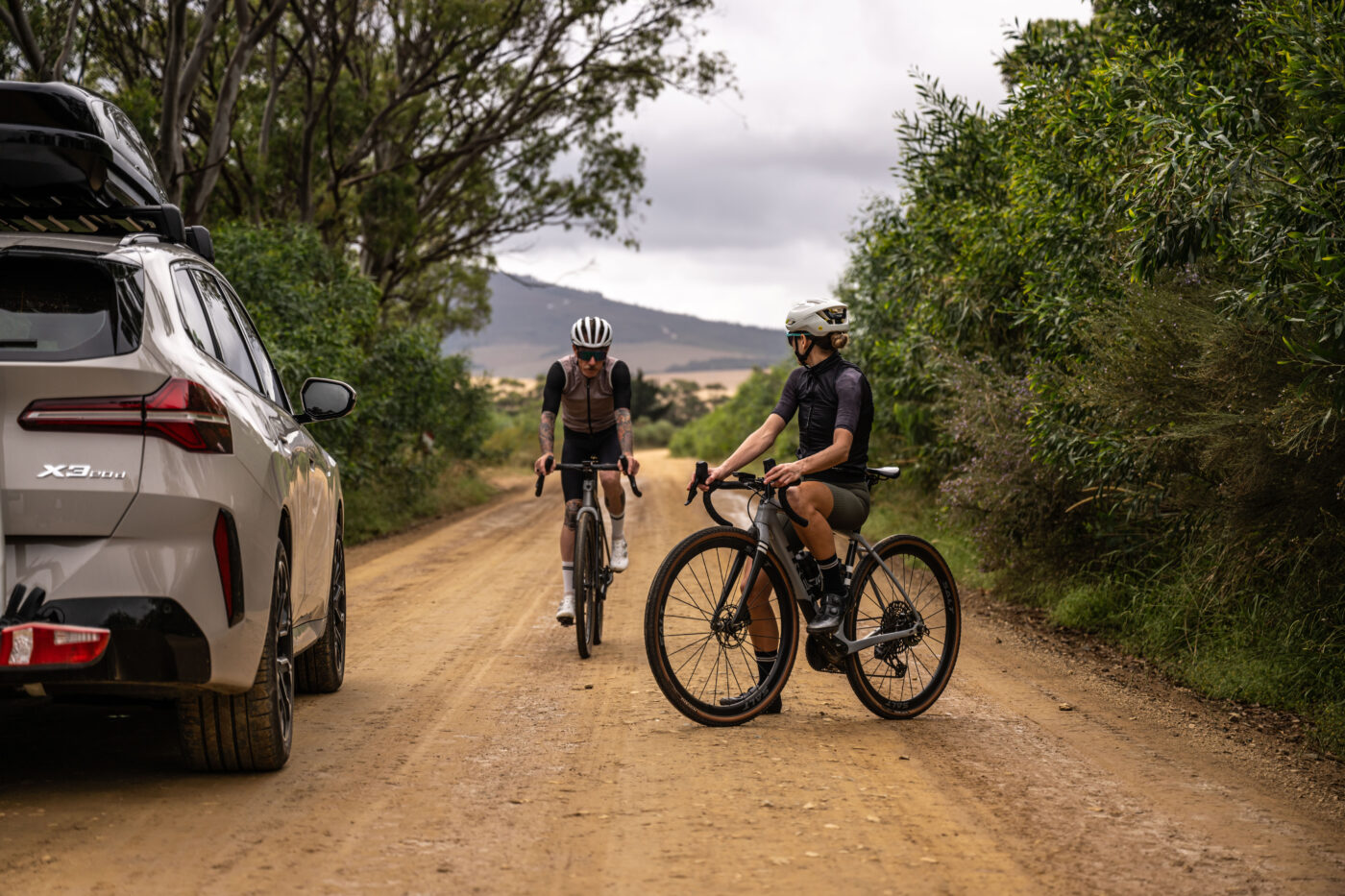
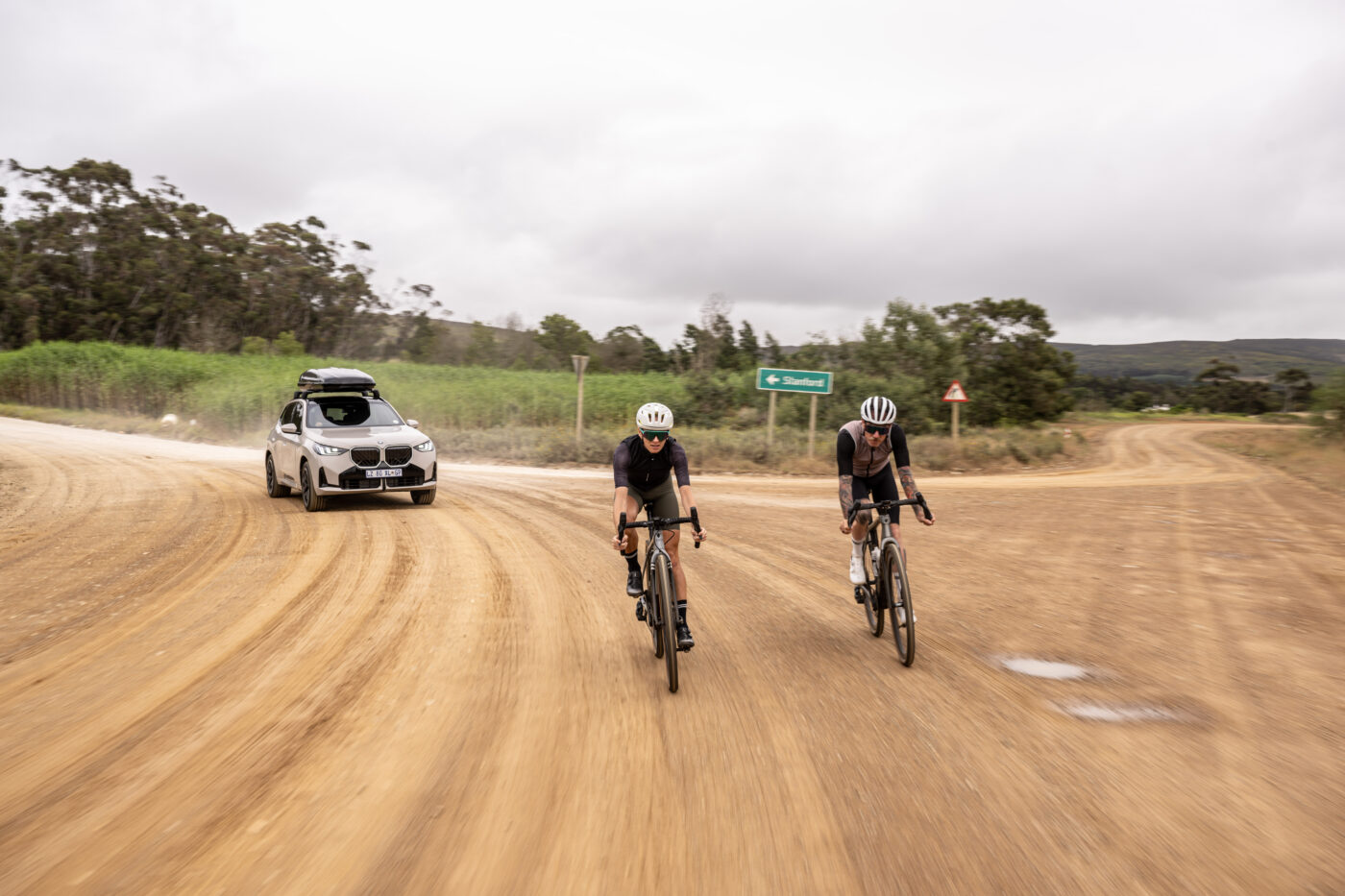
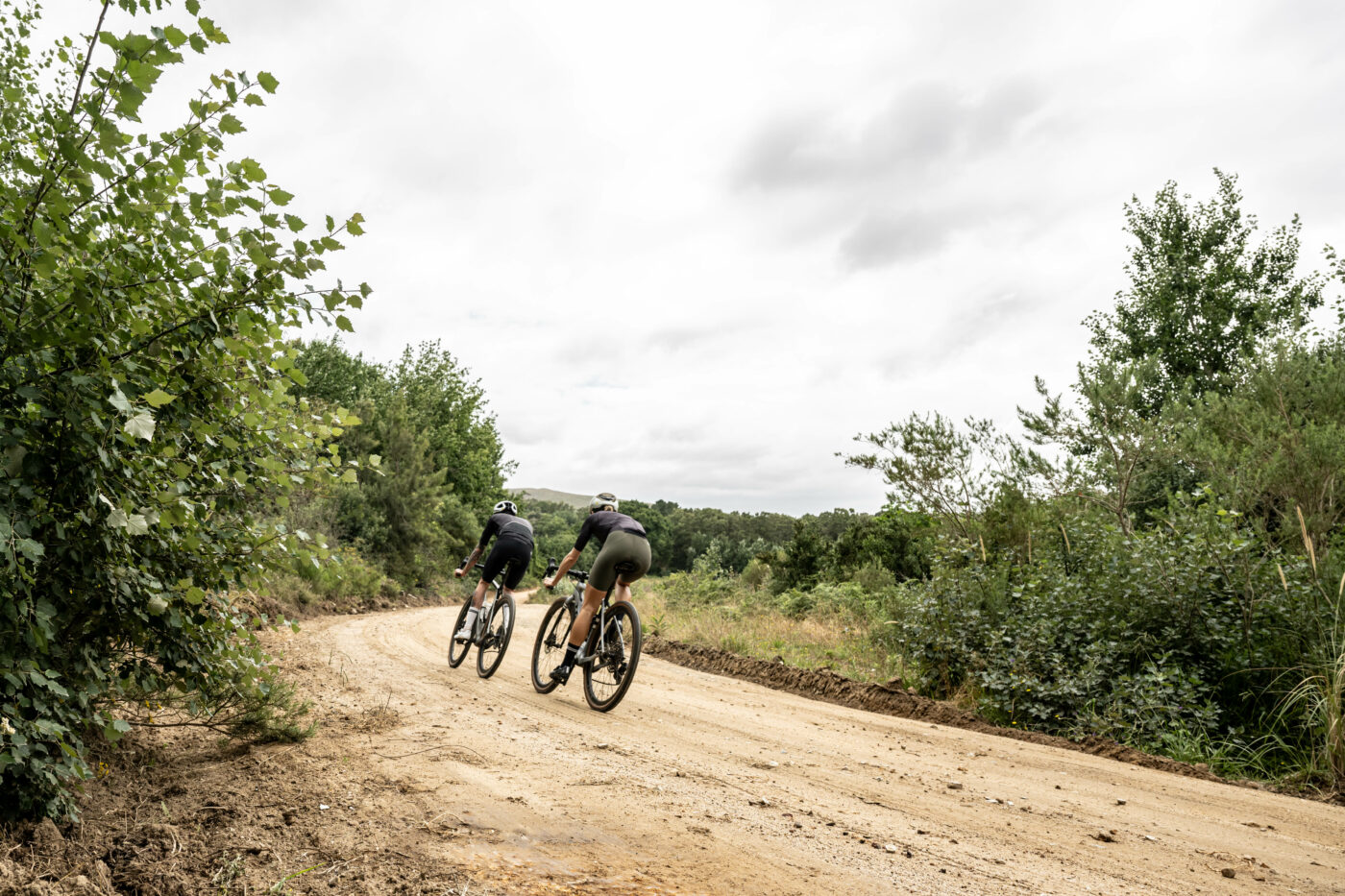
After a fast open descent you’ll turn right and hit the rollers en route to Lomond Wine Estate. The road traces the Uilskraalrivier kloof offering near perfect smooth and compact gravel. The small kickers eat unwary legs for breakfast and it’s possible to go too hard here and pay the price later in the day, so make time to soak up the views.
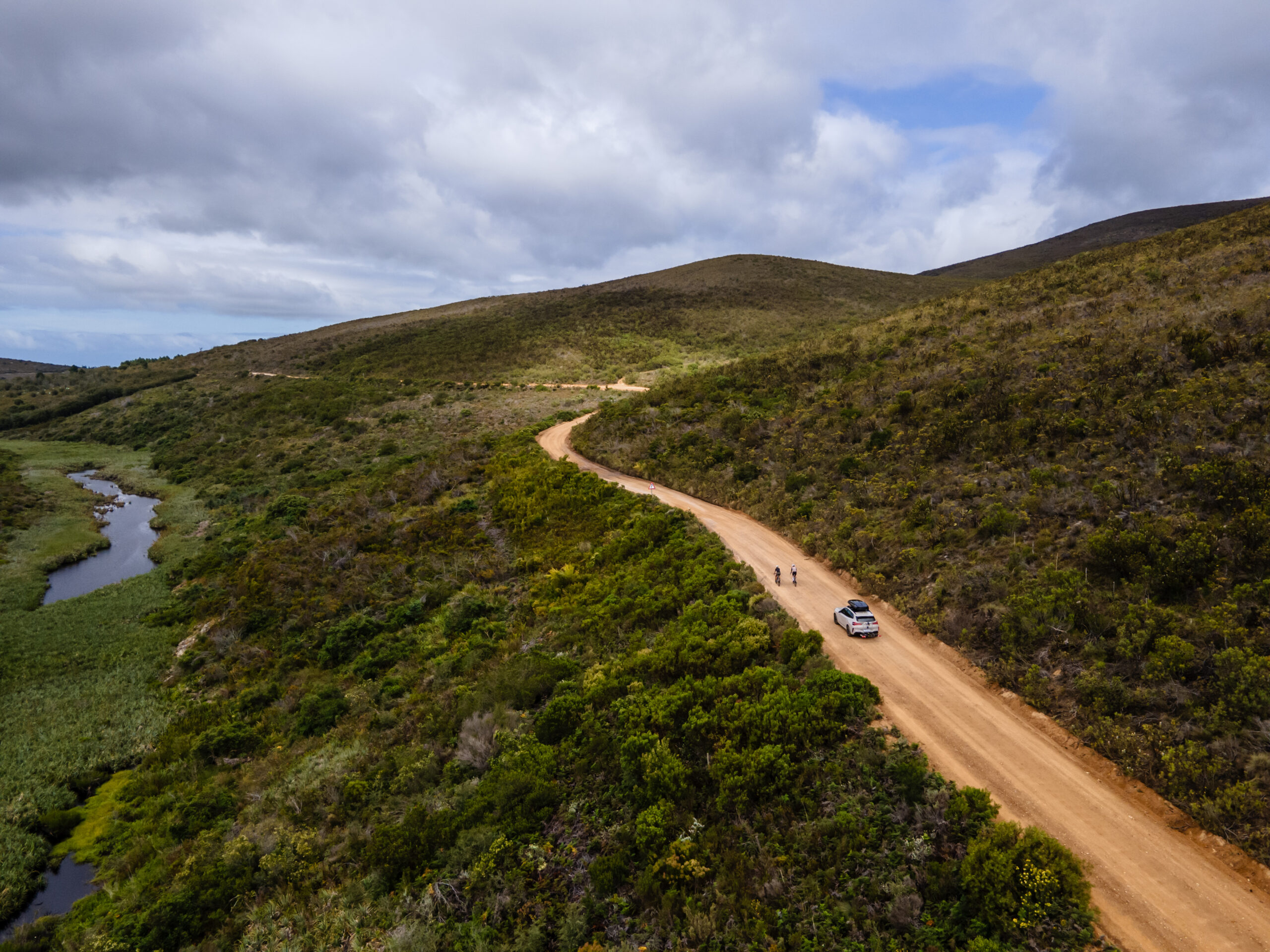
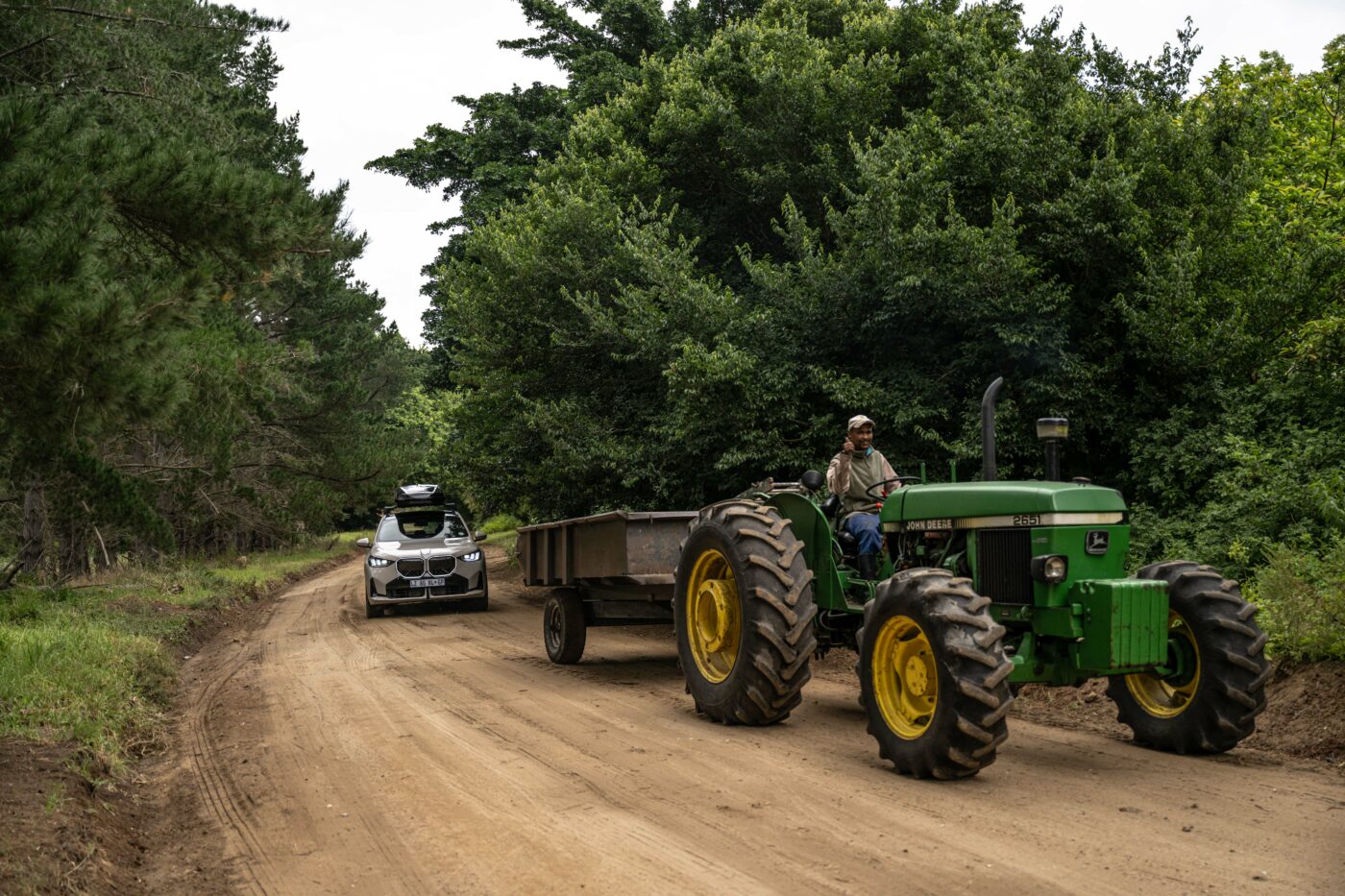
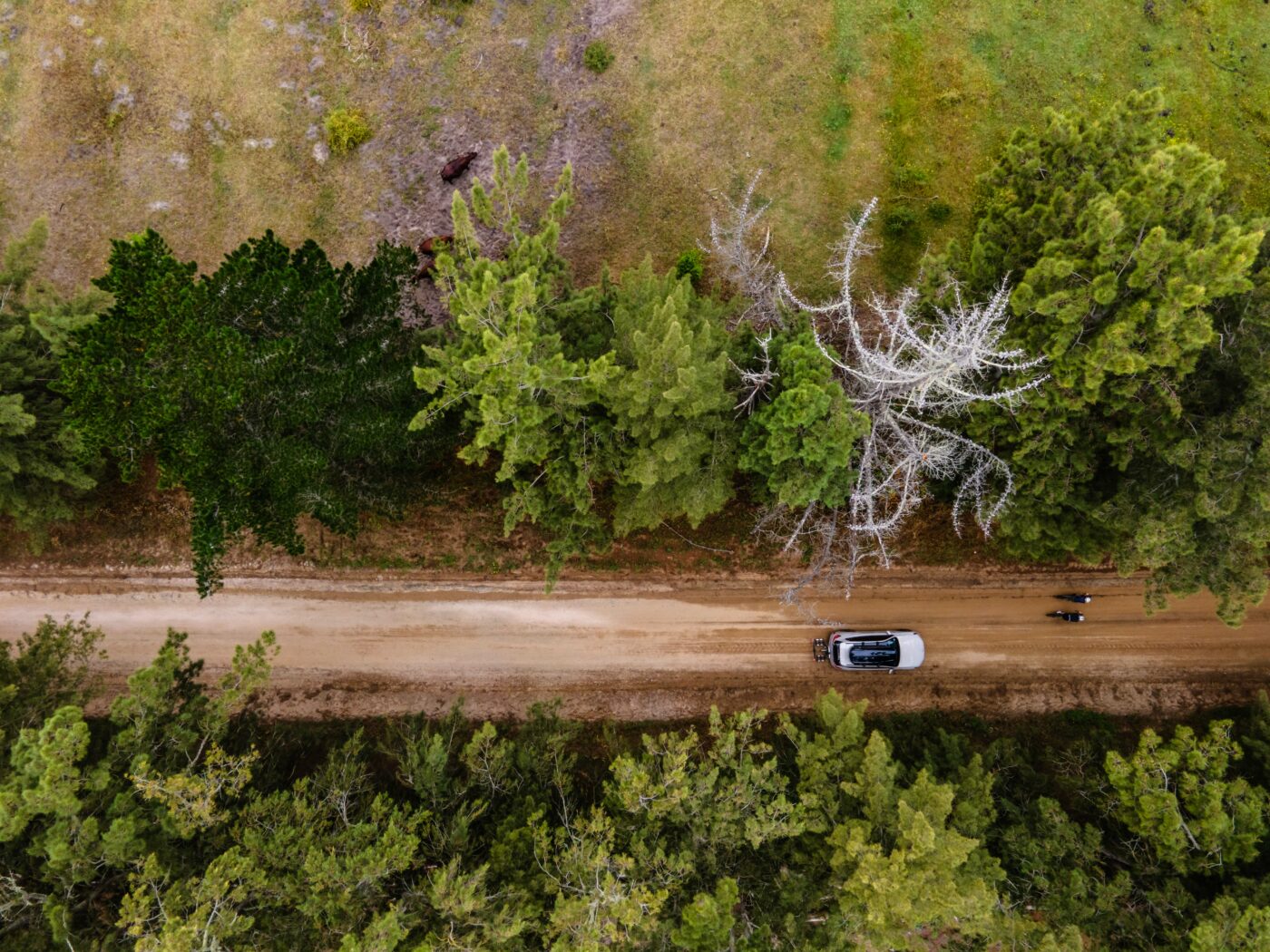
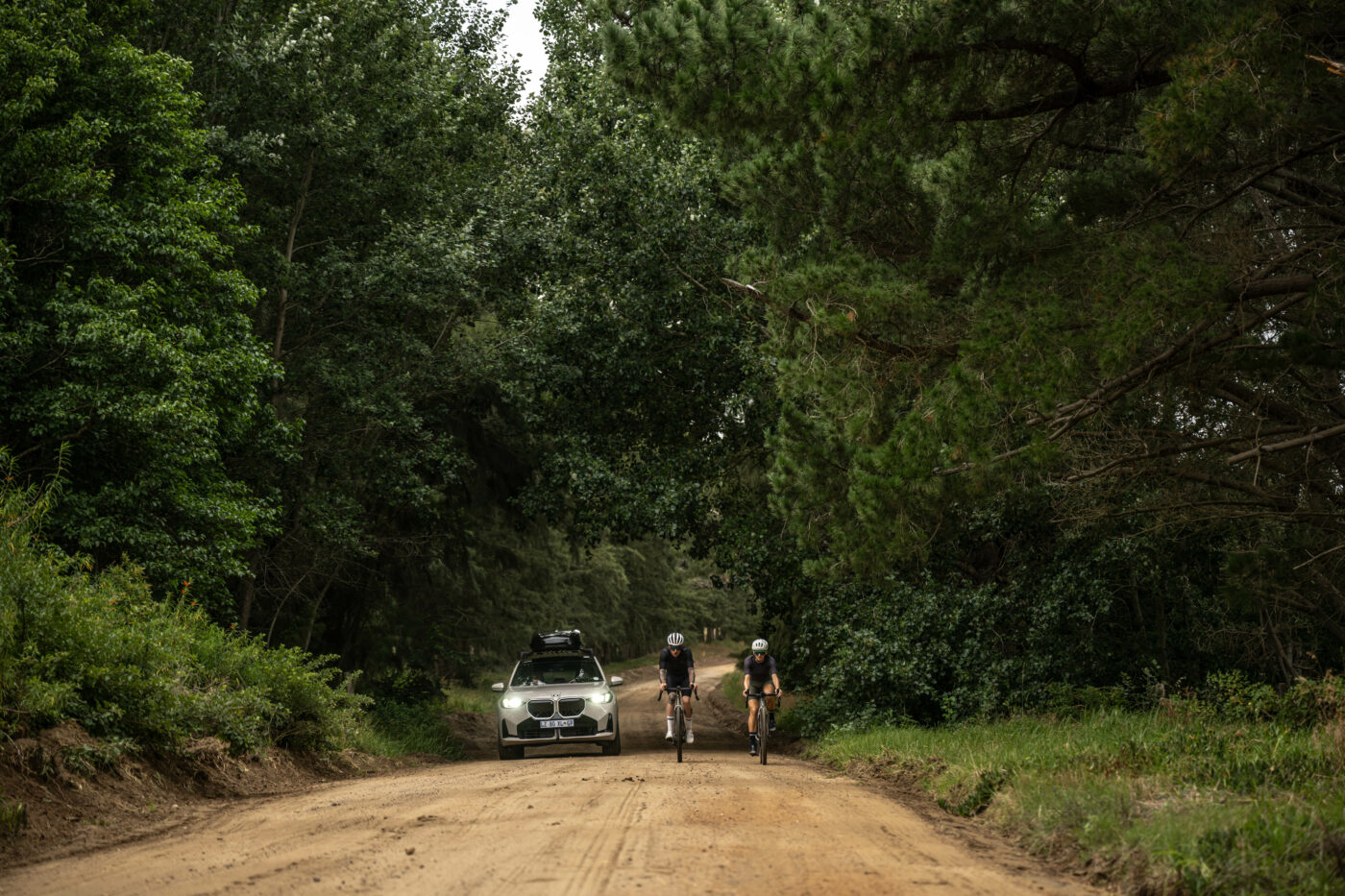
This one of the more sheltered sections of the route: well-shaded and beautifully smooth. You can expect high speeds here.
Once the Lomond dam is in sight you are nearly at the tar. From here onwards you are largely exposed to the elements, so if the wind is blowing hang on to a group for dear life.
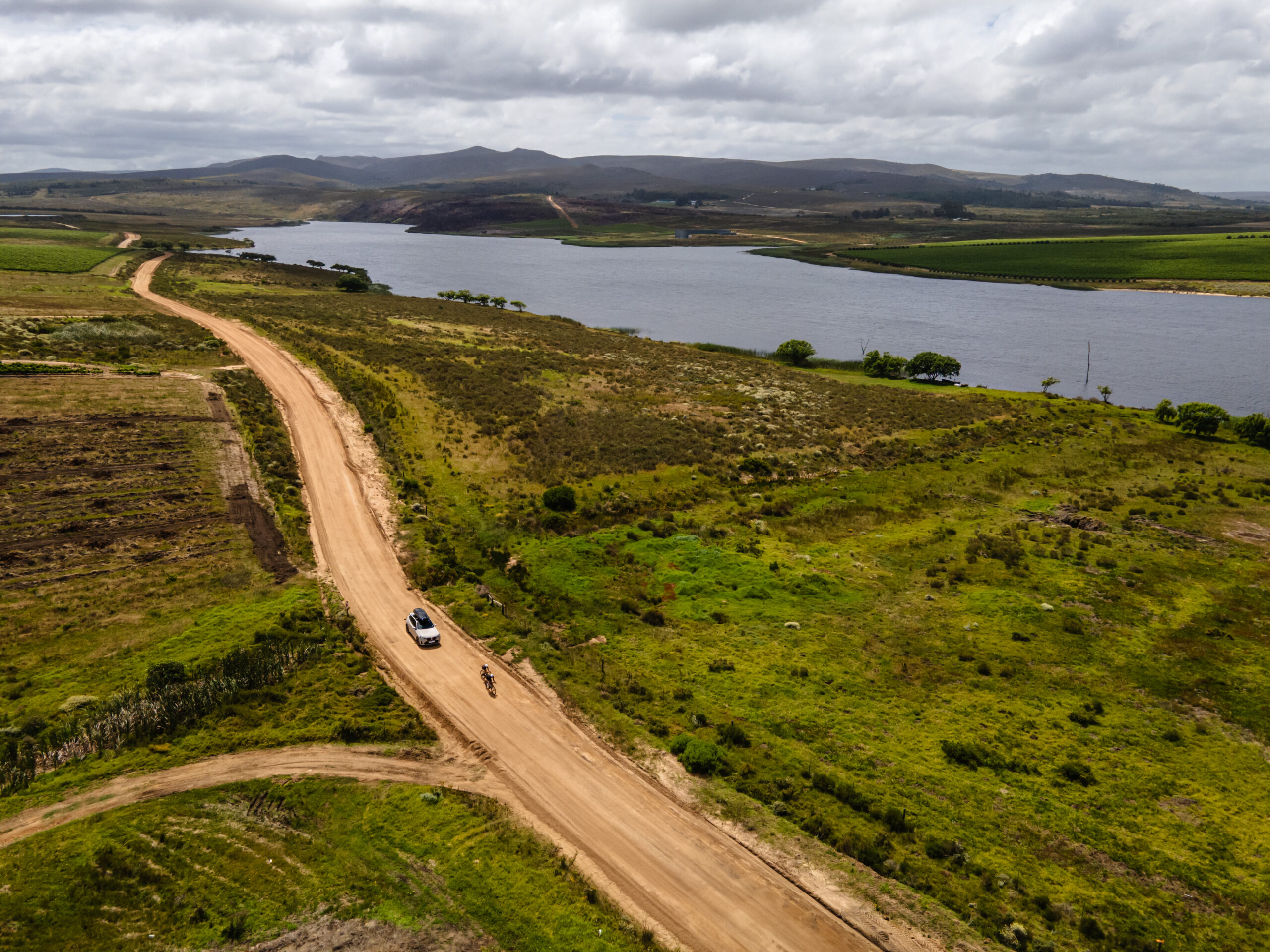
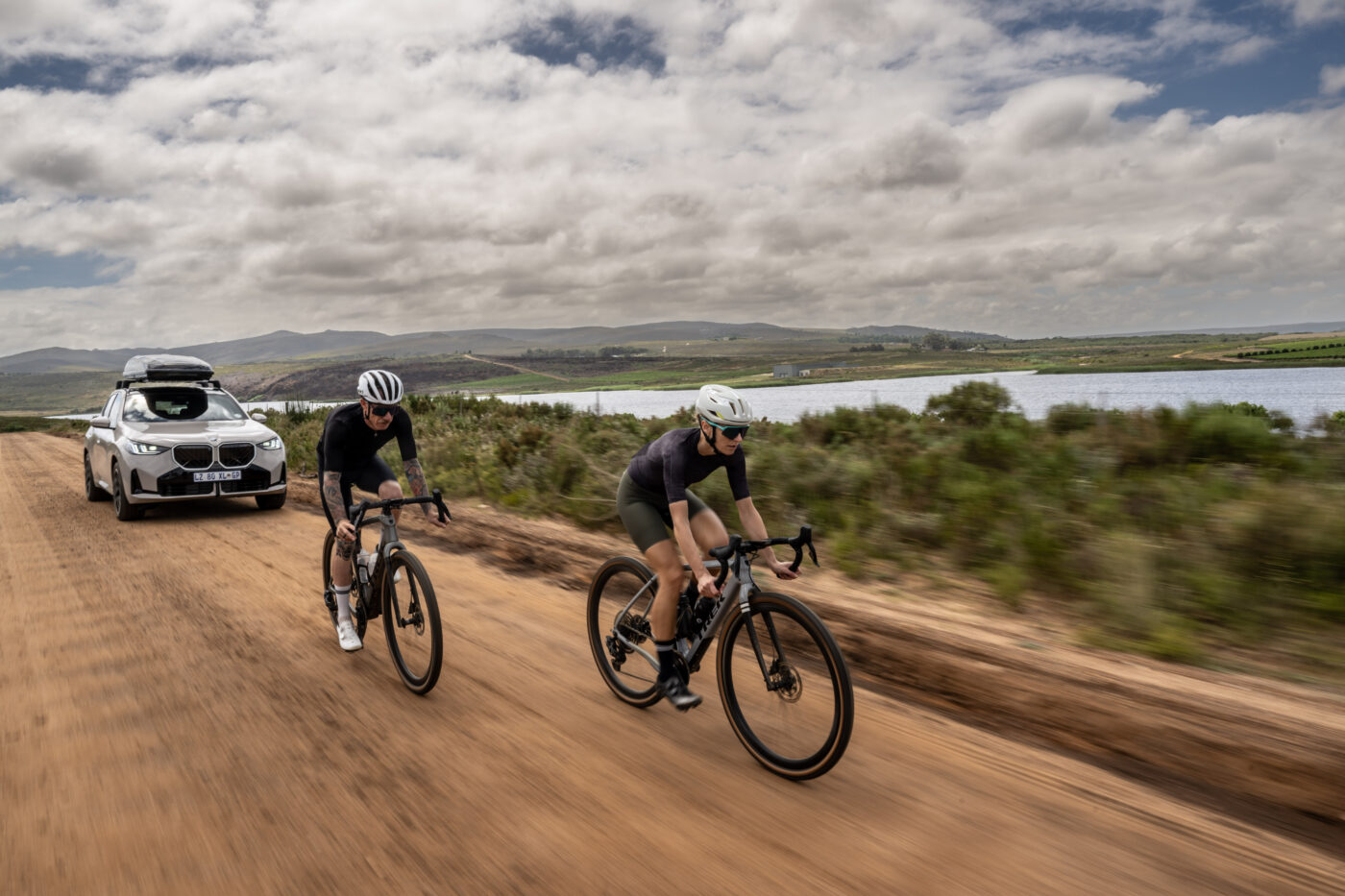
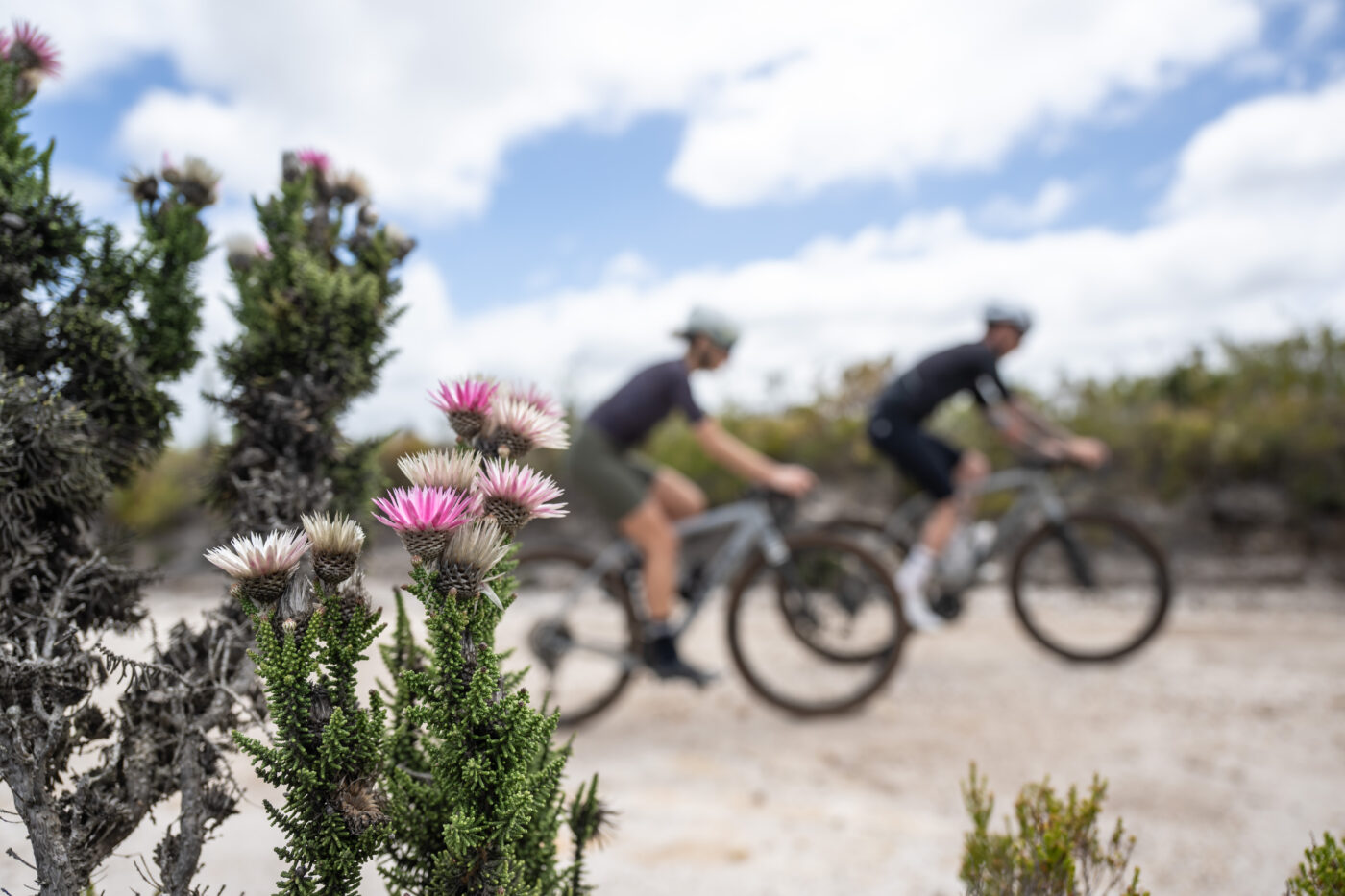
A stint on the tar towards Bardskeerdersbos is a good opportunity to recover before the route hits the infamous white sand of the Agulhas National Park. This is far less sandy than last year, but there are a few sneaky washed out sections to keep a sharp eye out for.
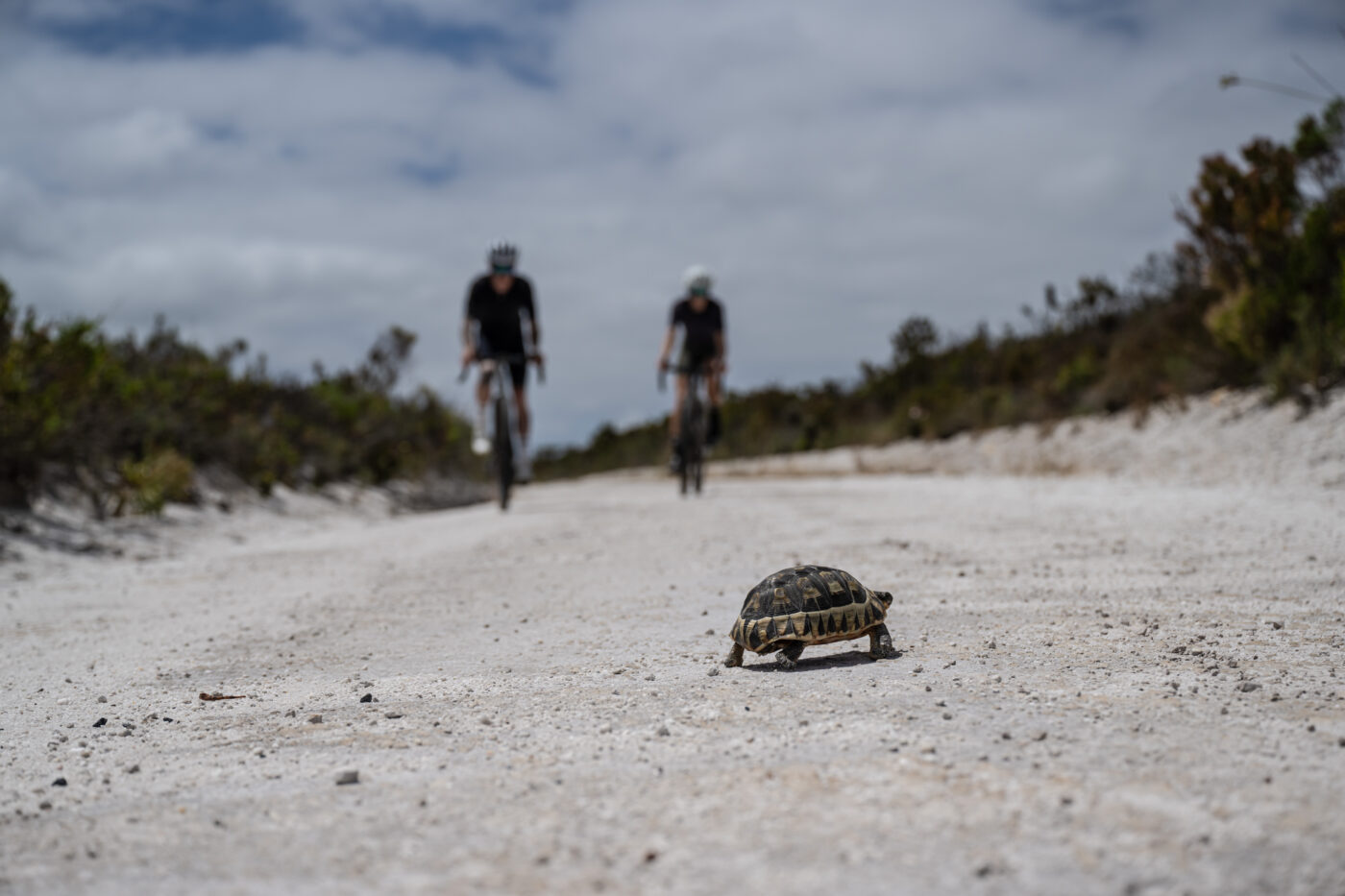
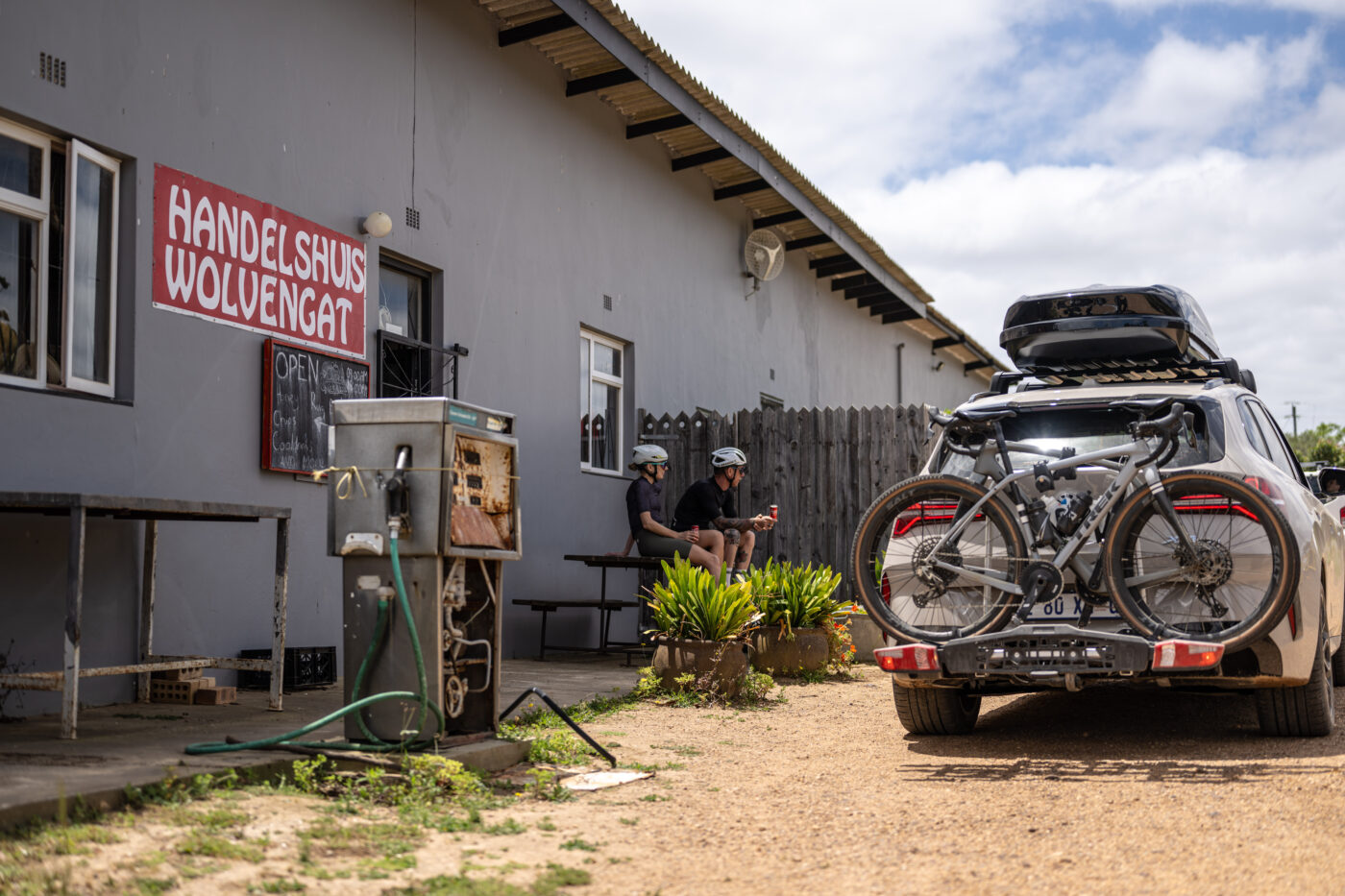
A gentle descent takes you into the small village of Wolvengat. If you have time, the Handelshuis is jam-packed with antique appliances and interesting finds, and well worth a coke and snack stop.
Rolling flats take you to the hundred kilometre mark with the next climb stretching out for ten kilometres. After descending towards the picturesque missionary village, Elim (which is well worth a detour if you are not racing), you’ll climb steadily again until the 138 kilometre mark. A sketchy forested descent will get the adrenaline pumping and then you can look forward to classic Overberg wheat fields and smooth, fast rolling gravel.
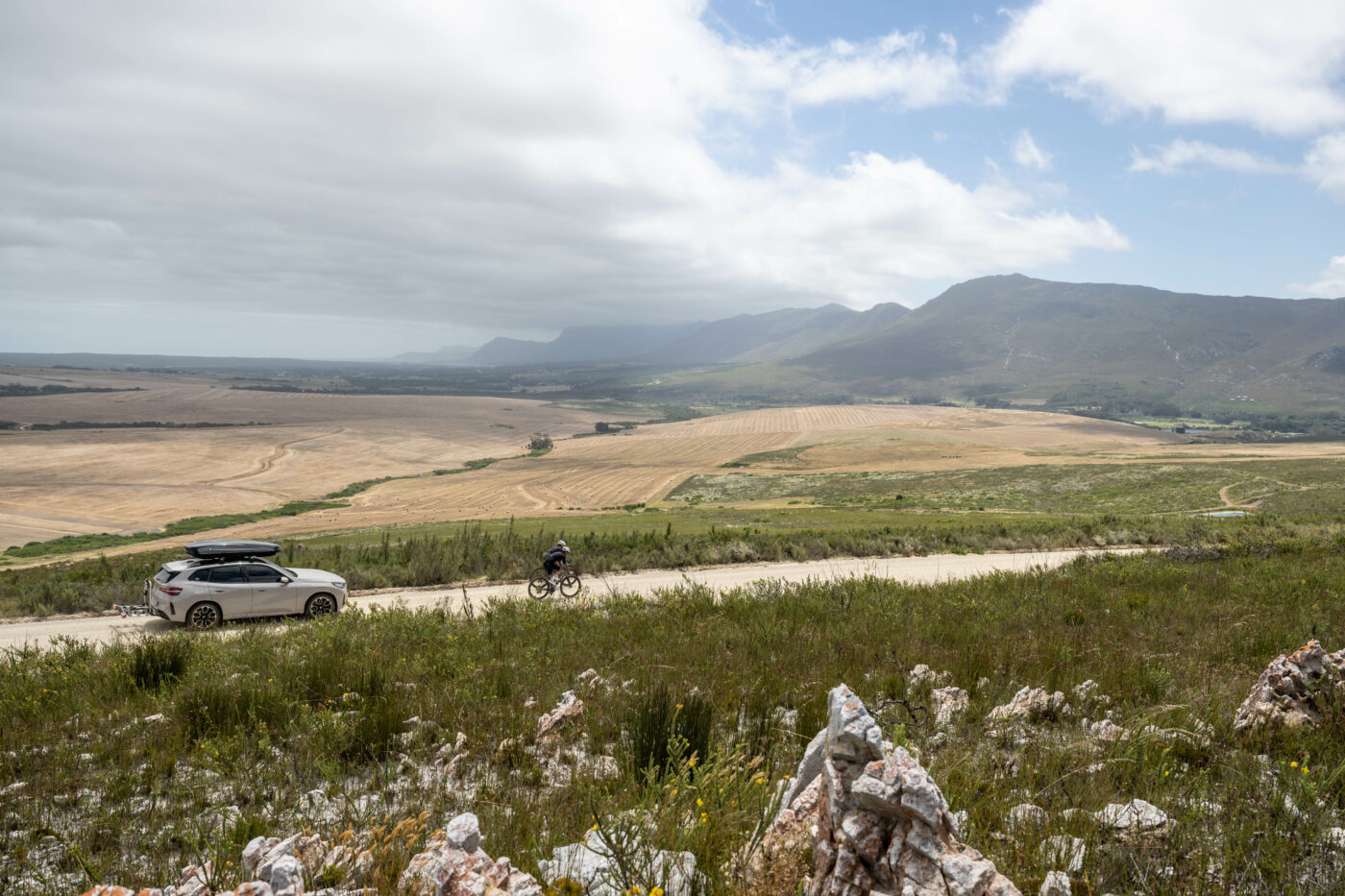
You will climb part of the first major descent of the day before turning right at the top and taking a lovely fast descent towards the R326. Again make time to appreciate the panoramic views all the way to Hermanus on your left.
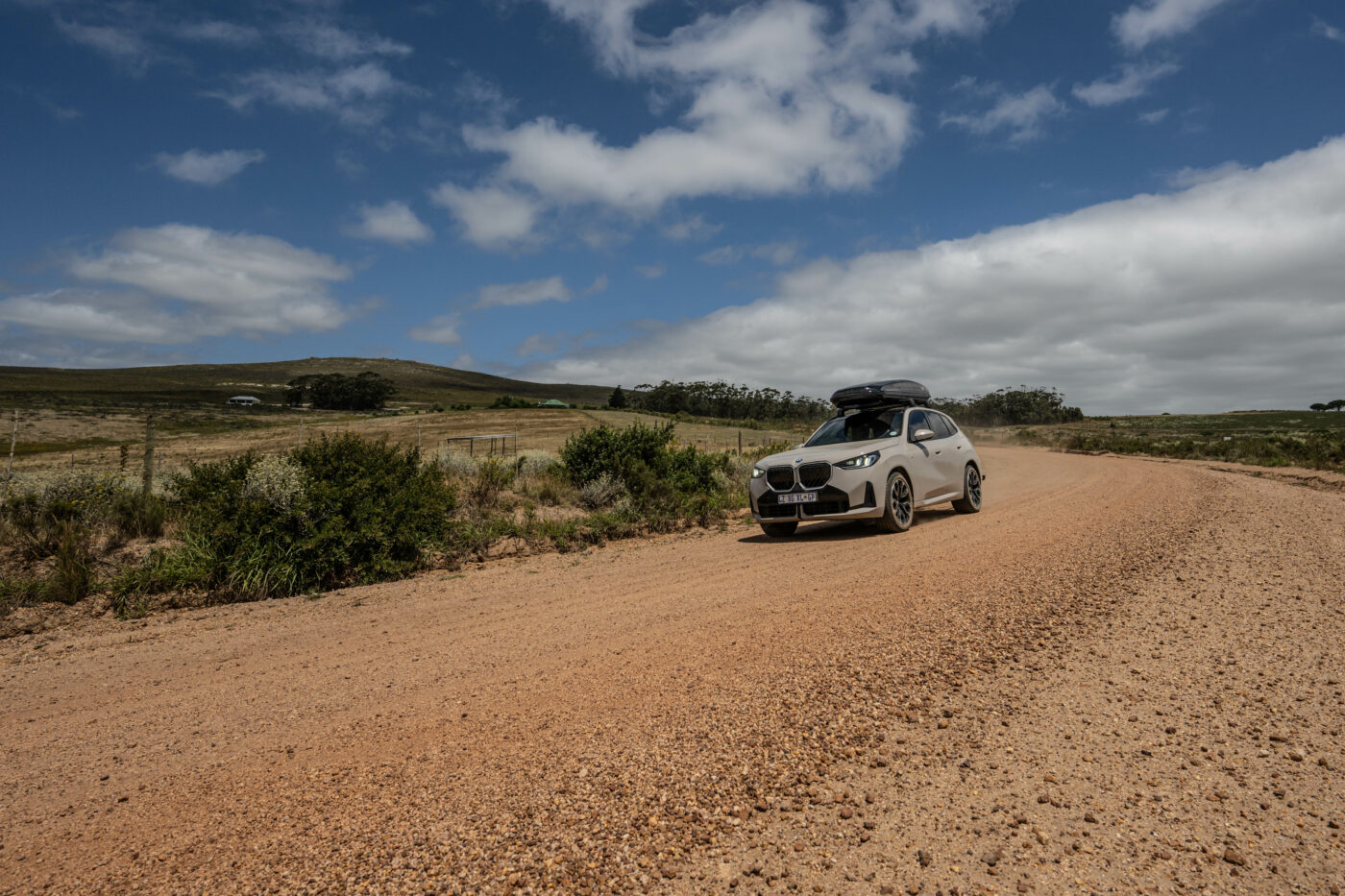
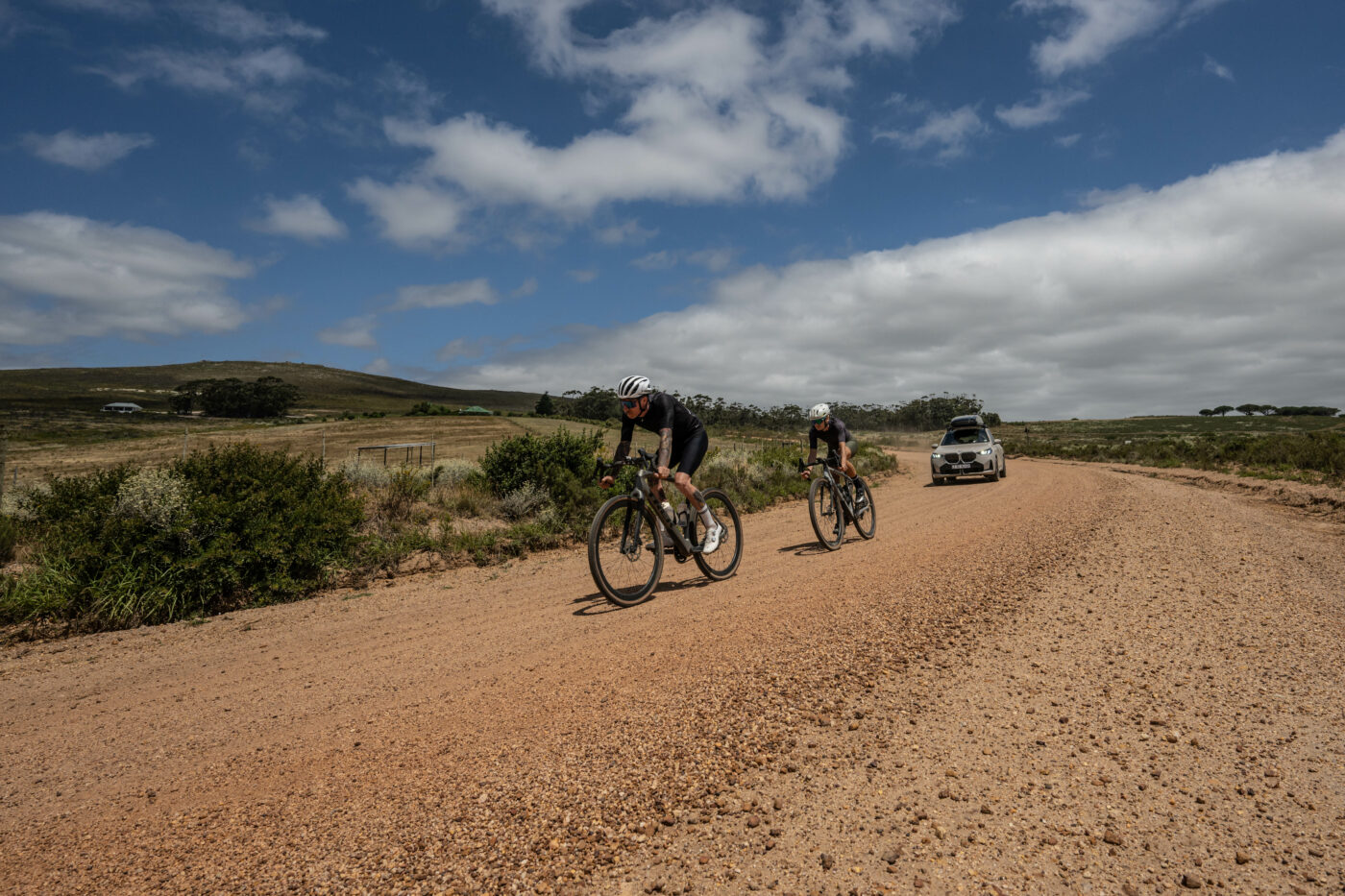
The last ten kilometres feature some punchy climbs and loose surfaces, which are a real test with the 150 kilometres already in the legs. Save some beans for this, you’re nearly back at the stable. Casa Cello at Stanford Hills is a fitting end to a long day on the bike.
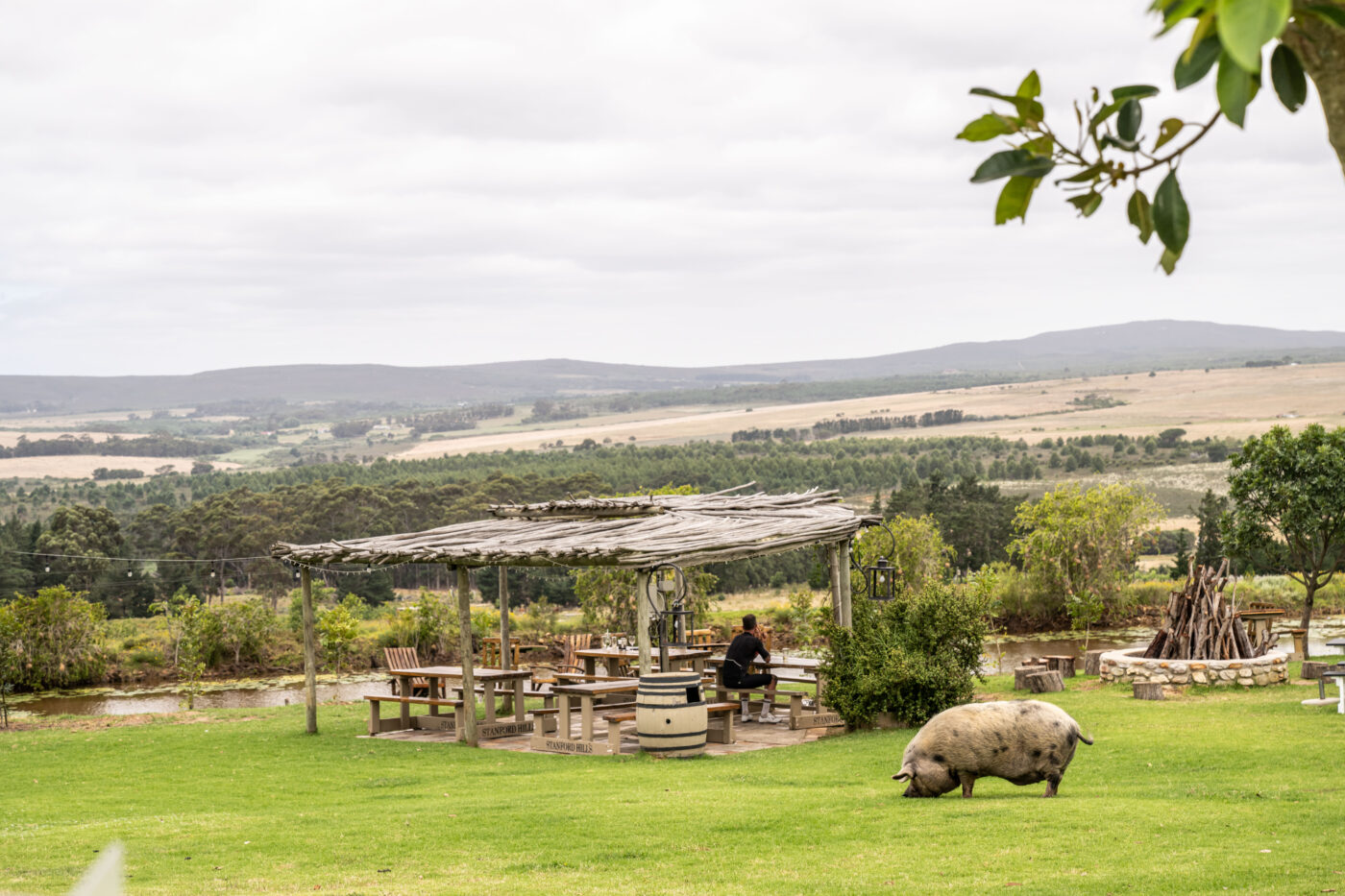
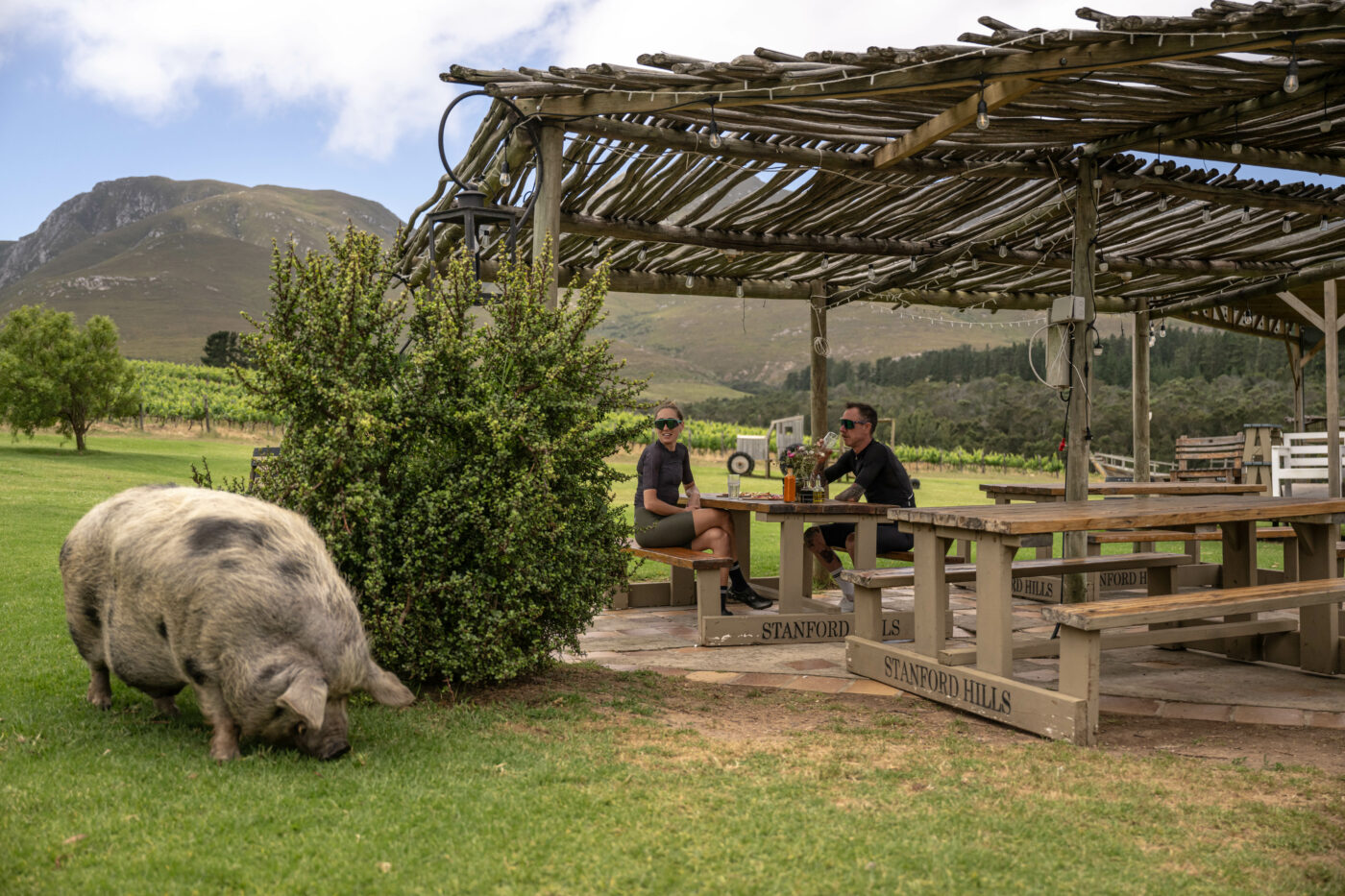
You can download .GPX files for the route HERE, and directions to the start at Stanford Hills HERE. As always, be considerate of other road users, take care and be vigilant.