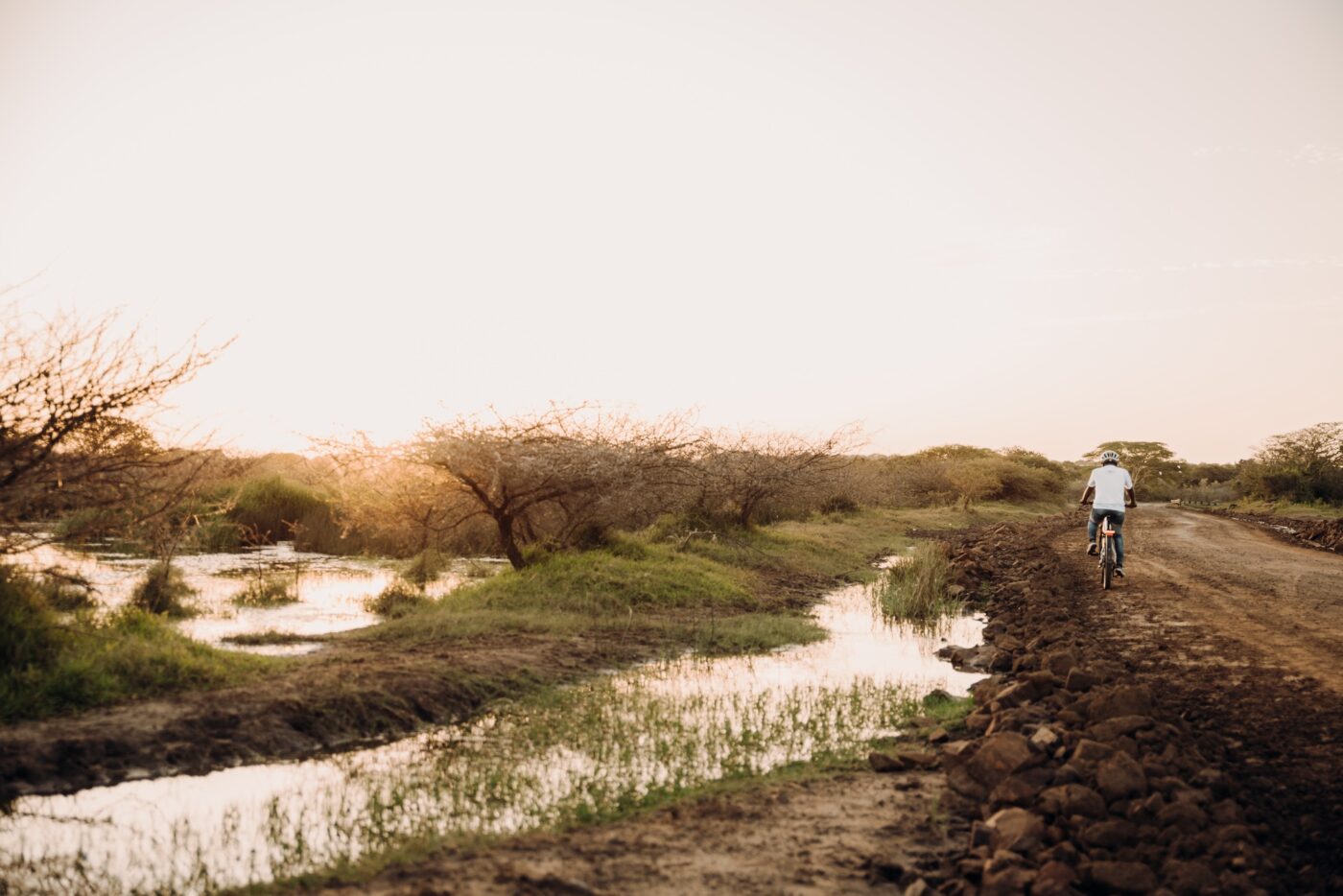
It’s June up in northern KwaZulu-Natal in South Africa. It’s winter, the grass is dry, the bushveld scant. The mornings are cold, but the days warm up beautifully, and the dust of dirt roads pillow in clouds as Sihle Hlabissa pedals his white e-bike on the way to Qomukuphila School. Patch-skinned Nguni cows turn their heads to watch as he passes by. It’s as if even they know an e-bike is a weird thing to be spotting in a poor rural community cushioned between a multitude of game reserves.

Photo: Specialized
Support Wild Bike and WIN a Specialized Tero-X
Specialized’s Soil Searching Initiative and Wild Bike have teamed up to offer a raffle of a Specialized Tero-X. The Tero-X is available in M or L.
Raffle tickets are $10 each, and 100% of donations go directly to maintaining Wild Bikes in the field, either in local communities around conservation areas, or with conservation work within the nature reserves.
The raffle is open from 22 April 2024 and the draw will be done on World Conservation Day, 28 July 2024.
Enter HERE
Although he’s on his way to a school, Sihle isn’t a student. He’s the lead facilitator of the Africa Foundation’s Echo – Environmental Education Programme, which focuses on teaching conservation principles to primary and high school children. Teaching children from a young age enables a positive world view on the environment, and they ‘echo’ what they learn, passing it on to their families and communities. Children are often the best advocates for meaningful causes, so it makes sense to instil a passion for the wild with younger generations. But how exactly did Sihle wind up on a Specialized e-bike eco-modeing his way over 30km from home to the office to schools?
In 2021 a South African family of four packed up their lives into a second-hand Toyota 4×4 and decided to check out of ‘real life’ for a year of overlanding through East Africa. In the car are parents Devlin and Katie Fogg, and their children Josh and Sophia; and they’re about to see first-hand just how tough working in conservation really is.
“It was an incredible adventure for sure, and our kids thrived being out in the wild, home schooling along the way. I guess when you expose yourself purposefully to conservation areas and game reserves for an extended period you truly begin to absorb the benefits. You see positive changes in your children, and you feel them in yourself. You realise how important having wild spaces really is for the health of humankind too”.
The Foggs saw how crucial conservation is for keeping humans, well, human, but they also witnessed the harsh realities that game reserve management face in keeping their businesses afloat. After COVID in particular, budgets were extremely tight, manpower was limited, vehicles and fuel became expensive resources, and conservation’s lifeblood, tourism, had taken a hard knock. In 2021 when international travel opened up again, poaching increased dramatically and South Africa’s rhinos were the animals to take the biggest hit, particularly in privately owned reserves.
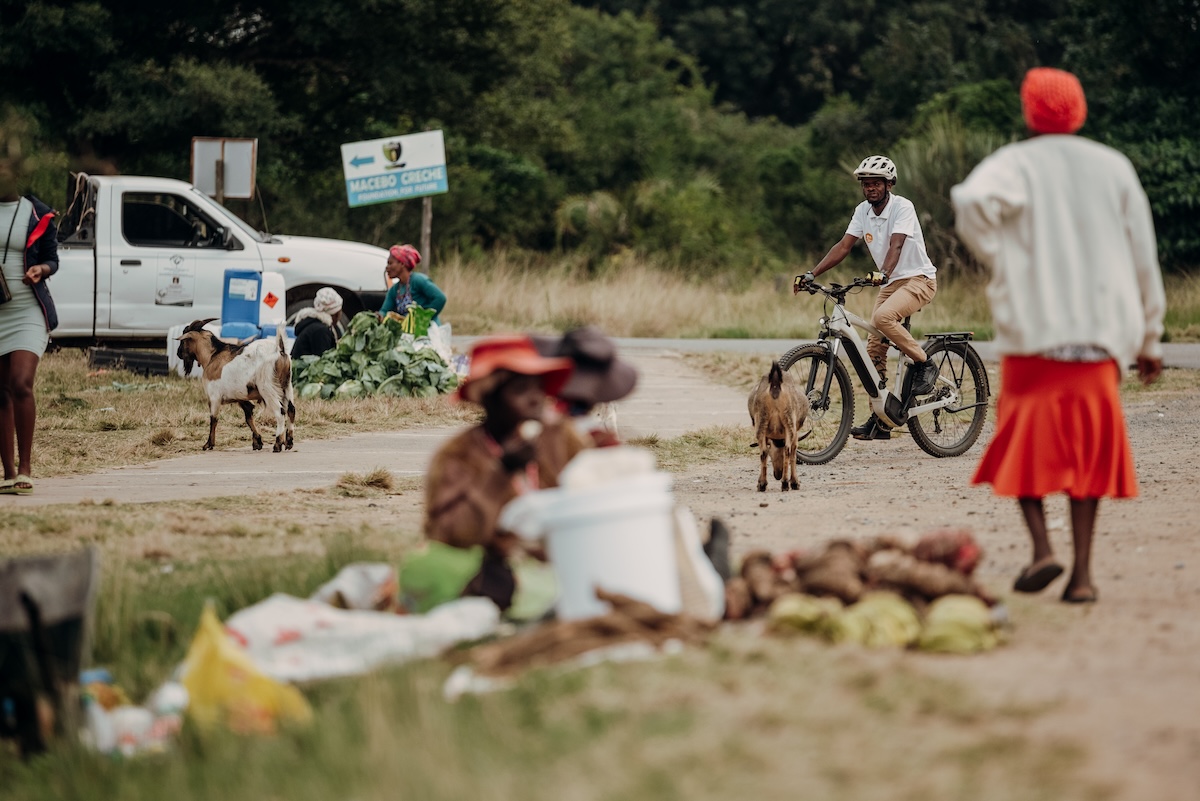
Photo: Specialized

Photo: Specialized
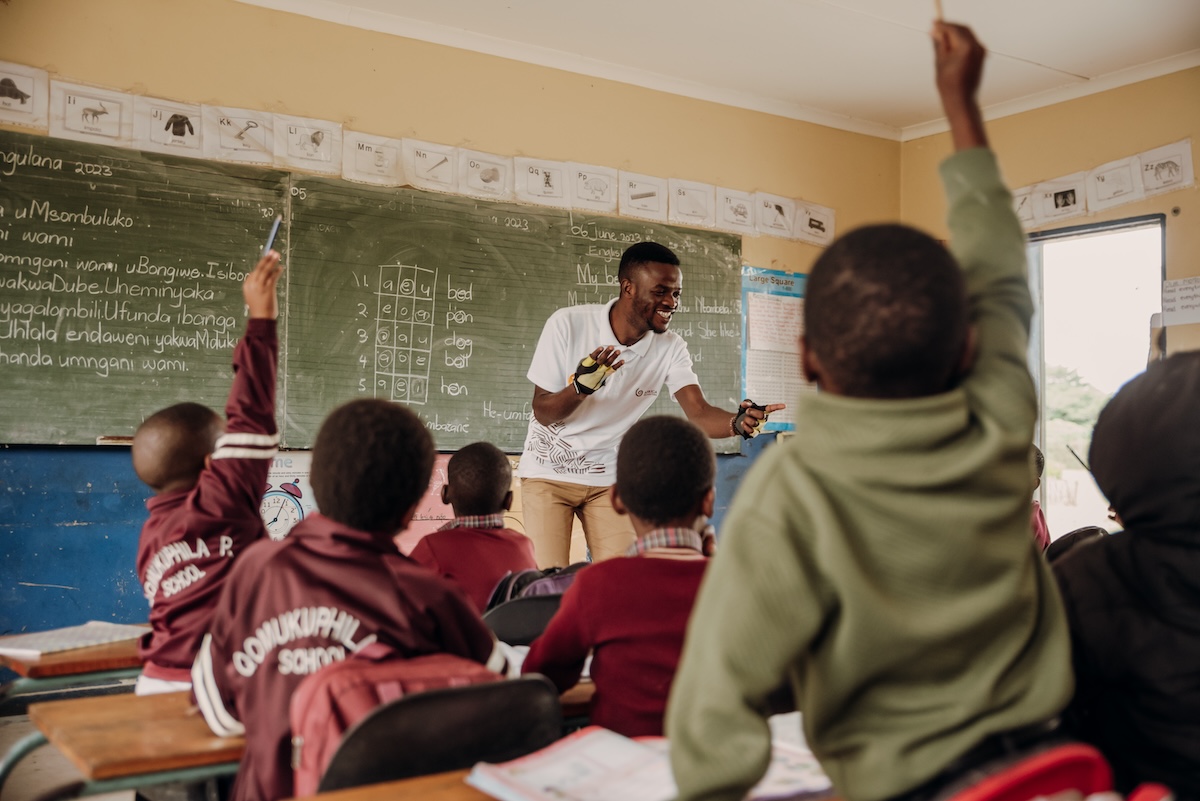
Photo: Specialized
“We got to know the reserve managers in many of the places that we travelled, and they were all facing the same challenges, mostly with poaching and environmental monitoring. They were hamstrung by a lack of resources, and we kept thinking, surely e-bikes could help?”
Fast-forward to mid-2022 with the Foggs (reluctantly) settled back into ‘normal life’ in Howick, KwaZulu-Natal. Devlin was now a man on a mission. The Foggs established the Wild Bike Foundation as a non-profit organisation, aiming to get as many e-bikes into conservation areas as possible ASAP. All well and good, but where would they get bikes from? How would they raise money for them? And how would they know where the bikes were most needed?
Devlin reached out to Specialized Bicycles and contacted Fanie Kok, who is the Global Sports Marketing Trail and Freeride Manager and heads up Specialized’s well-known trail advocacy programme, Soil Searching.
“I will always remember the first call I had from Devlin; it was before Wild Bike even had a name actually. He was calling me from a satellite phone, sitting on the back of the families 4×4 with his wife and kids in the middle of nowhere while an elephant herd was idly making their way past in the plains in front of them, buck were nibbling on grass, birds were singing away” Fanie says smiling widely.
“He shared his vision with me, and it was similar to mine, in how bikes can play a role in making the world a better place, to put it frankly. Bikes can offer so much more than their performance and the pure recreation aspect. While Soil Searching’s mission is to recognise, celebrate and support the unsung heroes of mountain biking, which means supporting trail builders, the underlying theme behind all of that is our connection to our natural environment. And with that things like conservation come into play, as well as climate change and social upliftment. After our initial discussions where our common visions clicked into place, the stoke was very high. When the Wild Bike Foundation was formalised, we got onto sourcing bikes and getting them into the field for testing”.
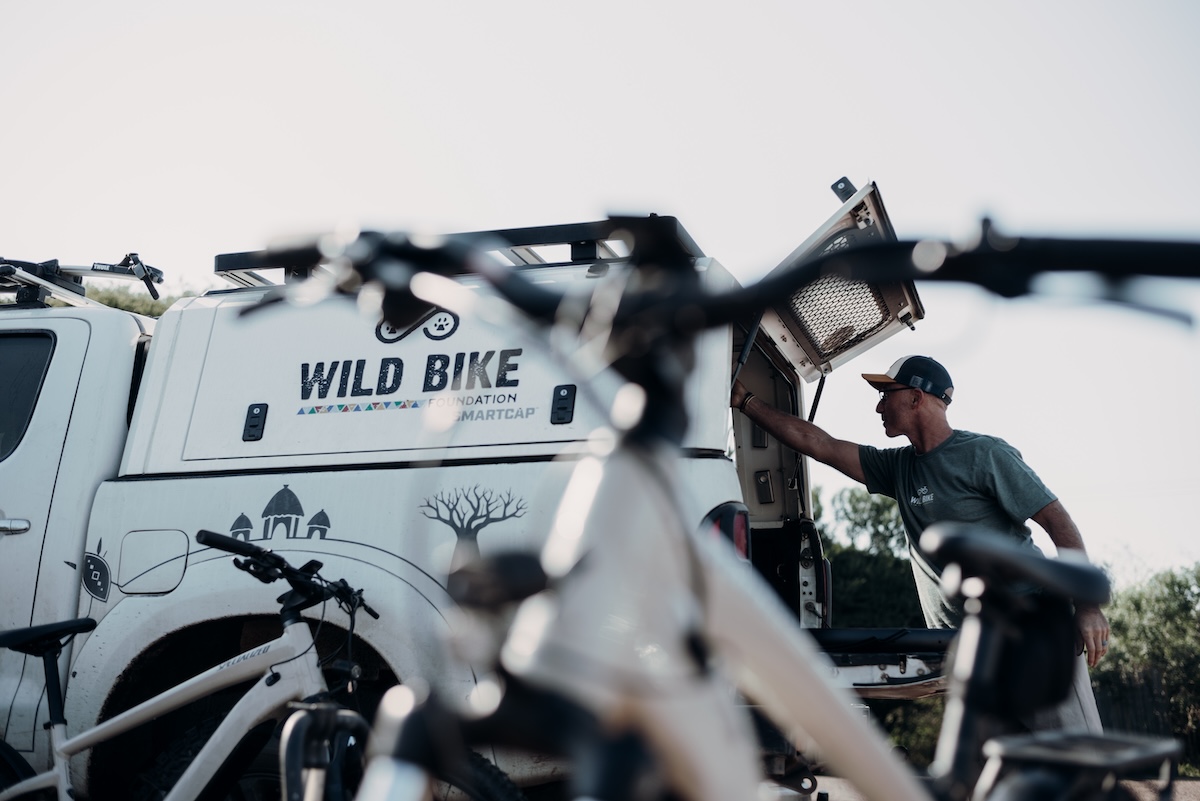
Photo: Specialized
Specialized’s focus on conservation and the environment isn’t new and comes through in their work with trail advocates like ex-racer turned geologist film-maker Manon Carpenter, her latest film being Winds of Change which focuses on the severe climate change driven storms that impacted Scotland in 2021 and 2022. Crossing the globe to Tanzania, Specialized worked with Red Knot Racing to generate funds for anti-poaching activities and social development through the Kilimanjaro to Lake Natron race. Wild Bike made an ideal next step for Specialized to be even more directly involved with on the ground conservation efforts in South Africa.
With the support of Specialized behind Wild Bike, the next step for Devlin was figuring out where the bikes were needed. “The key thing for me was not to try and reinvent the wheel. I didn’t want to be just another NGO starting a whole project from scratch when there are quality people and institutions who have already got excellent programs running with good infrastructure on the ground. Rather, our model was to act as a plug-in to those projects by providing a helpful tool and supporting that tool. Our aim was to find partners with the same end goals as Wild Bike, which is conservation and community development”.
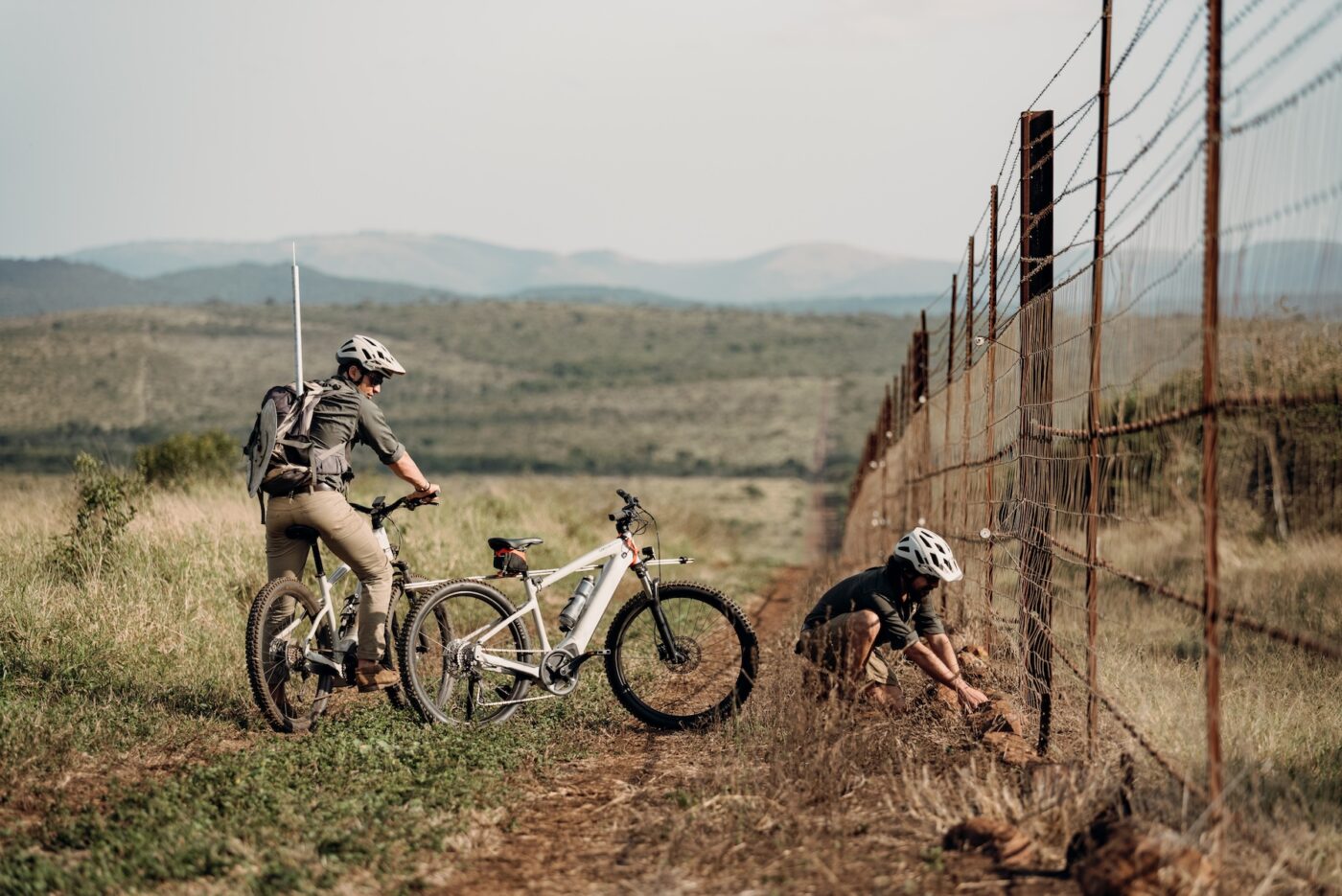
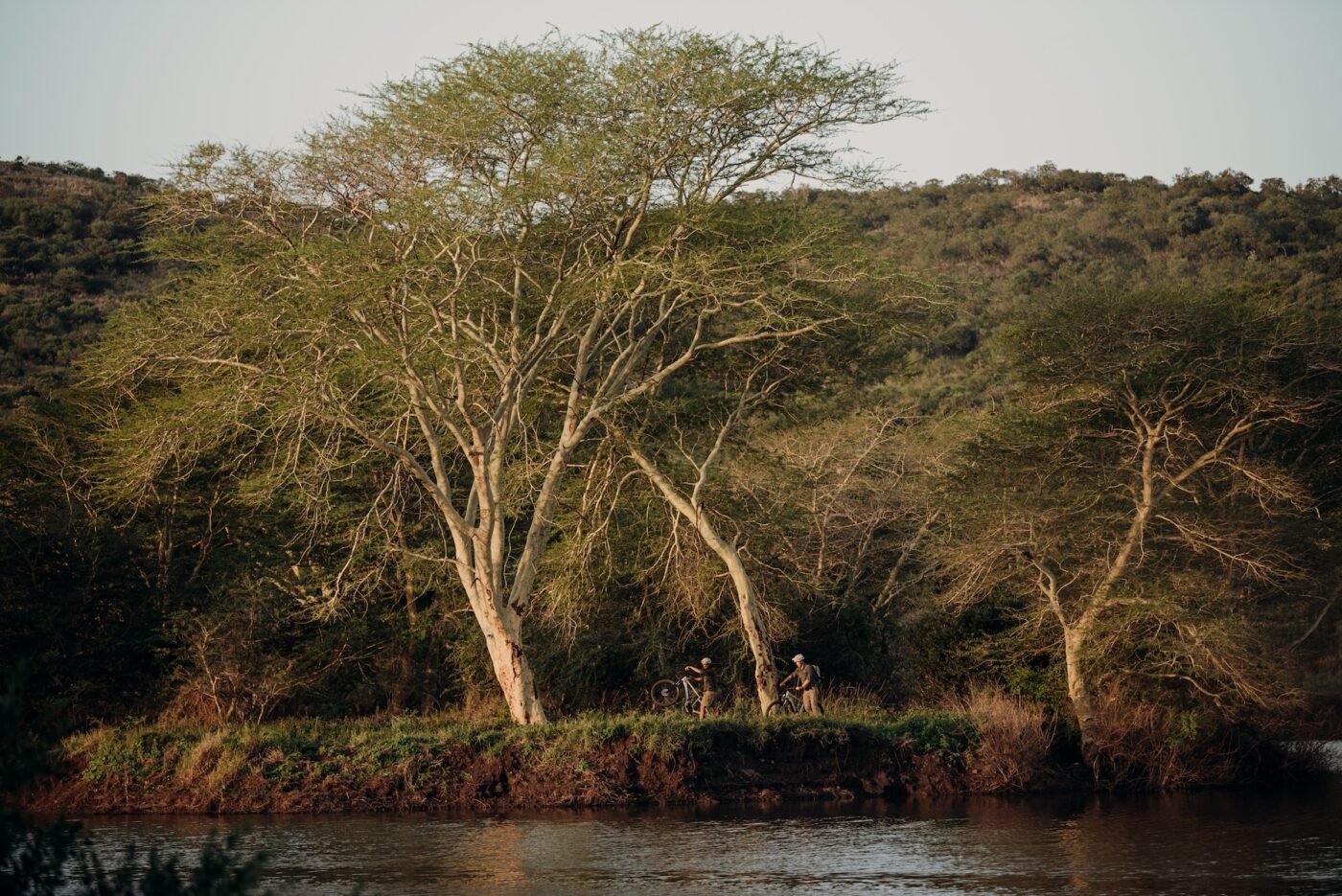
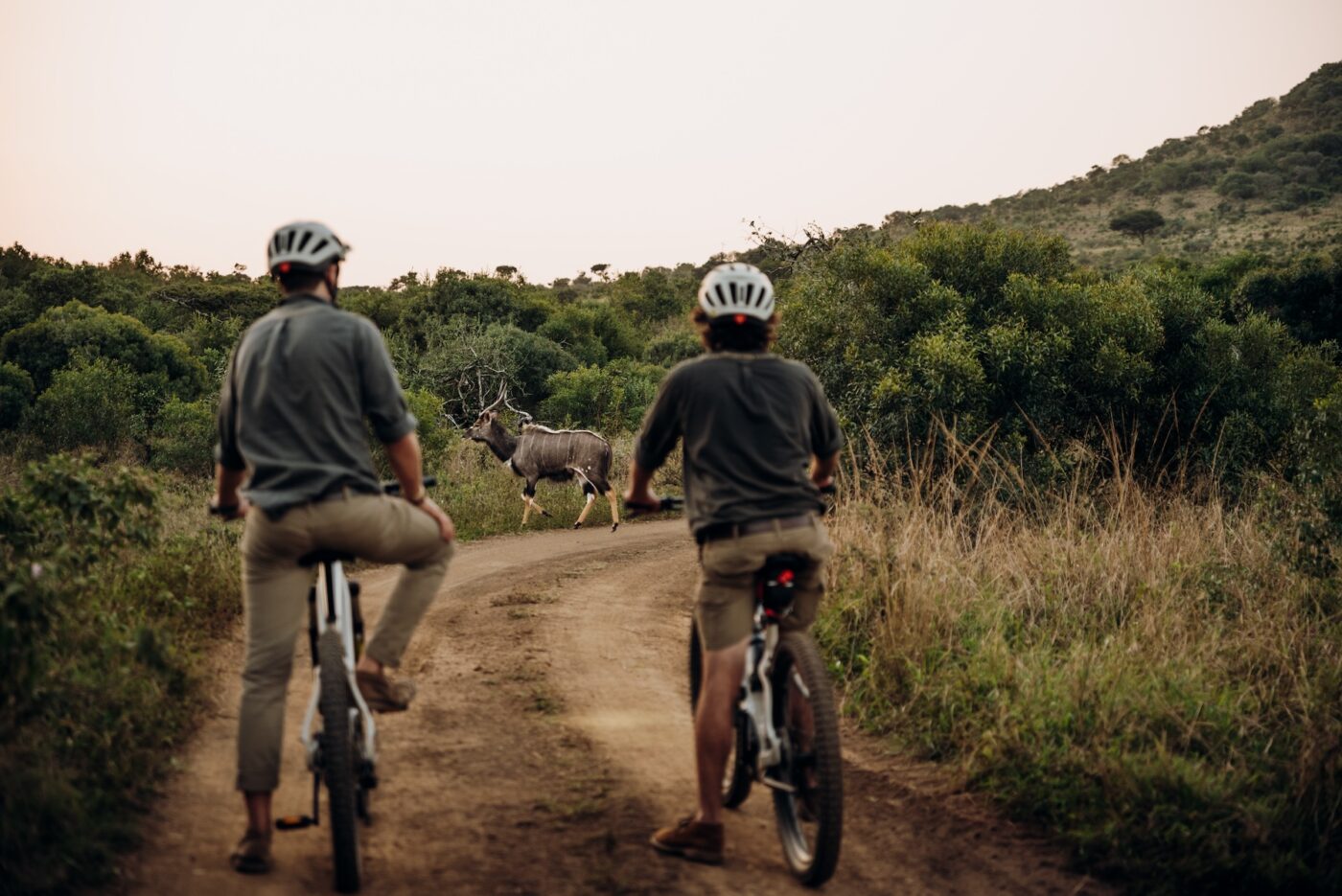
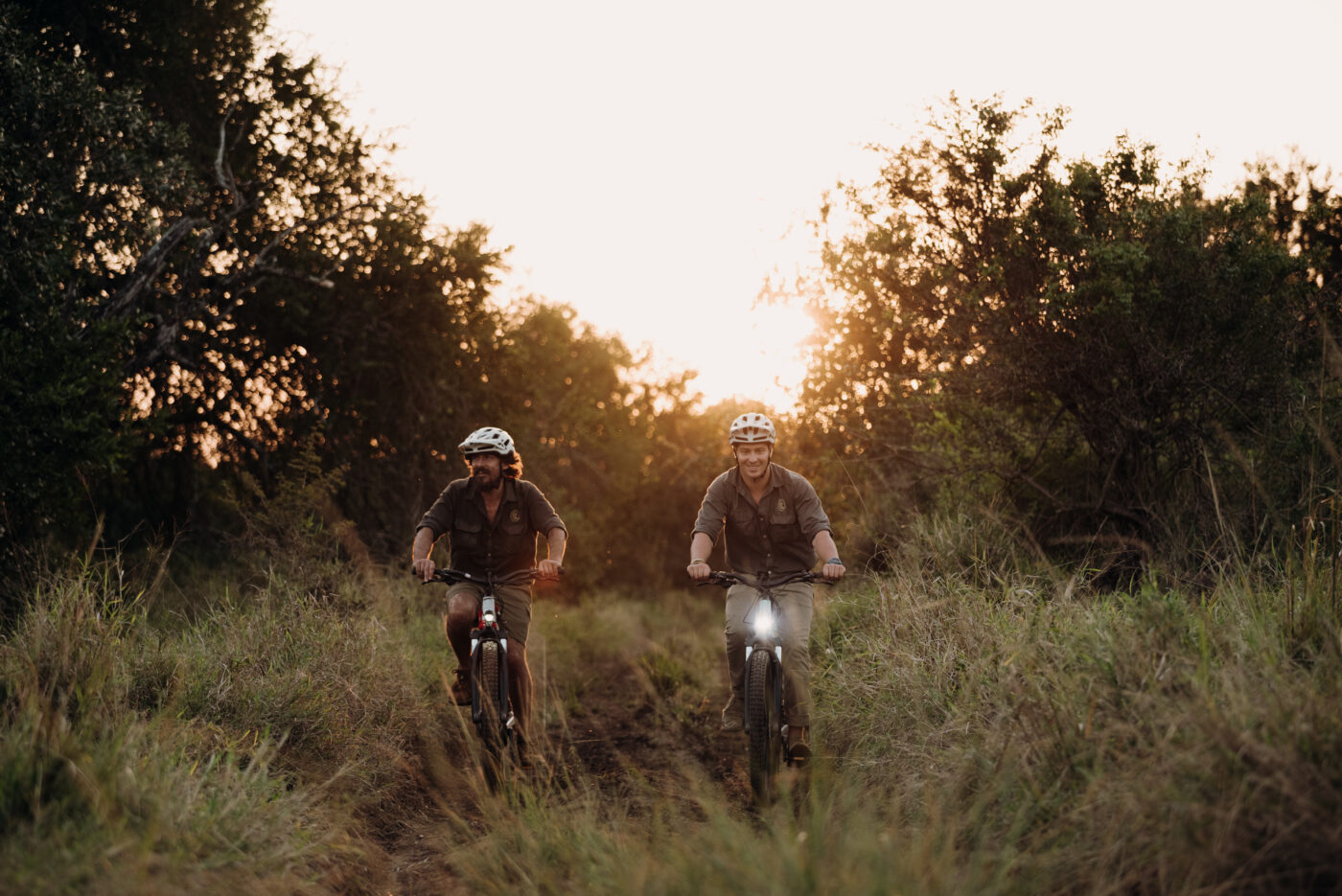
Using this approach, Wild Bike worked with Wild Trust to place bikes at Somkhanda Community Game Reserve where they are being used primarily for fence patrols and anti-poaching activities. Similarly, with purpose-led travel company andBeyond and the Africa Foundation who are their non-profit community development and conservation partner, bikes were placed at the 29 866-hectare Munywana Conservancy, where they are used for habitat management work.
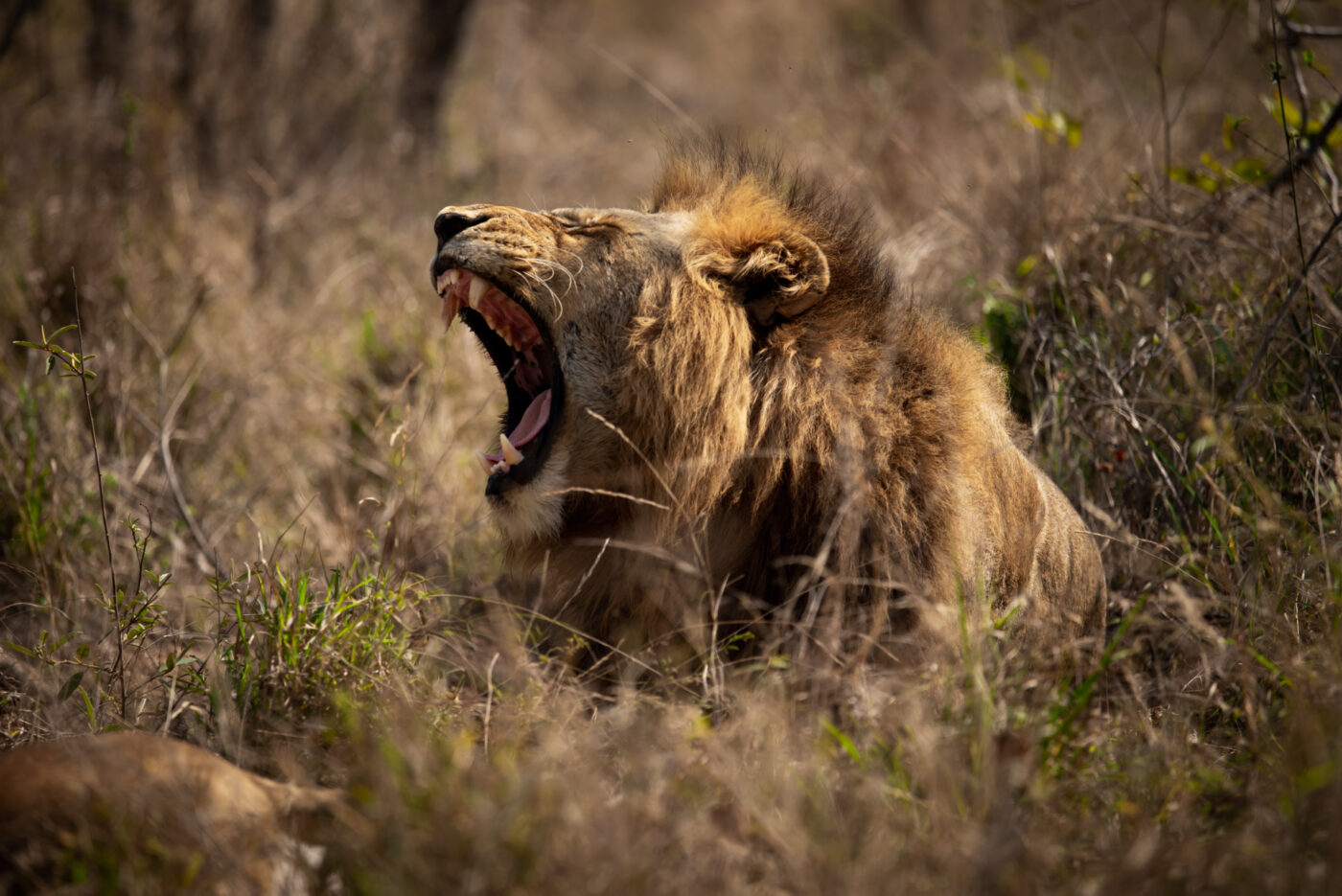
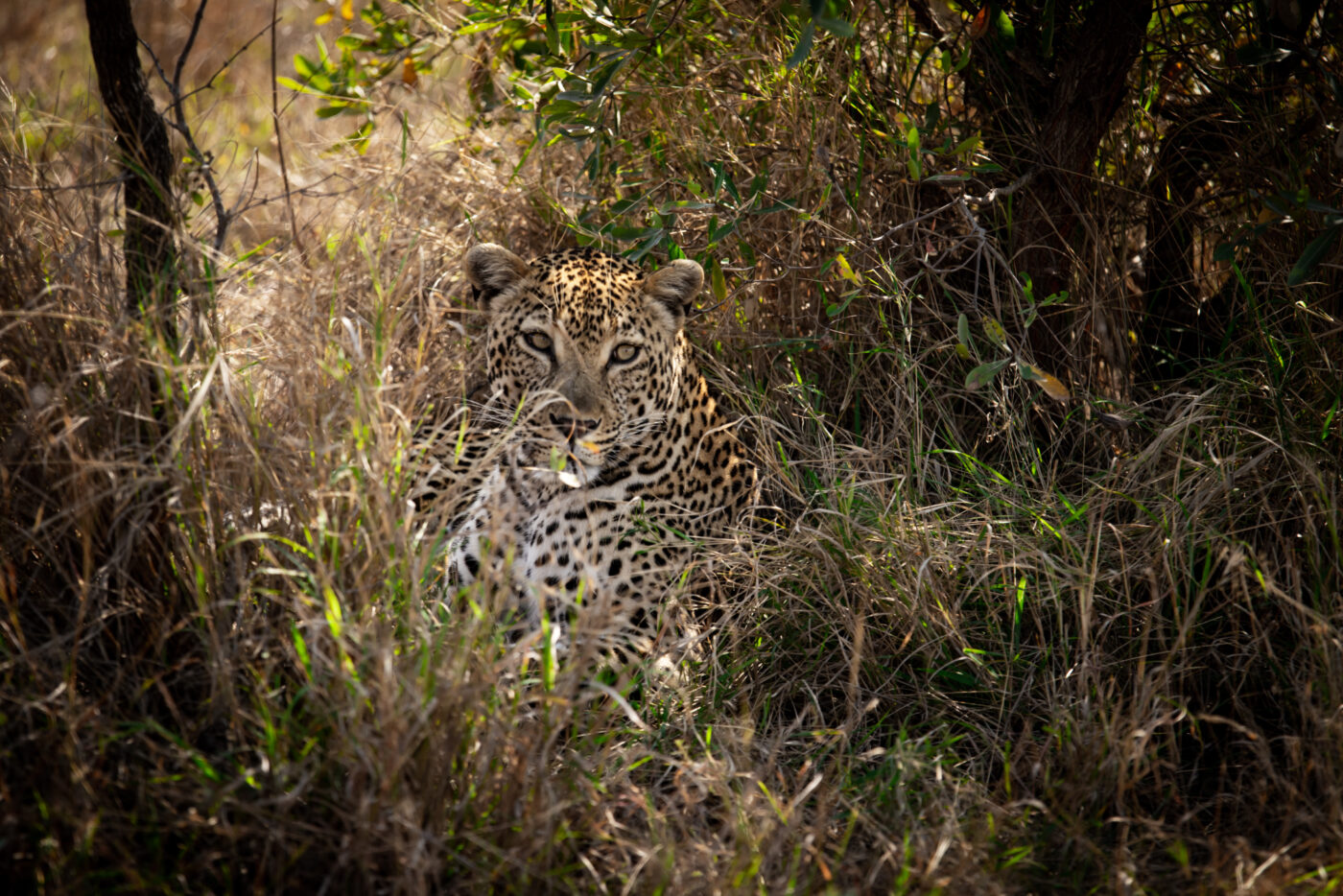
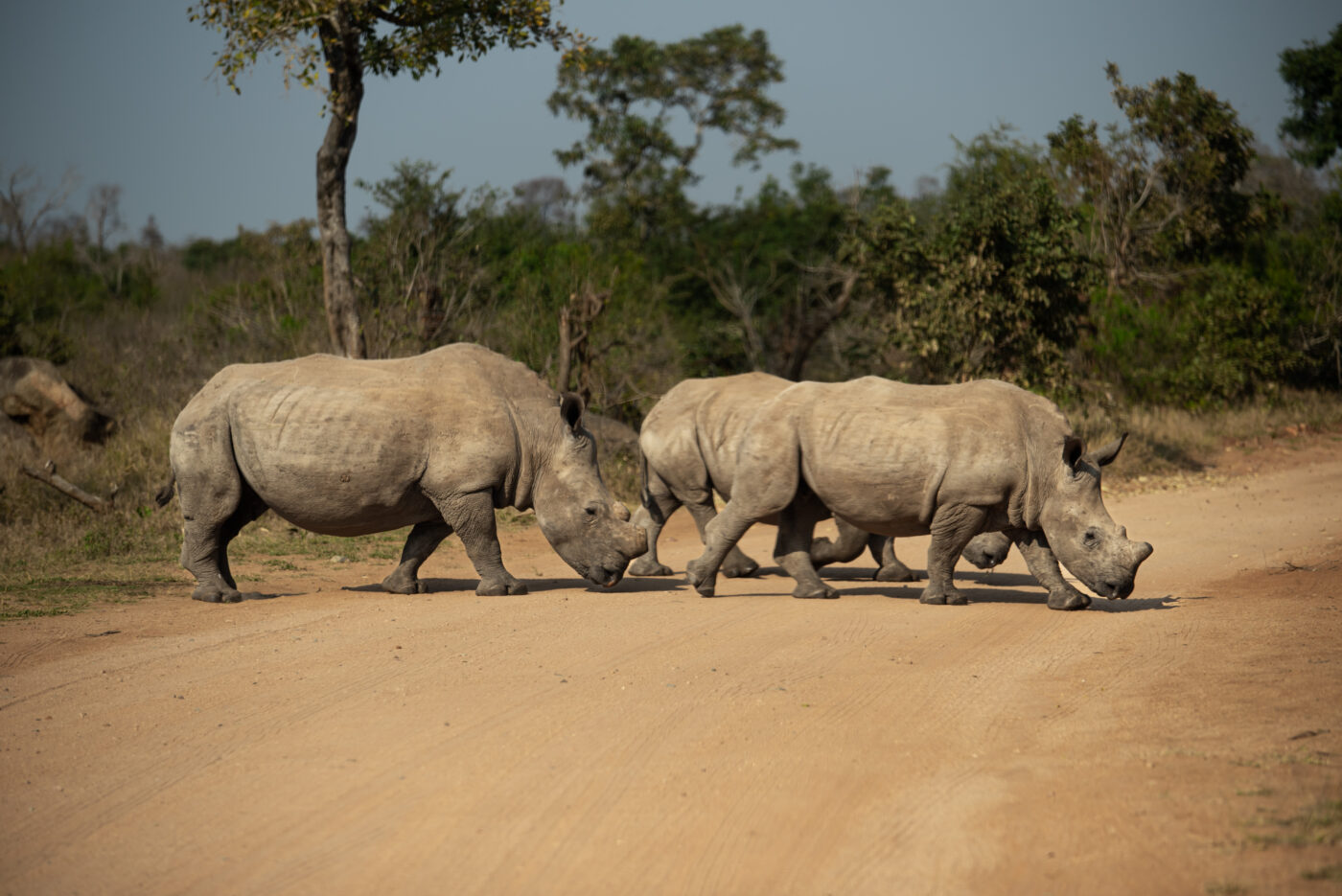
Photo: Specialized
Photos: Specialized
The Africa Foundation are an important part of the puzzle for Wild Bike, as even though supporting conservation activities is key to Wild Bike’s mission, it is equally important that attention be paid to community extension work. Africa Foundation runs several conservation and community development projects in six African countries, creating partnerships with people living in or around protected areas. The andBeyond lodge footprint extends across Africa, and the needs of the communities living in or around reserves are different, requiring unique projects to be collaboratively developed. Zooming back in on north-eastern KwaZulu-Natal, sustainable job creation through small business development, and environmental awareness and understanding, are two focus areas that Wild Bike can help with.
Which brings us back to Sihle on his e-bike, weaving between cows on his way to schools dotted around rural Zululand.
“I work for Africa Foundation under the Echo programme, and I facilitate the implementation of environmental education lessons at schools in KwaMnqobokazi, KwaNibela and KwaMakhasa communities. We’ve been running the programme as Facilitators for three years, and we’ve grown from working with one school to 49 schools in KZN” Sihle explains. “It is very important for us to bring back the relationship between our young people and the environment to be able to conserve nature for future generations and even those who may be blind to its importance now”.
Echo has helped facilitate over 23 000 curriculum-based conservation lessons in Africa, each learner experiences two field trips into reserves per year, and there are over 23 participating communities in three countries. This is important work which can even influence the career paths of students to study conservation down the line. The distances Sihle travels to schools and work are not insignificant as he has thirty people that he oversees and supports.
“I plan my work every morning and typically I visit at least one to two schools per day for site visits. I also spend a lot of time at the office to complete Echo related work. All this travelling means my e-bike makes a huge difference to me. Before I received the bike I walked and tried to catch lifts, which meant it was hard to predict exactly what time I could get to the schools to work with the principals and Echo Stewards. There is also a real sense of dignity to riding a bike instead of rushing by foot to get from place-to-place, and this gets attached to the environmental education side of the work too. It is attractive to the kids, and the bike makes people interested to hear about my life’s journey and why I am so passionate about conservation”.
Turning to the other critical need of earning a living, the Africa Foundation runs the Hustle Economy programme, which was launched in April 2021 in Maputaland, and was extended to the Greater Kruger in October 2021. The aim of the programme to support people who had been badly affected by the Covid pandemic with business skills training and mentorship. The programme works with a network of community-based facilitators, and recruits roughly 90 emerging micro-entrepreneurs every year. The people who join the programme are referred to as ‘hustlers’ or ‘hustle-preneurs’ (due to the popularity of the term side-hustle), and they attend three months of classes, two four-hour classes a week.
Photos: Specialized
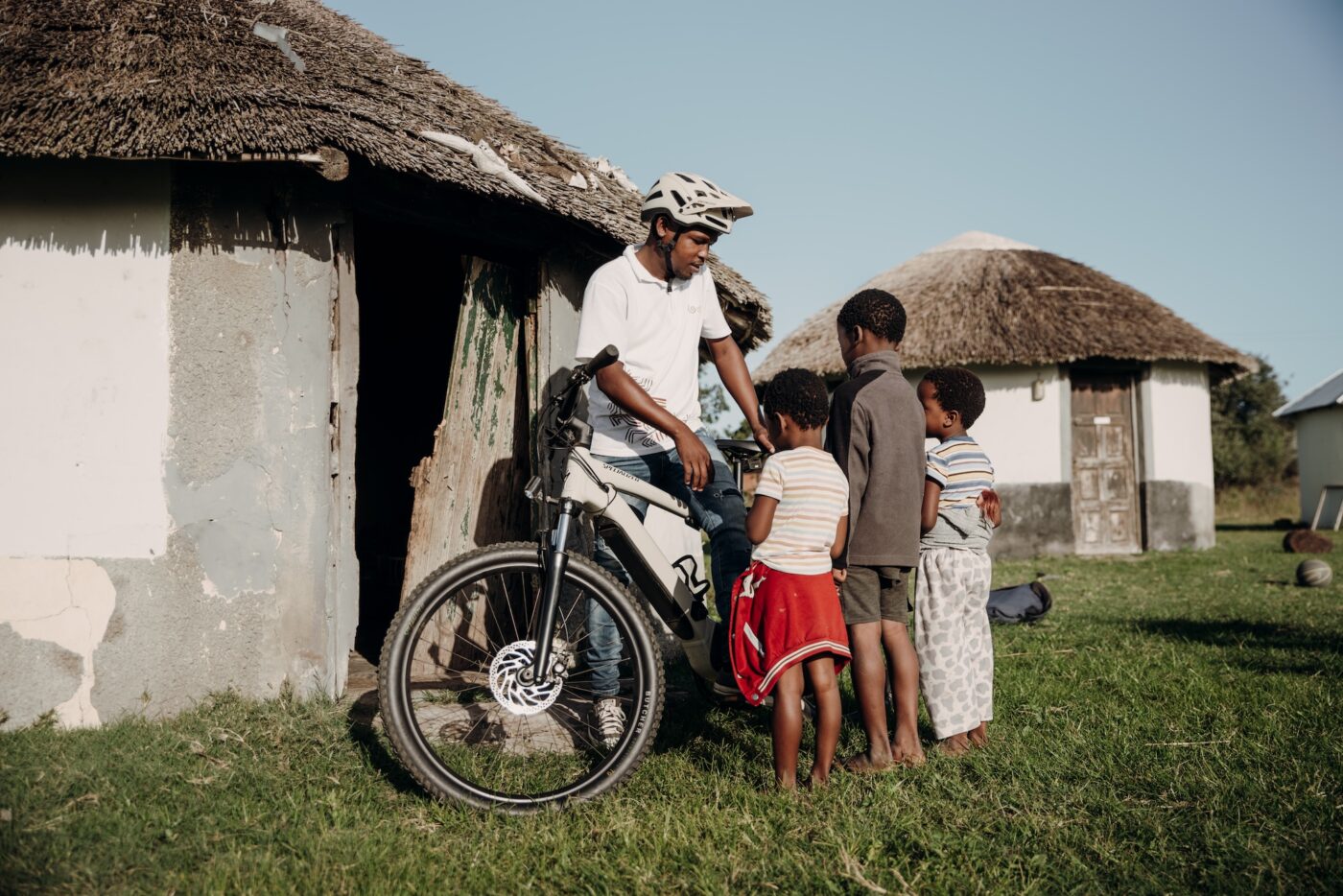
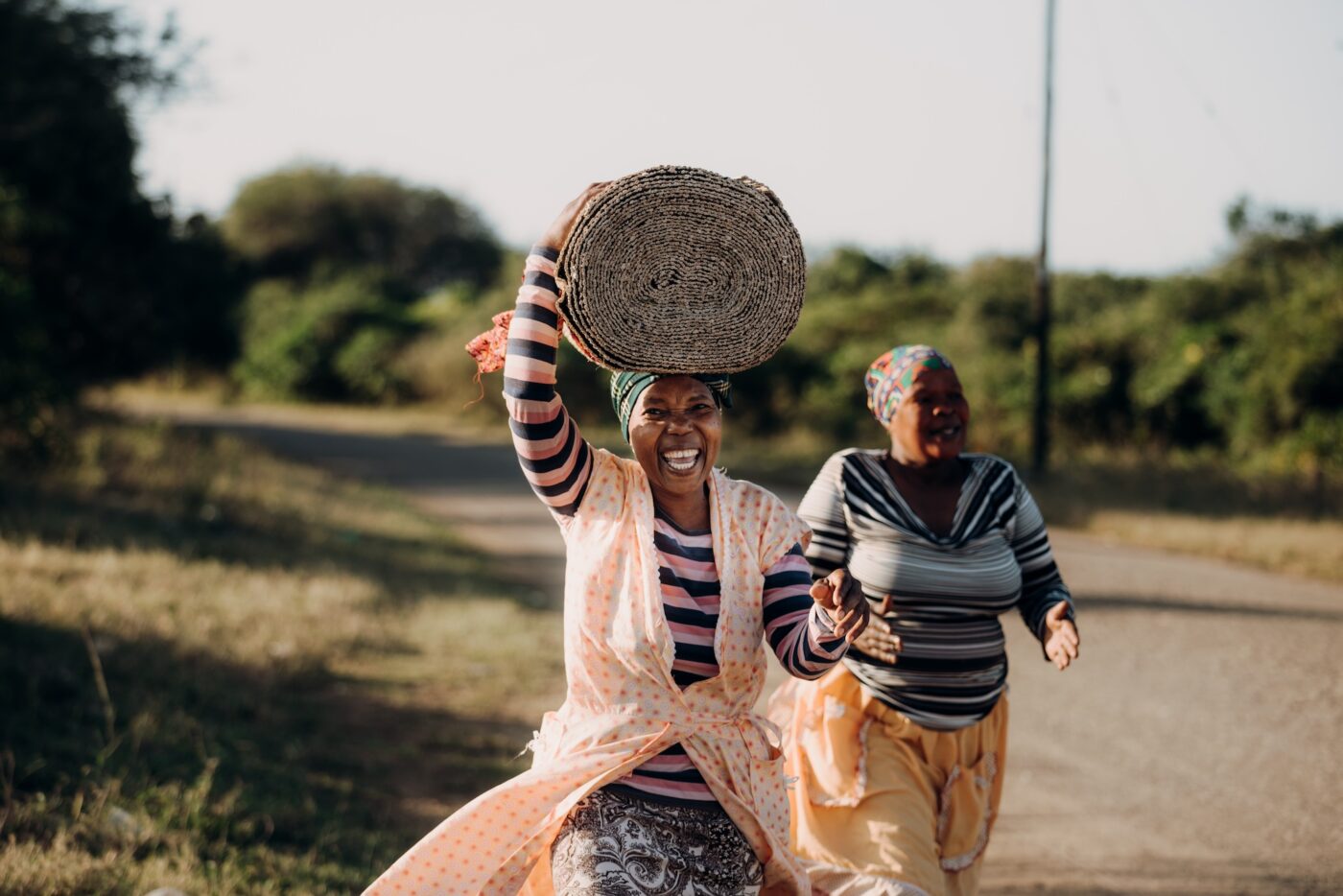
Photo: Specialized
“Each community has a different facilitator teaching them, and they build up skills like financial literacy, basic accounting, bookkeeping, marketing, how to find your niche, even logistics is covered” says Tanya Dobson, research fellow and consultant at the Africa Foundation. “When the classes finish the hustle-preneurs go off to develop their businesses and are mentored by a facilitator who helps them trouble shoot along the way. They are monitored for nine months, with a small amount of funding to help them for that year. Then we take in the next cohort of 90 people. It is an ambitious programme in terms of the number of people coming through, but the success rate has been high. Most of the hustlers are still running their businesses and we hire some of them for things like cakes, clothes mending, and embroidering of logos for the lodges”.
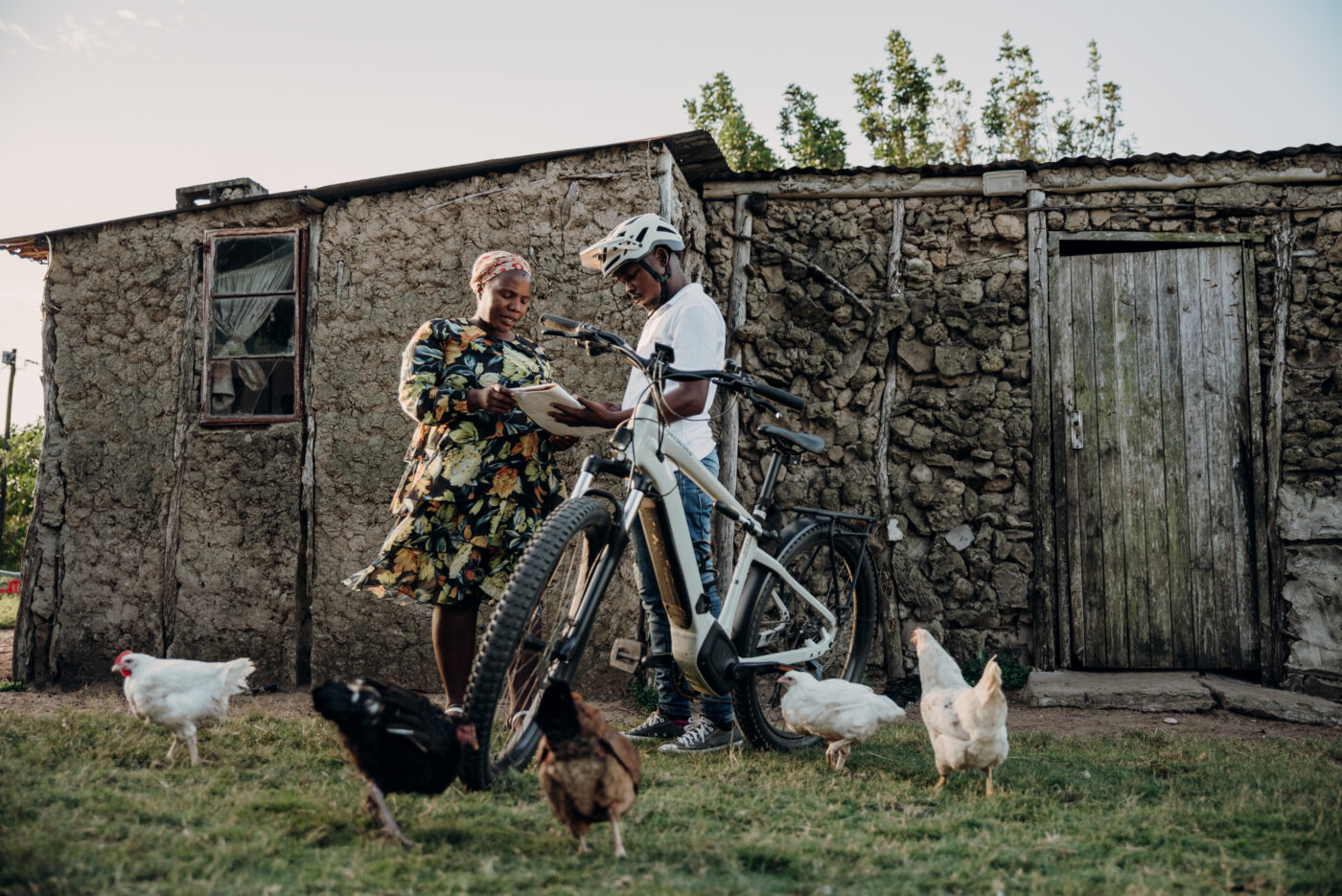
An e-bike has been placed with the Hustle Economy programme and is ridden by Anele Nxumalo, one of the senior facilitators of the project. This has helped him greatly in supporting the hustlers of the KwaNibela area, whether he’s talking to women selling vegetables on the side of the road, visiting a single Mom who has started rearing and selling chickens, helping check the books at a spaza store or visiting a bustling sewing business making school uniforms, the bike helps him get around quickly and efficiently instead of thumbing lifts and waiting ages for taxis. Ultimately, this means he can help more people earn money, and in a country with a 32.6% unemployment rate this impact can’t be understated.
We know the e-bikes have been undoubtfully successful in community extension work, work which has had a significant impact on the local economy, but how have they fared in the rather harsh conditions of the Zululand bushveld in the conservation and anti-poaching context?
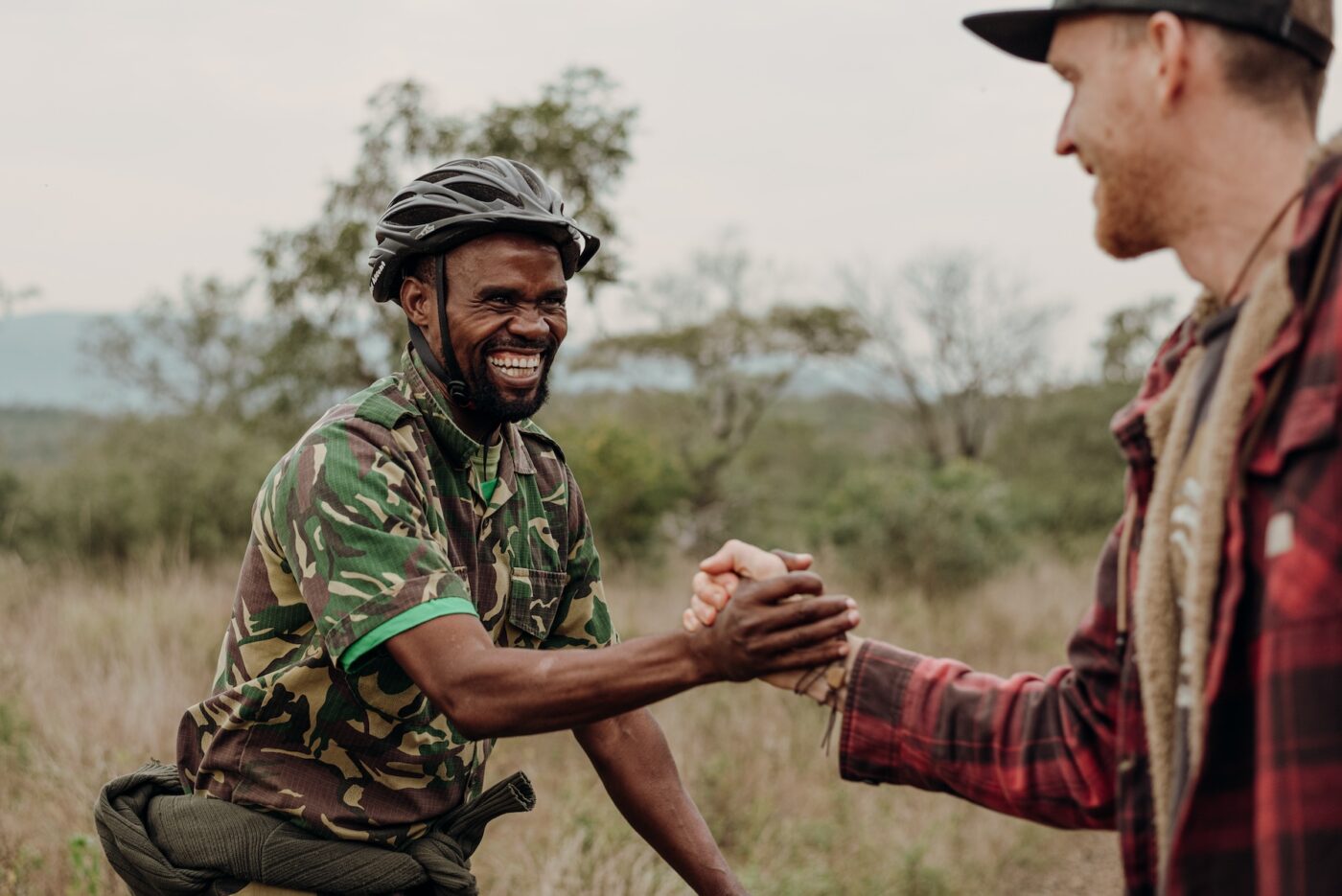
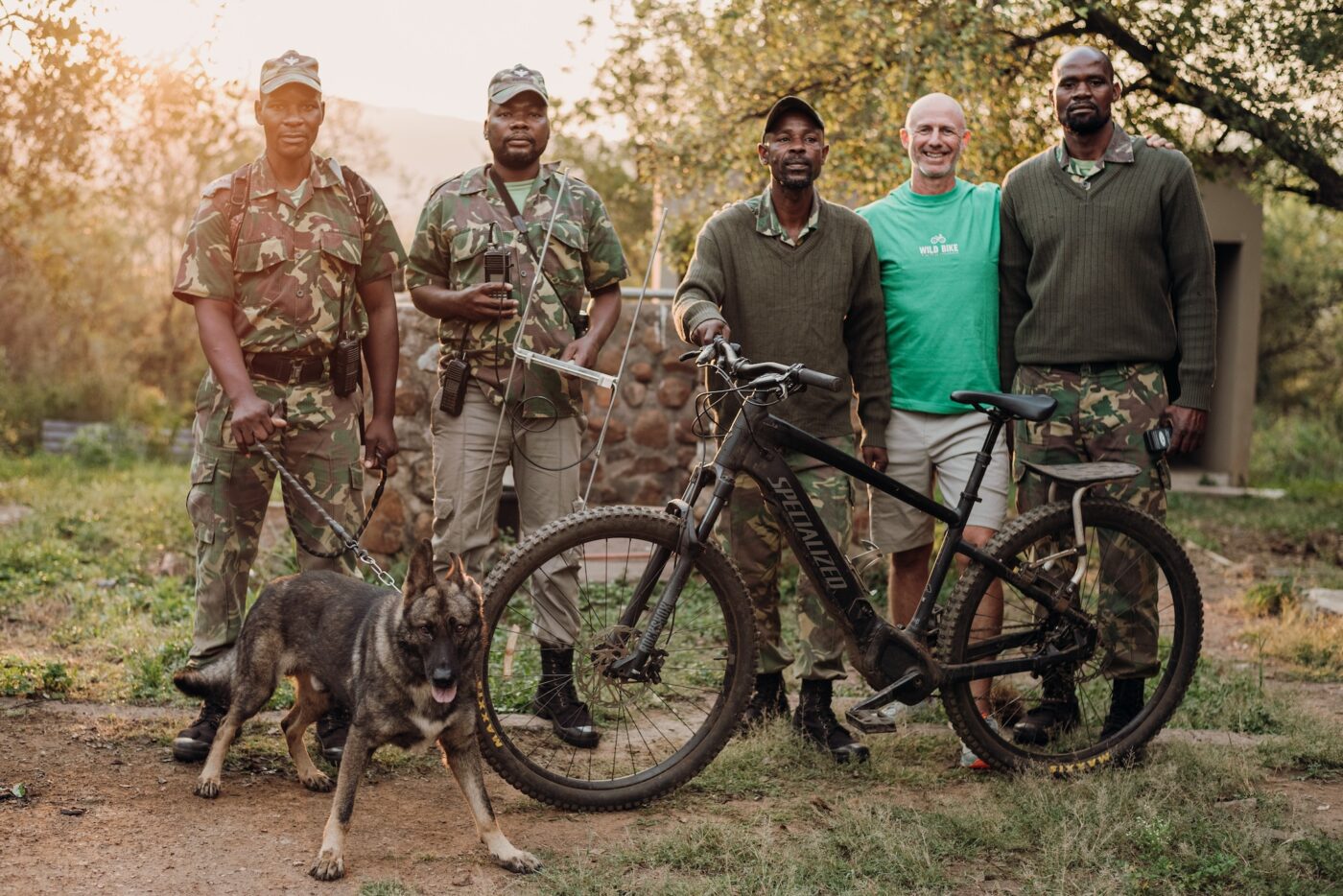
Photo: Specialized
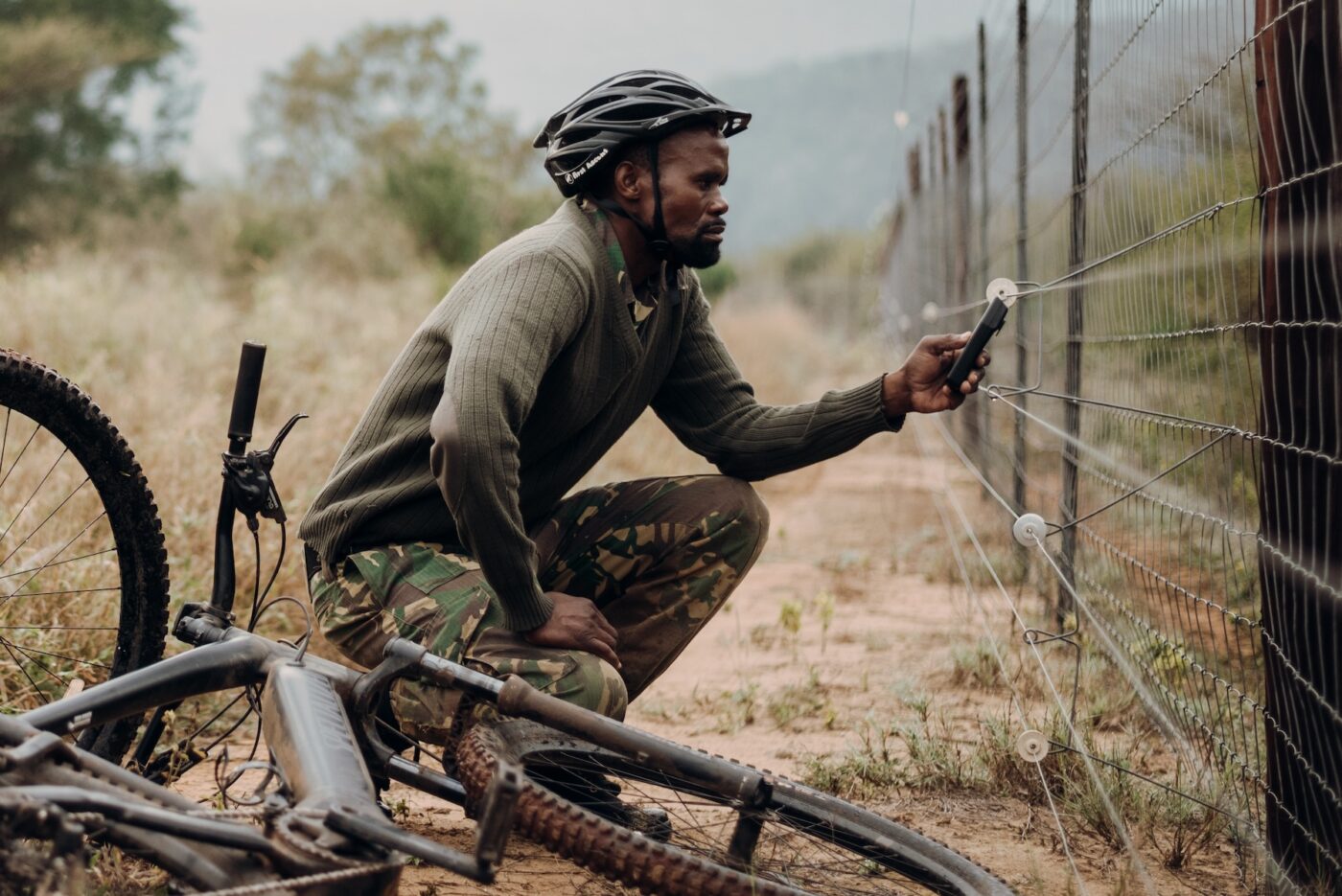
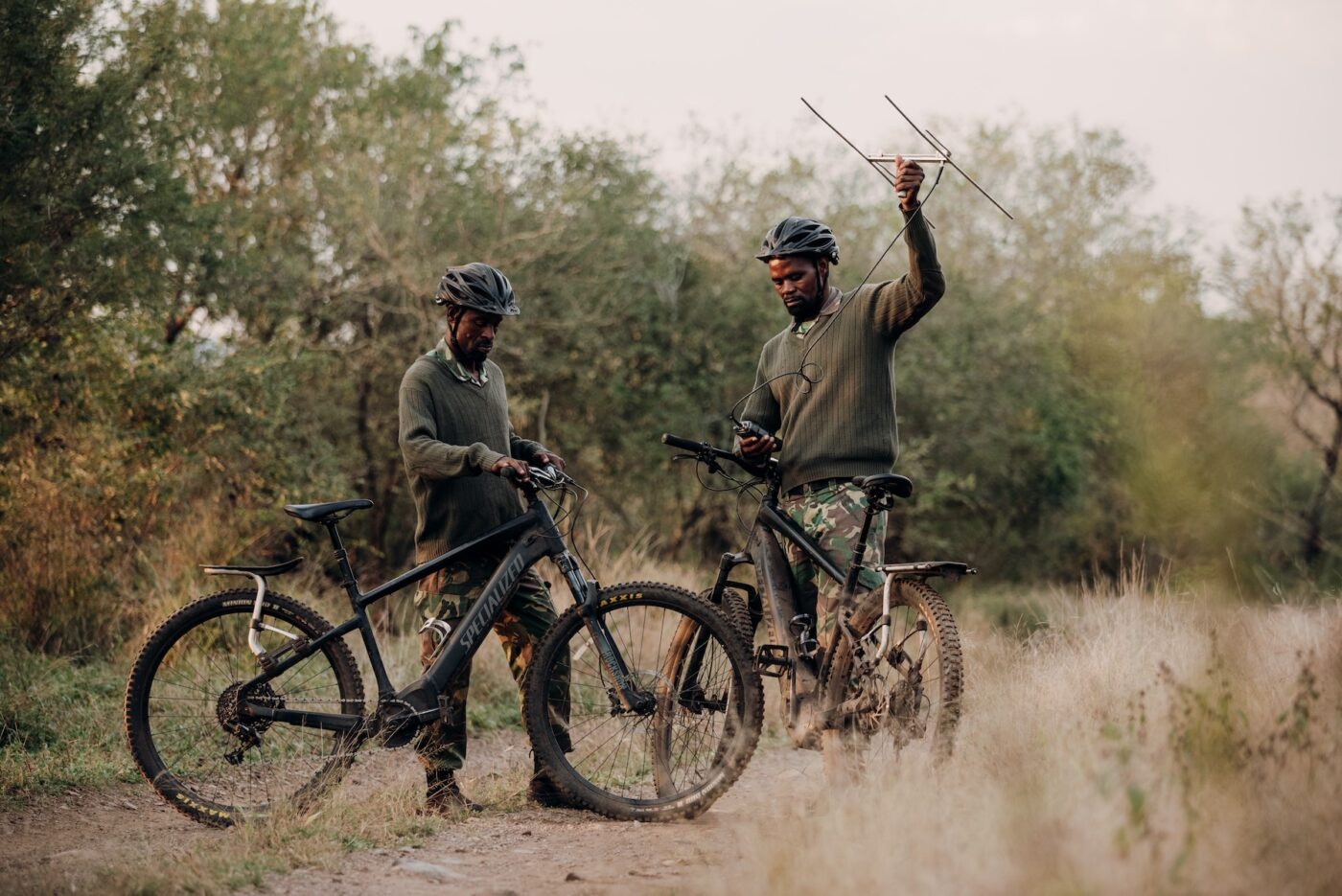
Devlin explains, “We are still learning about the bikes and what they need in the field, because e-bikes haven’t really been used in this way before. We quickly figured out that we would need to beef up the tyres, because Zululand thorns are no joke. The bikes must be specced in the right way to fit their purpose, so we’re always improving. For example, the guys at Munywana carry a lot of equipment related to measuring habitat indicators on their bikes, and they’ve gone ahead and developed carriers to help with this”.
Specialized were of the opinion from early in the project that a critical component of the whole concept was making sure the bikes were useful to the rangers, they needed to add serious value compared to doing work on foot, by motorbike or vehicle. Fanie explains, “With e-bikes there are a few more things that can go wrong, especially out in the bush, the bikes had to help to the ranger, not hinder them. Devlin was patient with ironing out the hiccups, and most of the reservations we had have been put to bed. It was very important, making sure that the product held up to the ol’ African bush!”.
As any bike rider will know, maintenance is an absolute necessity to keep a bicycle running smoothly and while Wild Bike has provided initial training and support for maintenance, it isn’t sustainable for Devlin to be driving back and forth on a six-hour round trip to tighten bolts, change brake pads and oil chains.
“We’ve been incredibly lucky to meet Siya Khumalo during our initial visits to Munywana and KwaNibela. Siya is a passionate cyclist; he just loves anything to do with bicycles and has been doing bicycle repairs for his local community for a while now. It was a no-brainer to get Siya involved with servicing the bicycles that we have placed in this area, he has no problem with learning new things and has even installed a new computer into one of the bikes which requires wiring skills. People like Siya are pivotal to how successful Wild Bike can be, and through Specialized we’ve planned with Greg Minnaar Cycles in Pietermaritzburg for Siya to spend time learning more about e-bikes and their DNA so he can get even better. There are computer interfaces that you can plug into the bikes and do a bunch of stuff both from an app and then at a deeper level from a computer. We’ll get to a point in the future when Siya can dial into these computers remotely from a laptop, which is pretty rad”.
With many months having now passed and hundreds of kilometres being ridden by rangers, anti-poaching units and community workers, Wild Bike is starting to get a more accurate picture of the benefits the bikes are bringing to the reserves.
At Somkhanda Community Reserve, reserve manager Meiring Prinsloo explains how e-bikes integrally link to saving the lives of South Africa’s endangered black and white rhinos. “We are home to a healthy black and white rhino population among other endangered species. Considering the overall threat to rhino, and especially the shift towards increased rhino poaching in KwaZulu-Natal from the other provinces and Kruger National Park, we are right in the middle of the threat. Maintaining our ability to conserve and safeguard these iconic animals is critical. With e-bikes, we have been able to maintain and even increase patrol area coverage and perform more regular patrols while reducing overall operating expenses. Lastly, a notable point, is that the e-bikes obviously run with less noise which aid in certain patrols”.
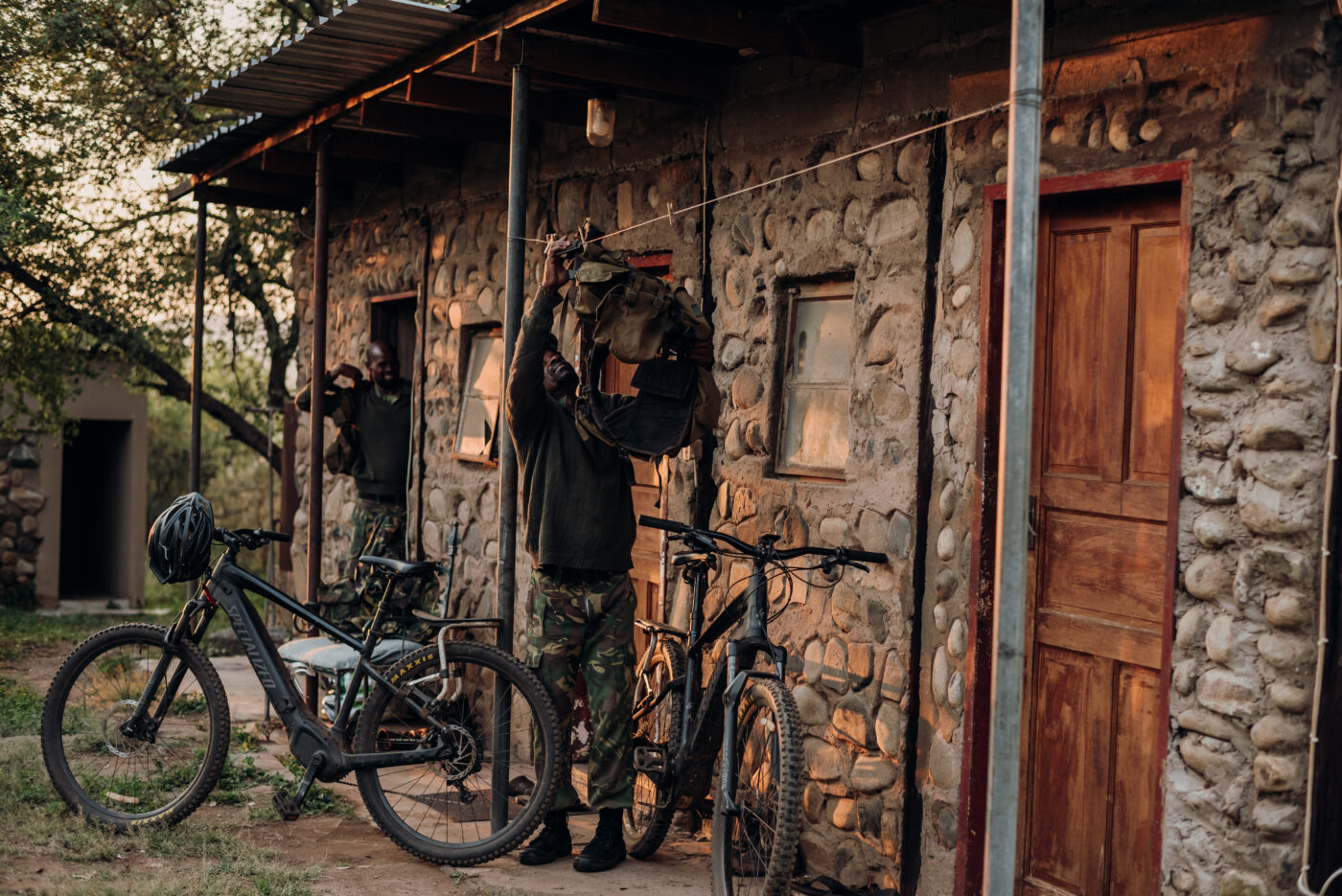
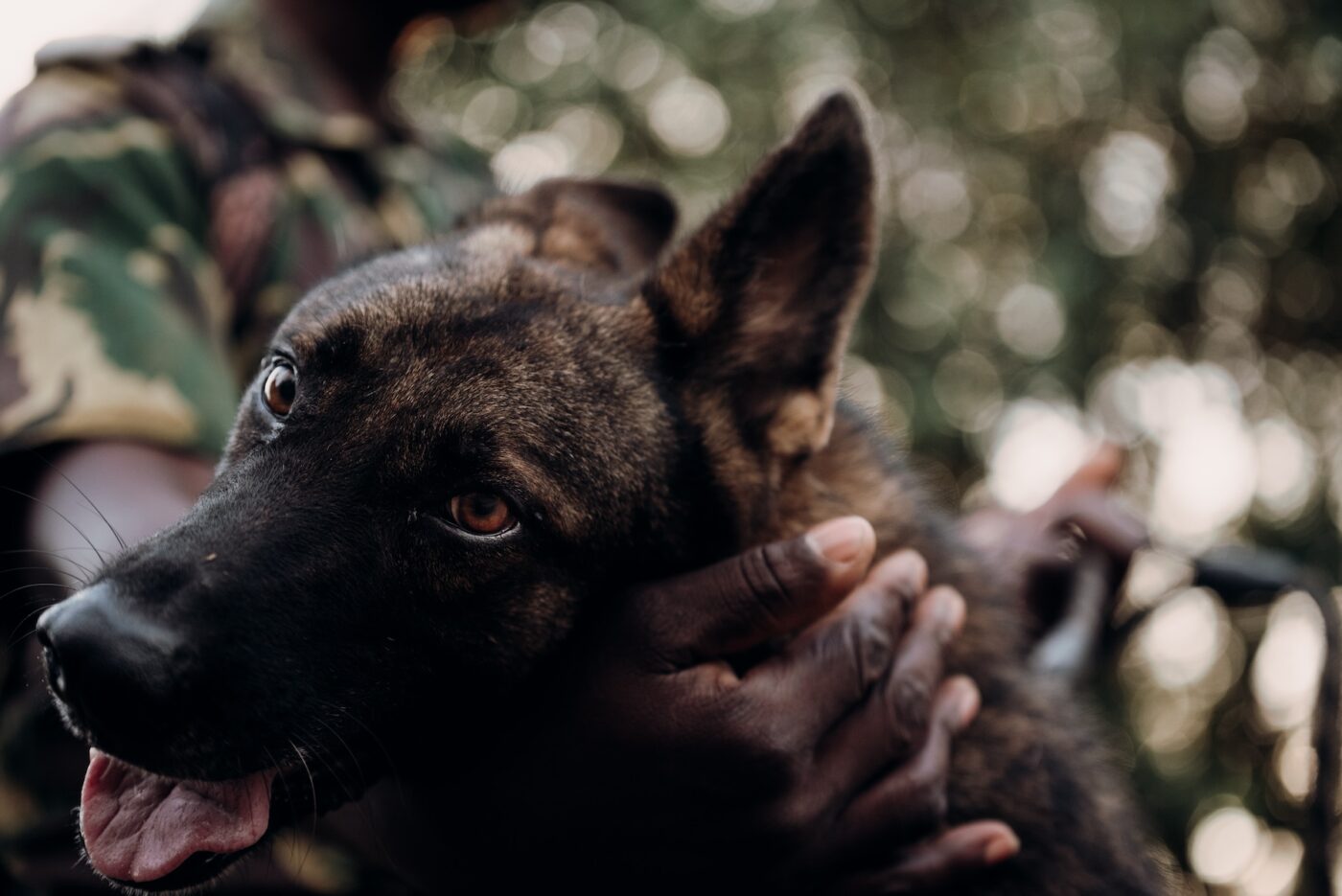
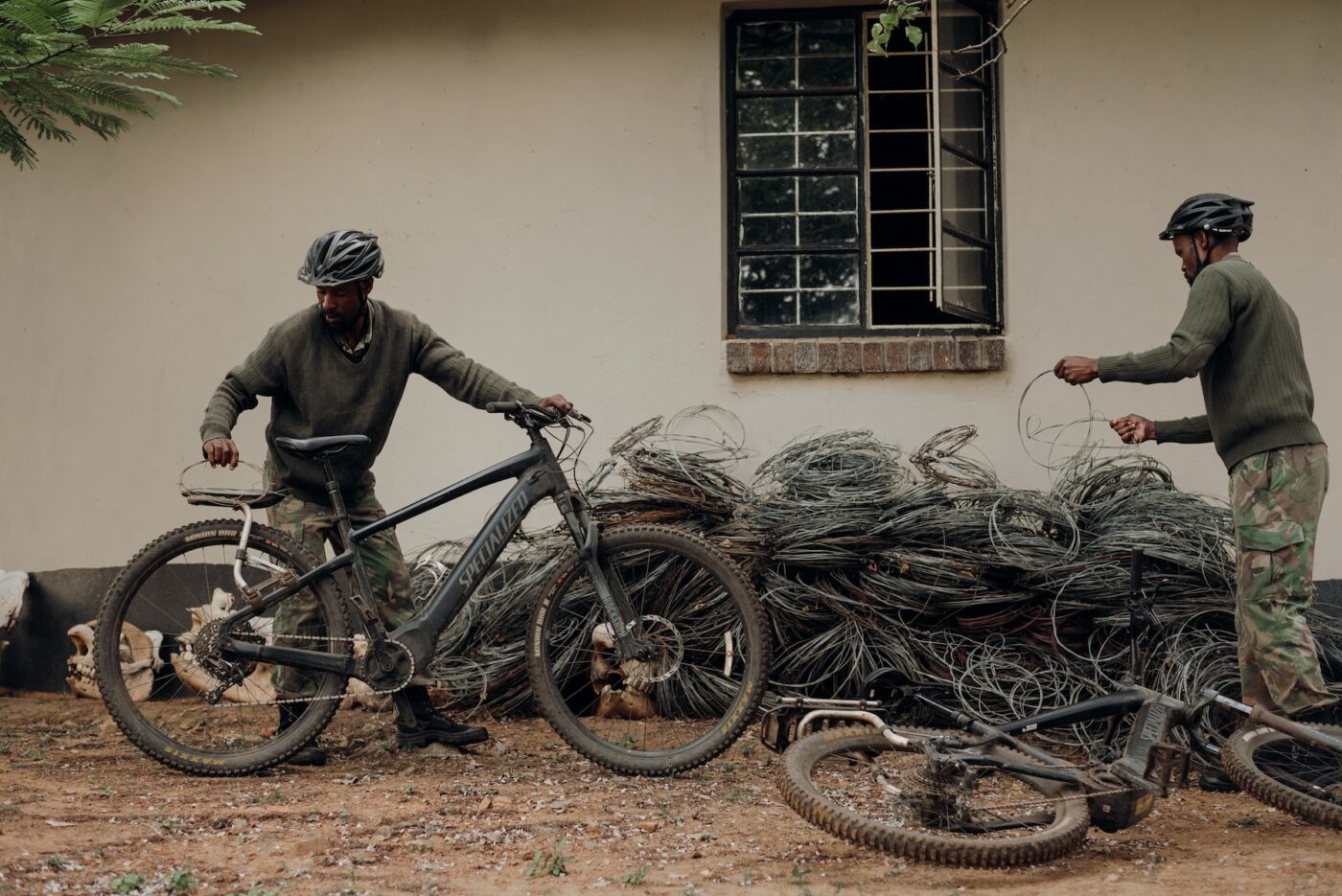
Photo: Specialized
E-bikes have been just as useful in activities that aren’t focused on anti-poaching but are critical for bushveld and biodiversity health. Callan Meyer, Habitat Manager at Munywana explains “E-bikes have improved the capacity for us to do our work because we are quite short of resources in terms of vehicles. So doing our vegetation surveys on the bikes saves us a lot of time and money. It’s also quite quiet to do our vegetation surveys, which is great around game drive time, we don’t disrupt anyone. It’s a very quiet and efficient mode of transportation”.
While it may seem like a romantic notion to be a khaki-clad game ranger communing with nature and drinking G&Ts with guests; most of the time it is quite the opposite. It can be a high stress environment, meeting hectic demands on a low budget; meaning health and fitness can easily slide to the back burner for rangers.
“The e-bikes have had quite a personal benefit, it’s just a lot of fun to get around, you can get closer to animals, you’re putting less of a footprint on where you are. You’re not burning diesel every day; you’re just burning carbs which is fantastic! So, it’s been good for me getting back on a bike and cycling again, and hopefully it’s something I will be able to keep the momentum with moving forward, a healthy body is a healthy mind” adds Meyer.
With Devlin’s optimistic nature and his ability to form healthy working relationships, the Wild Bike Foundation has established itself as an entity with a model that really works. There has been a tremendous amount of personal investment from the Foggs in terms of money and time, and now it’s time for Wild Bike to scale up and bring in more funding.
“In terms of sustainability, over the last year we have learned how Wild Bike can work most effectively. It’s a three-step process to form an e-bike node. Firstly, find a partner with effective projects we can plug into, secondly, form a relationship with a bike maintenance support person like Siya, and thirdly, plant the required number of bikes in the node. This needs large scale fundraising, which is what we are focusing on for the future. A partner like andBeyond has reach up into East Africa which is awesome for enlarging our impact footprint”.
With more immediate effect in 2023, Wild Bike are placing four more Specialized e-bikes in two new locations in Zululand. Two of the new bikes are being used for community extension work with the Africa Foundation, and two are going into Manyoni Game Reserve.
“The two bikes going into Manyoni will be via the Zululand Conservation Trust who are the NGO on the ground there. They will be used for pure anti-poaching work in conjunction with their anti-poaching and K9 unit. It’s interesting as these bikes are again being used differently, where the rangers will set up remote locations out in the bush and patrol from there for a day or two and then come back to base. The area they work in is gigantic, at 23 000 hectares, so this methodology is going to allow them to spider out their observation and patrols in a new way which will hopefully have more impact in poaching reduction”.
Photo: Dané Turvey
Specialized are excited about Wild Bike’s future, with Fanie elaborating, “There is scope for so much more. Devlin is working with partners on data monitoring systems that can be attached to the bikes, solar panels to create bike pods for charging them on extended bush missions, all sorts of things. My whole vision is that we would eventually be able to make purpose-built bikes specifically for anti-poaching too. Branching off from that, even an eco-tourism component where tourists could be given the opportunity to experience wildlife from e-bikes instead of a game viewing vehicle”.
The Soil Searching programme has four key components, supporting trail builders; supporting ‘dig days’; fundraising; and storytelling. It is through the fundraising and storytelling components that they aim to continue to support Wild Bike. “We want to charge full steam ahead with pursuing and supporting the Wild Bike cause, and while we can’t supply endless bikes, we have a strong voice and platform to help raise funds and awareness through telling the story of Wild Bike. Not to spill the beans, but we are working on a custom build bike that will be used to raise funds for Wild Bike through auction or raffle, and this is a model that has successfully worked all over the world. We raised 60 000 Euros a couple of years ago in Europe through a similar set up, so we know it works” Fanie recounts.
“Underneath it all, Soil Searching focuses on community building, and that includes respect of and connection to the natural environment. We see it as our role to help build a network of support around Wild Bike, which in turn supports conservation, the rangers and the local communities living around the reserves”.
The success of the Wild Bike Foundation’s work will largely hinge off effective fundraising, and Devlin understands Specialized can’t keep supplying e-bikes forever. “Specialized have been generous with backing us because they believe in what we’re doing and know the importance of conservation in South Africa. In the future though, we hope to be raising enough funds to purchase the bikes we need outright. We’ve placed 12 bikes so far, and by the end of 2024 our aim is to have placed 50 bikes while keeping all of them maintained and operational. In the short time we’ve been active the reserves have seen a 366% decrease in the number of snares recorded, and a dramatic drop in their fuel and vehicle maintenance costs, which means more money gets pumped into conservation activities. Imagine what we can do with 50 bikes compared to 12, or 100 bikes compared to 50?”
How you can help
To support the Wild Bike Foundation in getting more bikes and rhino protection capacity into Manyoni Game Reserve, visit the Give’n Gain campaign link HERE.