Scott have announced an all-new Spark platform which will support three different bikes, Spark RC, Spark and Spark Plus. The Spark is a completely new bike and you don’t need to look further than the suspension design to see that. The old top link design has being replaced with a spanking new single-pivot rocker link system. Scott have been aggressive with their implementation of new technologies on the Spark: boasting cutting edge carbon construction techniques, bringing the geometry up-to-date, the use of new standards like Boost and metric shocks, and even adapting the brake mounts for more flexible stays.
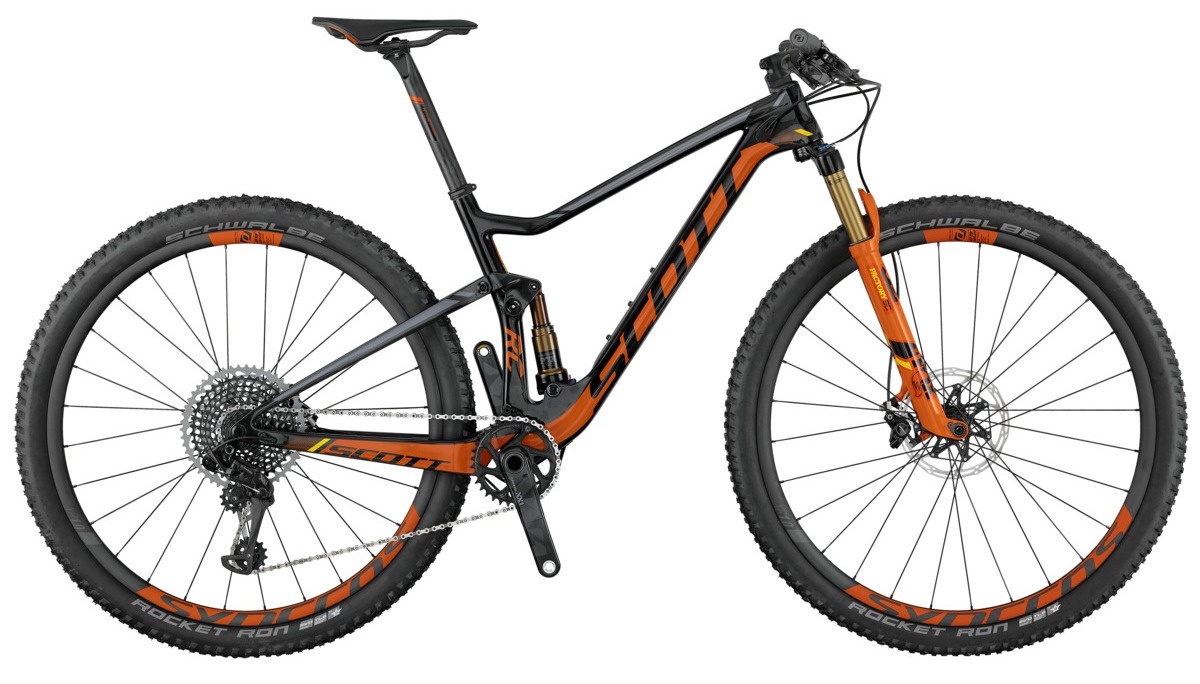 Scott Spark RC 900 SL
Three new Scott Spark models
There are three new Scott Spark bikes with 33 models across the range. Each Spark bike has its own distinct purpose but with a shared DNA.
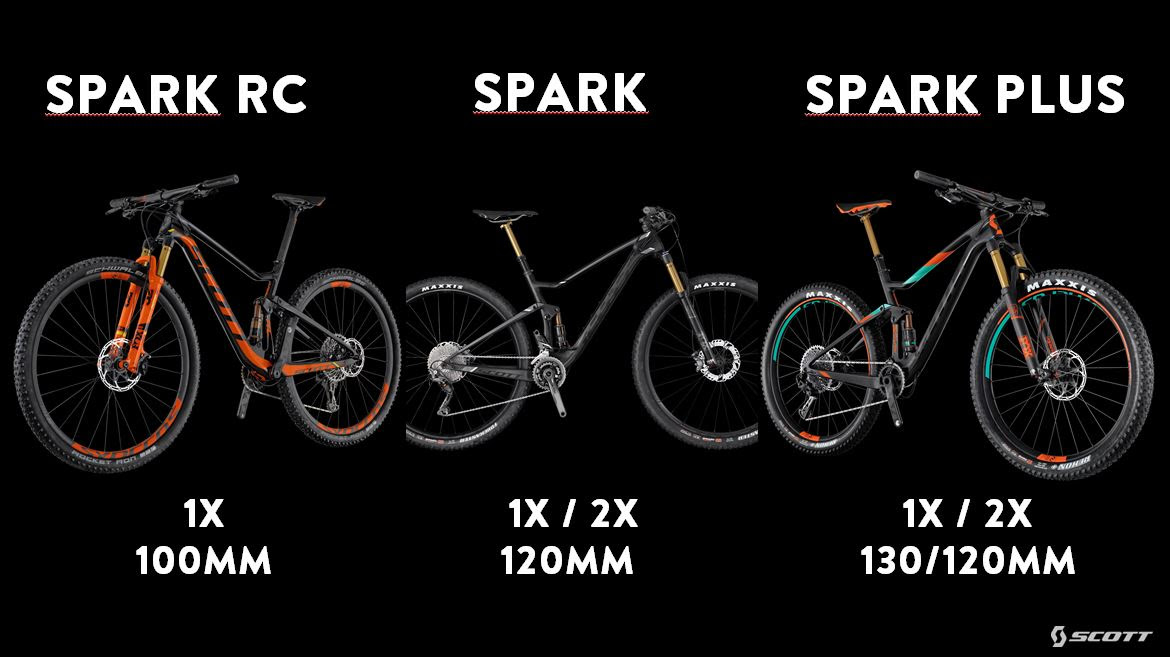
The Spark RC is a 100% race dedicated 100mm full suspension bike. The Spark is a do-it-all marathon-trail bike featuring a slacker geometry and 120mm travel. While the Spark Plus is a trail ready full suspension 27.5 plus bike.
Wheel size
Both the Spark RC and Spark will be available as 27.5″ and 29″ models. The 27.5″ models are in the 700 series while the 29″ bikes are designated the 900 model number. The Spark Plus is based around a 27.5″ plus sized wheel. The 27.5″ models will be available in S / M / L sizing while the 29″ and 27.5″ Plus bikes will included an XL size.
Dan Roberts – Scott Engineer
Scott Spark RC
The new race inspired RC (Racing Concept) family includes all options – hardtail or full-suspension, and 27.5” or 29” wheel size geometries. All RC models come with 100mm of travel.
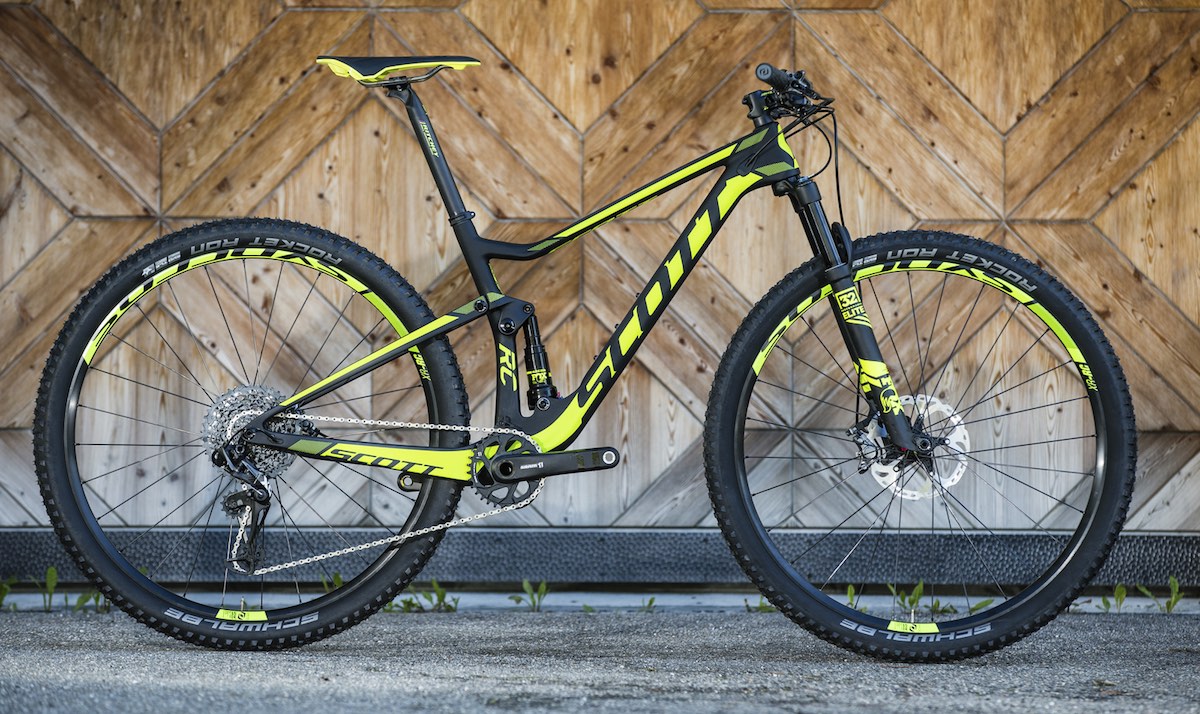 Spark RC 900 World Cup
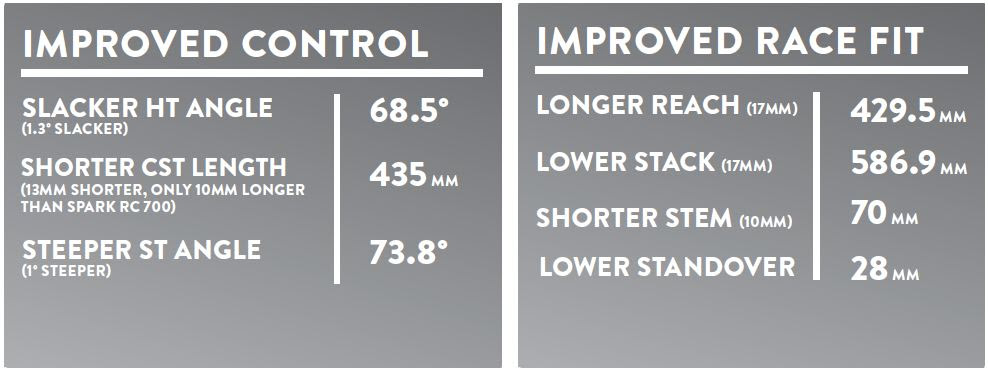
The Spark RC is a 100% race dedicated full suspension bike. Designed specifically for 1x and using HMX-SL fibres the frame weighs an impressive 1749 grams on the Spark RC 700 SL (with shock). Geometry on the Spark 700 sees a major shift with the head angle slackening to 68.5 degrees, reach growing, chain stay length shrinking and standover heigh dropping.
Scott Spark
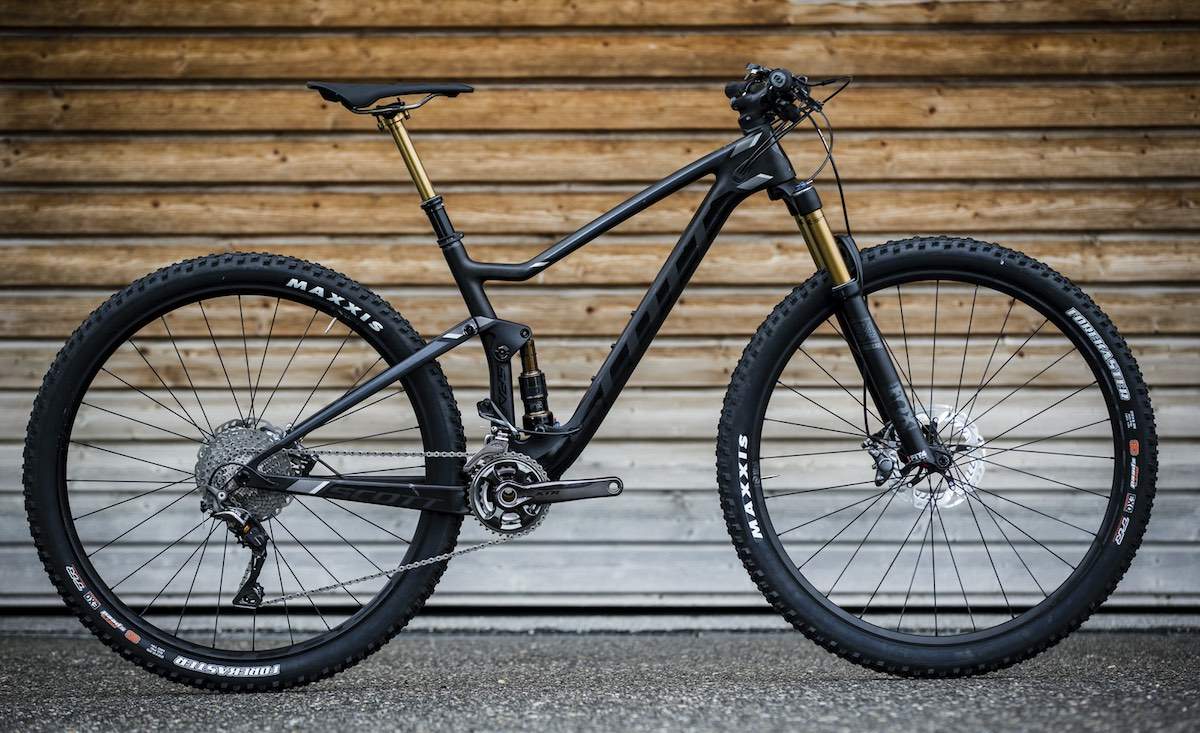 Spark 900 Premium
Scott see the new Spark as a “do-it-all marathon trail bike” giving diversified riders a bike suitable for race day as well as trail exploration. Unlike the RC models, the Spark will have the option of a 1x or 2x drivetrain. From the specification choices it is clear that Scott are serious about the Spark’s trail credentials with stiffer forks and dropper posts making an appearance on most models.
Scott Spark Plus
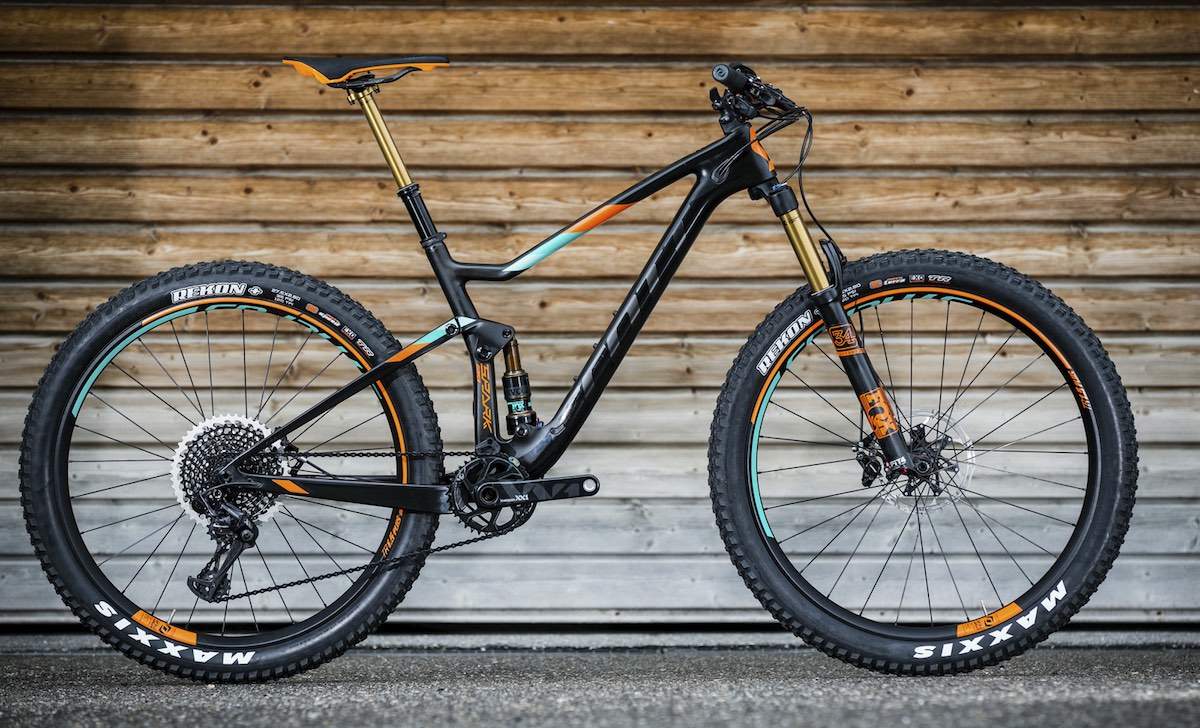 Spark 700 Plus Tuned
The Spark Plus is a trail focussed bike built around 120mm rear and 130mm front travel and big tyres. Scott were relatively early adopters of the 27.5″ plus wheel and have always believed that the 2.8″ tyres provide the best size to balance performance and fun.
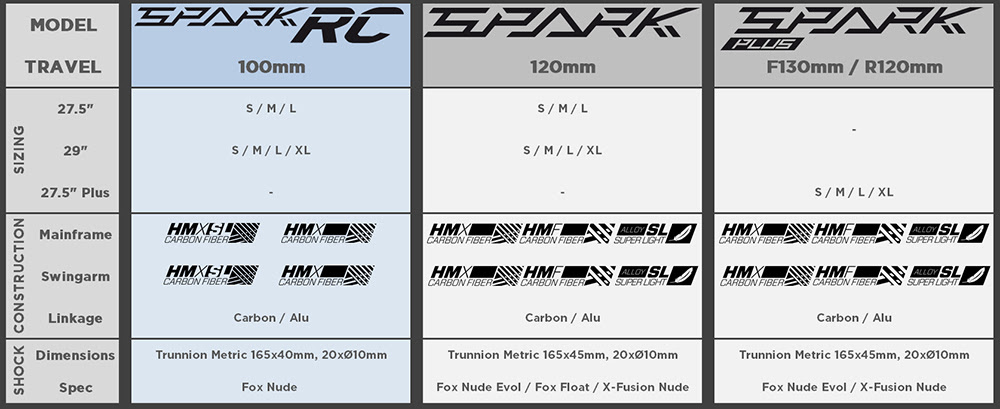
Scott Spark Models
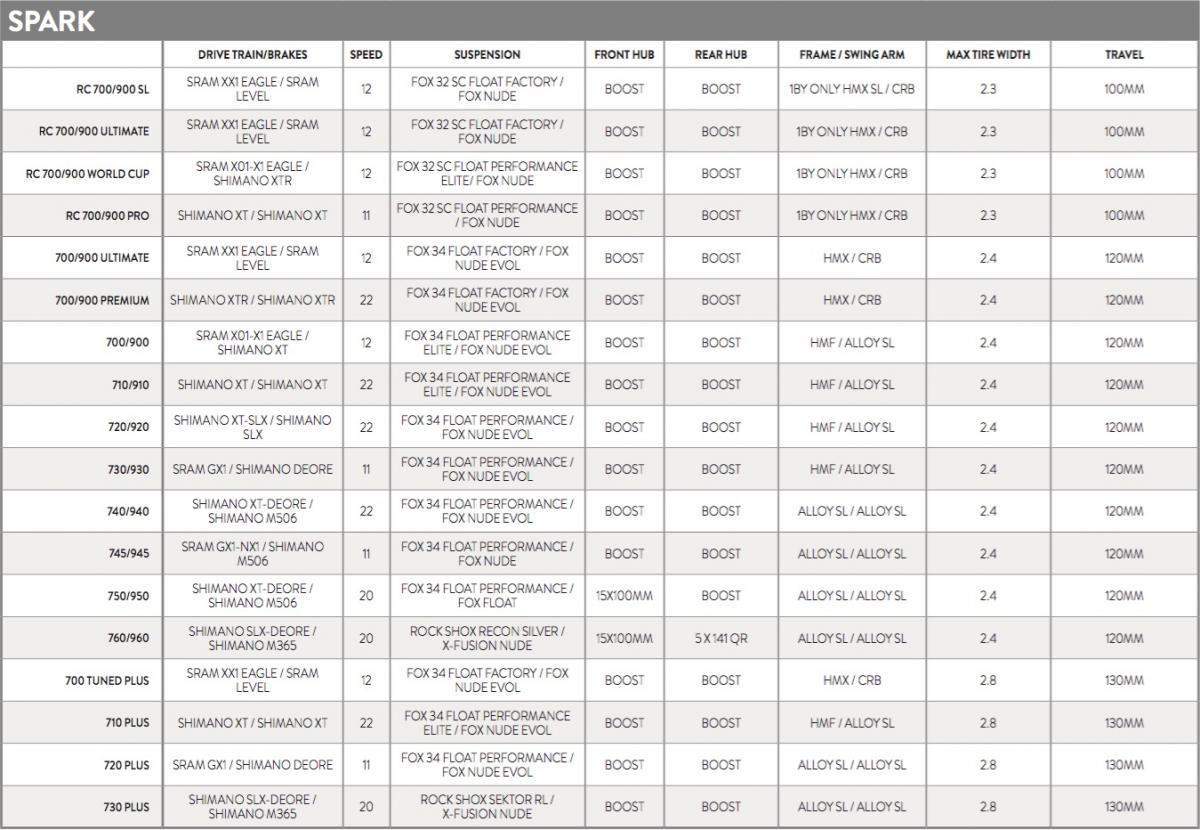
Local model availability and pricing still need to be confirmed. The first stock is expected to land in August.
Scott Spark RC
SPARK RC 900 | 700 SL
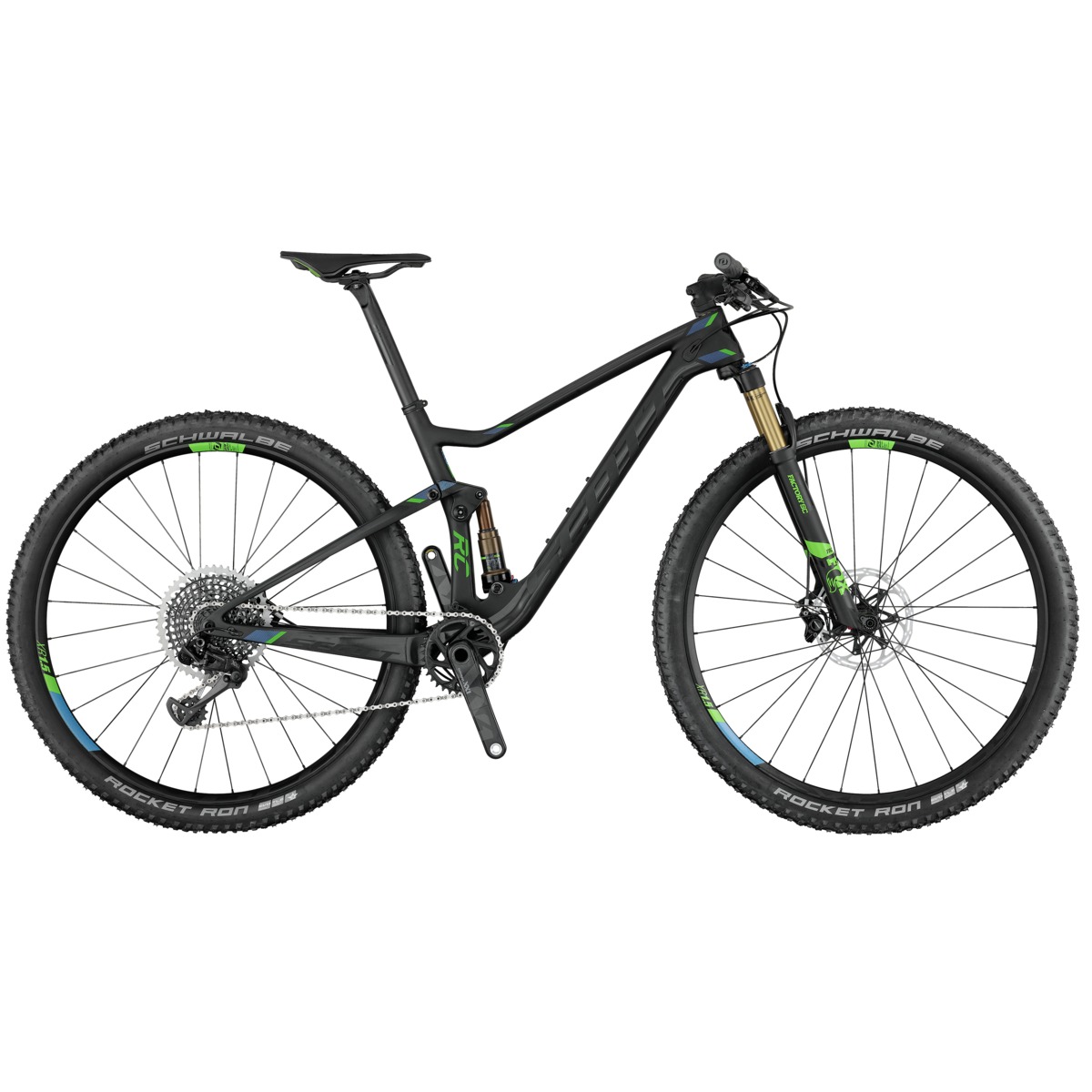 SPARK RC 900 | 700 ULTIMATE
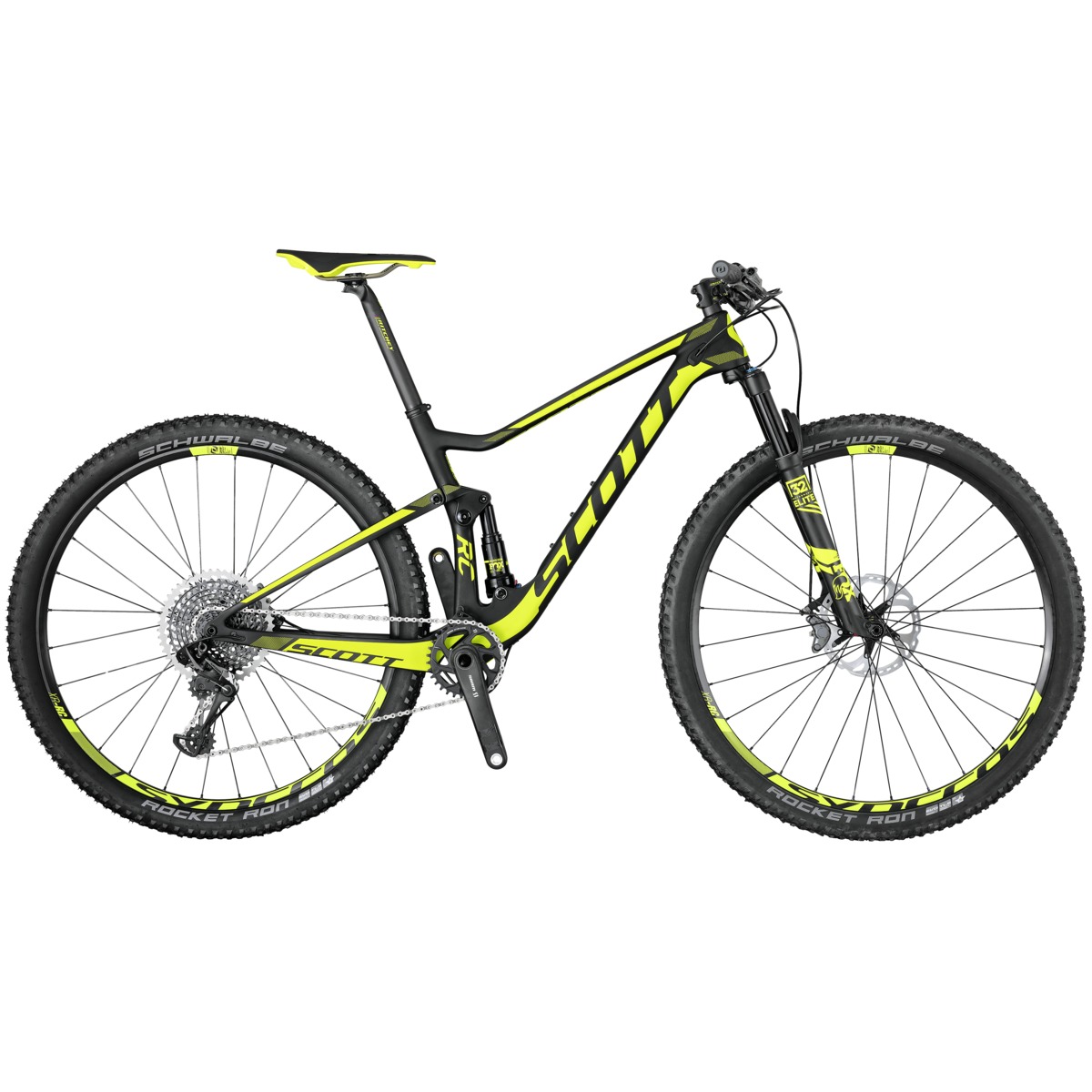 SPARK RC 900 | 700 WORLD CUP
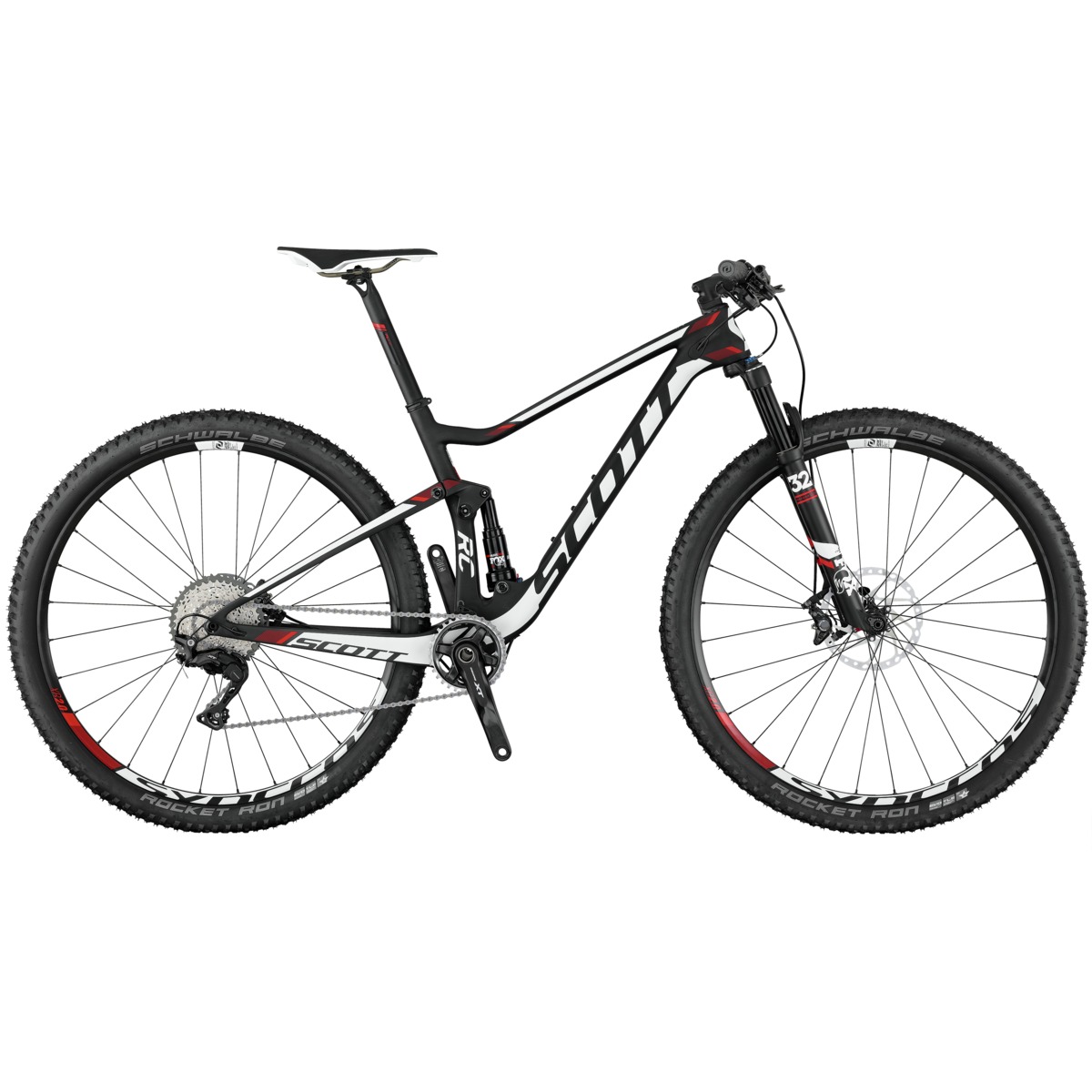 SPARK RC 900 | 700 PRO
Scott Spark
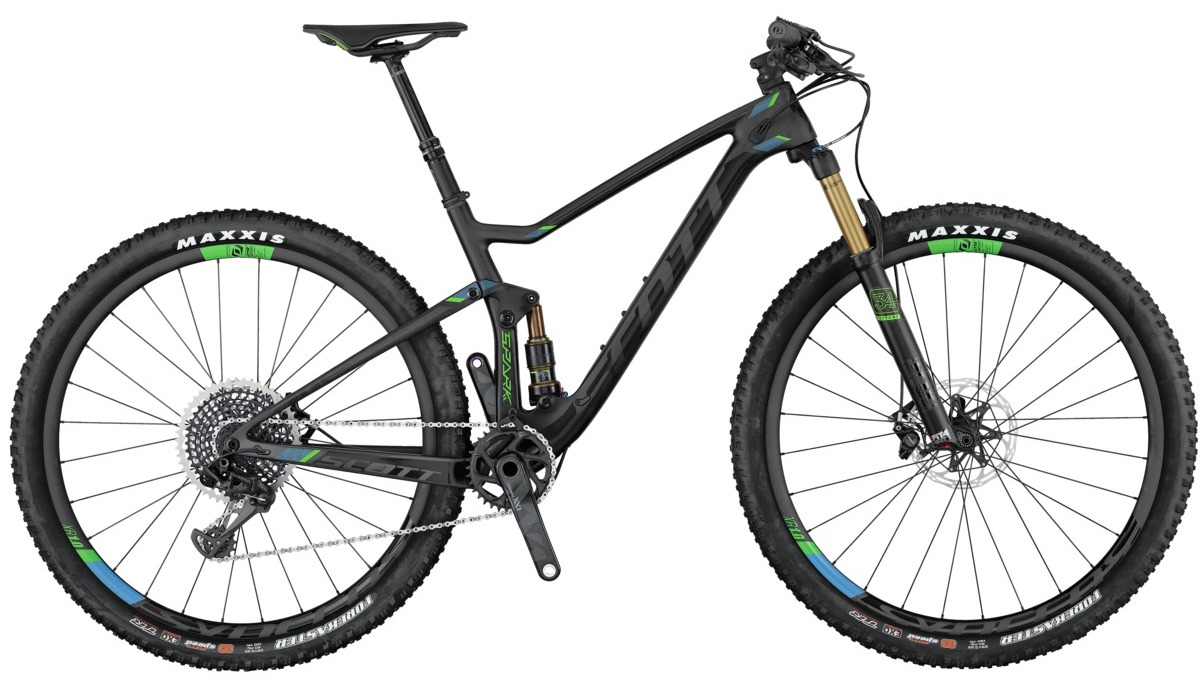 SPARK 900 | 700 ULTIMATE
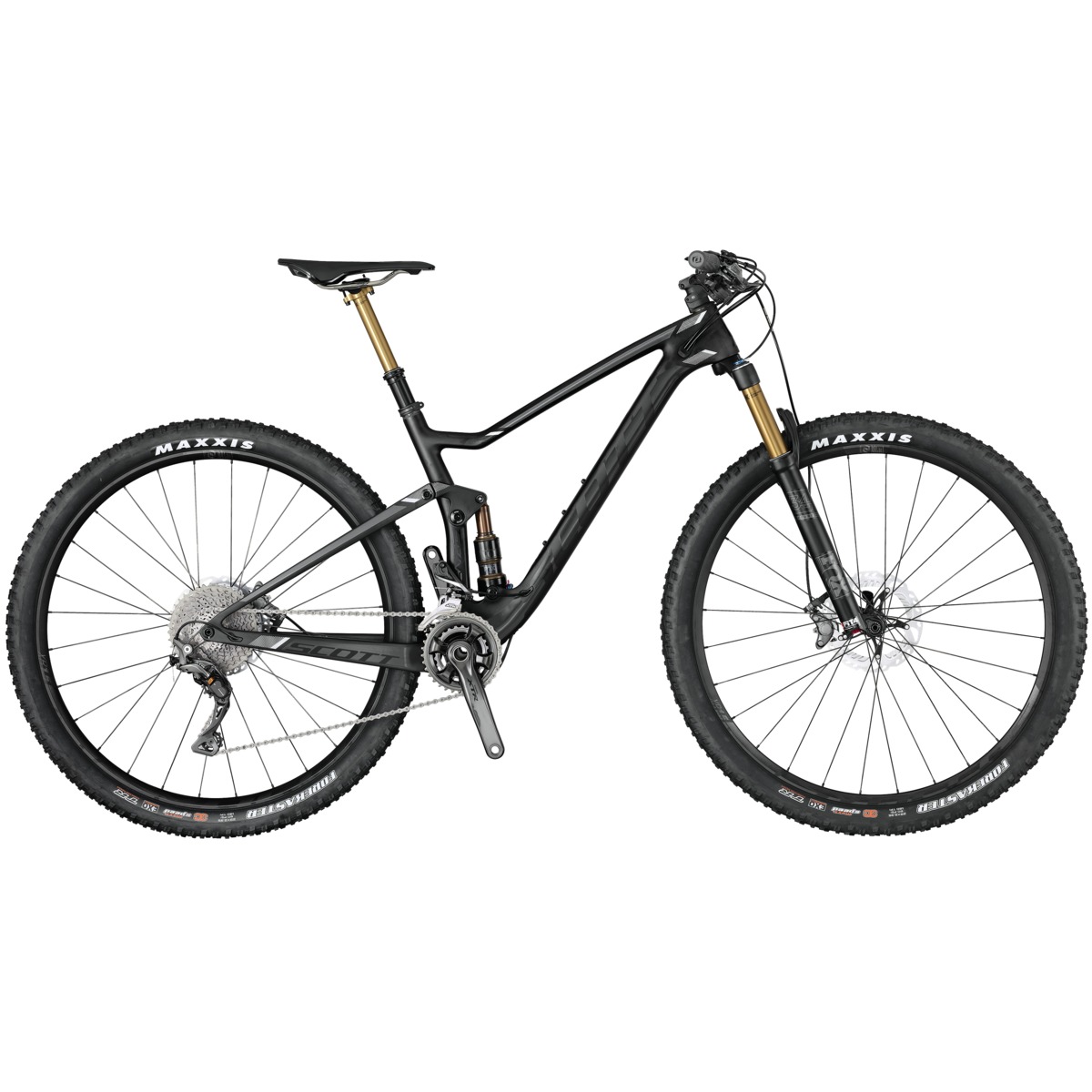 SPARK 900 | 700 PREMIUM
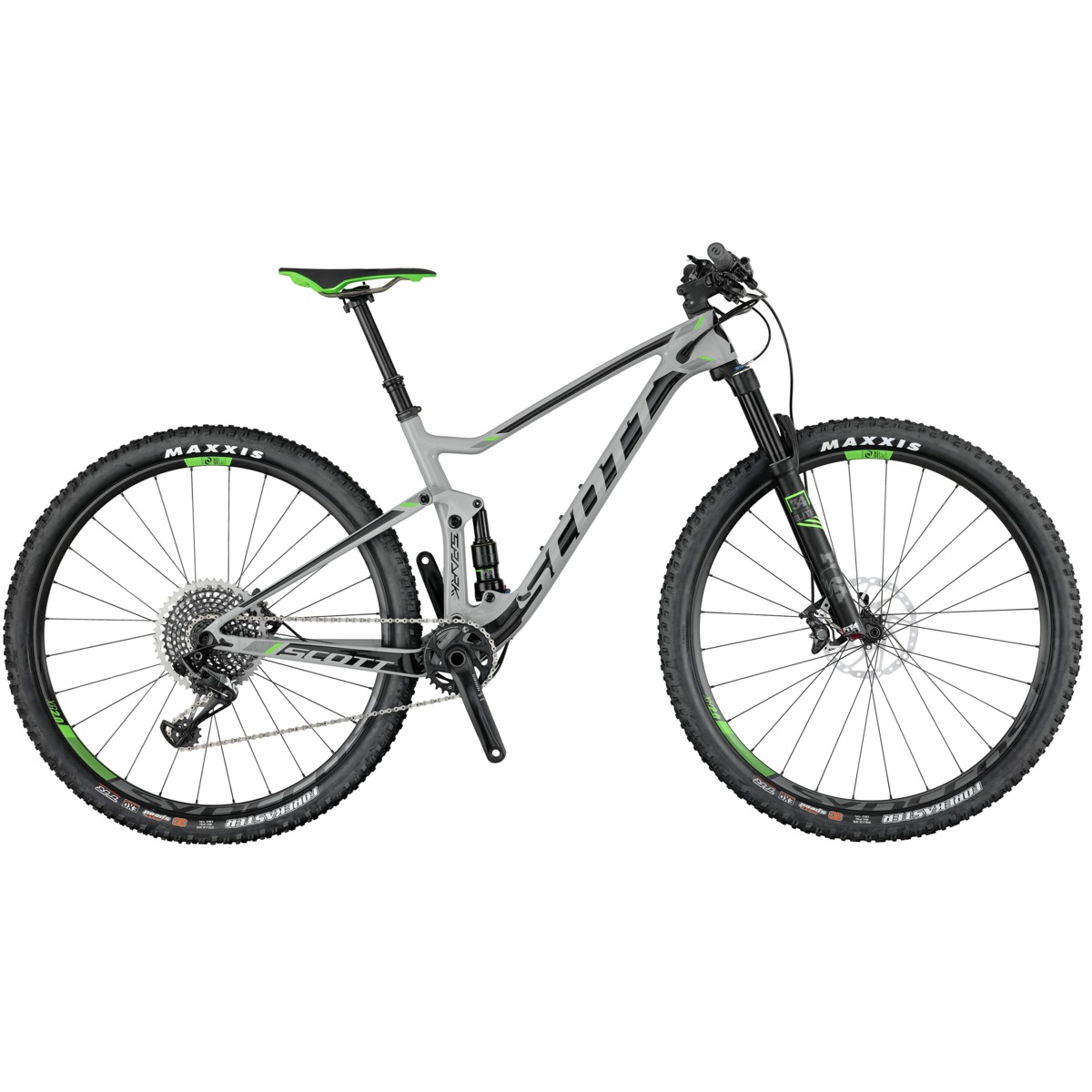 SPARK 900 | 700
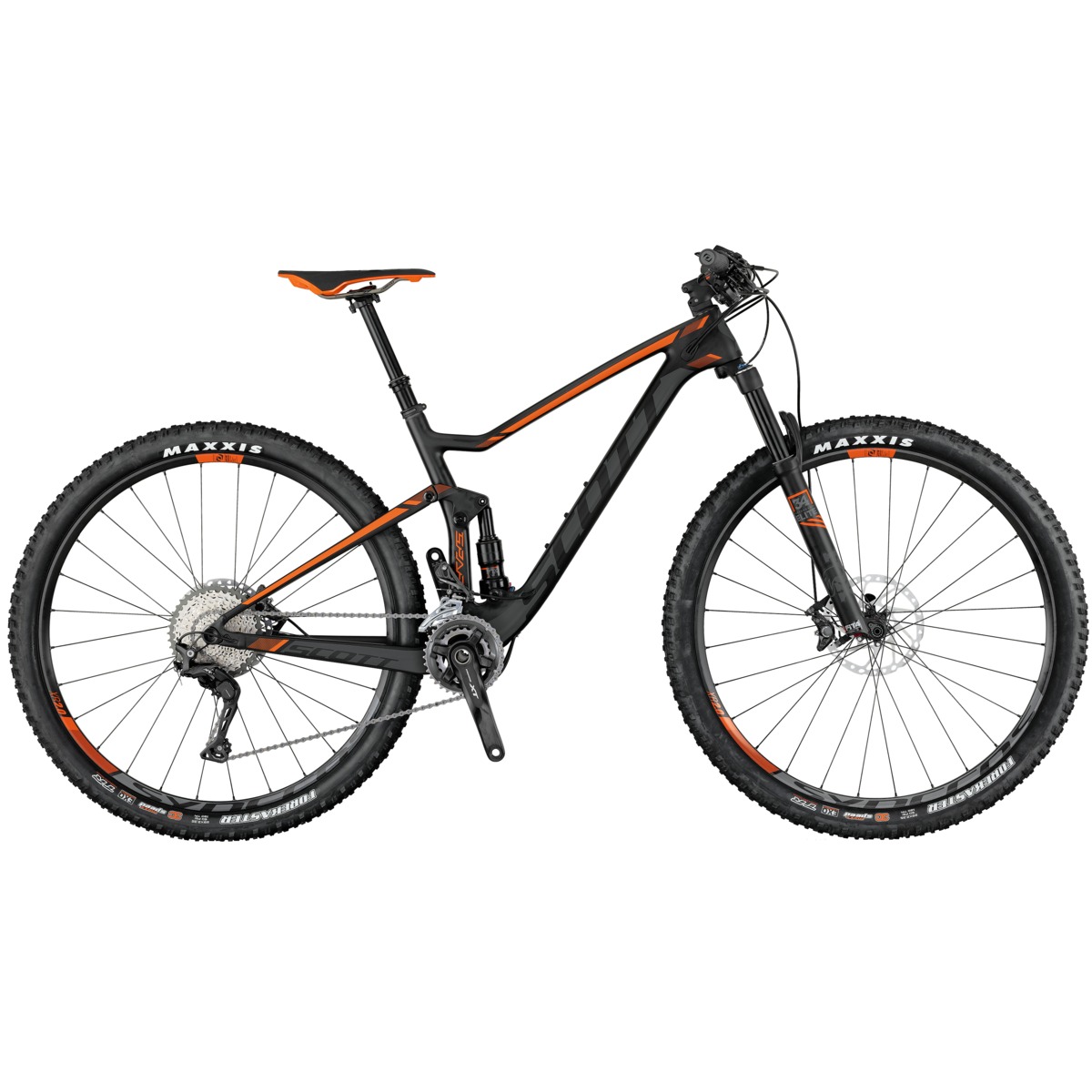 SPARK 910 | 710
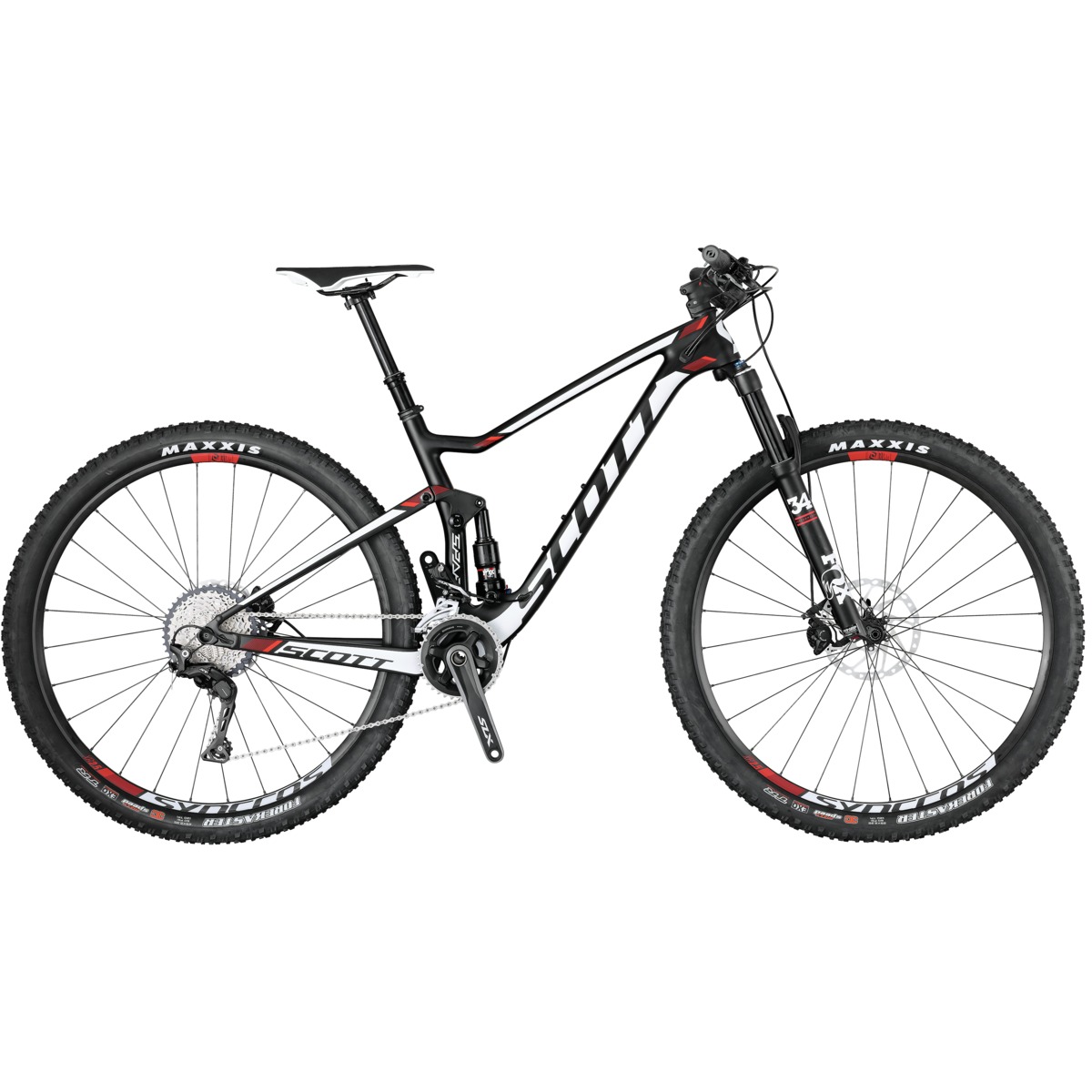 SPARK 920 | 720
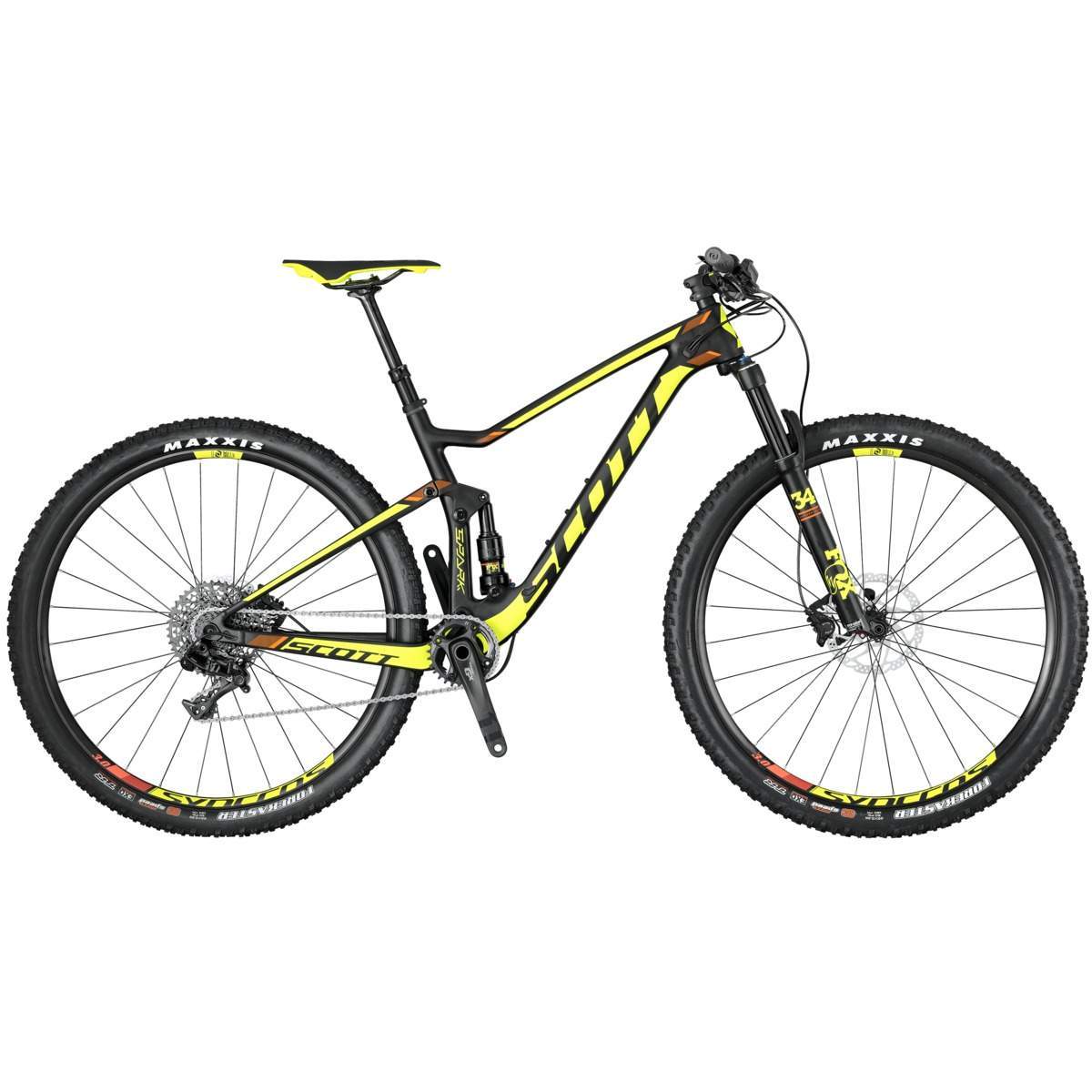 SPARK 930 | 730
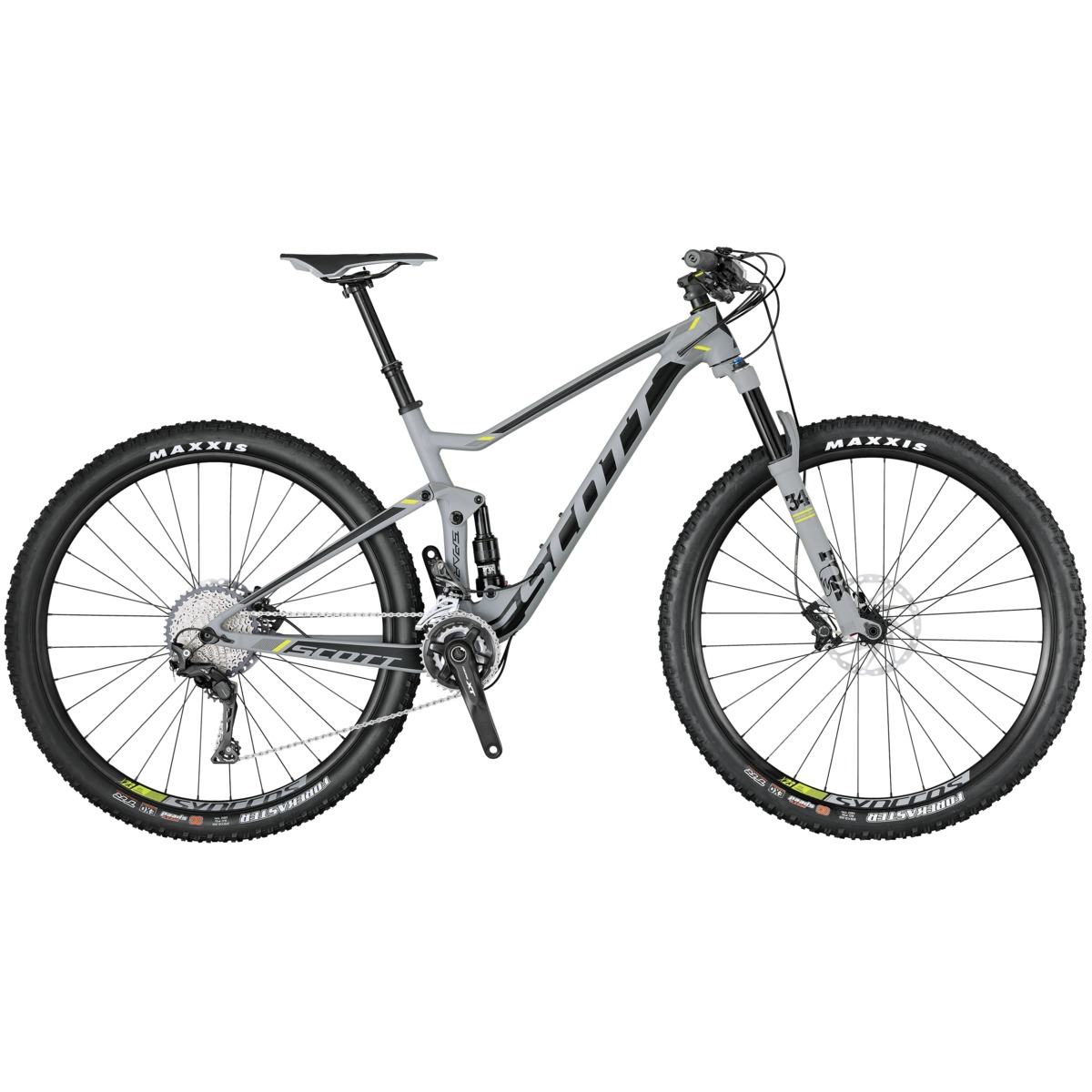 SPARK 940 | 740
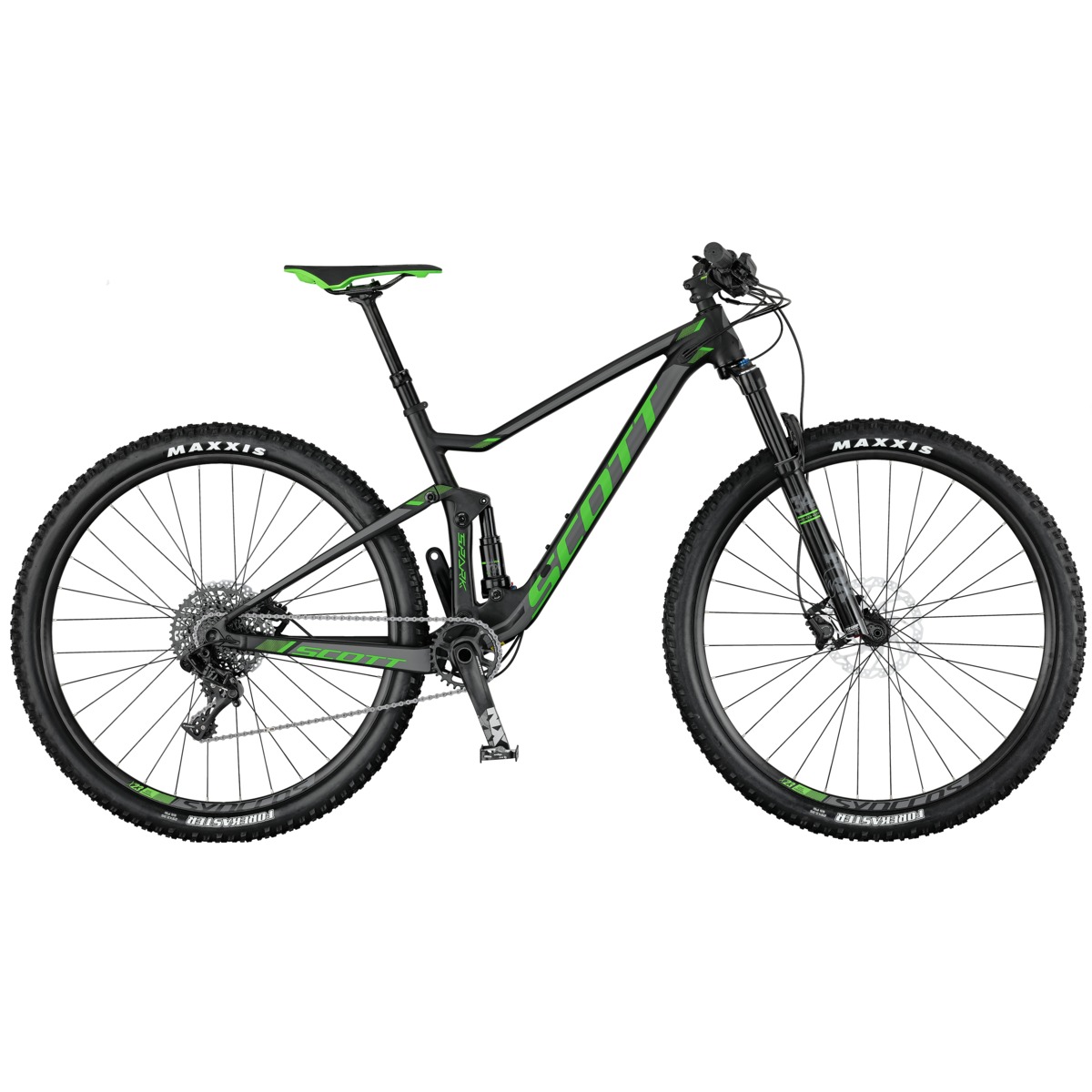 SPARK 945 | 745
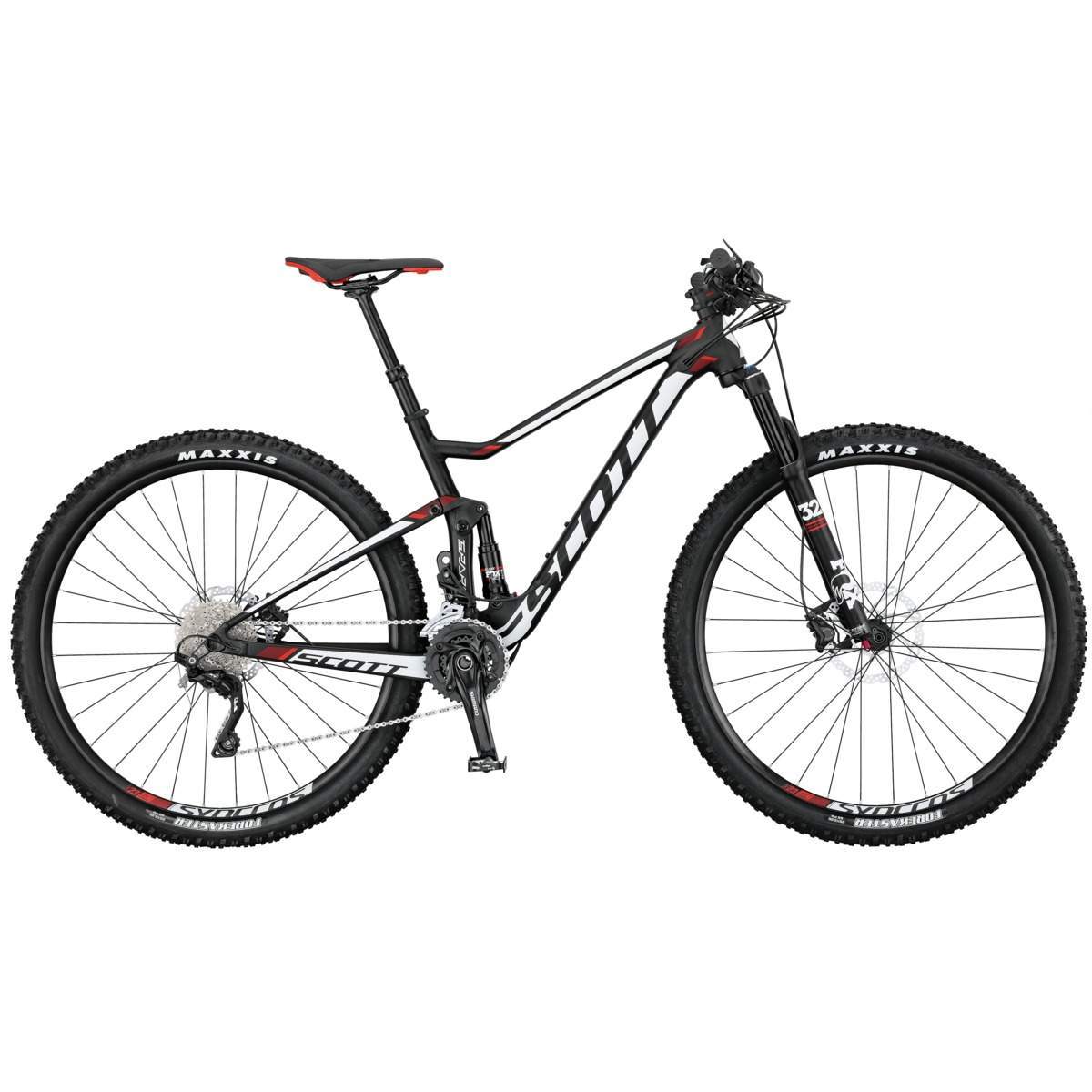 SPARK 950 | 750
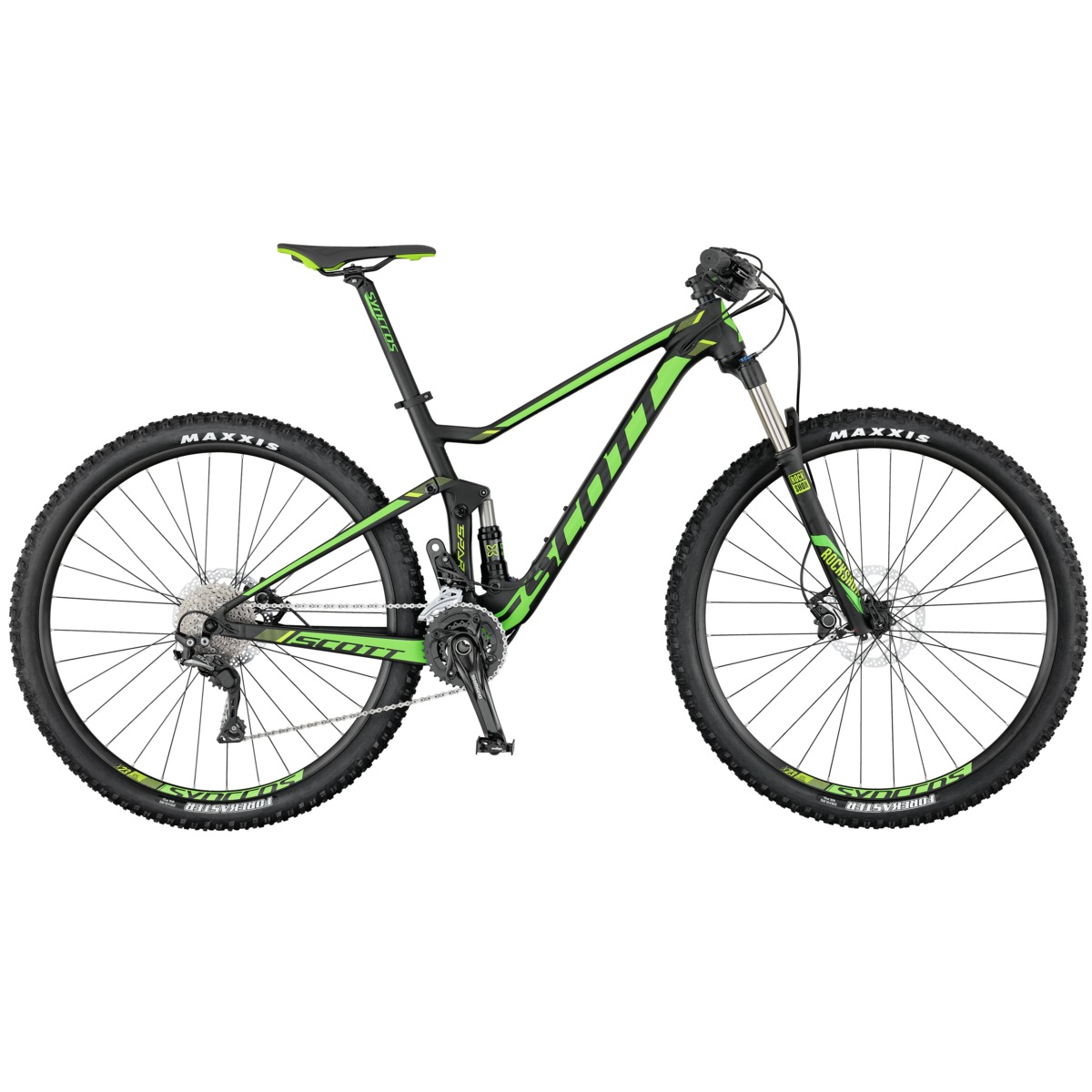 SPARK 960 | 760
Scott Spark Plus
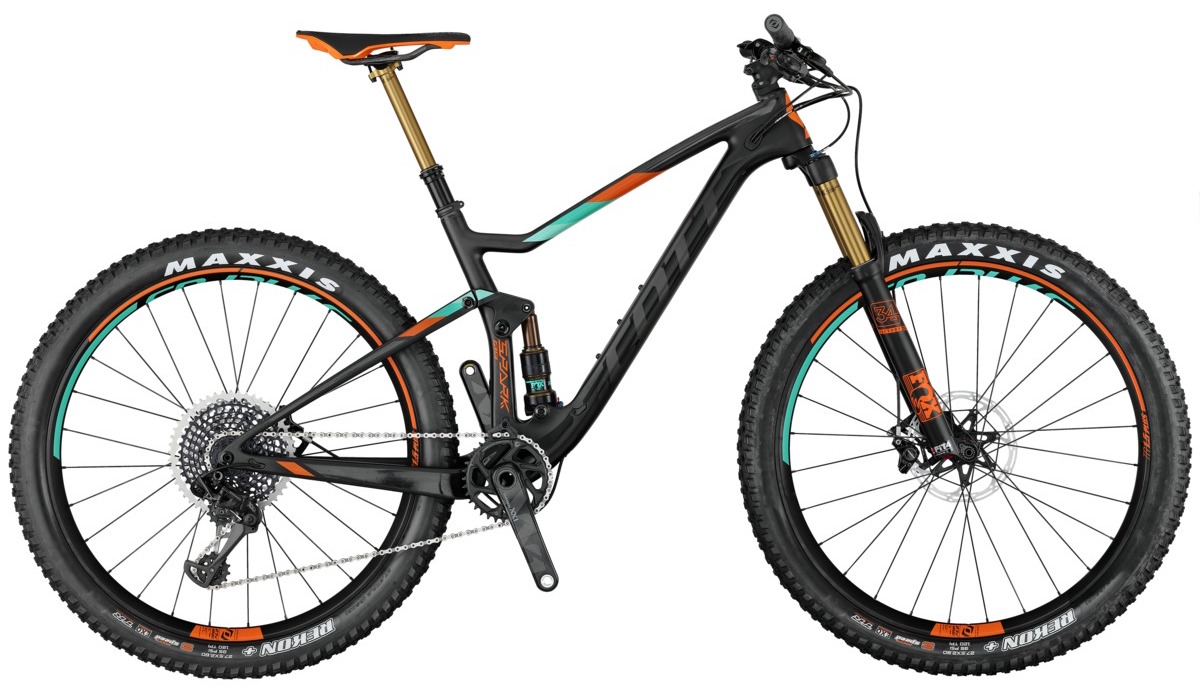 SPARK 700 PLUS TUNED
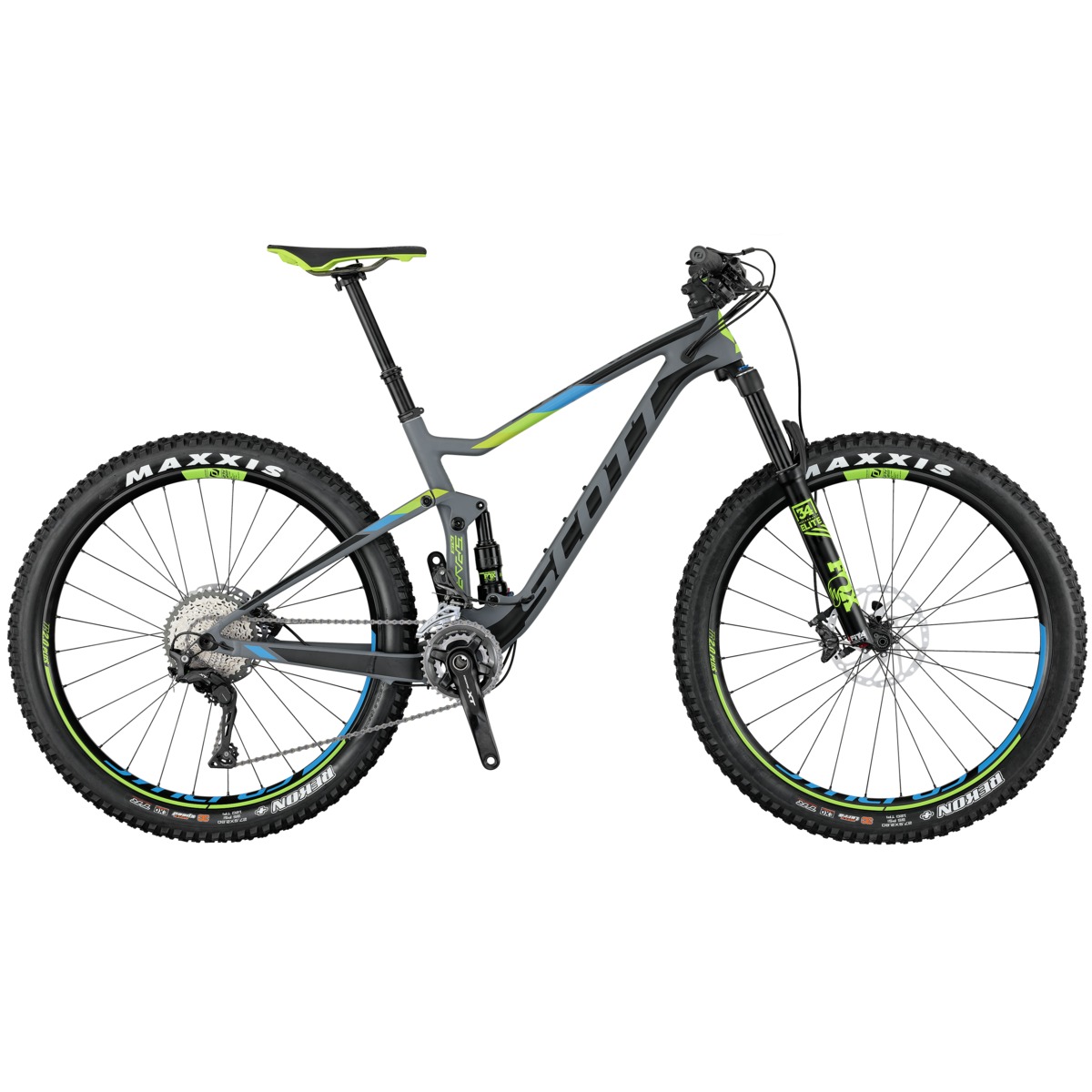 SPARK 710 PLUS
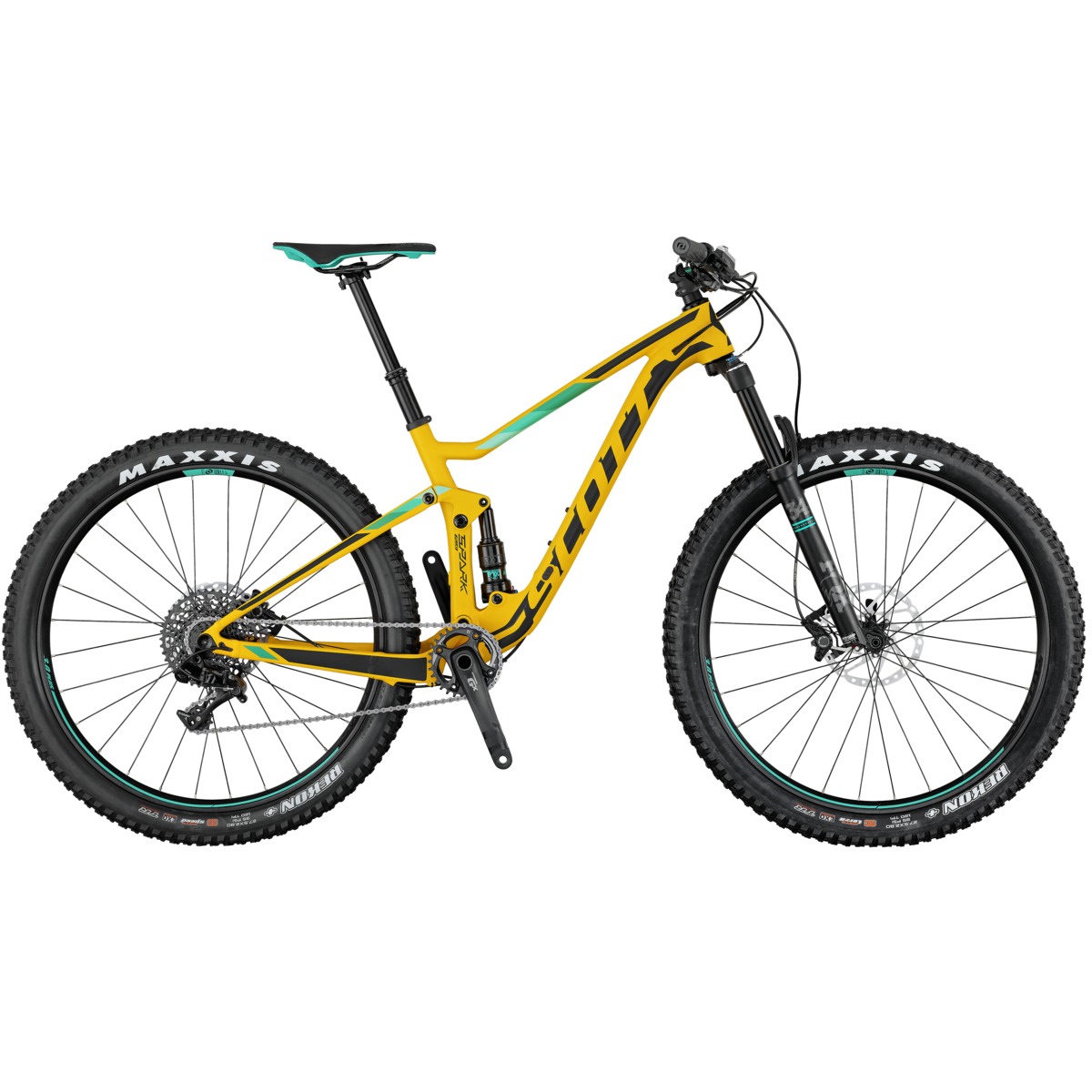 SPARK 720 PLUS
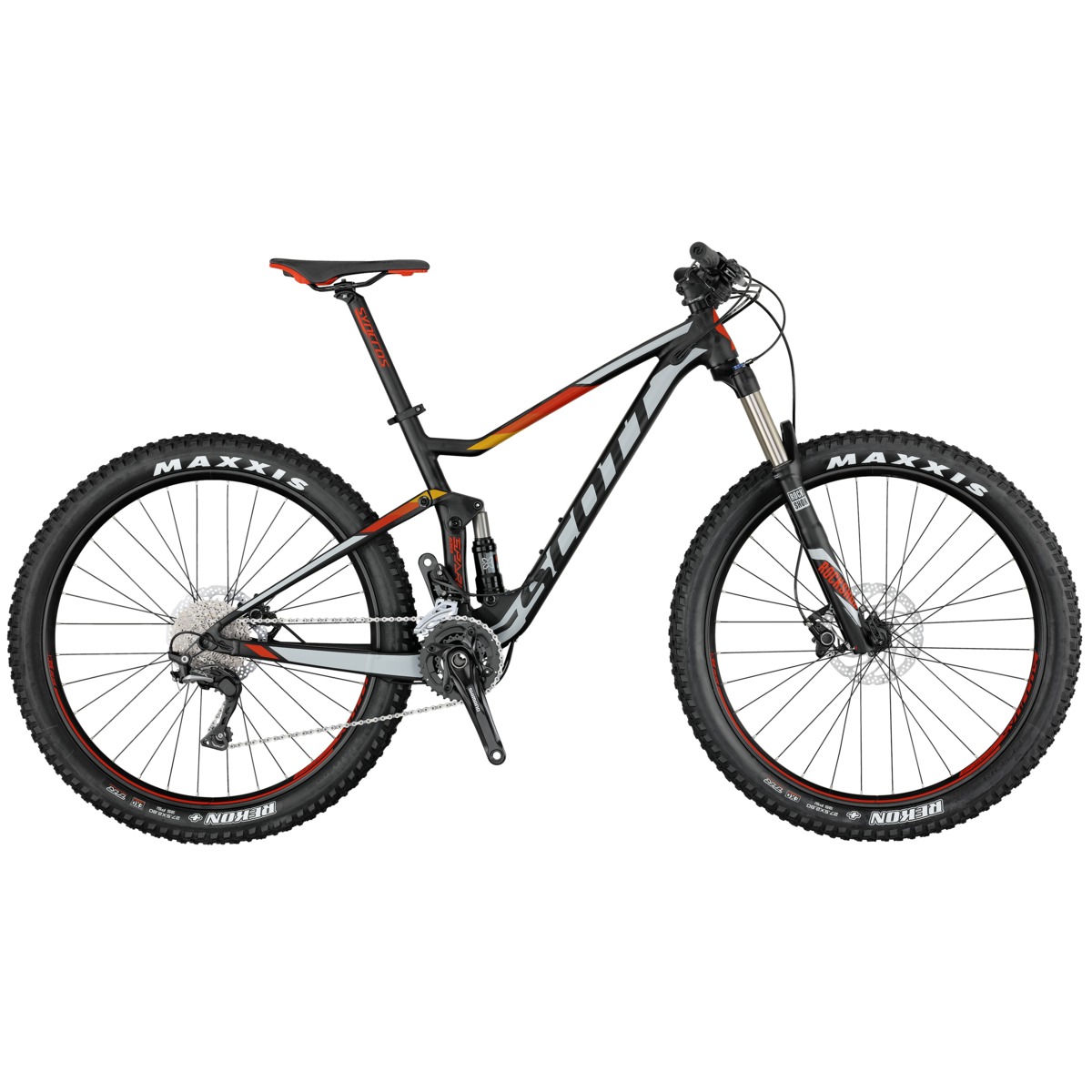 SPARK 730 PLUS
Contessa Spark
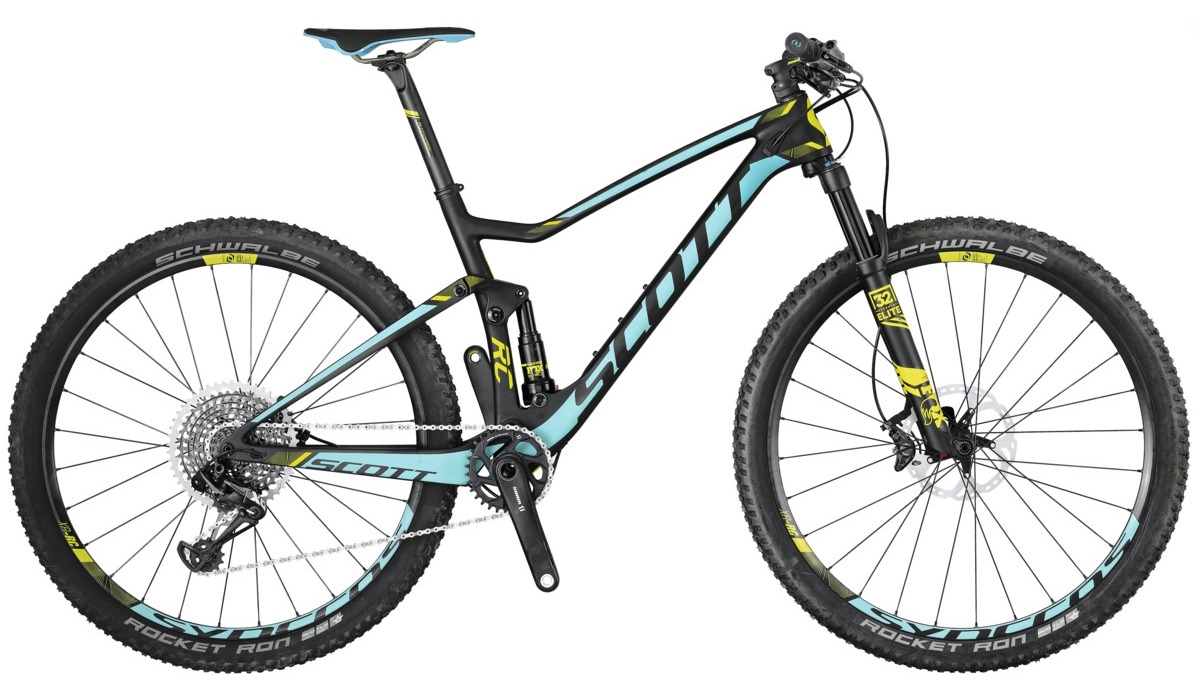 CONTESSA SPARK RC 700
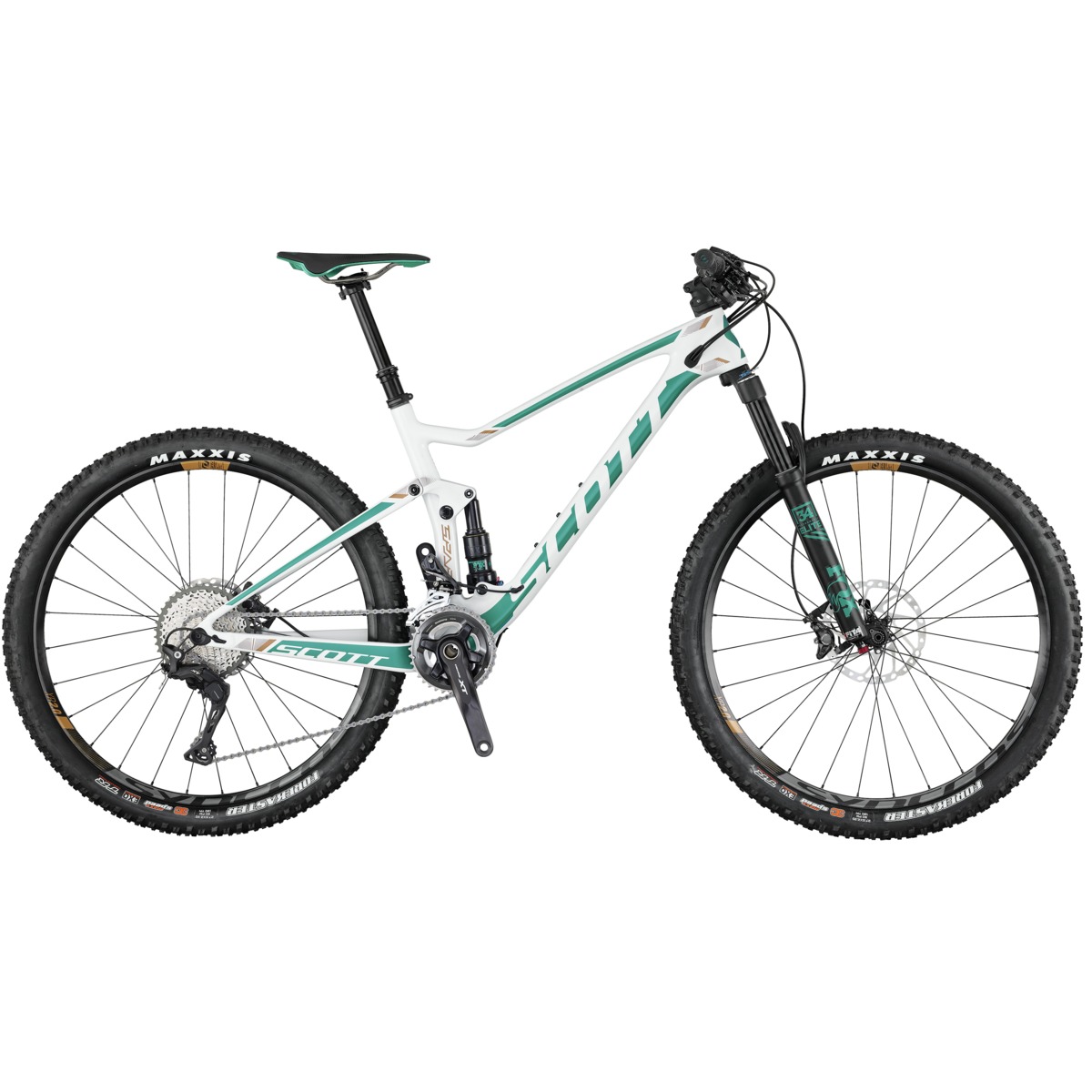 CONTESSA SPARK 700
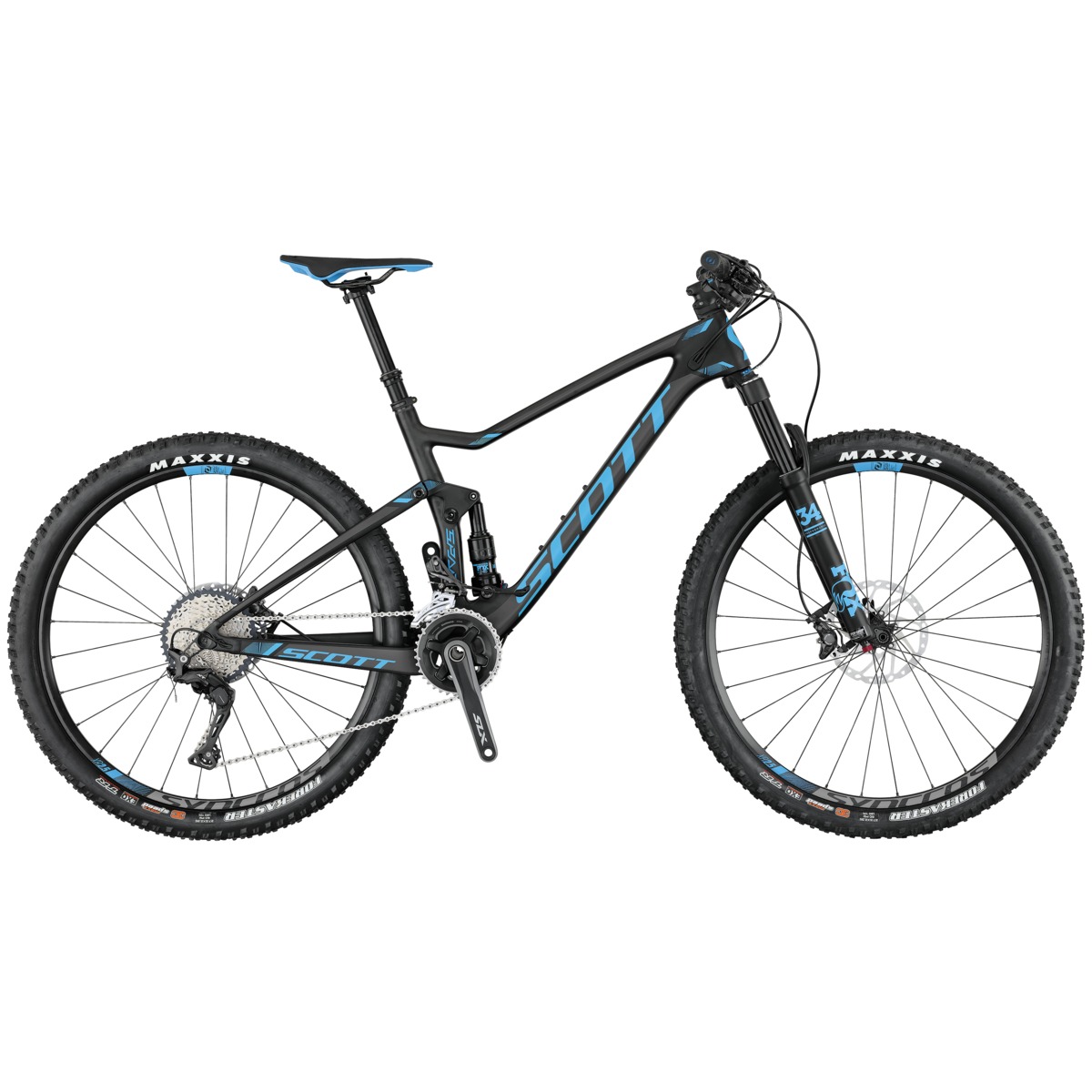 CONTESSA SPARK 710
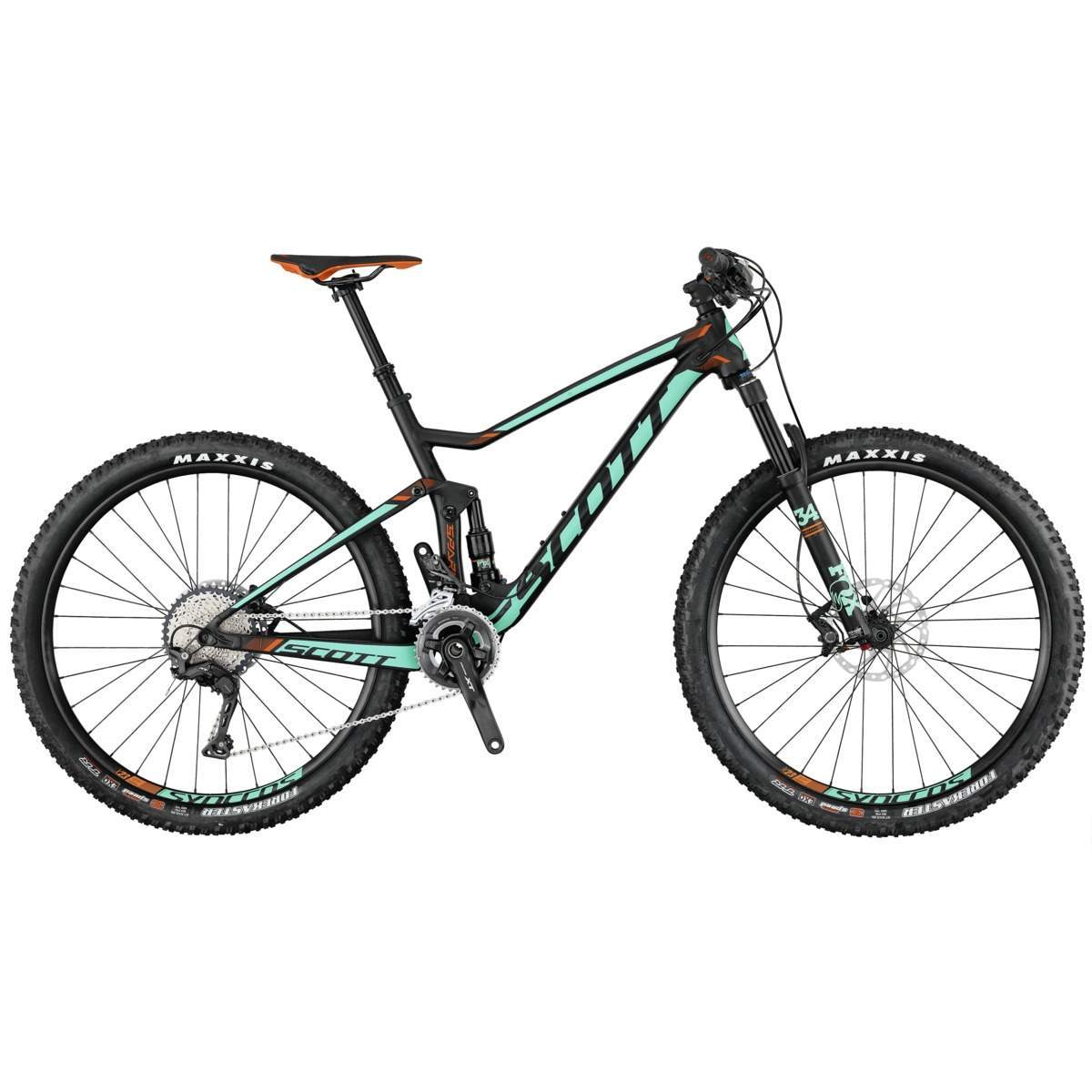 CONTESSA SPARK 720
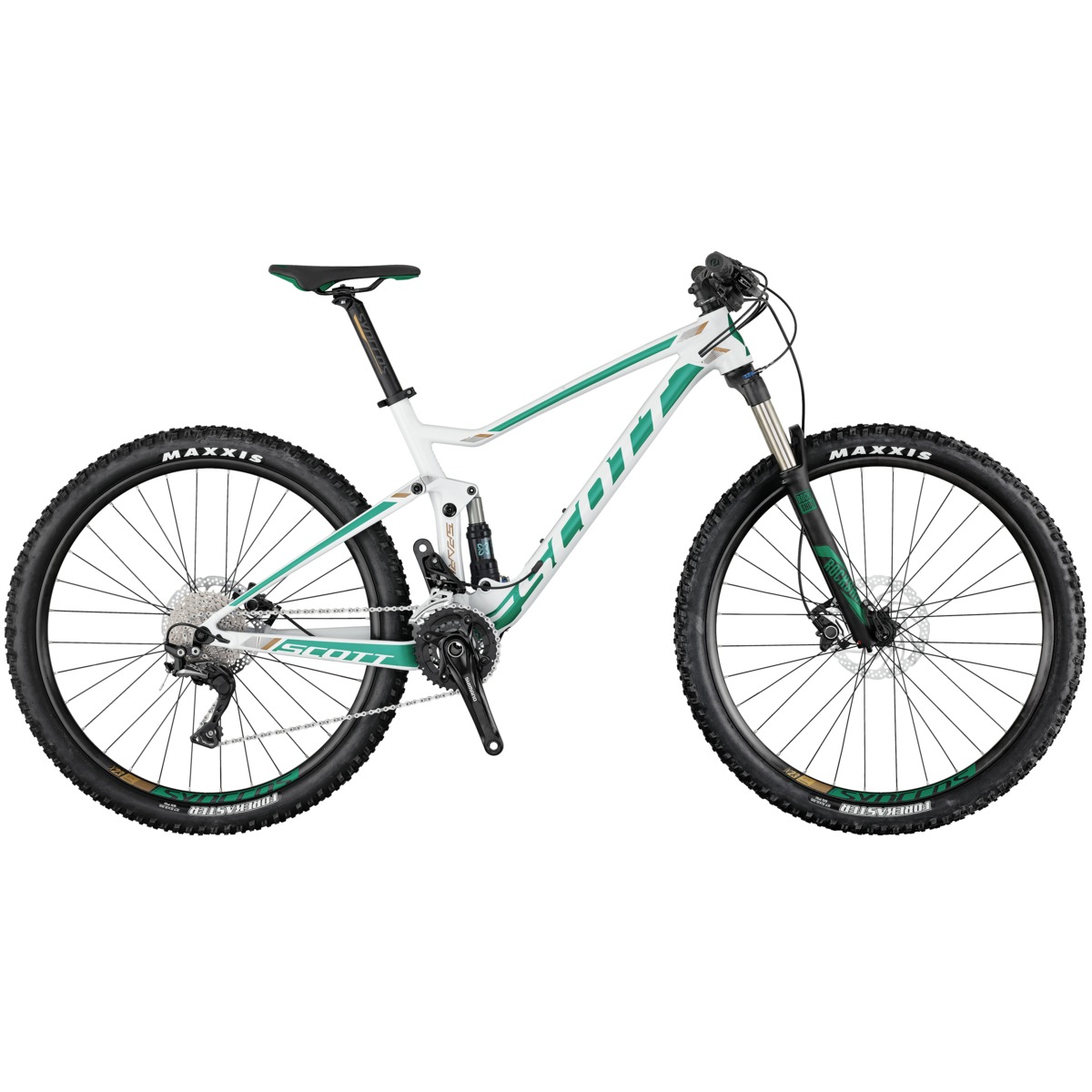 CONTESSA SPARK 730
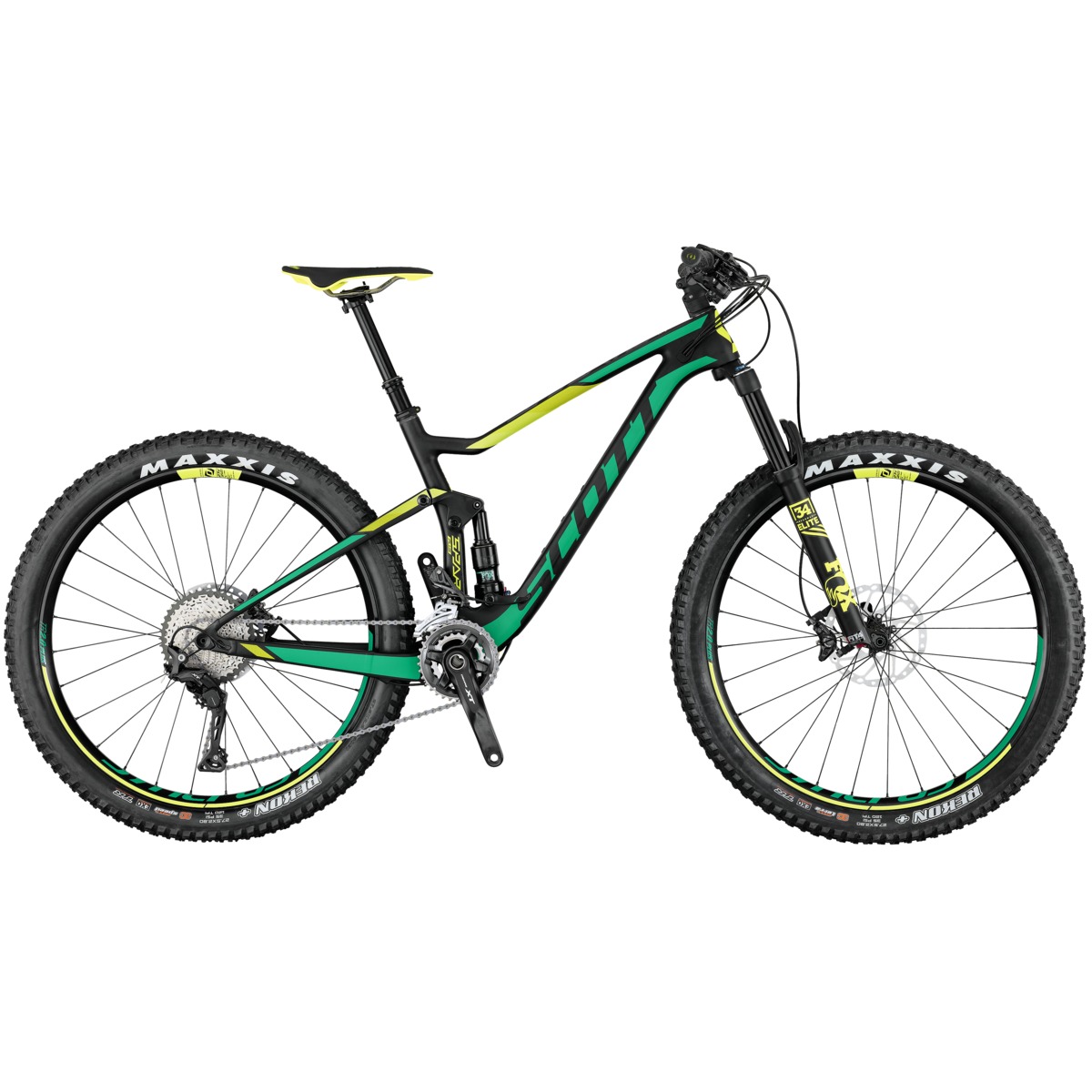 CONTESSA SPARK 710 PLUS
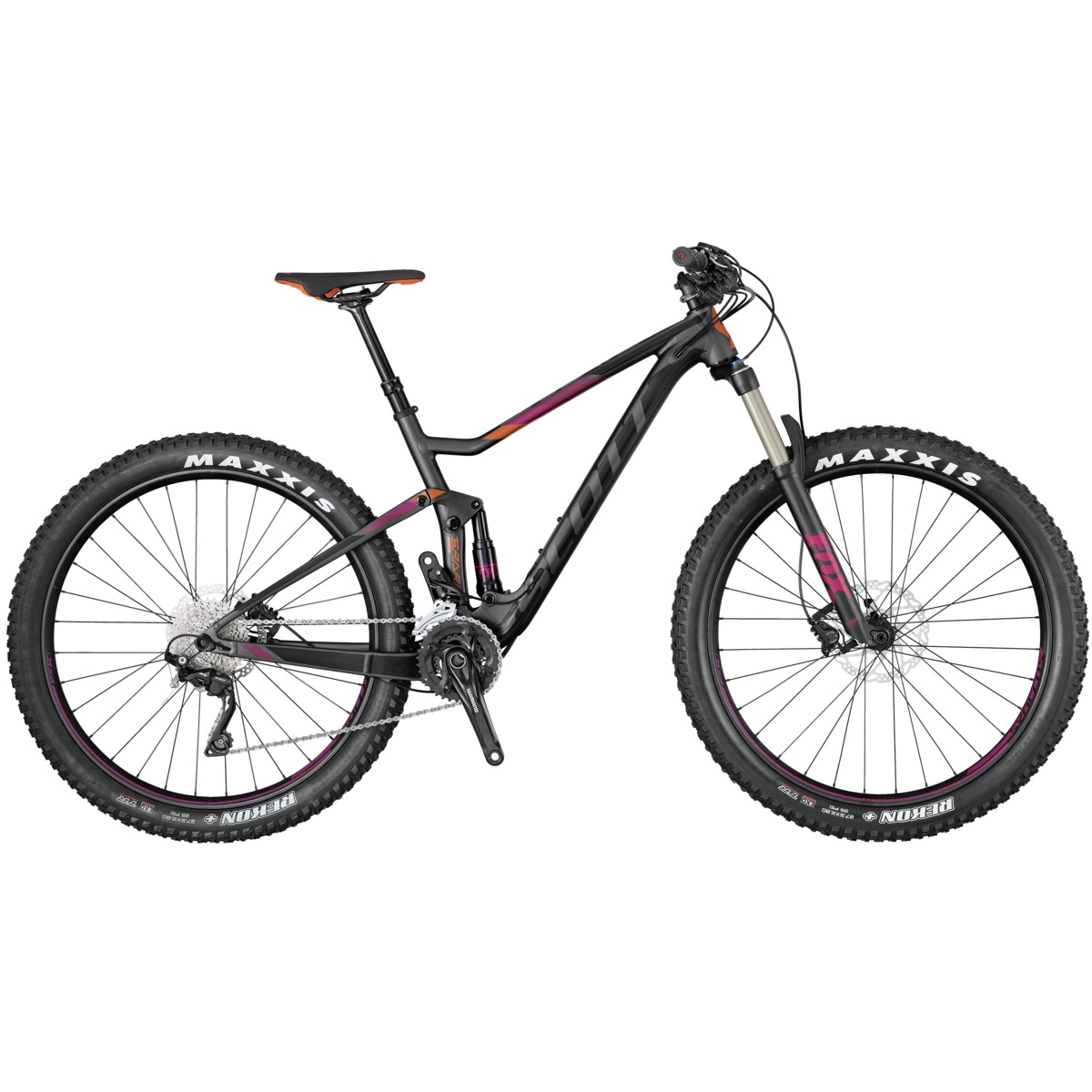 CONTESSA SPARK 720 PLUS
The New Scott Scale
The Scott Scale hardtail has also been revamped with similar design concept changes as the new Spark. Scott claim that they have produced the lightest, stiffest and most comfortable Scale yet.
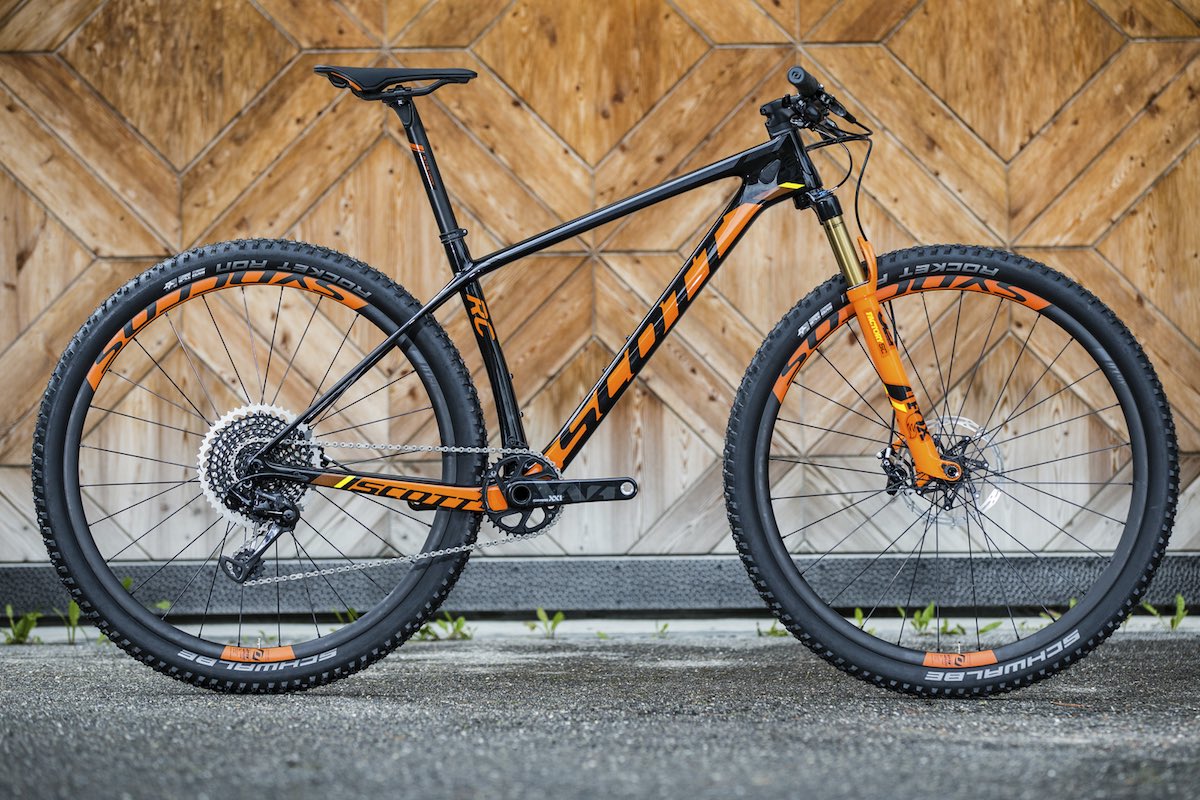 Scale RC 900 SL
Like the Spark, the Scale RC has seen new fibres and construction methods introduced to lighten and stiffen the frame. The new Scale frame weighs in at 849 grams. The frame also assists in rider comfort with Scott’s new SDS2 technology providing controlled flex in areas that increase rider comfort and absorbs vibrations without sacrificing on pedalling efficiency.
Dan Roberts – Scott Engineer
The Scale RC provides for only a 1x drivetrain with other Scale models allowing 2x configurations as well. Other features like Boost axle spacing, an axle anchored rear brake mount for stay flexibility, internal cable routing and integrated chain guide also make their way over from the Spark to the Scale.
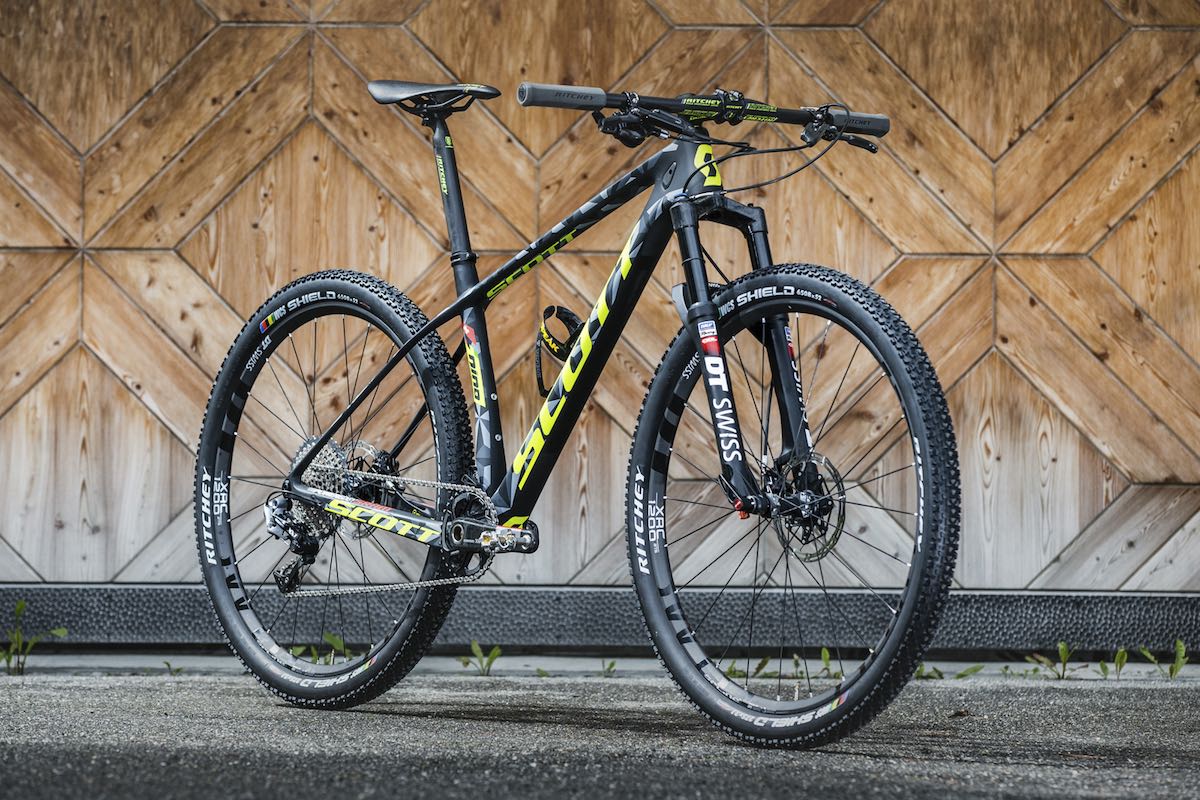
The new Scale has seen significant geometry changes. For example, the 29er geometry has been updated with a 13mm shorter chain stay to sharpen the handling and also to guarantee traction and a centered rider position on the bike the 900 series has also a 1.1° steeper seat tube angle which helps to maintain the riders weight balance be- tween the wheels. As a result the reach grew by 17mm, while keeping the toptube length the same. Stack height has also been reduced, allowing more and lower possibilities for handlebar positioning.
The Scale also has a Plus sized bike in it’s ranks. The Scale Plus features a 120mm travel fork with 2.8″ plus tyres.
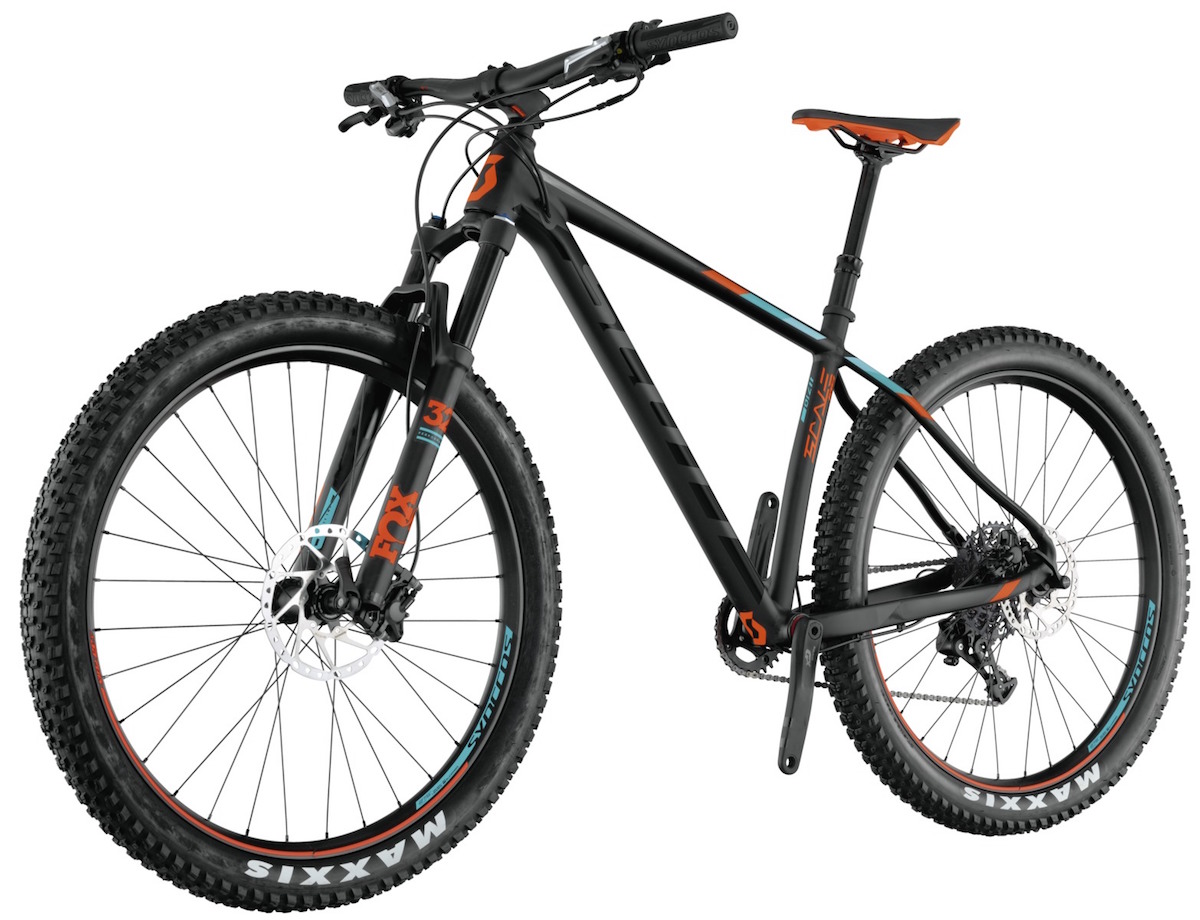 Scale 710 Plus.
Details from Press Release
Spark Frame Technology
Over the years, the R&D experts at SCOTT have learned a lot when it comes to carbon engineering. For the 2017 generation, we’ve used our expertise to not only create super high-end carbon frames, but rather to apply our knowledge of ultra-lightweight carbon construction also for all existing levels of carbon frames that we offer.
In terms of carbon evolution, our carbon experts started over from zero for the Spark project. We not only use new carbon fibres. We now also have more complex and intelligent shapes for the layers. Plus we broke our frame build-up into more pieces which results in a higher complexity of the frame.
Three material levels can be found in SCOTT’s carbon bike range – HMX- SL, HMX and HMF. With the new lay-up process, all carbon bikes become lighter, and stiffer.
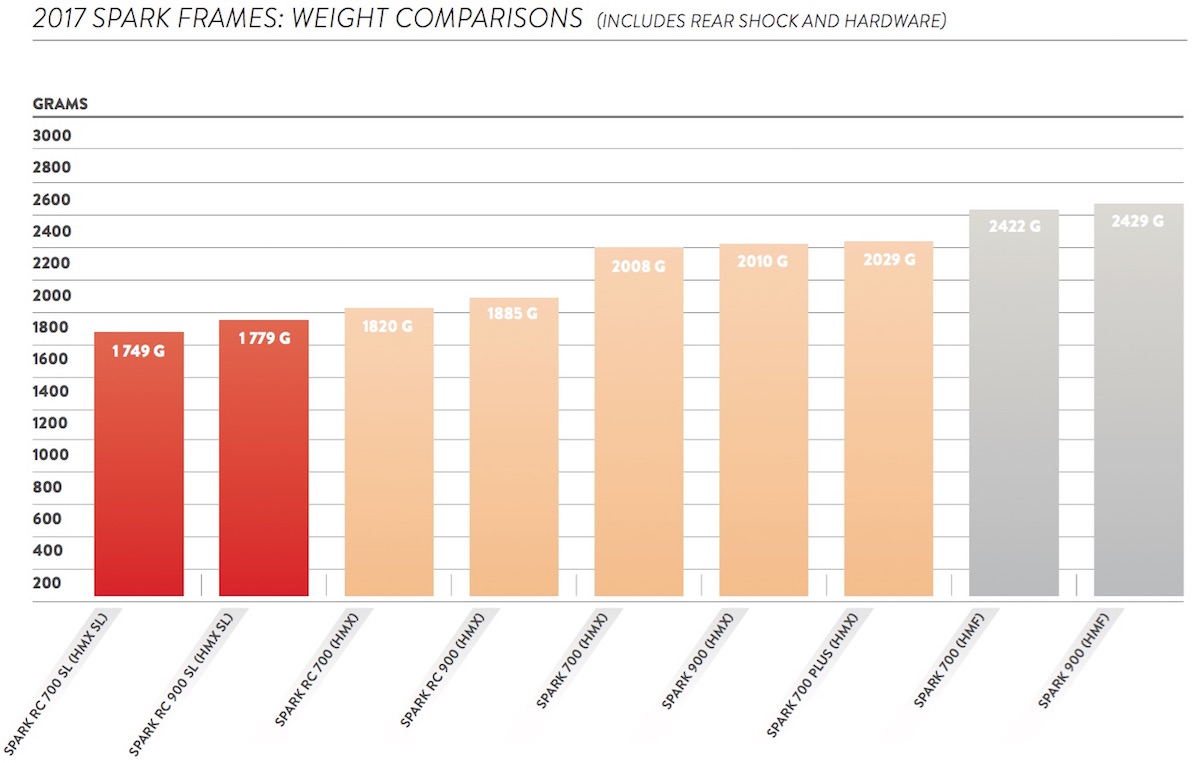
Lay-Up Types used by Scott
HMX-SL uses the highest performance fibres currently available. MR70 is a new introduction to our layup collection. The raw fibre undergoes an extended refinement process to reach extremely high levels of strength with good stiffness. To further boost frame stiffness, tapes of the exceptionally stiff YS60 fibre are applied strategically. Fibres impregnated with a nano resin are employed in some areas of the frame. This specialist resin boosts matrix strength perpendicular to and o axis o the fibre direction to toughen the structure.
HMX: SCOTT has improved upon the now conventional high modulus carbon fiber, HMF, used throughout the bicycle industry. HMX is a fiber blend used by SCOTT, and is 20 percent stiffer than its HMF counterpart for the same weight. This unique material allows SCOTT engineers to create incredibly light bikes with excellent riding characteristics. The cost of HMX, however, is three times that of HMF, and is therefore reserved for our high end frames.
HMF carbon fiber is used to maximize strength and to keep weight low. This material has an optimal blend of stiffness and strength that offers the best riding session. SCOTT’s engineering know-how is utilized in order to create the perfect lay-up with regards to orientation and fiber size. HMF fiber offers superior strength compared to the industry standard.
Drivetrain Optimizations
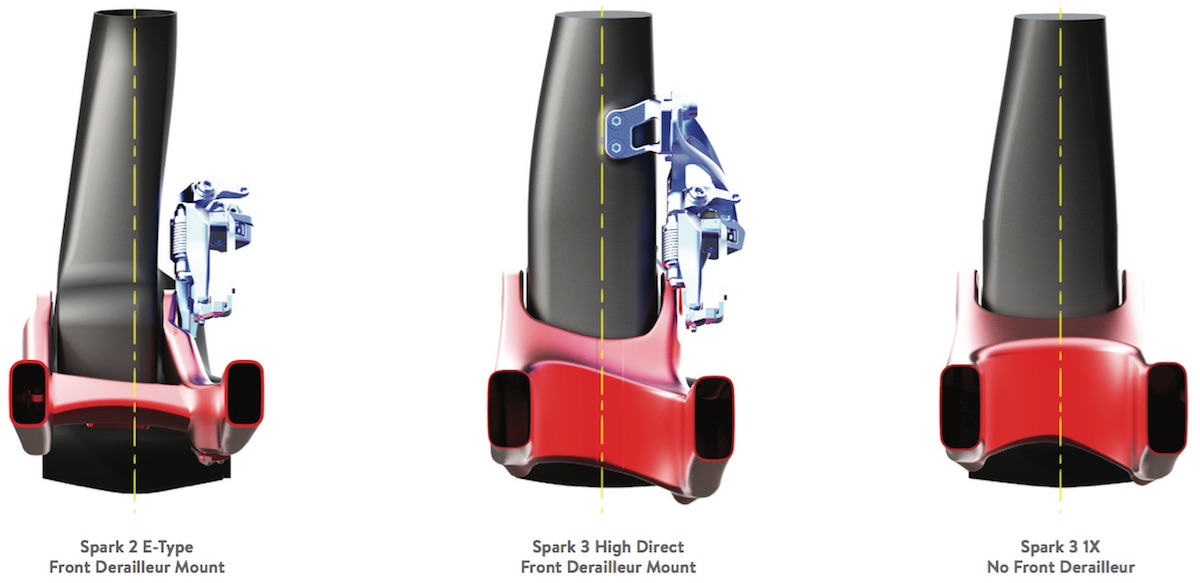
When the components evolve, bike frames can be made to take full advantage from the characteristics of the new products. Following this idea and in response to different requests coming from the riders we’ve engineered two different frames: one that accommodates only a single chain ring and one for the more traditional double chain ring setup. The single chain ring setup is considered most appropriate for racers and riders that are looking for pure performance so this 1X specific de- sign is used on the HMX-SL and HMX frames.
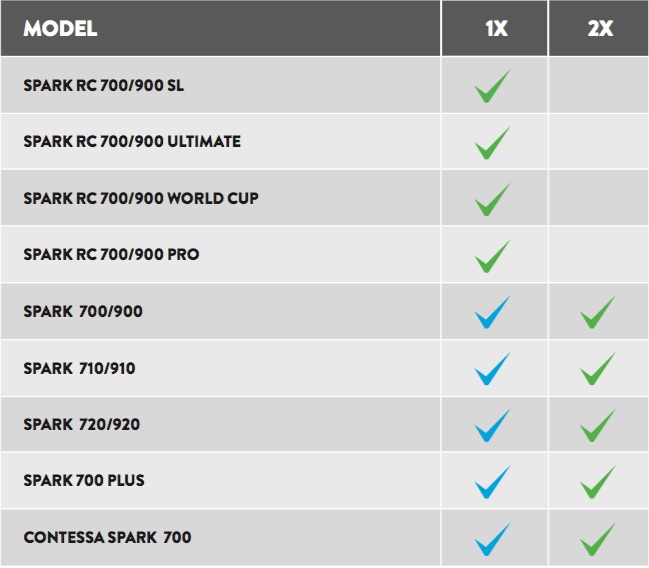
Appealing more broadly to enthusiasts and casual riders, the HMF frame series has been designed for 2X set-ups but can easily accommodate a single chain ring configuration while maintaining a clean look.
The main feature of the single chain ring design consists not only of the removal of the front derailleur mount on the frame and the related weight savings but especially of the opportunity to redesign the chain stay and seat tube with a symmetric shape.
Without the derailleur and small chain ring, there’s more clearance be- tween the crank set and the rear tire. Following the same logic behind Boost technology this allows us to increase even more the cross-section of the chain stay tubes that, together with the down tube, represent the core of the structures stiffness.
While the previous Spark utilized the E-Type FD mount, the Spark uses the new High direct mount FD for its 2X versions. Thanks to the High direct Mount FD and Boost, we are able to engineer a wider Main Pivot and bigger chain stays.
On the Spark RC frames the benefits are even greater thanks to 1X design. We can build the frame in this area even stiffer. There are no FD clearance constraints.
New rear triangle
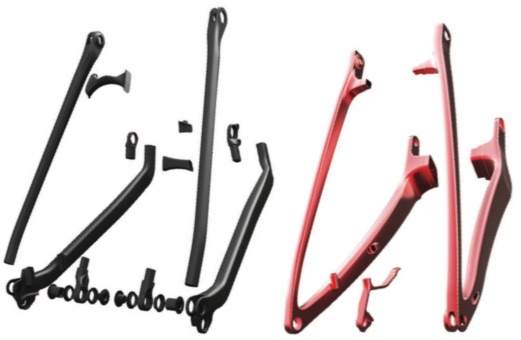
The rear triangle of the previous Spark consisted of 18 separate parts. The new rear triangle is constructed from a single left and right hand moulded carbon part, plus a separate brake mount. We use less metal, with fewer joints, and less hardware. Thanks to the new simplicity of the construction, we save 130g.
New brake mount
The key to designing such a simple rear triangle was maintaining a fully tubular construction, without a pivot in the dropout area.
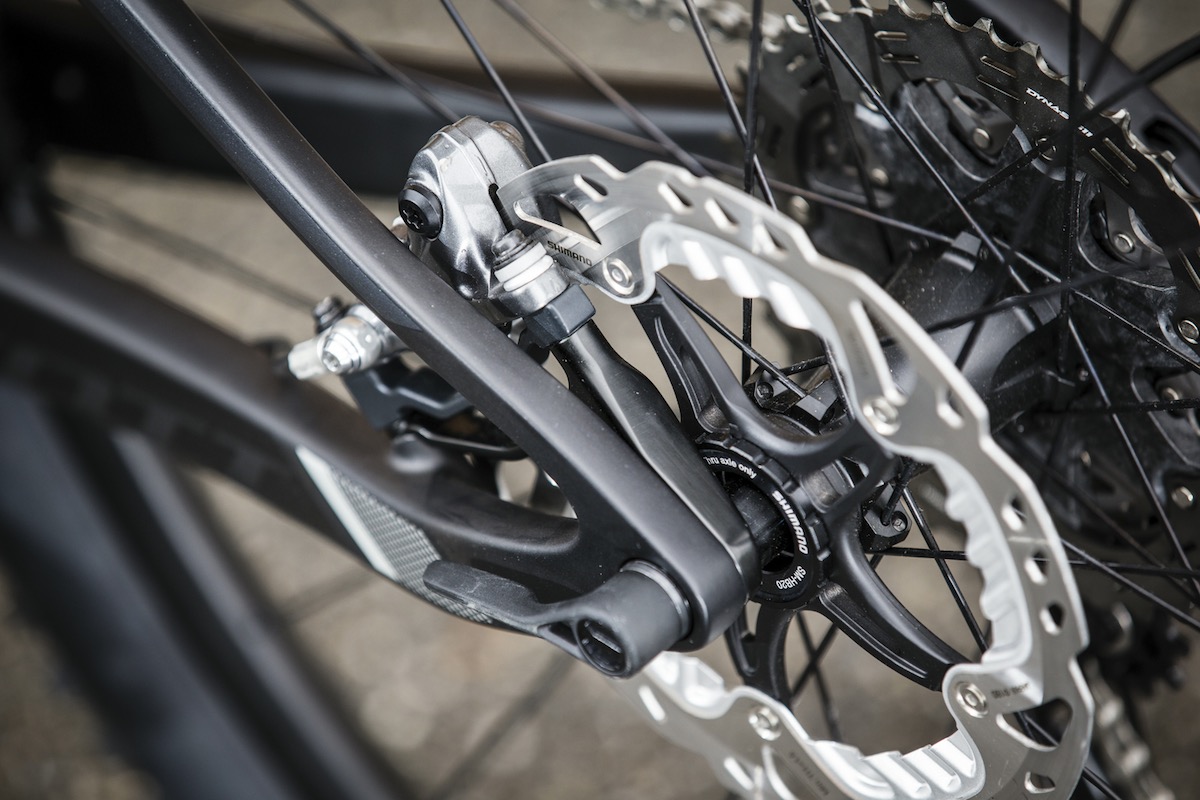
To allow the seatstays to flex freely as the suspension compresses, we’ve introduced a specific brake mount anchored directly to the chain stay and the wheel axle. Thanks to this solution the carbon structure is clean- er and lighter and the flexion of the rear triangle on the brake side is not inhibited. The brake mount is available in two versions, one for 160mm rotors and one for 180mm.
Rocker link
The Spark carbon linkage is constructed with a compression mould- ing process. It’s 37g lighter than the aluminium equivalent and half the weight of the previous Spark linkage. Making the link in two pieces means all excess material can be removed from the inside of the linkage, without sacrificing stiffness.
- SPARK RC CARBON LINK 77G
- SPARK RC ALLOY LINK 114G
- MY16 SPARK ALLOY LINK 145G
Pivotless swingarm
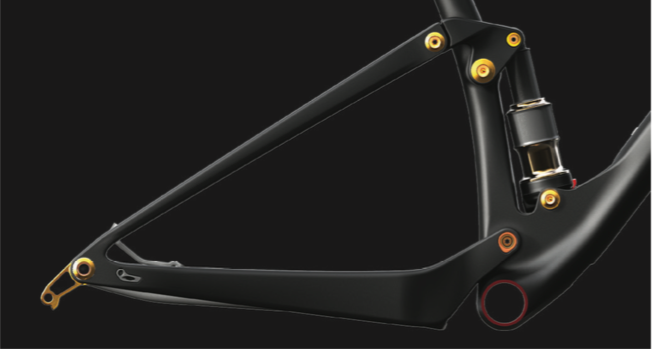
The pivotless swignarm design enables the rear triangle to be moulded in two continuous tubular carbon parts saving considerable weight.
Metric Shock and Trunnion Mount
We have adopted the new Metric shock sizing standards with a Trunnion mount. Since the shock body now extends between the two lower mounting bolts, our suspension partners have more design space. This means the shock has more stroke for the same eye to eye length. Stroke on the 165mm eye to eye shock has increased from 38mm to 40/45mm. The Trunnion standard also offers structural gains. The shorter shock enables us to build a very compact frame and shock package, which integrates tightly to the seat tube.
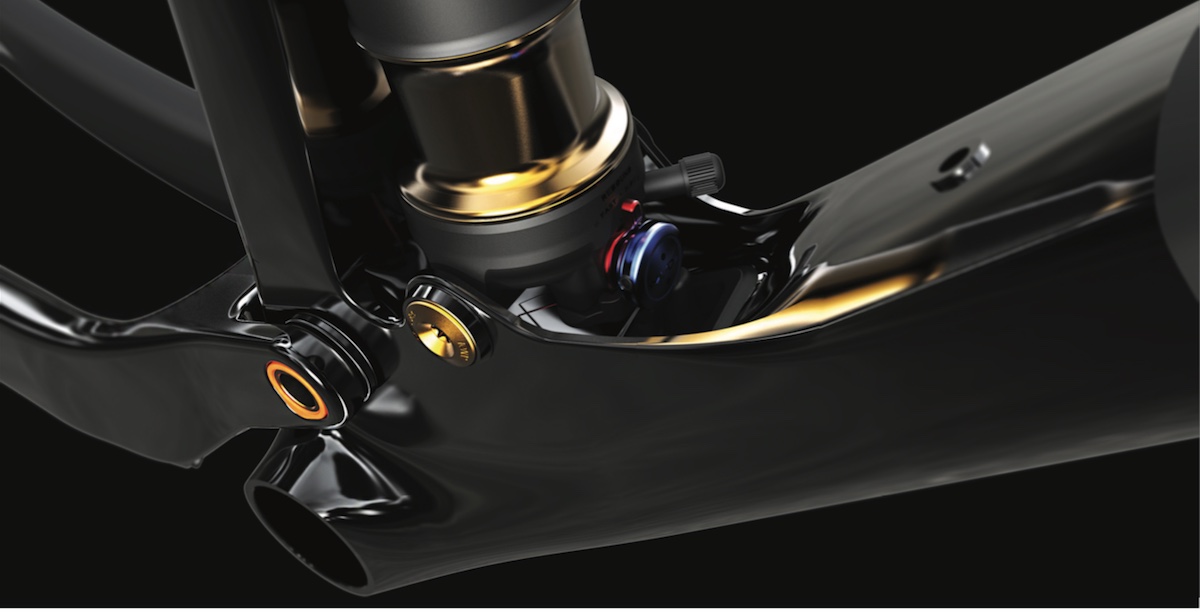
We managed to have a very tiny yet stiff linkage- lighter than ever. Thanks to the Trunnion mount construction, stand over height on the new Spark is very low. We are still able to realize a super compact full- suspension frame and provide the ability to mount both a small and big water bottle.
The Spark family maintains the 165mm eye-to-eye shock length of the previous Spark 900 (our shortest shock), but realises up to 7mm more shock stroke.
All Spark RC and most Spark and Spark Plus bikes utilize the FOX Nude shock, specially made for SCOTT:
- 165mm Metric Trunnion shock
- 40mm (100mm travel RC Spark line-up) vs. 38mmm (old Spark)
- 45mm (120mm travel Spark line-up)
By turning the Trunnion shock upside-down, we can fully integrate it into the frame which results in several benefits.
Since the Trunnion mount is the same width as the down tube and main pivot, we can have a very clean frame design in this critical area. The lack of tight transitions and small details allows for an efficient, continuous carbon structure. Carbon material added to reinforce the shock mount also stiffens the connection between the down tube, main pivot and bottom bracket, a key stiff ness path.
The flipped shock also lowers the frame’s center of gravity helping to give a more planted feel when riding.
Unsprung mass is reduced since it is the lighter part of the shock, connected to the linkage, not the heavier body which must move during an impact – the suspension system can react faster.
Our TwinLoc remote cable can be routed cleanly into the down tube.
Asymmetric design
The Spark down tube shock and linkage are clearly asymmetric, when looking from the top of the bike. Carbon fibres achieve their full potential when used in smooth straight lines. O setting the shock slightly to the left hand side of the bike gives a clean and continuous structure from the down tube through the shock mount to the main pivot.
Boost Technology
Boost is a hub and drivetrain standard developed by SRAM. Boost is built around a wider rear and front hub and enables stiffer wheels due to a wider spoke bracing angle. Boost 148 rear hubs move each flange of the rear hub three millimeters wider. Boost is designed as a complete system so drive- train performance isn’t compromised. Even though Boost pushes the cogs three millimeters outboard, the crankarm Q-Factor remains the same as the Boost system’s crankset utilizes front chainrings that sit a correspond- ing 3mm outward to ensure the required chainline. Boost cranks can only be used when paired with a 148mm hub. On the front the hub spacing is increased by 10mm to 110mm.
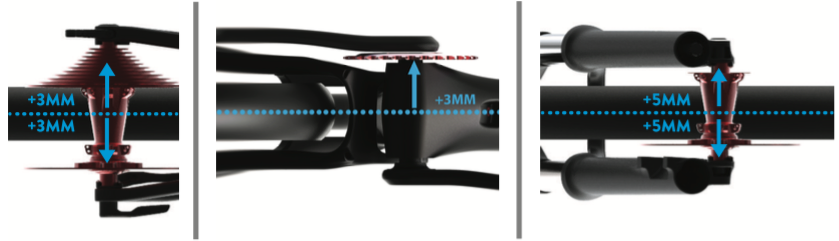
Increased wheel stiffness and greater clearance for bigger tires are the main advantages of Boost technology. On the Spark project, we wanted to go beyond the basics and reap all the benefits of this innovation by optimizing frame design and geometry.
The 3 mm outboard chain ring adds clearance in the chain stay area that allows a substantial increase of the chain stay tube cross-section. Correspondingly, the stiffness in this part of the frame improves.
Also, with a wider range of positions for the rear wheel, the frame geometry can be adjusted. We can shorten the chainstays for more agile handling.
Suspension Technology
Single-pivot Rocker Link Design
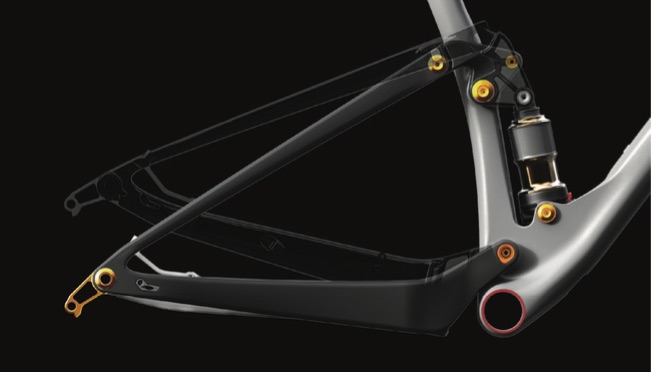
For the new generation of Sparks, our goal was to develop an extremely light suspension system without compromising suspension performance. We changed from a single pivot top link design to a rocker link layout, allowing us to achieve suspension characteristics that weren’t possible with the previous design. With two years in the making, our engineers now realized a single-pivot based full-suspension frame, which we believe will help riders to boost their performance regardless of their intended use. We wanted to create a full-suspension bike which is more than just light and stiff – we wanted to build a bike which is also capable, and more versatile than ever before.
Thanks to the prevalence of 1x drivetrains, we have been able to increase the main pivot height to deliver perfect power transfer which will make it easy to punch up technical climbs.
Moving from our old platform to the new, single-pivot system has multiple reasons. Today, we believe a single-pivot system is the way to go in order to provide the best kinematic plus a superlight and stiff frame. We can build the new Spark with an unmatched stiffness-to-weight ratio. Less pivots also mean less maintenance, and even more importantly: a more sensitive riding performance. The layout allows us to design a lighter frame as shock forces are now transferred into the already reinforced main pivot and bottom bracket area. The top tube no longer has to with- stand shock loading so it can be lightened.
- Realize the lightest full-suspension lay-out to date, 1749 grams (Spark RC 700 SL, with shock)
- Create the shortest shock-package possible
- Achieve a superb kinematic with an optimized suspension curve
- Offer a system with best bump sensitivity and bottom-out resistance as well as good mid-stroke support
Suspension Curve: More sensitive, more support, better end-progression
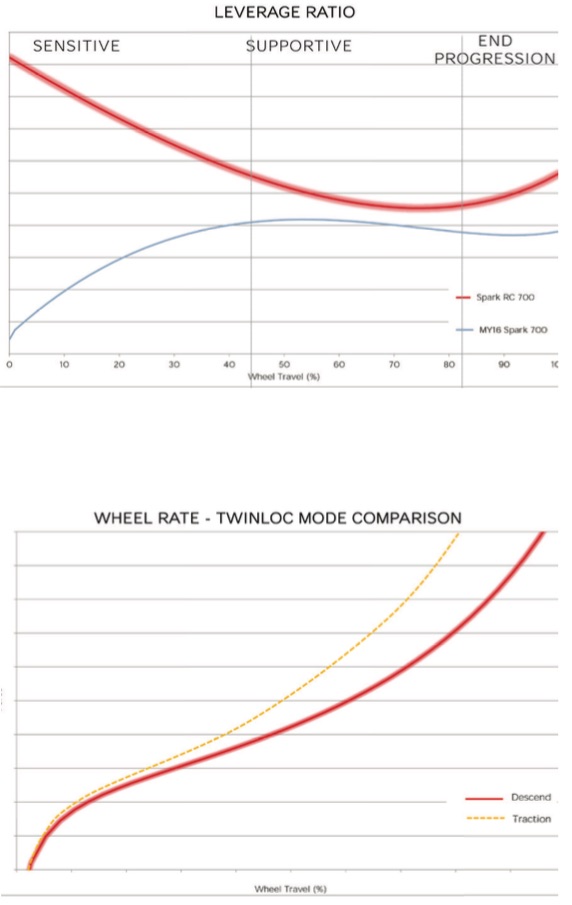
The new layout offers better overall suspension performance. We can achieve a more consistent leverage ratio which transfers less force to the shock as the suspension compresses. This means the suspension is more sensitive at the beginning of travel, where small bump sensitivity is critical, but offers more support from sag point onwards, which is important for good pedalling and cornering response.
Traction Mode: 2-position air volume adjustment; 20% reduced wheel travel
Our 2-Position Air Volume Adjustment is the system that allows us to attain two unique spring curves for Nude equipped bikes. The Twinloc lever opens or closes a second air chamber inside the shock creating two unique geometry and travel modes. In Traction mode, a single chamber is used, there is less air spring volume leading to less sag, a more agile geometry and shorter travel – ideal for climbing. In descend mode both chambers are employed, the air spring volume increases allowing the bike to sag into a slacker position with more negative travel and more available travel at an engineered spring curve specifically chosen for the full travel mode. Effectively, this technology gives you two bikes in one. No other system on the market provides this.
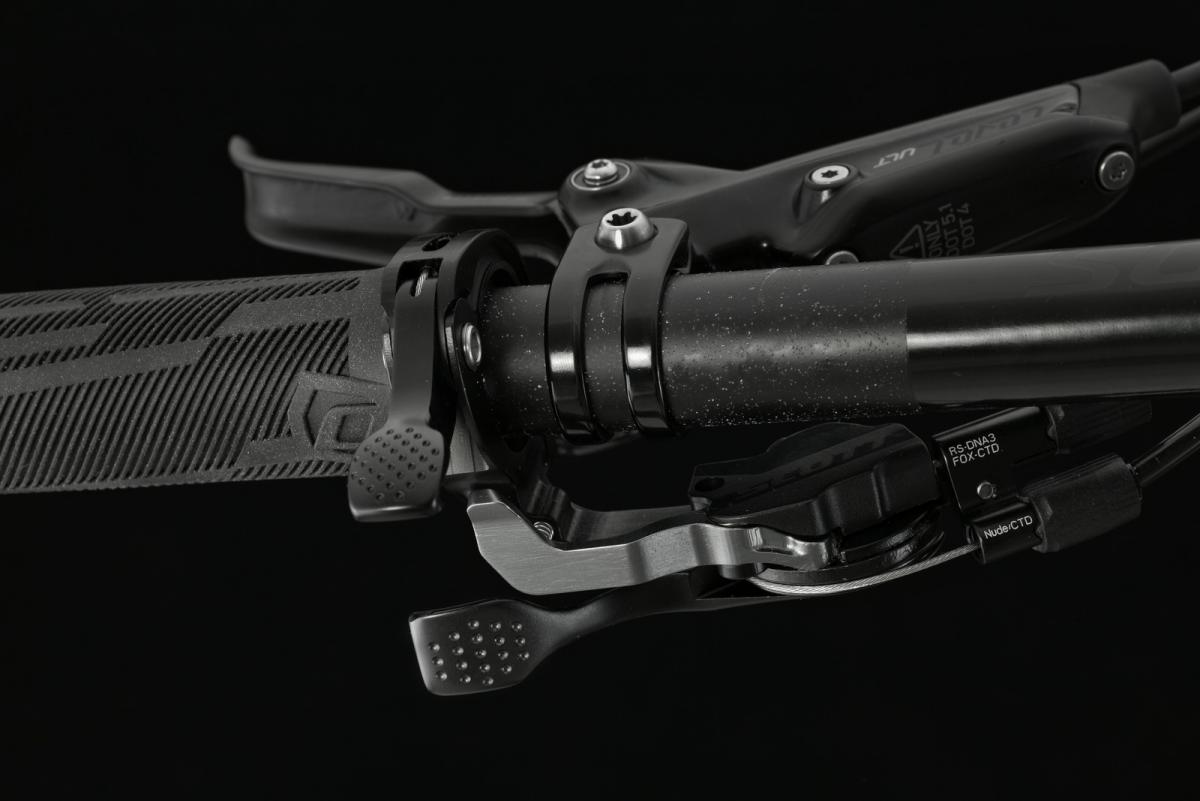
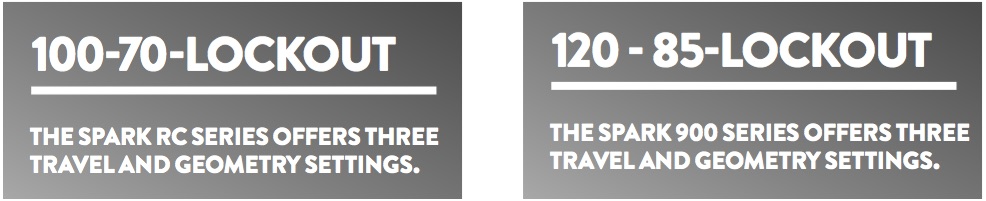
Twinloc – 1 lever, 3 settings
Full suspension bikes are commonly seen as assisting with descending. When it comes to racing, their real advantage lies not only in managing drops, rocks and roots; they are also a huge benefit when going through transitions and when mastering technical climbs. In XCO racing, descents make only a small time portion of the race. The largest proportion is spent on the climbs. When climbs are full of roots, rocks and tricky sections, the full suspension will help riders maintain traction and power delivery. The less energy wasted trying to save a mistake the more goes into going uphill quickly.
Our new platform has seen a major update in terms of suspension qual- ity thanks to the revised layout. We’ve achieved a huge improvement in suspension curves, and we’ve achieved the supple suspension and good end progression riders want to have on rough trails. In addition to that, the new Spark delivers good power transfer which will make it easy to punch up technical climbs.
However, in some situations, the best suspension can’t match with a fully locked rear triangle. That’s when SCOTT’s proprietary TwinLoc comes into play. We give the rider the option to fully lock their suspension when the trail demands. We o er the most efficient bike handling in any riding situation.
SCOTT ’s patented TwinLoc is still the only system on the market that con- trols damping and air volume to o er three distinct ride settings. With a flick of the thumb, you can be in Traction Mode on both the fork and shock, then quickly back to Lockout for climbs or Descend for the downs. For 2017, we have a new TwinLoc lever that is accessed under the handle- bar. This allows the lever to be placed on the left side, which allows more options for a dropper post and is great for the ever popular 1x drivetrain set up. This solution is protected, more versatile, and more ergonomic than ever.
System Integration
Internal cable routing
To provide a clean look and a functional solution for all the different control cable standards on the market, cable routing is fully internal and designed for full length cable housing. Routing the cables internally omits bulky external hardware and looks cleaner. The cables can endure a longer lifetime as they are protected within the frame.
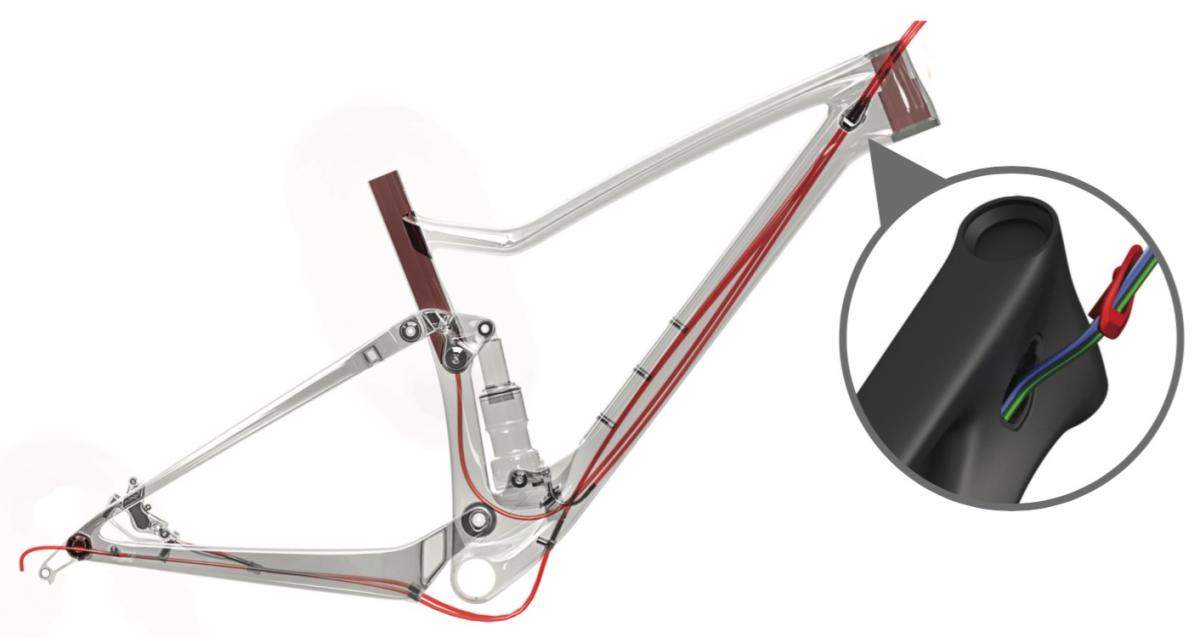
The entry points are machined alloy removable inserts that come along with the frame and can be chosen according to the setup of the bike. Assembling an electronic group or a dropper post will not be a problem and the look will always be clean-cut.
Scott Chainguide
Our integrated chain guide was developed in collaboration with the SCOTT ODLO MTB Racing Team.
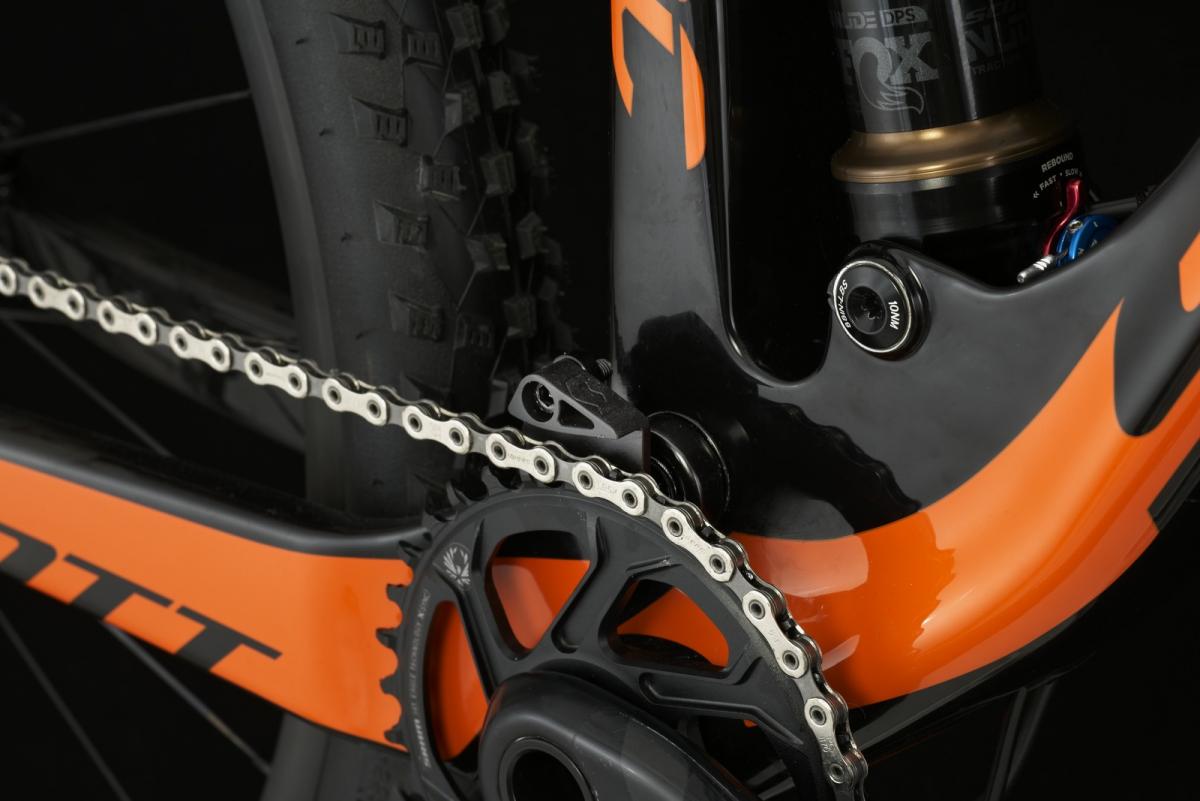
The idea behind was to create a reliable component that helps to avoid dropping chains but that was light, versatile and integrated in the design of the frame. The new Spark chain guide weighs just 23 grams and is easy to assemble thanks to the smart assembly system and can accommodate chain rings from 30 to 36 teeth.
SW Dropouts
On the new Spark we’ve redesigned all the parts that can give us signifi- cant benefits in terms of performance and functionality.
On the previous model the support of the dropout was a bulky additional part molded to the carbon chain stay. The new Spark dropouts are de- signed to be integrated on the thru-axle system thanks to a hollow tu- bular design that allows a simple and lightweight structure. Available for SRAM and Shimano DM derailleurs, this dropout increases the sti ness and avoids damage to the frame in case of impacts on the rear derailleur.
Axle tool
Working together with DT Swiss, we completely revisited the shape of the thru-axle lever to make it more ergonomic and to perfectly fit to our frame. Additionally we introduce a new multifunctional tool integrated on the inner part of the thru-axle itself. This 25T torx wrench is easy to reach and ready to be used for quick adjustments on the trails.
Garmin Mount
The integrated Garmin mount extends the reaches of integration into the realm of accessory products.
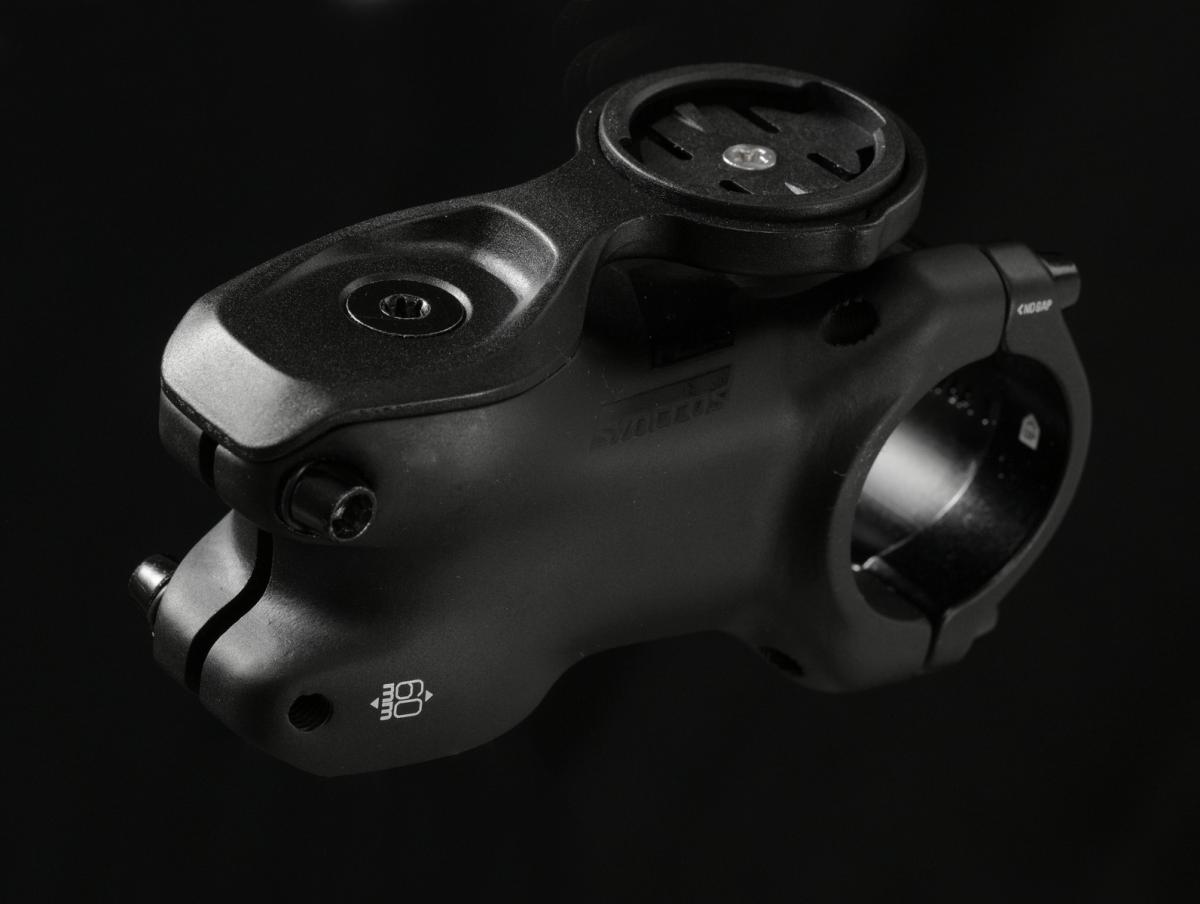
Our goal was to create a computer mount solution for our bikes that is as seamless as it is sleek. We worked on a balanced, minimalist de- sign that secures a Garmin computer right where you need it while also making it unnoticeable when the trail requires your full attention. Easily added or removed with a single torx bolt, the Garmin mount comes in two sizes to guarantee a premium fit regardless of your choice of stem.
Geometry
We’ve brought the Spark up to date with our own interpretation of modern race bike geometry. By splitting the Spark family into three distinct models we were able to tailor specific geometry for a wide range of riders and applications. The family shares some fundamental characteristics which make every bike a Spark.
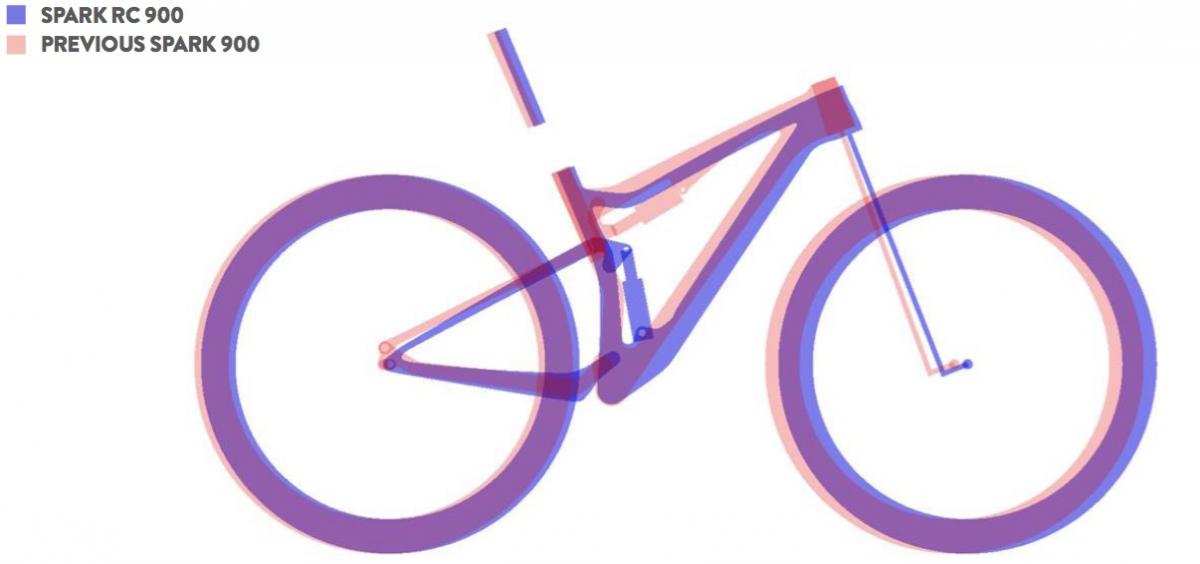
Control
We now have a slacker head angle and shorter stem lengths across the range for better high speed stability and direct steering control. Incorporating the Boost standard allowed us to build a shorter rear triangle for agile cornering. The reduction in chain stay length is especially significant on 29” models. At the same time as shortening the rear triangle, we’ve steepened the seat tube to balance weight distribution.
Fit
Thanks to our new frame design and shock placement standover clearance is improved and the frame’s center of gravity is lowered. Our racers want the lowest possible cockpit so we’ve given them the space to do so by minimizing stack height. Racers can now easily achieve their race fit on a 29” model. Trail riders can still use a taller stem and bar to suit their preference. Longer reaches combined with shorter stem mean riders can achieve their familiar cockpit fit.




Ok but that upside down shock looks a leeeetle bit like a dude with an upside down wiener...