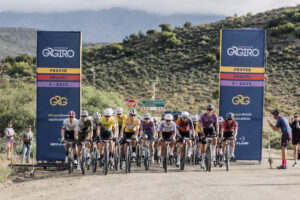
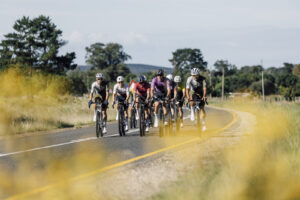
We’ve been seeing Elves bikes popping up on the roads around Cape Town, and have been curious about the brand for a while now. We met up with David Jenkins, founder of Mickey Llew and the Active Hobo, and now the director of Elves Bikes South Africa, to learn more about the brand, its pedigree, and what we can expect from them in the coming months.
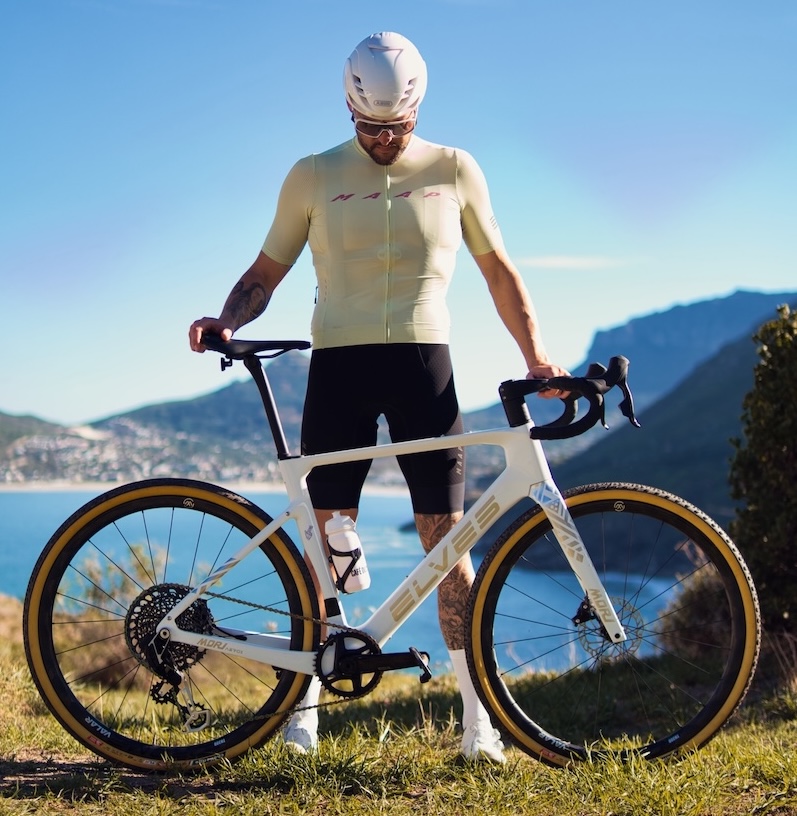
Q: You run a very successful agency. What made you take the leap into bicycle distribution?
It’s a long answer that combines a few different aspects. I’ve always loved business—truly loved it. Since Grade 3, I was cutting out skateboards from Blunt magazine, layering cardboard underneath, tracing sandpaper to stick on top, and selling them as fingerboards for 10c a pop. Later in life, it became more about “Can I do it?” Then, “Can I do it better than anyone else?”
There’s something about creating something, selling it, and then seeing people enjoy using it that really moves me. Over time, it became less of a question and more of a need: “I need to do this so I can provide for my family and live the life I want.”
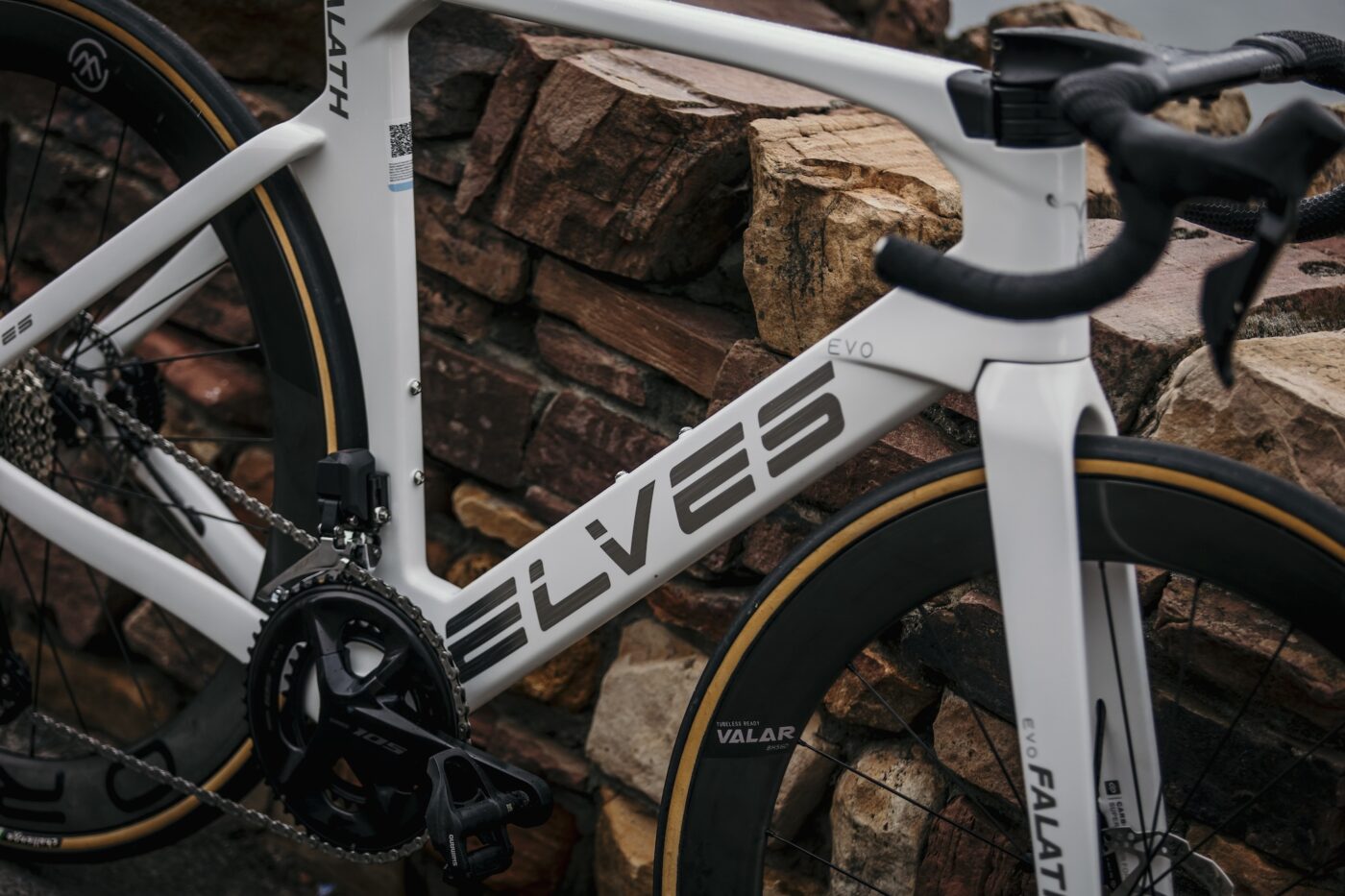
Fast forward to today: I got into cycling again for lifestyle reasons and, as always, went full tilt. That inevitable idea—“It would be lekker to own a bike shop or coffee spot”—crept in daily, but nothing quite felt right. Then, while looking into aero frames (I had an Emonda at the time), I stumbled upon the Elves Falath Pro. Jourdain Coleman’s unboxing video caught my eye, then GC Performance, Cam Nicholls, Dave Arthur—all great insights.
I tried contacting someone at Elves to buy a frame and, in struggling to do so, it hit me: This is it. If I can just make this work, I could be the bridge. That 10c skateboard moment all over again. Could I do it? Yes. And I did.
Ultimately, this journey has merged my two greatest passions outside of family: business and cycling. It’s become purpose-driven. I didn’t see a “gap” in the market or think others were doing it wrong. I just saw an opportunity to do something that reflects who I am and put everything I have into it.
What drew you to the Elves brand?
Initially? Purely aesthetics, to be totally honest! I’m very visual, and Elves bikes are so striking and unique. But as I got to know the team, I became completely won over by their work ethic and dedication to product excellence.
These guys are deeply passionate and live at an insane level of detail. It’s the perfect dovetail. I’m never going to be a frame designer, and they’re not storytellers or customer experience people like I am. But together, we bring the best of both worlds.
Can you tell us the story behind Elves Bikes?
Elves’ story really starts with David Chiang, somewhat of an OG in the bike world. He’s designed frames for brands like Specialized and Giant and has a deep understanding of bike design and its real-world impact. To me, he’s like the Adrian Newey of bikes.
Nineteen years ago, two facilities were set up: a carbon manufacturing facility in Shenzhen, China, and an R&D hub in Taiwan. Initially, they focused on OEM and ODM work: designing and manufacturing bikes for other brands. The fact that they succeeded in this highly competitive space is impressive.
In 2016, they decided to put their name on their own designs. That’s when Elves was born. Today, they’re still headquartered in Shenzhen, with R&D in Taiwan and over 30 distributors around the world.
The burning question: are they just open-mould frames?
Haha, this question comes up a lot. The short answer? No—not even close.
The irony is, as frame designers and manufacturers, they’ve actually supplied brands using open-mould frames. Elves has far more depth than people realise: they just don’t communicate like big Western brands, so they often get misunderstood. That’s part of our job: to help tell their story the right way.
What gap or opportunity do you see in the South African market?
I see a gap for brands that tell stories about the people who matter. Which is all of us. These stories should broaden our horizons, inspire us, and feature real people doing real things. I’m less obsessed with whether someone is riding an Elves, and more obsessed with the idea that they’re riding and living the adventure their life deserves.
That said, Elves is passionate about being part of that adventure. The brand brings something special to the table: whether you’re a committed road racer, gravel enthusiast, or just someone who loves riding. One thing Elves offers in spades is the ability to be unique. You’ll almost never arrive at a coffee ride with the same bike as someone else, and I love that. The one-of-one approach really resonates with me.
What kind of rider do you think Elves will appeal to locally?
I’d say there are three types of riders that Elves really appeals to.
First, the youth and the pioneers among them. I’m not talking about rebels breaking rules, but rather those who are eager to try something new and exciting. There’s an energy and openness there that I love. Their curiosity and enthusiasm continue to inspire me.
Second, there’s a strong contingent of more experienced riders who are bike enthusiasts. These are the people who love a bike build project and appreciate the uniqueness of Elves. They’re the ones sourcing a frame and curating every component from the ground up.
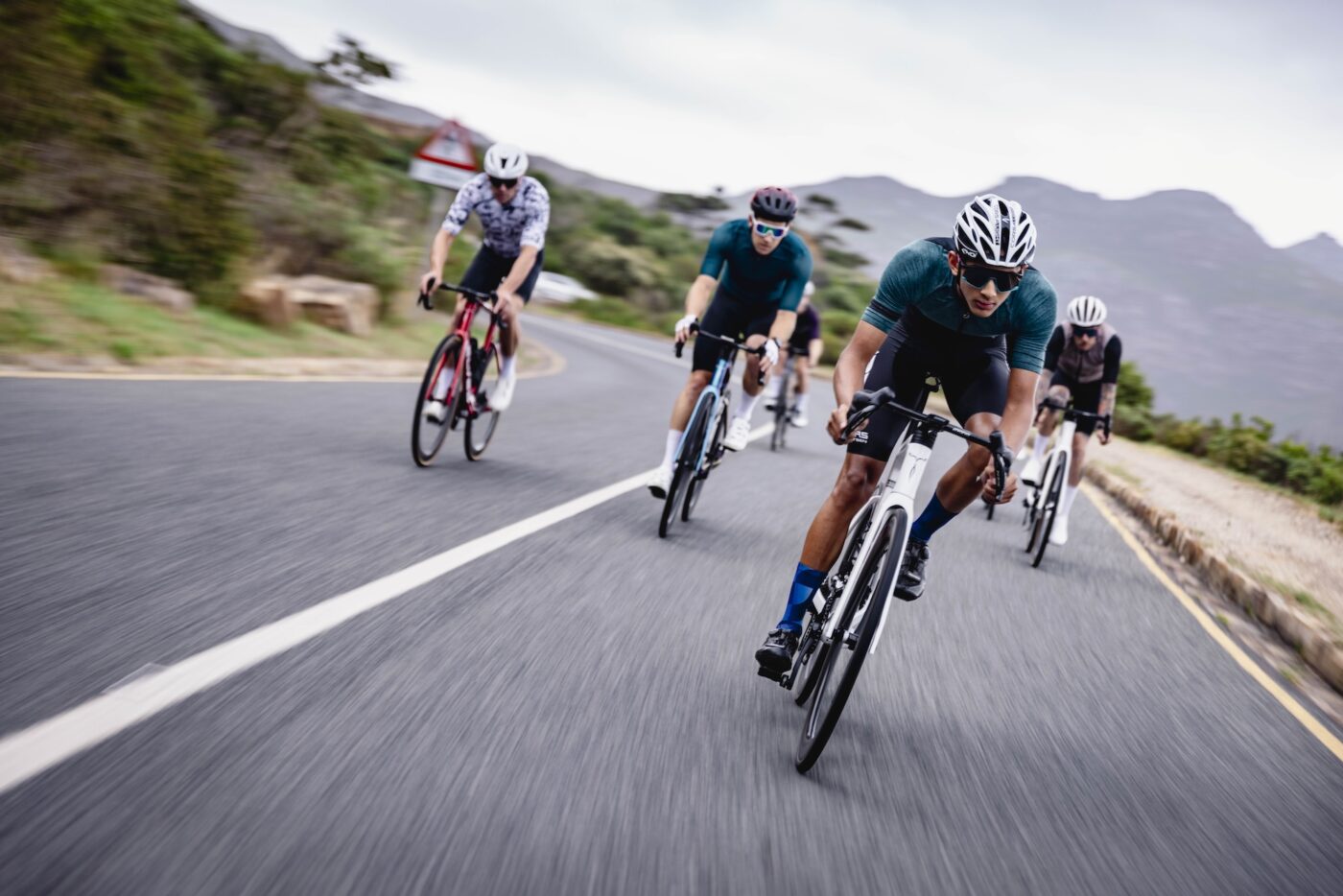
Lastly, the race snakes. Elves has a solid international racing presence, and locally we’ve already got some absolute watt-monsters on board. The performance is real, and it’s something that resonates strongly with competitive riders.
What sets Elves bikes apart from other brands in the market?
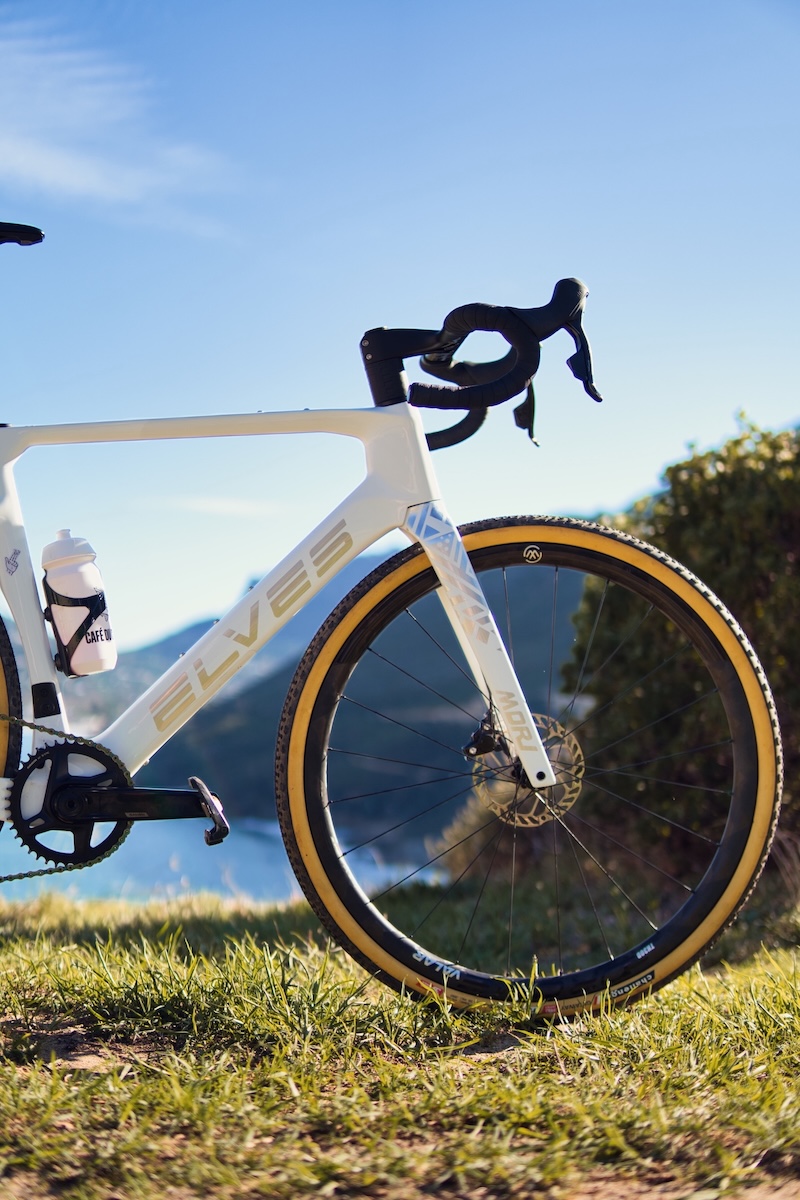
Individuality. Elves offers a nearly endless list of customisation options. You can choose your paint colour, wheel design, frame size (from really small to really large), bar width, stem length, and a wide range of component options from SRAM and Shimano. It’s a brand that fully embraces the idea that one size fits none.
Could you highlight some of the standout models, particularly the Mori AeroX?
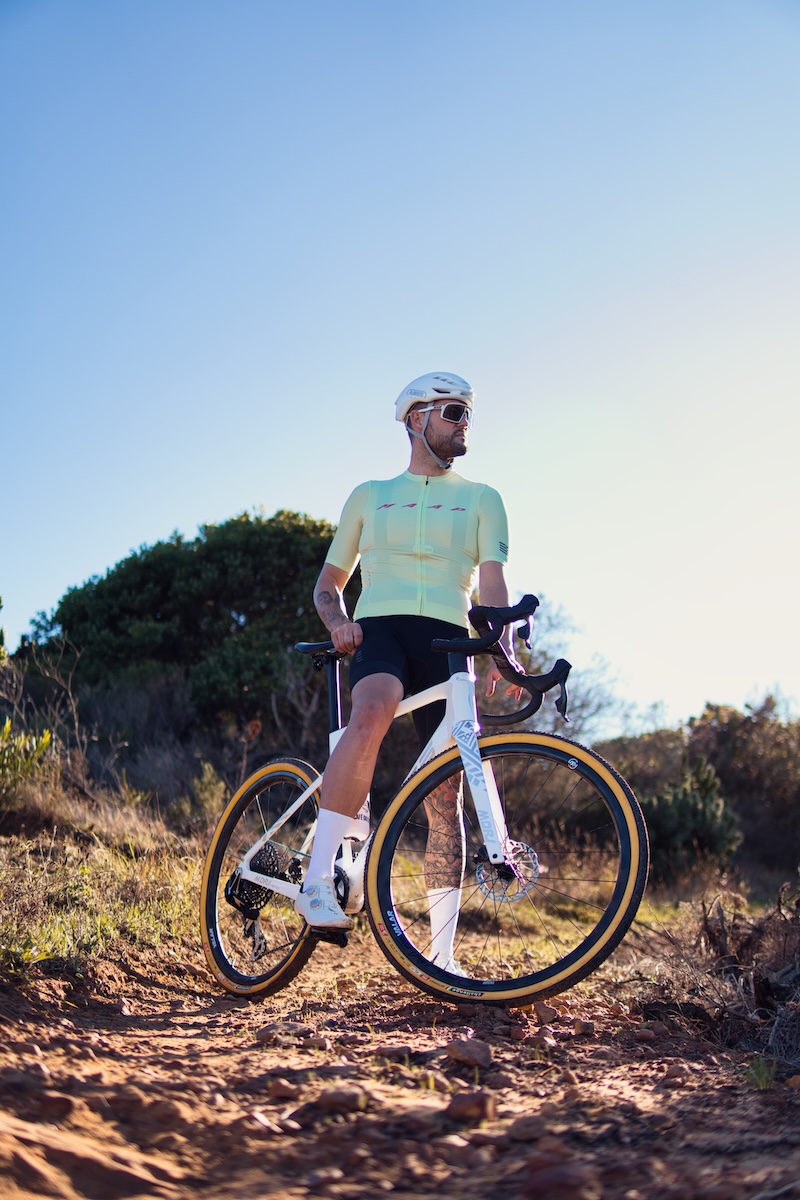
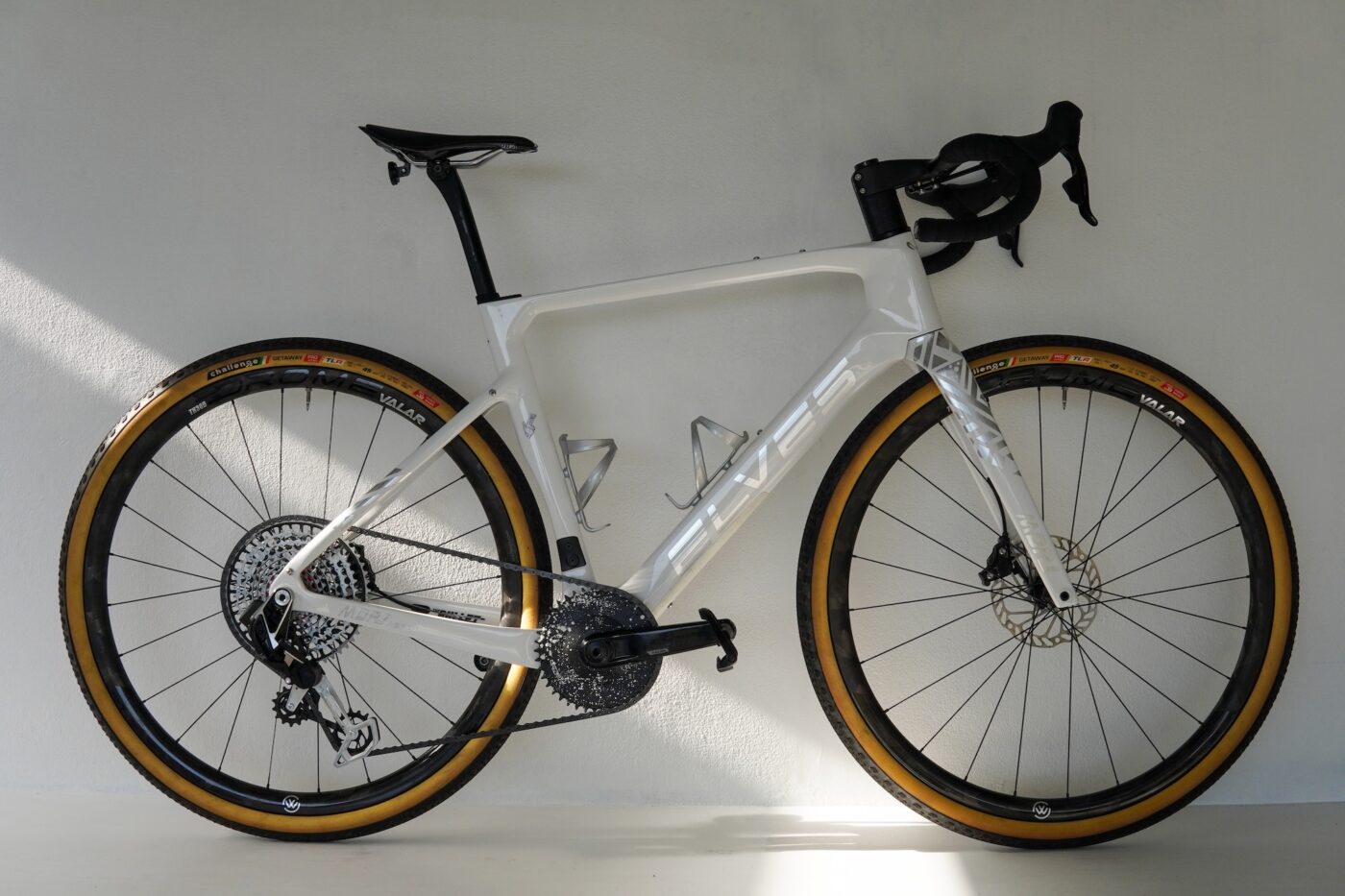
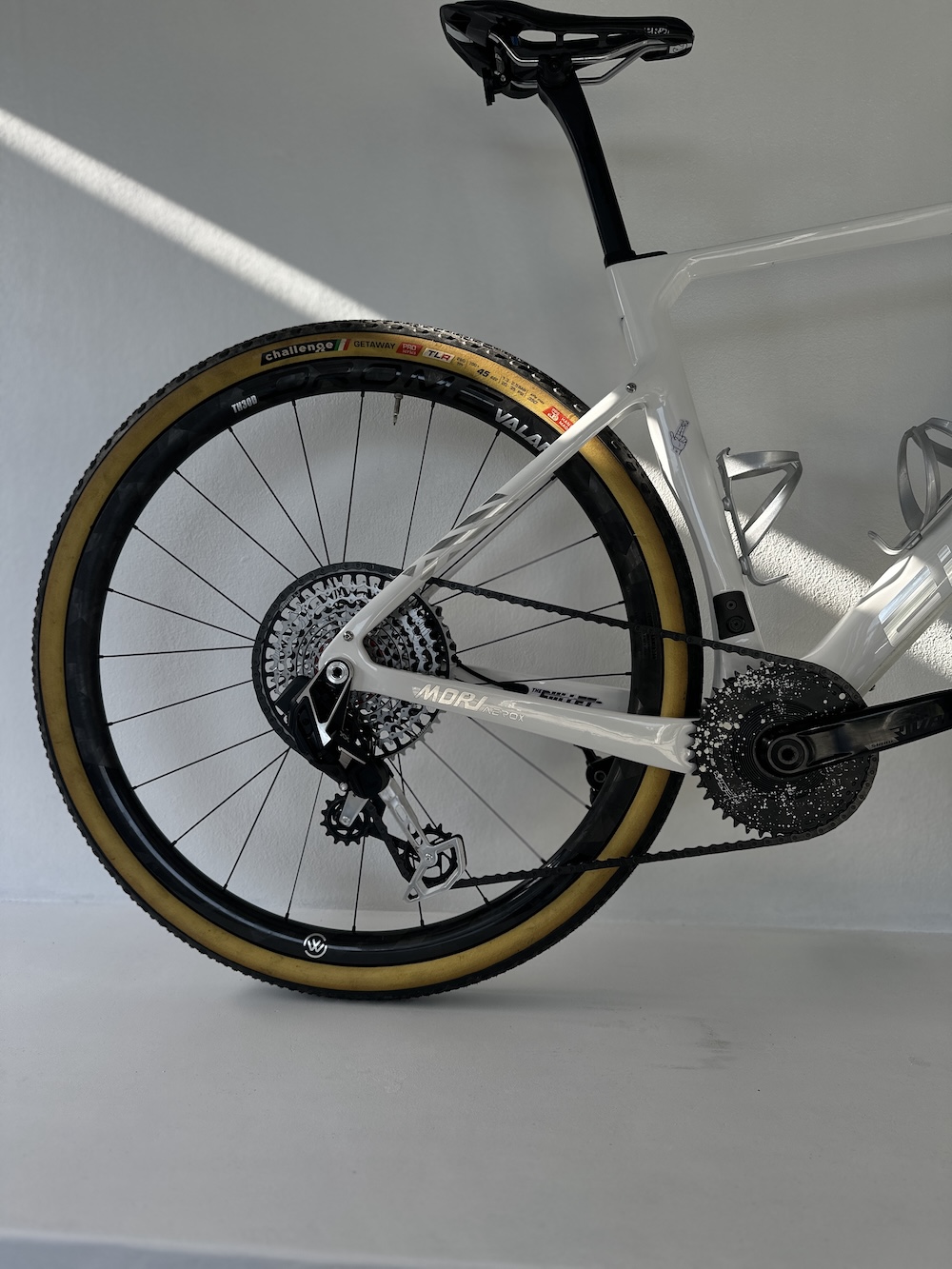
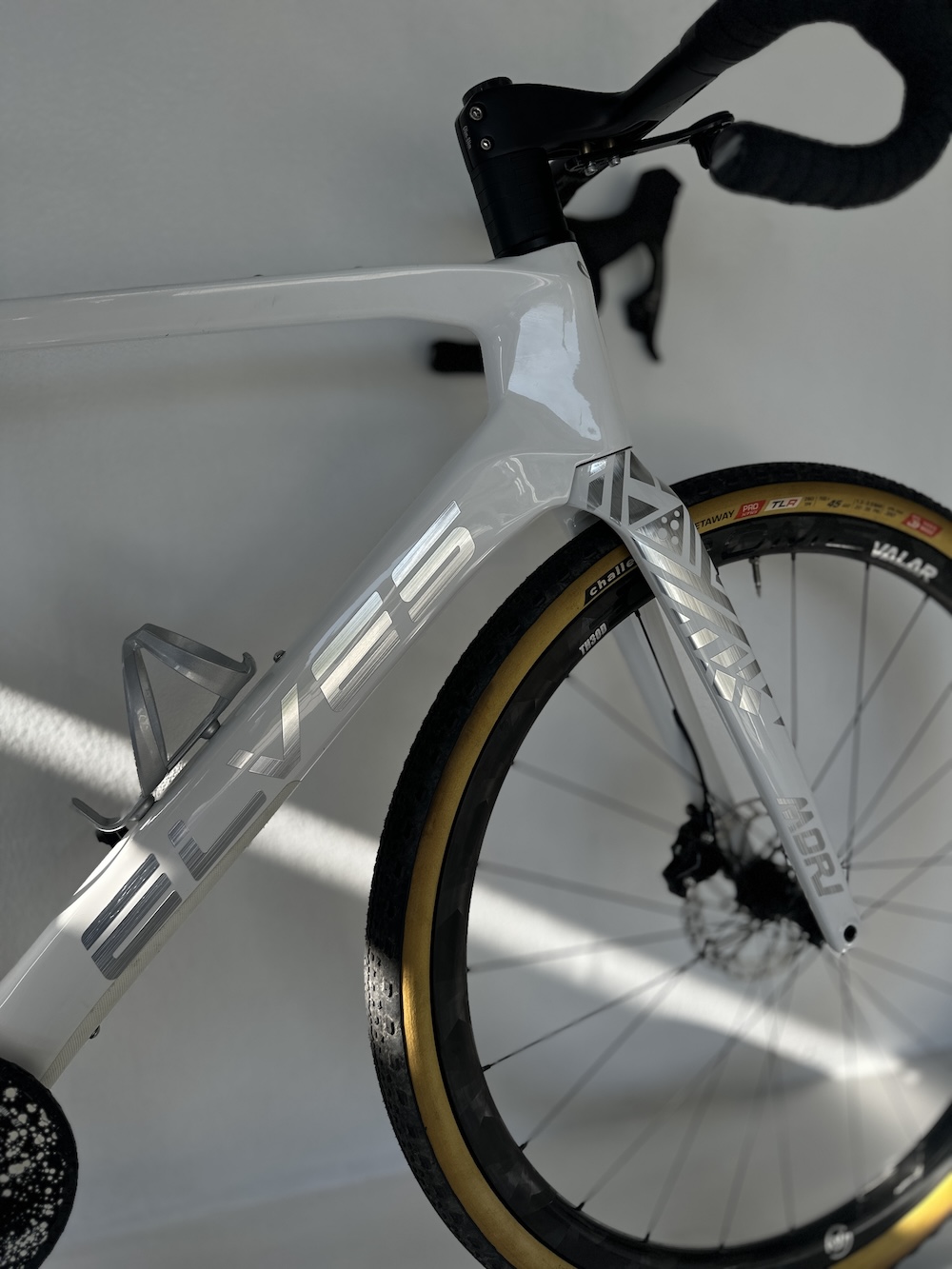
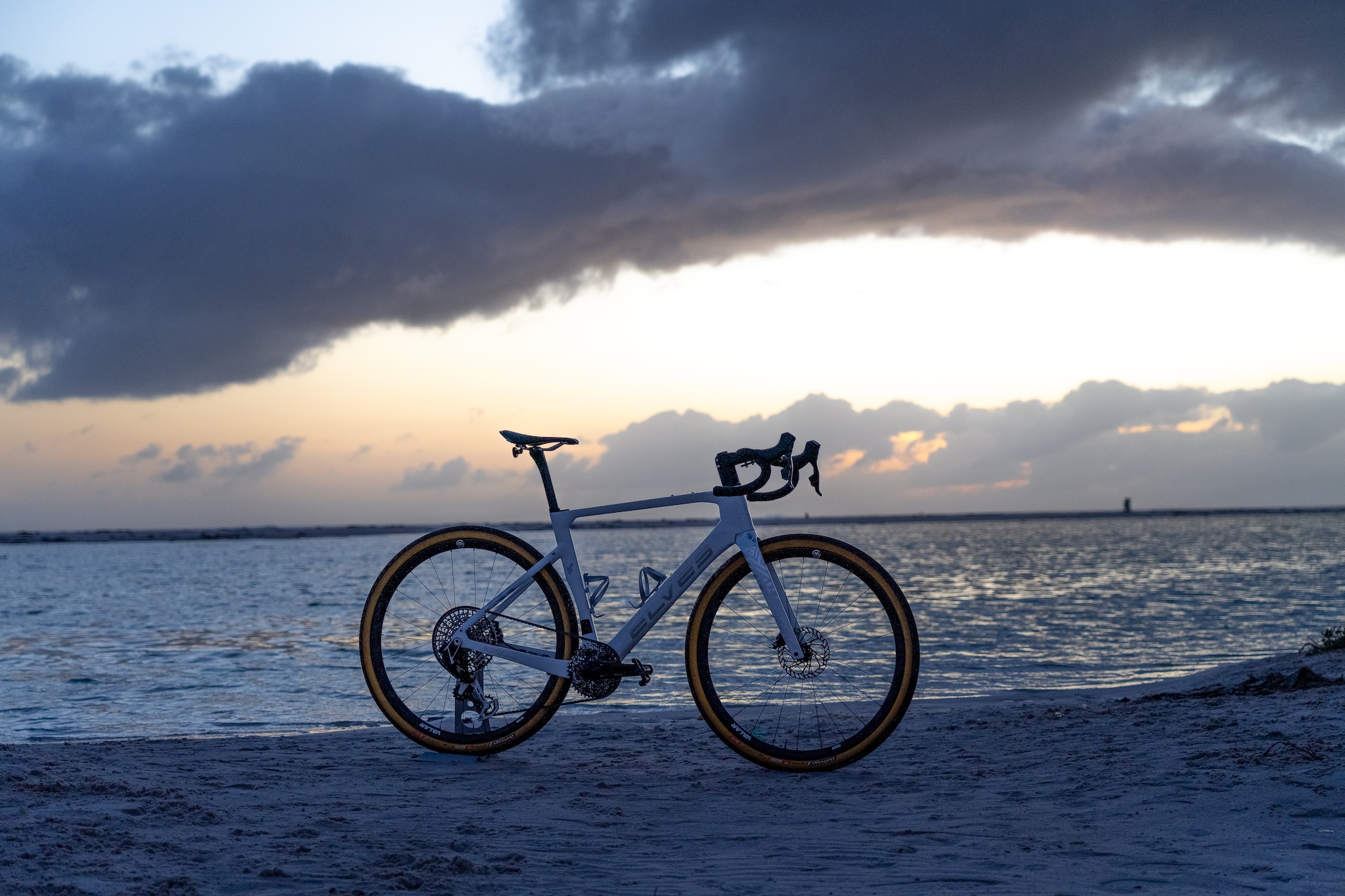
The Mori AeroX is hands down my favourite model so far. It’s incredibly versatile and lets you tap into the kind of adventure we’re all quietly craving. The frame has an uncanny balance between stiffness and comfort. It feels lively and responsive, but still soaks up just enough of the terrain that you don’t feel battered when you get off the gravel.
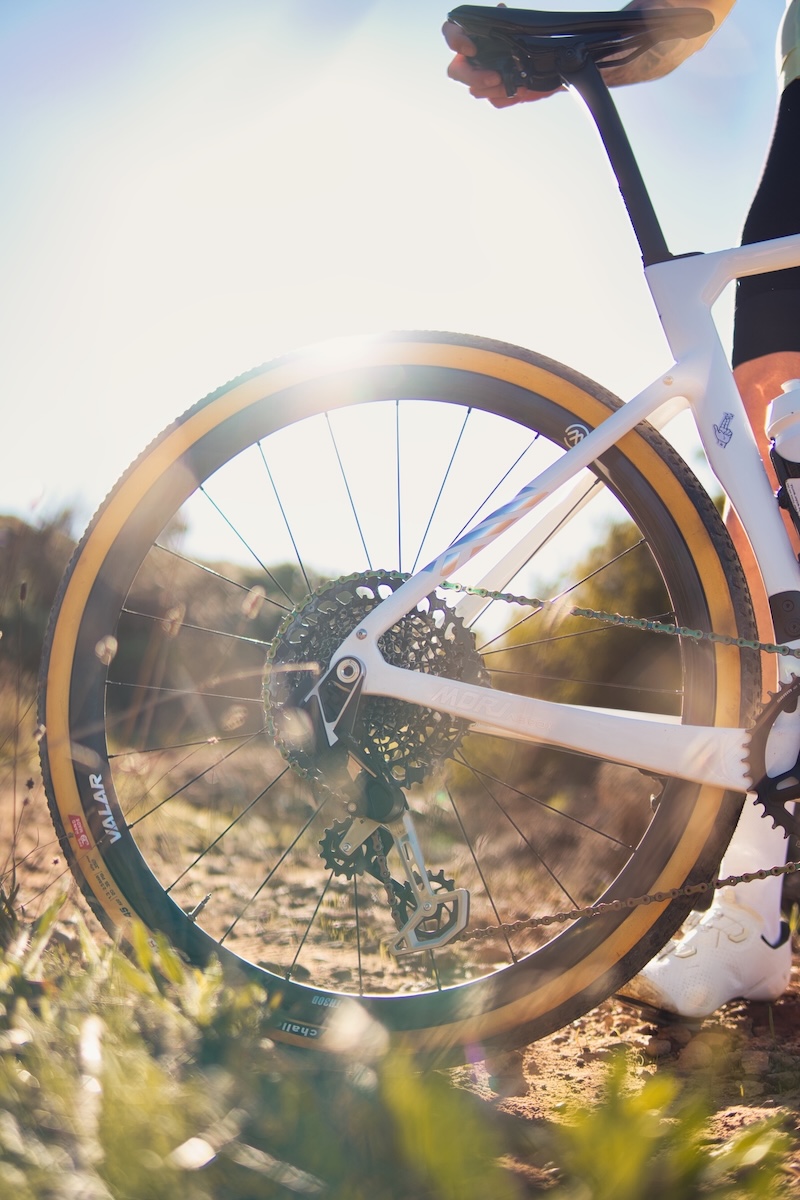
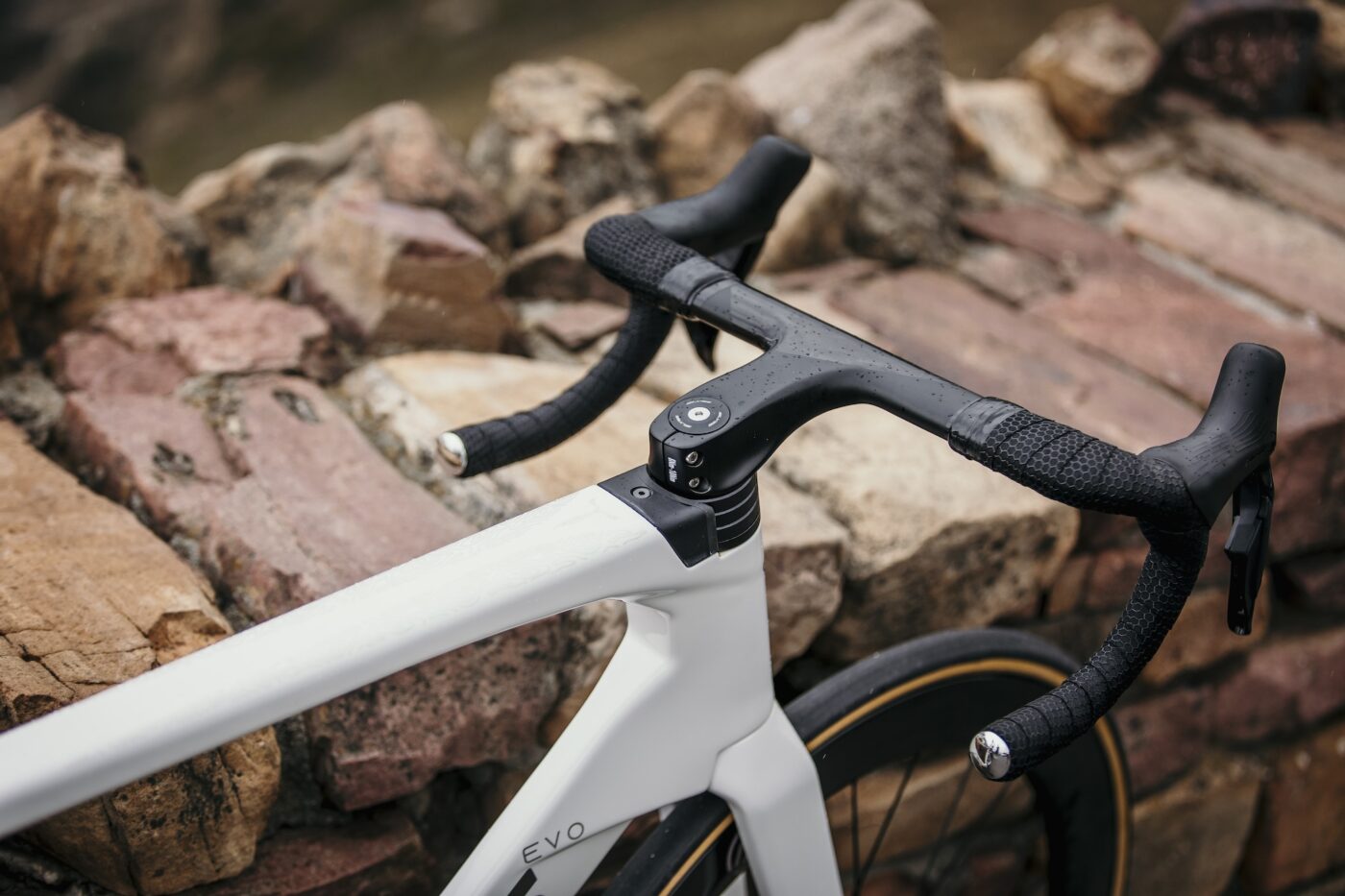
It’s a bike that truly embraces speed without compromising ride quality. It can take up to a 45 mm tyre, is UDH-compatible for SRAM’s latest groupsets, and comes with an integrated bar and stem with a 7-degree flare. That’s a great middle ground for someone who wants to race gravel and also smash the Cape Town Cycle Tour.
Visually, it’s stunning — and fully customisable too.
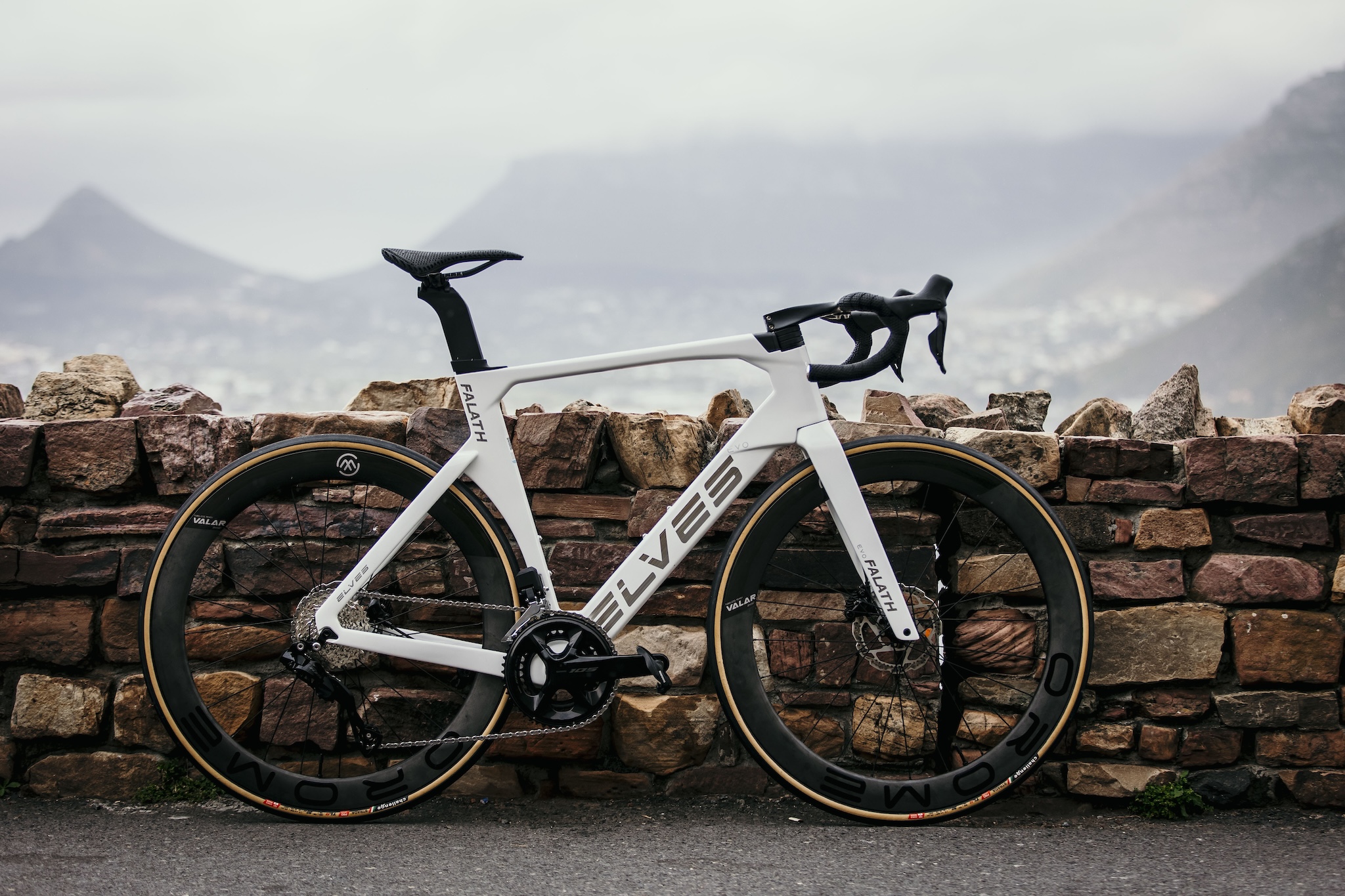
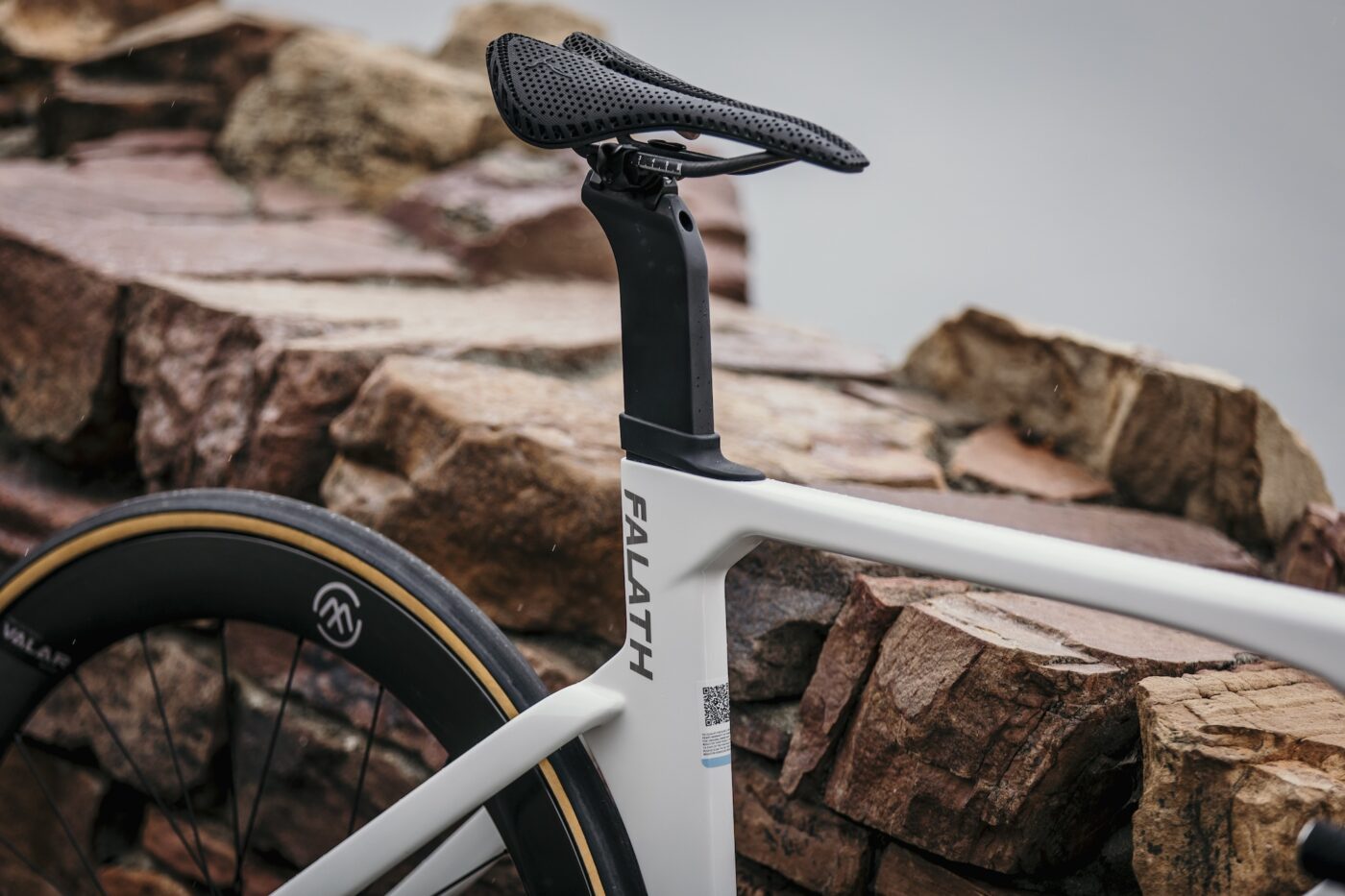
They’ve also recently released an exciting new aero road bike called the Falath EXP. It’s a more aggressive option for the aero-obsessed road racer. The rear triangle has an integrated airflow design that adds compliance and aerodynamic benefits. It’s not going to be your sub-7 kg climber, but it’s a really compelling performance bike.
All of the Elves frames are UCI-compliant and carry that certification for peace of mind.
What are your favourite features on the bike?
UDH compatibility is a big one. I did a six-day gravel tour from George to Cape Town, and I saw derailleur hanger issues ruin other people’s trips. It’s such an underrated but practical feature.
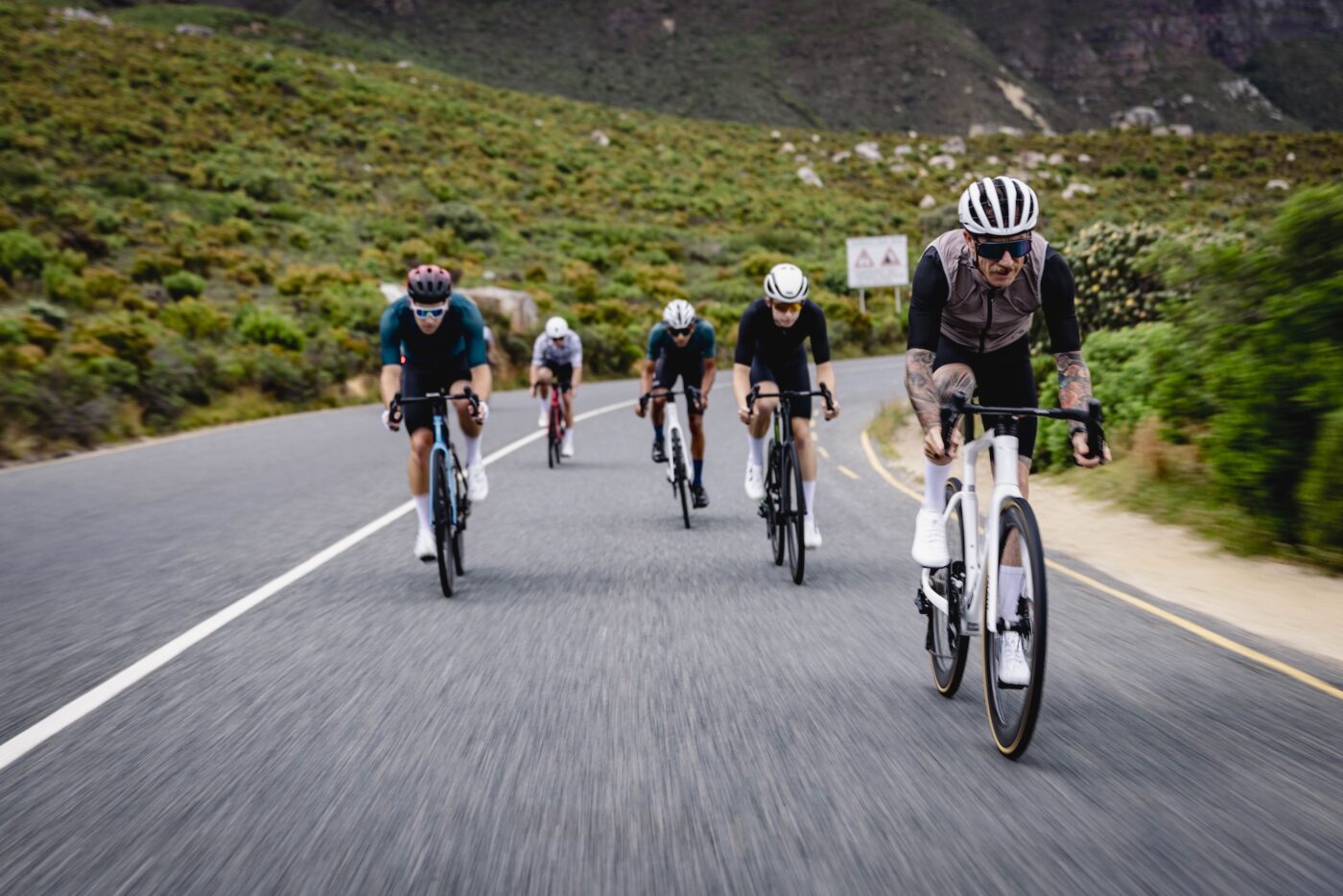
The geometry also stands out. I’m 188 cm and ride a size 56, and I’ve yet to find a position — in the drops, on the hoods, or on the tops — where I feel uncomfortable. It’s stable, confidence-inspiring, and just a joy to ride, whether you’re attacking on the Savage Tuesday Loop or descending Ou Wa Pad.
And of course, the looks. I find myself just staring at the bike. It’s a thing of beauty.
What can riders expect in terms of performance and value?
Honestly, there’s no performance compromise. I’ve ridden most of the major brands available locally and I can’t fault the Elves platform. If anything, it’s lighter, faster, and more comfortable than the bike I came from, which was already a trusted and reliable setup.
From a value point of view, it’s very competitive. The frameset, including the integrated bar and stem, starts at R35,000. Complete builds vary a lot depending on the chosen components, but a top-tier build with SRAM Red and full carbon wheels comes in at around R140,000.
What kind of support can customers expect when buying an Elves bike locally?
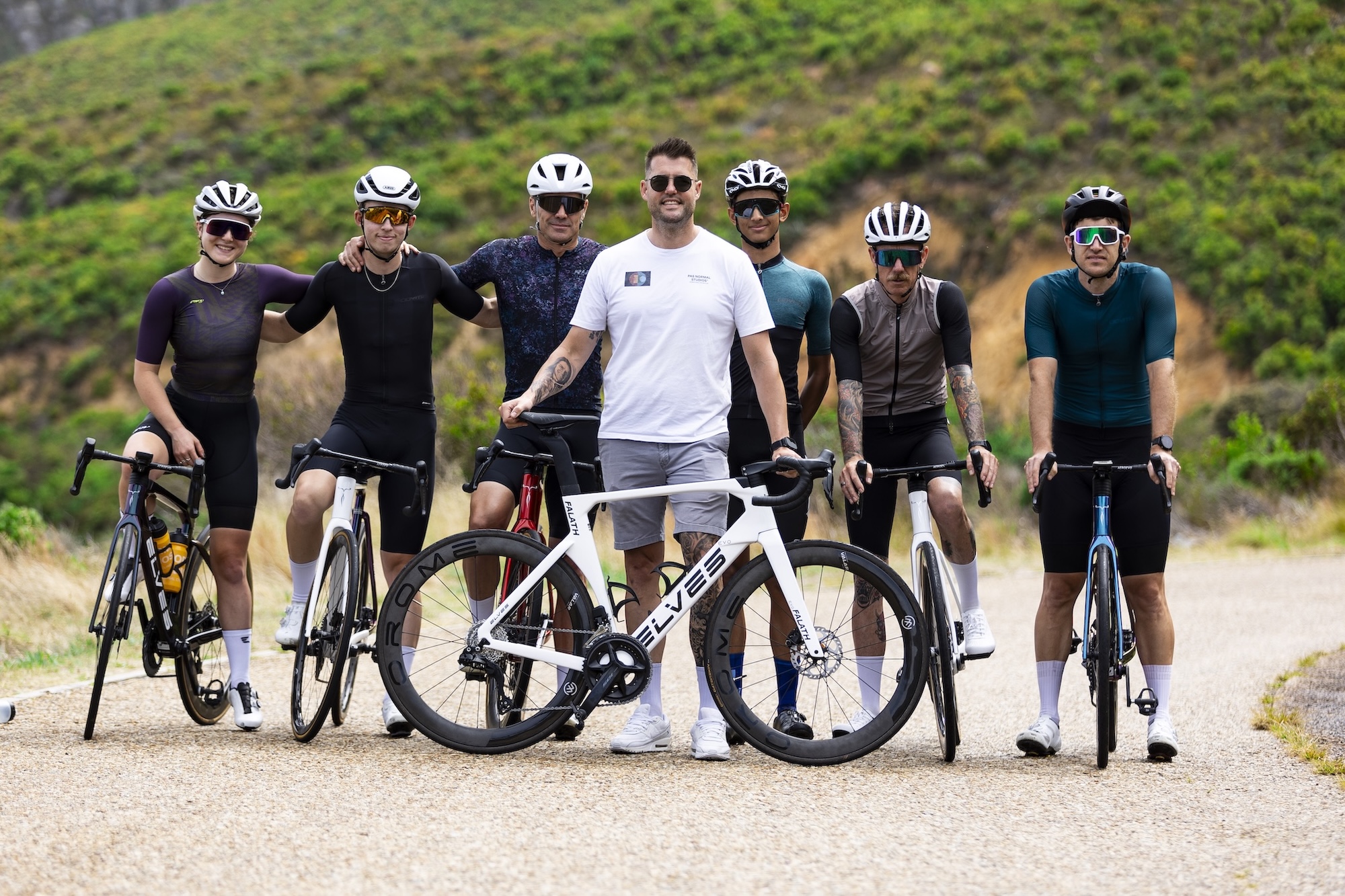
Support is available directly through Elves SA. We’ve partnered with two trusted workshops — CE Cycles in Tokai and Hattons Cycle Workshop in Pinelands — who handle mechanical support and are also our exclusive complete bike builders.
Beyond that, I’m available via email, WhatsApp, or phone for any questions or help needed. I go out of my way to assist, and that’s something shared by Elves distributors globally. If someone travels and needs help abroad, there’s usually someone nearby to support them.
We also do things a bit differently by offering video support and creative services. We help customers document builds, shoot custom content, and create personalised experiences. It’s a unique value-add we hope more people take advantage of.
Will spare parts, warranties, and servicing be easily accessible?
Yes, absolutely. Each frameset comes with a small box of spares, including extra derailleur hangers, an adapter for non-integrated bars, and a bottom bracket based on your groupset. Our wheels ship with spare spokes too.
We keep Elves-specific parts like hangers and headsets in stock, and if anything is missing, we can air freight it in. The frames carry a five-year warranty, and it’s fully supported both locally and internationally. We’ve worked hard to make this as seamless and hassle-free as possible. So far, it’s going well.
You’ve got some great ambassadors on board already. What’s in the pipeline for the next year?
I’m really focused on building out the storytelling side of the business. We’re scaling up our production capabilities and physical space to showcase this: a place where we can shoot content, bring people in, and experience the brand together.
We want this to be more than a retail space. It’ll be a platform for ambassadors and riders to collaborate, share stories, and build community. That doesn’t mean free bikes for everyone, but it does mean we’re committed to helping amazing stories come to life.
We already have some great riders, like Kael Williams, who’s chasing big international goals. I’d love to support him in any way I can: whether he’s on an Elves frame or not.
How do you see the brand evolving in South Africa over the next year?
Elves is moving from something you saw in a YouTube review to a brand that feels South African in its values and approach. Every month we’re seeing growth, which is a signal that the market trusts what we’re doing.
We’ll continue to build credibility, validate our offering, and strengthen the community around the brand. It’s humbling to see how people are responding.
Are there any upcoming models or initiatives that local riders should watch for?
Elves is always innovating. They’re launching new products at the Shanghai Bike Show in May, including a time trial bike (the Amanyar TF3), a dual-suspension mountain bike, and updates to existing models.
What’s really impressive is how they take feedback. During the Mori process, I was able to share real user insights and see that feedback go back to the team and influence the product. That’s rare, and it’s powerful.
Do you have anything else to add for riders who are curious but unfamiliar with Elves?
Just come experience the brand. We’re generous with our demo stock and encourage anyone who’s interested to visit, grab a flat white, and take a bike for a ride.
We’re based in Westlake, Cape Town. The space isn’t fully complete yet, but we’re here and would love to meet you. And if you’re not shopping for a bike but want to get involved with the content and storytelling side, we’d love that too. We’re all about adding pages to the book of life and helping others do the same.