PRESS RELEASE
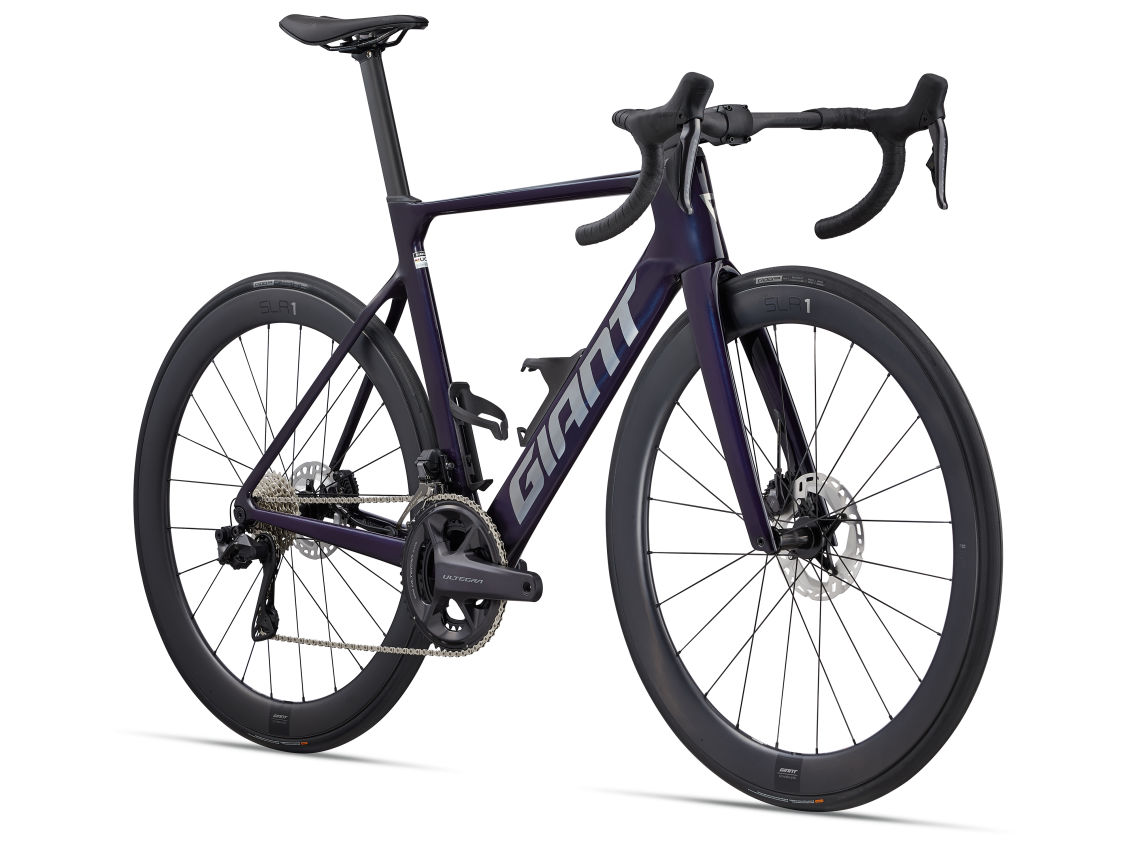
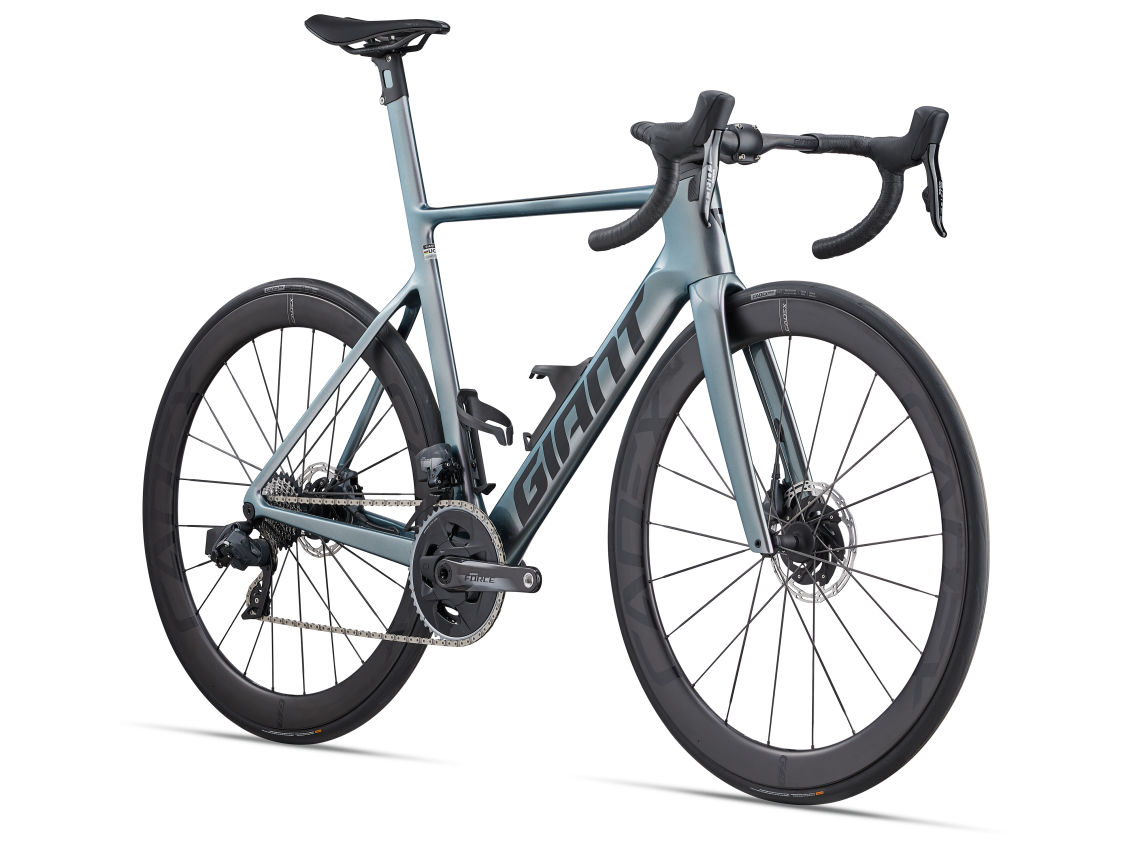
Giant introduced its all-new range of Propel aero road bikes. Each of the models is built on a composite frameset with improved aerodynamics, efficiency and adjustability compared to the previous generation, making this a more versatile and highly capable choice for performance-minded road riders. The new range includes three series: Propel Advanced SL, Propel Advanced Pro and Propel Advanced.

The new Propel range delivers proven aerodynamic gains combined with dynamic handling and ride quality. Cameron Baird photo.
Following years of development and testing, both in the wind tunnel and on the road, the flagship model of the new range, the Propel Advanced SL, was introduced to the world in July, when Team BikeExchange-Jayco sprinter Dylan Groenewegen won Stage 3 of the Tour de France. Thirteen days later, Groenewegen’s teammate Michael Matthews proved that the new Propel can do more than just sprint when he launched a solo attack and powered his aero machine to a dramatic win on the grueling, hilly Stage 14.
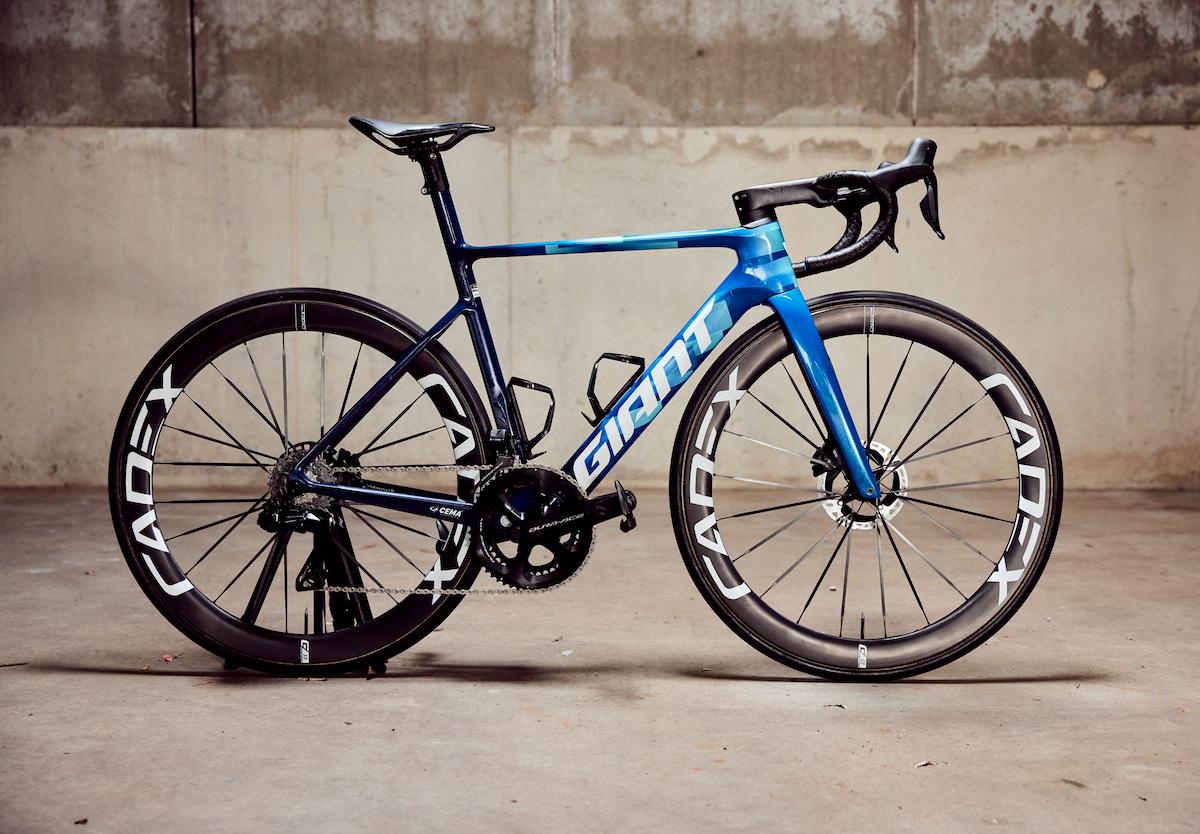
The new Propel Advanced SL made its public debut at this year’s Tour de France with Team BikeExchange-Jayco. Sprinter Dylan Groenewegen’s bike is pictured here. Maarten de Groot photo
For fast finishers like Groenewegen and Matthews, winning or not winning often comes down to decisive moves. Positioning, chasing, attacking. Bumping elbows, leaning hard through technical corners, blasting ahead of the field. This is where the new Propel excels most. It’s measurably faster in aerodynamic testing than the previous generation, and the frameset is significantly lighter and stiffer than its predecessor.
Beyond its race-winning stiffness-to-weight ratio, the new Propel is also designed to deliver a dynamic ride quality with greater control in a variety of situations. From smooth tarmac to rougher roads, punchy climbs to barn-burner descents. Beyond its aero gains, other modifications to improve ride quality include slimmed down seatstays and a new Vector seatpost design. There are two versions: the integrated Vector seatpost on the Propel Advanced SL, and standard adjustable Vector seatposts on the Propel Advanced Pro and Propel Advanced.
INTEGRATED AERODYNAMICS
The guiding design principle behind the new Propel is its AeroSystem Shaping Technology. The engineering team started with airflow simulation software called computational fluid dynamics (CFD) to develop the tubing shapes, angles and junctions. This led to the use of truncated ellipse airfoil shapes in key areas of the frameset including the head tube, down tube and seat tube.
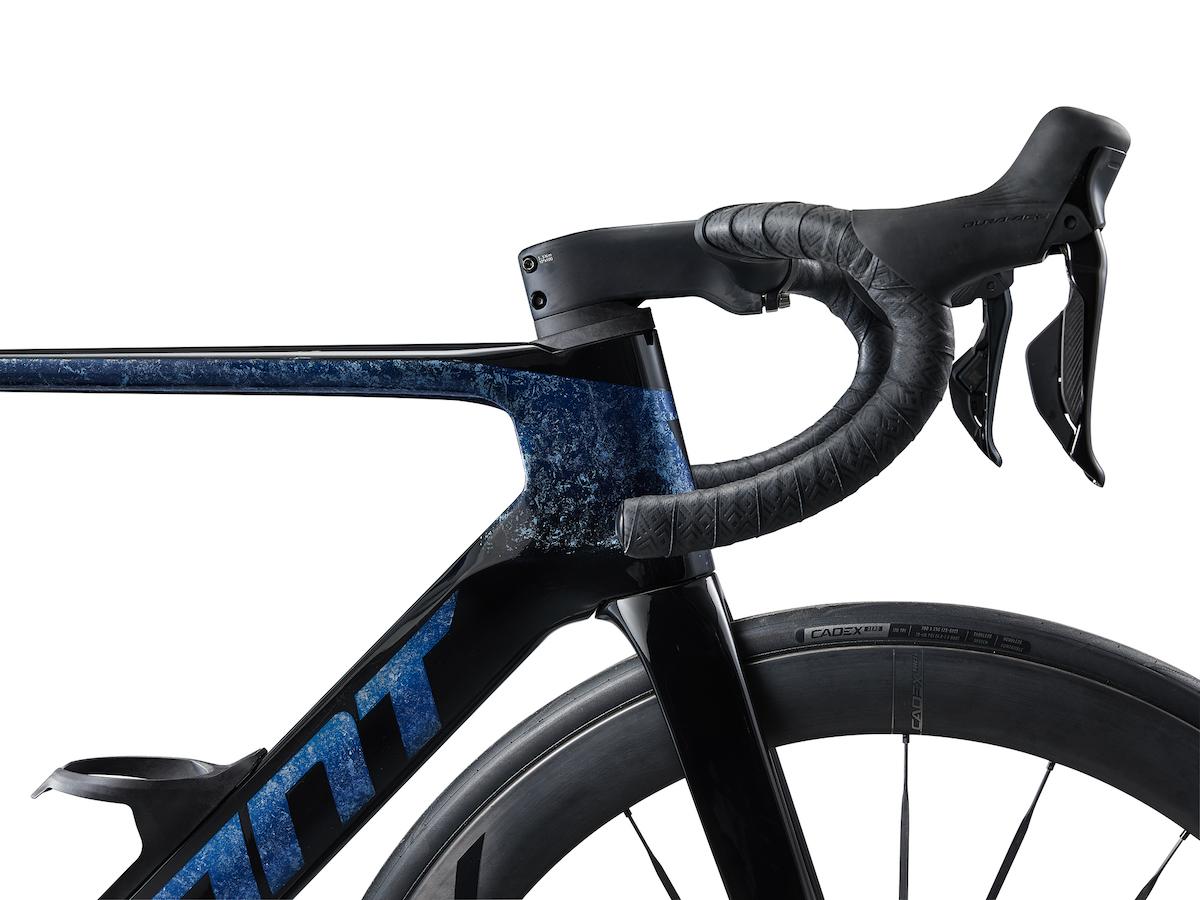
An all-new D-shaped fork steerer tube and integrated aero spacers combine with the Contact SLR Aero cockpit to optimize aerodynamic performance while making it easier to adjust and service the cockpit area of the bike.
From there, the development team created the physical shapes. Working with renowned aerodynamicists at the GST wind tunnel in Immenstaad, Germany, to accurately simulate real-world riding conditions, engineers used a dynamic mannequin to analyze not just the bike, but rider and bike together. This is a process that Giant pioneered over a decade ago with the first generation Propel. While most bike manufacturers typically use a static mannequin, Giant’s team determined that only a dynamic one can most accurately replicate the effects of a rider pedaling against various wind speeds and angles. Unlike a human rider, the mannequin can maintain a precise, repeatable position and leg movements.
The frontal sections, where aerodynamics matter most, feature sculpted lines and that truncated ellipse shape to minimize drag. As part of this holistic approach, there are two different aero-optimized bottle cages, one for the down tube and one for the seat tube, to further minimize drag.
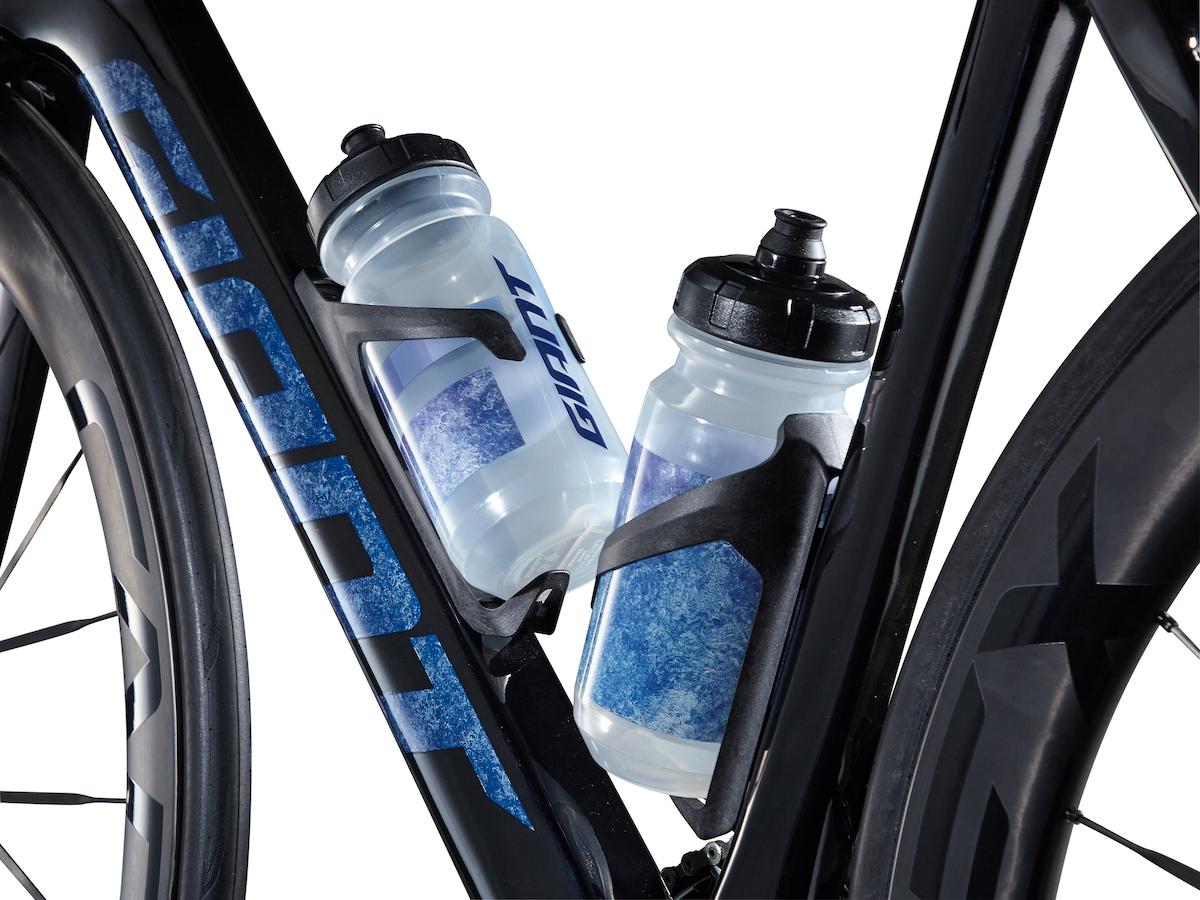 Two different bottle cages were created for the new Propel, one for the down tube and one for the top tube. Each is specifically designed to minimize drag against the different wind directions and forces.
When it comes to aero gains, the frame itself is part of the story, but not the whole story. The new Contact SLR Aero handlebar and stem also reduce drag, as do new aero WheelSystems with 50mm rim depth. When comparing the complete new Propel Advanced SL bike to the previous generation, the new model improves aerodynamic drag by 6.21 watts. This equates to a savings of 27 seconds over 40 kilometers at 40 kph.
RACE-WINNING EFFICIENCY
For competitive racers, nothing matters more than power-to-weight. Making the new Propel both stiffer, for better power transfer, and lighter was essential. Testing of the Propel Advanced SL reveals that the new frame has 9.9 percent greater frame stiffness than the previous generation. Pedaling stiffness gets a 7.5 percent boost. The overall stiffness of the frameset, including the frame and fork, is 9.2 percent higher.
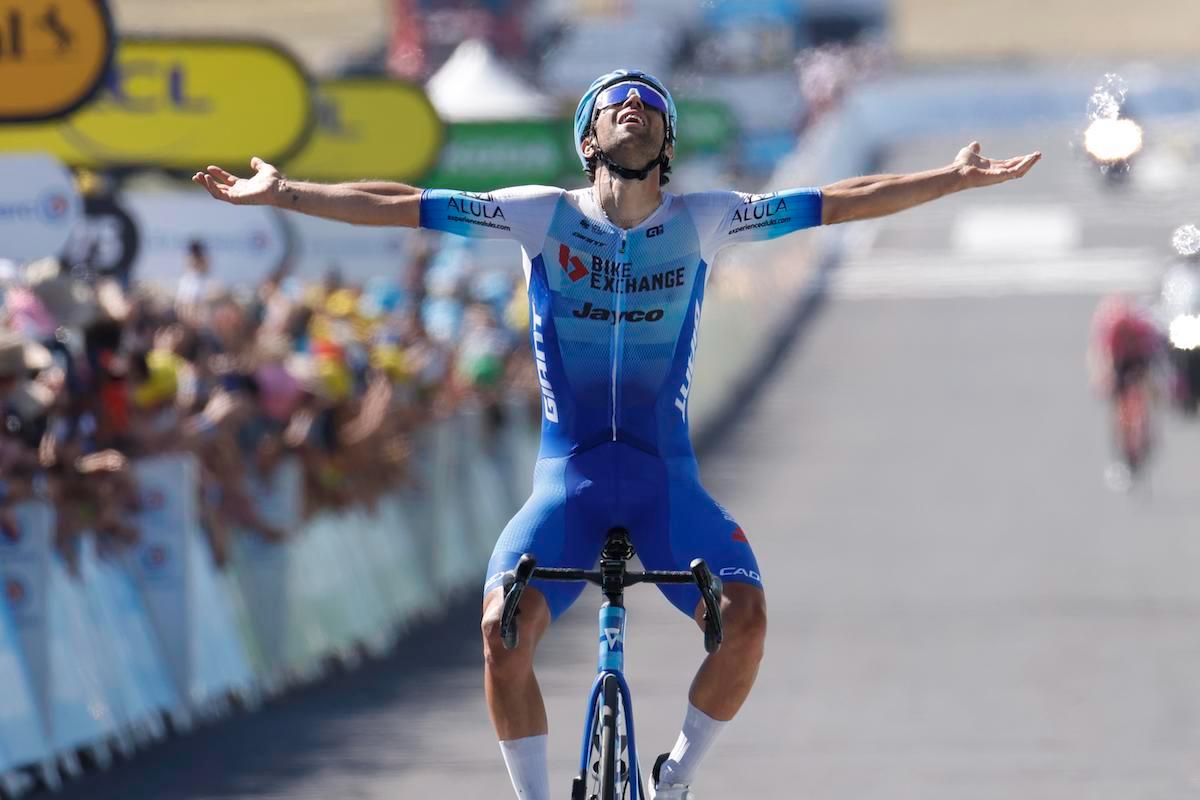
Australian Michael Matthews launched a solo attack to win Stage 14 of the Tour de France in dramatic fashion on his Propel Advanced SL team bike. Cor Vos photo.
When you combine those figures with the overall weight of the frameset, you get the magic number that reveals overall efficiency, or stiffness-to-weight. In the case of the new Propel Advanced SL, the reduced weight and increased stiffness works out to a gain of 26.4 percent in overall efficiency.
Most of the gains in stiffness come from modified sections of the head tube, down tube and bottom bracket area. But just making a frameset ultra-stiff doesn’t necessarily make it faster. To optimize all-around performance in real-world conditions, compliance and control also play a role. For that reason, the rear half of the new Propel has been reengineered to provide a smoother ride quality, which helps make it a more capable all-rounder.
The seat tube, chainstays and seatpost have all been slimmed down compared to the previous generation. This new design helps reduce weight, and it also gives the new Propel improved road handling. Compared to the outgoing Propel Advanced SL, the new flagship model, which features the Vector integrated seatpost, has 85 percent added rear-end compliance. This makes it more capable for long, hard days in the saddle, when its road-smoothing properties help minimize fatigue. It also has added frame and fork clearance, allowing riders to choose larger tires up to 30mm for an even plusher ride quality.
EASIER ADJUSTABILITY
A new two-piece proprietary Contact SLR Aero handlebar and stem setup makes it easier to change components and dial in a precise fit. Both keep the cables and hoses hidden from the wind while avoiding the complexities associated with fully integrated handlebar/stem designs that are common with many of today’s aero road bikes.
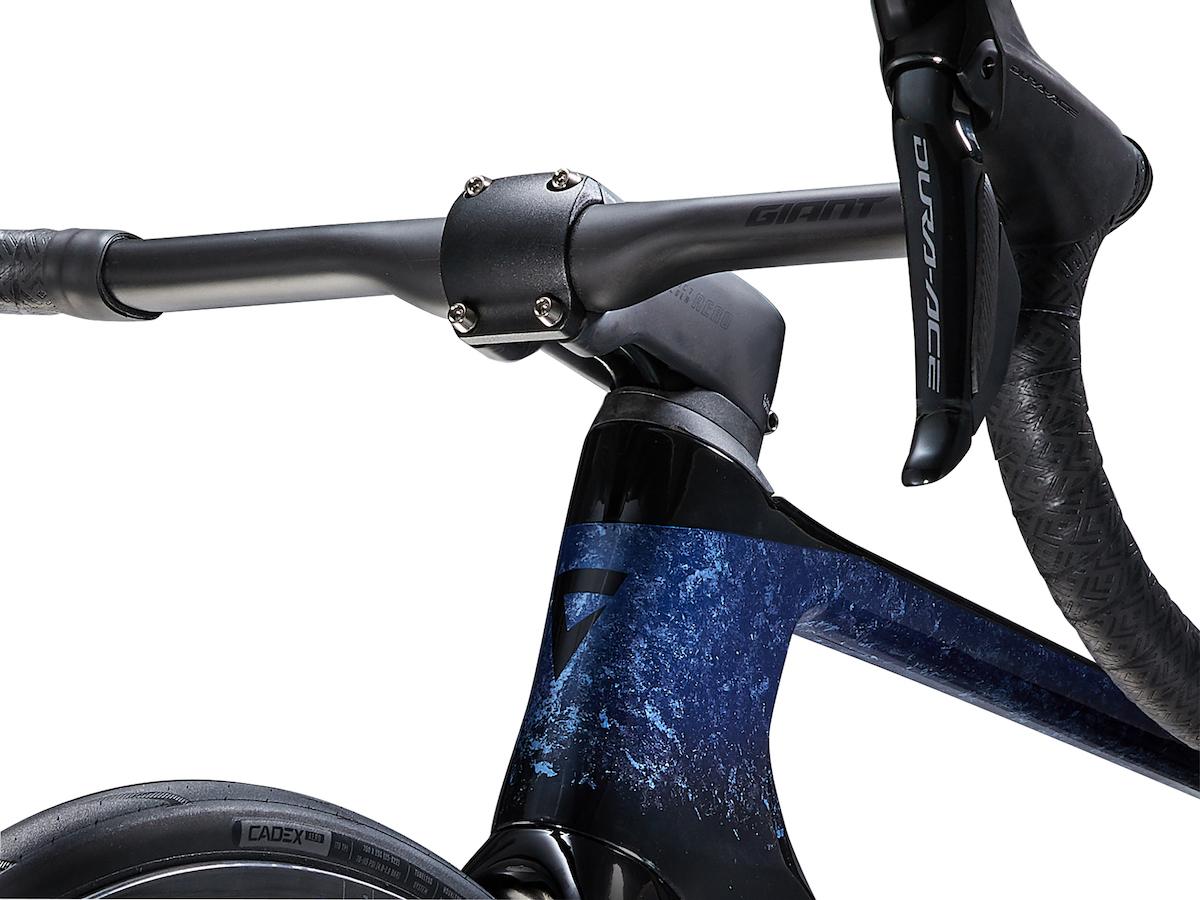
The updated cockpit features the new two-piece Contact SLR Aero handlebar and stem, which routes the cables beneath the channeled stem and into the frame behind the steerer tube. This keeps the cables more hidden from the wind and allows for easier adjustability compared to the previous generation.
The carbon handlebar has flattened tops for aero efficiency and hand comfort, along with a deeper drop for added control while sprinting, cornering and descending. The entire Propel range also features Giant’s new OverDrive Aero system, which features a D-shaped fork steerer tube and corresponding spacers for an extremely aerodynamic, easier to service system of internally routed brake and derailleur cables.
While the previous Propel cockpit had cables that routed above the stem and into the frame behind the steerer tube, the new design routes the cables through the bars, underneath the channeled stem, and into the frame in front of the steerer. This keeps the cables more hidden from the wind and allows for easier adjustability.
From the fast finishers of Team BikeExchange-Jayco to world-class triathletes like Olympic gold medalist Kristian Blummenfelt and two-time Ironman 70.3 world champion Gustav Iden—who both use this bike for Olympic and sprint-distance events—the new Propel delivers a winning advantage. Sprints, solo breaks, or chasing your next PR, it’s fuel for the pursuit of ultimate speed.






But does it come with a skin suit and an automatic weight reduction diet and exercise program to maximize the benefits??